Data may be outdated
Last updated: 1 month ago — Click refresh to get the latest statistics.
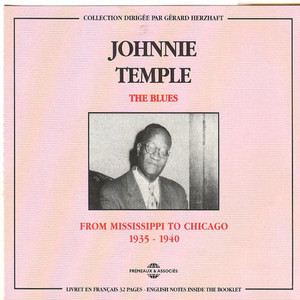
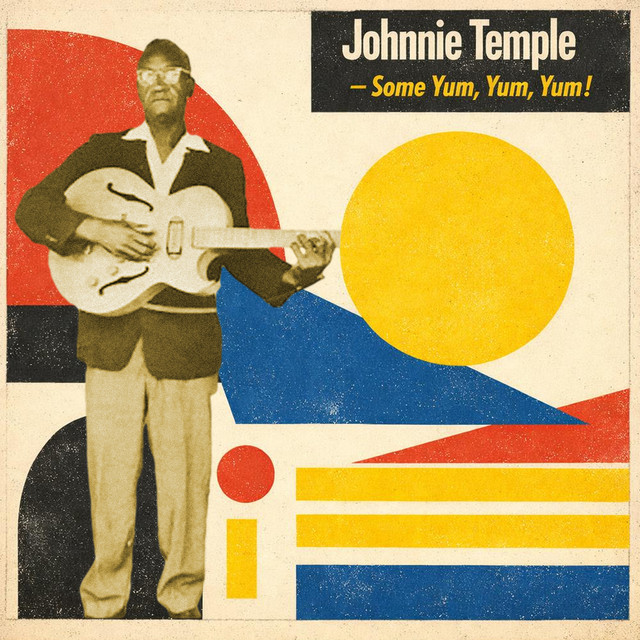
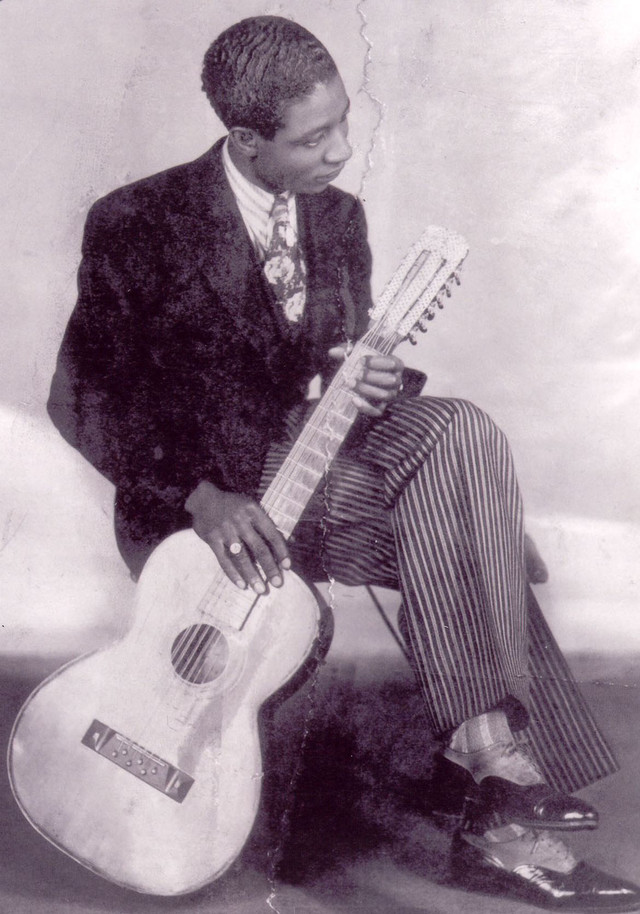
Born and raised in Mississippi, Temple learned to play guitar and mandolin as a child. By the time he was a teenager, he was playing house parties and various other local events. Temple moved to Chicago in the early '30s, where he quickly became part of the town's blues scene. Often, he performed with Charlie and <a href="spotify:artist:3rTgStIOfOg2Q1Ewj2mrWU">Joe McCoy</a>. In 1935, Temple began his recording, releasing "Louise Louise Blues" the following year on Decca Records.
Although he never achieved stardom, Temple's records -- which were released on a variety of record labels -- sold consistently throughout the late '30s and '40s. In the '50s, his recording career stopped, but he continued to perform, frequently with <a href="spotify:artist:7ApWhtmpJkPyd5WjwDdDfX">Big Walter Horton</a> and <a href="spotify:artist:16vIA3JDwbJiQugWKimd2o">Billy Boy Arnold</a>. Once electrified post-war blues overtook acoustic blues in the mid-'50s, Temple left Chicago and moved to Mississippi. After he returned to his homestate, he played clubs and juke joints around the Jackson area for a few years before he disappeared from the scene. Johnny Temple died in 1968. ~ Cub Koda, Rovi
Monthly Listeners
2,269
Monthly Listeners History
Track the evolution of monthly listeners over the last 28 days.
Followers
1,706
Followers History
Track the evolution of followers over the last 28 days.
Total Streams
3.5 million
Total Streams History
Track the evolution of total streams over the last 28 days. This data is calculated from all tracks listed in the artist's discography.
Top Cities



Related Artists


Kid Bailey




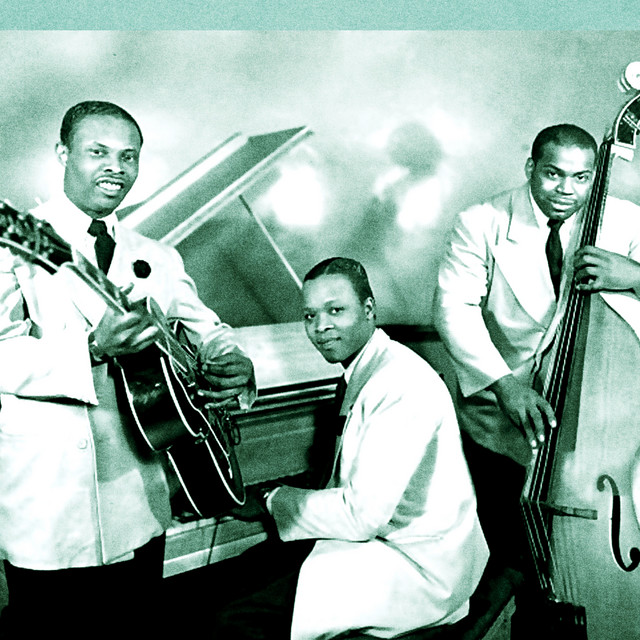
Papa Charlie's Boys

Sonny Boy Nelson






Mississippi Joe Callicott