Data may be outdated
Last updated: 7 months ago — Click refresh to get the latest statistics.
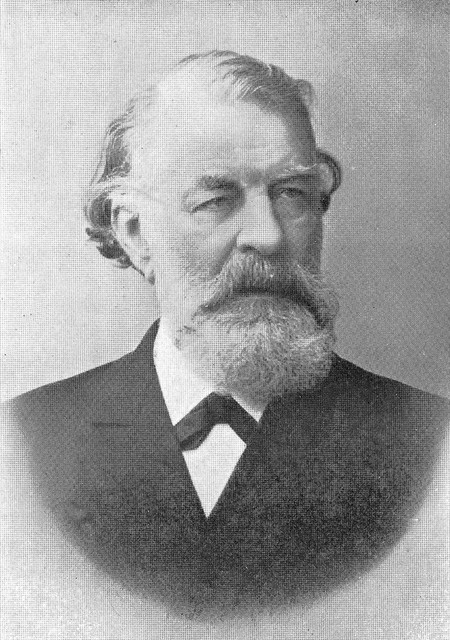
Joseph Joachim was one of the greatest violin soloists of all time, a friend of <a href="spotify:artist:5wTAi7QkpP6kp8a54lmTOq">Johannes Brahms</a>, and an interesting composer whose music, while not ranking with that of the great masters of classical music, is vivacious and enjoyable. His parents, Julius and Fanny Joachim, were of Hungarian Jewish ancestry and Joseph was the seventh of their eight children. When Joseph turned five, he was given lessons from Stanislaw Serwaczynski, a violinist who was known as the "Polish <a href="spotify:artist:39FC9x5PaTNYHp5hwlaY4q">Paganini</a>." Young Joachim progressed so rapidly that he appeared in a double concerto by <a href="spotify:artist:6K1jAEWrCR8NHv0rM6q1Zc">Eck</a> with his teacher at the age of eight. That summer (1839), it was decided to send the talented boy to Vienna where he would study with Miska Hauser, then Georg Hellmesberger, and finally to Joseph Böhm. In 1843, when Joachim, he was sent to <a href="spotify:artist:6MF58APd3YV72Ln2eVg710">Mendelssohn</a>'s new conservatory in Leipzig. <a href="spotify:artist:6MF58APd3YV72Ln2eVg710">Mendelssohn</a> laid out a comprehensive plan for the lad's general and musical education, including composition studies with Hauptmann and David. Joachim made his debut in Leipzig in a concert with <a href="spotify:artist:2yzaWNFV3cxmcRZtwtr5WC">Clara Schumann</a> and <a href="spotify:artist:6MF58APd3YV72Ln2eVg710">Mendelssohn</a>. He made a London debut in March 1844, receiving acclaim and beginning a popularity with English audiences that lasted all his life.
In 1850, he took his first adult job, as concert master of the orchestra in Weimar under the direction of <a href="spotify:artist:1385hLNbrnbCJGokfH2ac2">Franz Liszt</a>. In 1852, Joachim received an appointment as violinist to King George V of Hanover and felt honor-bound to write to <a href="spotify:artist:1385hLNbrnbCJGokfH2ac2">Liszt</a> expressing his dissociation with the theories and credos of new music as espoused by <a href="spotify:artist:1385hLNbrnbCJGokfH2ac2">Liszt</a>, <a href="spotify:artist:1C1x4MVkql8AiABuTw6DgE">Wagner</a>, and their circles. Meanwhile, he had become friends with <a href="spotify:artist:2UqjDAXnDxejEyE0CzfUrZ">Robert Schumann</a> and <a href="spotify:artist:5wTAi7QkpP6kp8a54lmTOq">Johannes Brahms</a>. <a href="spotify:artist:5wTAi7QkpP6kp8a54lmTOq">Brahms</a> and Joachim jointly wrote a manifesto opposing the <a href="spotify:artist:1385hLNbrnbCJGokfH2ac2">Liszt</a>-<a href="spotify:artist:1C1x4MVkql8AiABuTw6DgE">Wagner</a> group's "music of the future." It had little effect but to polarize the musical debate among a simplistic division between <a href="spotify:artist:1C1x4MVkql8AiABuTw6DgE">Wagner</a> and <a href="spotify:artist:5wTAi7QkpP6kp8a54lmTOq">Brahms</a> for decades to come.
In 1863, Joachim married the famous mezzo-soprano Amalie Weiss. In 1866, he was appointed director of the High School for Applied Music, a branch of the Prussian Royal Academy, in Berlin. In 1867, he founded the Joachim String Quartet. For the rest of his life, he primarily remained in Berlin, although he set aside time every winter for concert tours. His marriage came to an unhappy end, primarily due to his streak of jealousy and suspicion. To make matters worse, <a href="spotify:artist:5wTAi7QkpP6kp8a54lmTOq">Brahms</a> supported Weiss' position in the divorce. This led to a breakup of their close friendship, and composer and violinist were not reconciled until years later when <a href="spotify:artist:5wTAi7QkpP6kp8a54lmTOq">Brahms</a> wrote his Double Concerto for violin and cello for Joachim.
Joachim's playing held to a noble ideal without much use for the type of music that mostly shows flashy violin tricks. Joachim had a subtle use of rubato. One unusual aspect of his playing was that he played in just intonation, which cause English critics, in particular, to accuse him of poor intonation. The physicist Helmholtz found that Joachim's intervals were more accurate reflections of scientific truth than any other violinist's. Joachim wrote several orchestral overtures, a large-scale and difficult violin concerto and several other works for violin and orchestra, and a considerable amount of chamber music.
In 1850, he took his first adult job, as concert master of the orchestra in Weimar under the direction of <a href="spotify:artist:1385hLNbrnbCJGokfH2ac2">Franz Liszt</a>. In 1852, Joachim received an appointment as violinist to King George V of Hanover and felt honor-bound to write to <a href="spotify:artist:1385hLNbrnbCJGokfH2ac2">Liszt</a> expressing his dissociation with the theories and credos of new music as espoused by <a href="spotify:artist:1385hLNbrnbCJGokfH2ac2">Liszt</a>, <a href="spotify:artist:1C1x4MVkql8AiABuTw6DgE">Wagner</a>, and their circles. Meanwhile, he had become friends with <a href="spotify:artist:2UqjDAXnDxejEyE0CzfUrZ">Robert Schumann</a> and <a href="spotify:artist:5wTAi7QkpP6kp8a54lmTOq">Johannes Brahms</a>. <a href="spotify:artist:5wTAi7QkpP6kp8a54lmTOq">Brahms</a> and Joachim jointly wrote a manifesto opposing the <a href="spotify:artist:1385hLNbrnbCJGokfH2ac2">Liszt</a>-<a href="spotify:artist:1C1x4MVkql8AiABuTw6DgE">Wagner</a> group's "music of the future." It had little effect but to polarize the musical debate among a simplistic division between <a href="spotify:artist:1C1x4MVkql8AiABuTw6DgE">Wagner</a> and <a href="spotify:artist:5wTAi7QkpP6kp8a54lmTOq">Brahms</a> for decades to come.
In 1863, Joachim married the famous mezzo-soprano Amalie Weiss. In 1866, he was appointed director of the High School for Applied Music, a branch of the Prussian Royal Academy, in Berlin. In 1867, he founded the Joachim String Quartet. For the rest of his life, he primarily remained in Berlin, although he set aside time every winter for concert tours. His marriage came to an unhappy end, primarily due to his streak of jealousy and suspicion. To make matters worse, <a href="spotify:artist:5wTAi7QkpP6kp8a54lmTOq">Brahms</a> supported Weiss' position in the divorce. This led to a breakup of their close friendship, and composer and violinist were not reconciled until years later when <a href="spotify:artist:5wTAi7QkpP6kp8a54lmTOq">Brahms</a> wrote his Double Concerto for violin and cello for Joachim.
Joachim's playing held to a noble ideal without much use for the type of music that mostly shows flashy violin tricks. Joachim had a subtle use of rubato. One unusual aspect of his playing was that he played in just intonation, which cause English critics, in particular, to accuse him of poor intonation. The physicist Helmholtz found that Joachim's intervals were more accurate reflections of scientific truth than any other violinist's. Joachim wrote several orchestral overtures, a large-scale and difficult violin concerto and several other works for violin and orchestra, and a considerable amount of chamber music.
Monthly Listeners
3,477
Monthly Listeners History
Track the evolution of monthly listeners over the last 28 days.
Followers
2,641
Followers History
Track the evolution of followers over the last 28 days.
Top Cities
65 listeners

40 listeners

34 listeners

33 listeners
31 listeners
Related Artists

Zino Francescatti

Arthur Foote
Karl Davidov

Kyoko Takezawa
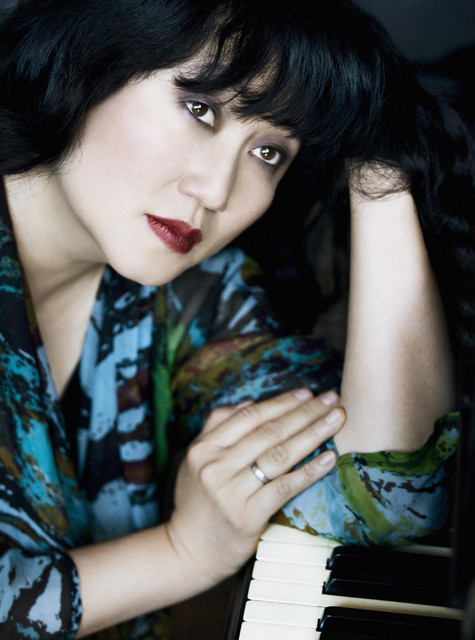
Wu Han
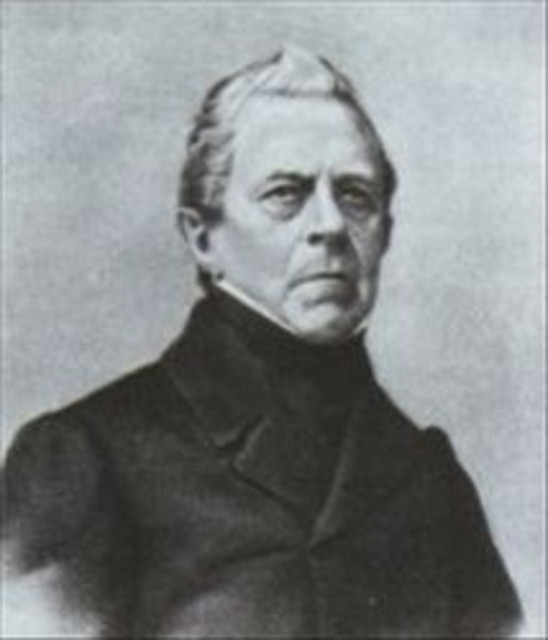
Franz Berwald
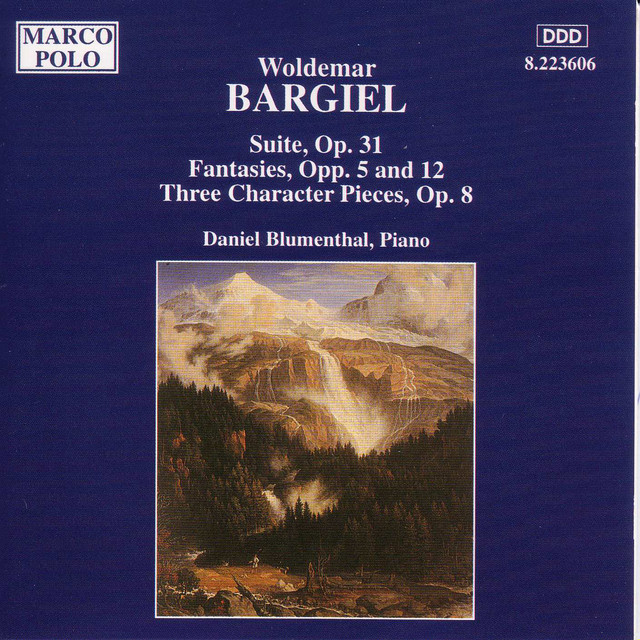
Woldemar Bargiel

Daniel Grimwood


Laura Netzel


The Australian Trio
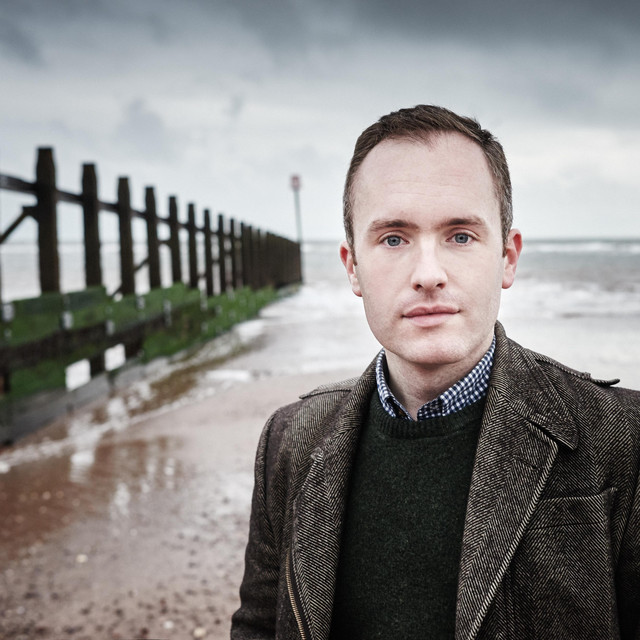
Simon Callaghan
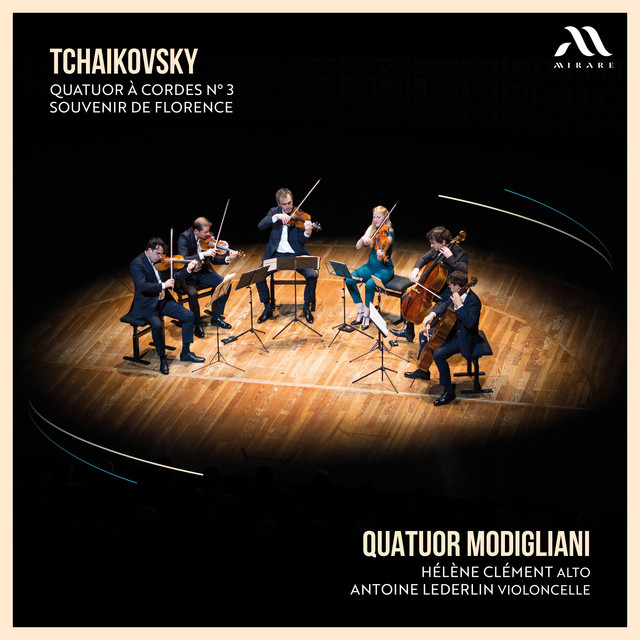
Antoine Lederlin
Andrey Baranov
Peter Laul
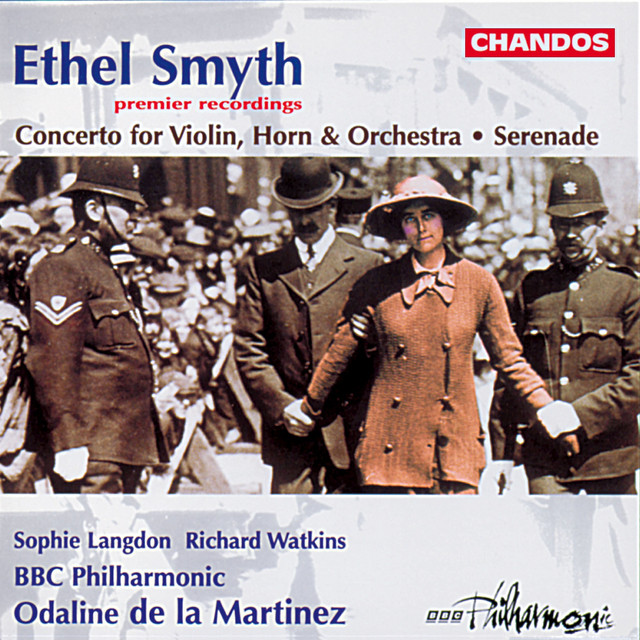
Sophie Langdon

Malcolm Binns

Alfredo Campoli
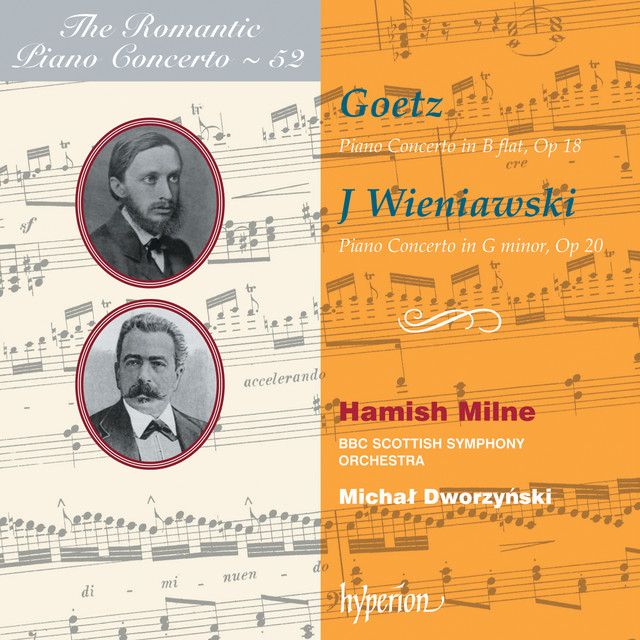
Hermann Goetz
Paul Cortese
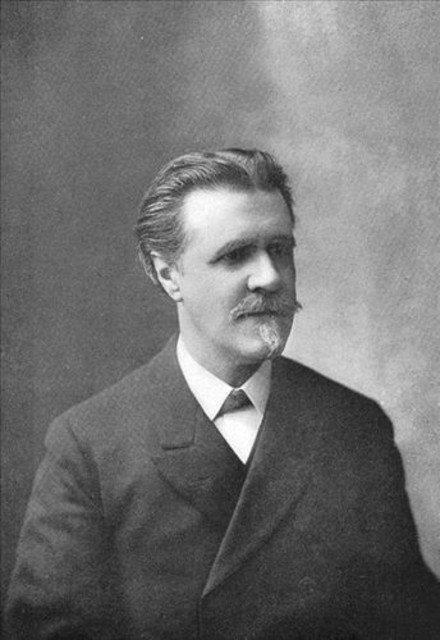
Rosanne Philippens

Denis Linnik
Hjalmar Borgstrøm
Thomas Blees

Wolfgang Manz
Joachim Raff


Julian Lawrence Gargiulo