Data may be outdated
Last updated: 9 months ago — Click refresh to get the latest statistics.
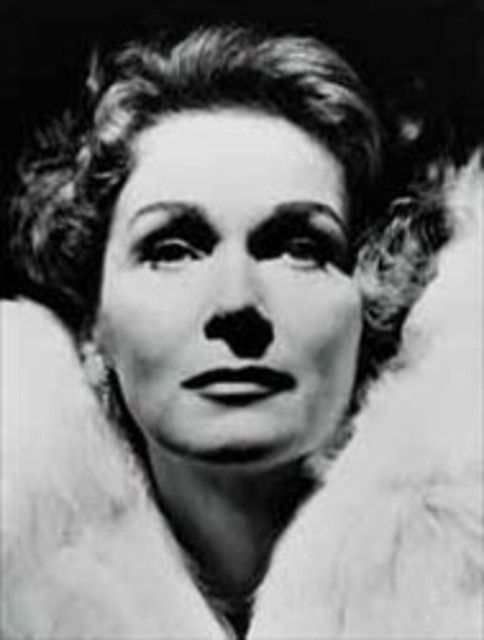
Although her career was tragically short, Kathleen Ferrier was among the most famous English singers of the twentieth century. Her contralto voice -- a rarity in itself -- was characterized by a firm, warm tone that found its expressive niche in the great works of oratorio and art song, as well as in her two operatic roles (only two!): Lucretia in <a href="spotify:artist:7MJ1pB5d6Vjmzep2zQlorn">Britten</a>'s The Rape of Lucretia and Orfeo in <a href="spotify:artist:7vfydQ0nVBVgJ0ajs8EtRM">Gluck</a>'s Orfeo ed Euridice.
Born in Lancashire on April 22, 1912, Ferrier studied the piano with great success as a child and intended a concert career; her concurrent vocal studies were considered more recreational in nature. In her mid-20s, however, after taking two first prizes at the 1937 Carlisle Festival -- one for piano and one for singing -- she made the decision to pursue singing as her vocation. She studied with J.E. Hutchinson in Newcastle upon Tyne, then with Roy Henderson in London.
During the years of WWII Ferrier toured widely in England, gaining a reputation as an especially fine concert artist. She joined the <a href="spotify:artist:7aBHoHldT814X9KS3cXIoM">Bach Choir</a> in London, and was alto soloist for a 1943 performance of <a href="spotify:artist:1QL7yTHrdahRMpvNtn6rI2">Handel</a>'s Messiah at Westminster Abbey. <a href="spotify:artist:7MJ1pB5d6Vjmzep2zQlorn">Benjamin Britten</a> first put her on the operatic stage at Glyndebourne on July 12, 1946, in the premiere of his chamber opera The Rape of Lucretia. She then toured with the work throughout England and appeared on an historic recording of major extracts from the work conducted by the composer. <a href="spotify:artist:7MJ1pB5d6Vjmzep2zQlorn">Britten</a> would later compose the alto part in his Canticle No. 2 for her.
She appeared in the United States for the first time in <a href="spotify:artist:2ANtgfhQkKpsW6EYSDqldz">Mahler</a>'s Das Lied von der Erde with the <a href="spotify:artist:3gacryguGmpmCvgPGt2CBI">New York Philharmonic</a> and <a href="spotify:artist:1p4YAX8Nh6LiW3uPd49oAR">Bruno Walter</a>; her subsequent recording of the work -- also under <a href="spotify:artist:1p4YAX8Nh6LiW3uPd49oAR">Walter</a>'s direction -- remains a classic. <a href="spotify:artist:1p4YAX8Nh6LiW3uPd49oAR">Walter</a> also appeared as her accompanist in lieder recitals in Edinburgh and London. Another of Ferrier's notable successes was the part of the Angel in <a href="spotify:artist:430byzy0c5bPn5opiu0SRd">Elgar</a>'s The Dream of Gerontius.
In February 1953, Covent Garden staged <a href="spotify:artist:7vfydQ0nVBVgJ0ajs8EtRM">Gluck</a>'s Orfeo ed Euridice specifically for Ferrier, who was deemed ideal for the part of Orpheus. However, she was able to appear in only two of the scheduled four performances because of weakness caused by her already advanced cancer. These were her last appearances; she died in London on October 8, 1953. Before she died she was made a Commander of the Order of the British Empire.
Born in Lancashire on April 22, 1912, Ferrier studied the piano with great success as a child and intended a concert career; her concurrent vocal studies were considered more recreational in nature. In her mid-20s, however, after taking two first prizes at the 1937 Carlisle Festival -- one for piano and one for singing -- she made the decision to pursue singing as her vocation. She studied with J.E. Hutchinson in Newcastle upon Tyne, then with Roy Henderson in London.
During the years of WWII Ferrier toured widely in England, gaining a reputation as an especially fine concert artist. She joined the <a href="spotify:artist:7aBHoHldT814X9KS3cXIoM">Bach Choir</a> in London, and was alto soloist for a 1943 performance of <a href="spotify:artist:1QL7yTHrdahRMpvNtn6rI2">Handel</a>'s Messiah at Westminster Abbey. <a href="spotify:artist:7MJ1pB5d6Vjmzep2zQlorn">Benjamin Britten</a> first put her on the operatic stage at Glyndebourne on July 12, 1946, in the premiere of his chamber opera The Rape of Lucretia. She then toured with the work throughout England and appeared on an historic recording of major extracts from the work conducted by the composer. <a href="spotify:artist:7MJ1pB5d6Vjmzep2zQlorn">Britten</a> would later compose the alto part in his Canticle No. 2 for her.
She appeared in the United States for the first time in <a href="spotify:artist:2ANtgfhQkKpsW6EYSDqldz">Mahler</a>'s Das Lied von der Erde with the <a href="spotify:artist:3gacryguGmpmCvgPGt2CBI">New York Philharmonic</a> and <a href="spotify:artist:1p4YAX8Nh6LiW3uPd49oAR">Bruno Walter</a>; her subsequent recording of the work -- also under <a href="spotify:artist:1p4YAX8Nh6LiW3uPd49oAR">Walter</a>'s direction -- remains a classic. <a href="spotify:artist:1p4YAX8Nh6LiW3uPd49oAR">Walter</a> also appeared as her accompanist in lieder recitals in Edinburgh and London. Another of Ferrier's notable successes was the part of the Angel in <a href="spotify:artist:430byzy0c5bPn5opiu0SRd">Elgar</a>'s The Dream of Gerontius.
In February 1953, Covent Garden staged <a href="spotify:artist:7vfydQ0nVBVgJ0ajs8EtRM">Gluck</a>'s Orfeo ed Euridice specifically for Ferrier, who was deemed ideal for the part of Orpheus. However, she was able to appear in only two of the scheduled four performances because of weakness caused by her already advanced cancer. These were her last appearances; she died in London on October 8, 1953. Before she died she was made a Commander of the Order of the British Empire.
Monthly Listeners
9,163
Monthly Listeners History
Track the evolution of monthly listeners over the last 28 days.
Followers
7,782
Followers History
Track the evolution of followers over the last 28 days.
Top Cities



Related Artists

Felicity Palmer


Benjamin Luxon

Graham Johnson
Eiddwen Harrhy
Catherine Patriasz

Camilla Tilling


Antonio Secchi
Ivor Gurney
Stuart Burrows
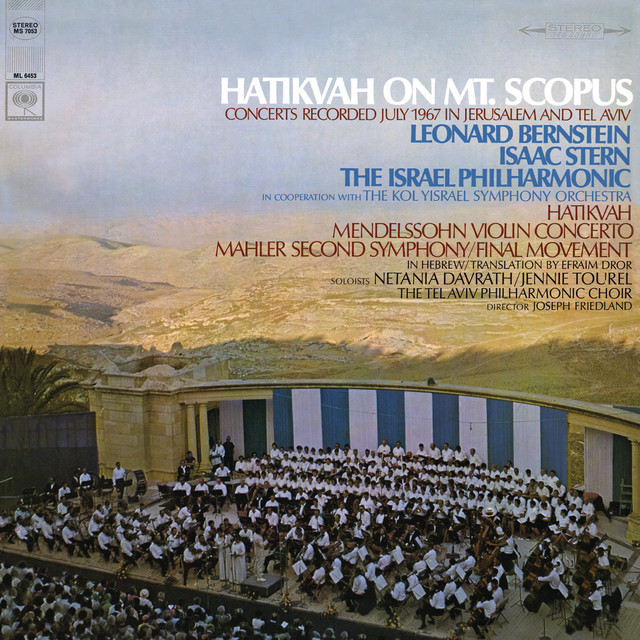
Netania Davrath
Robert Lloyd
Galina Vishnevskaya
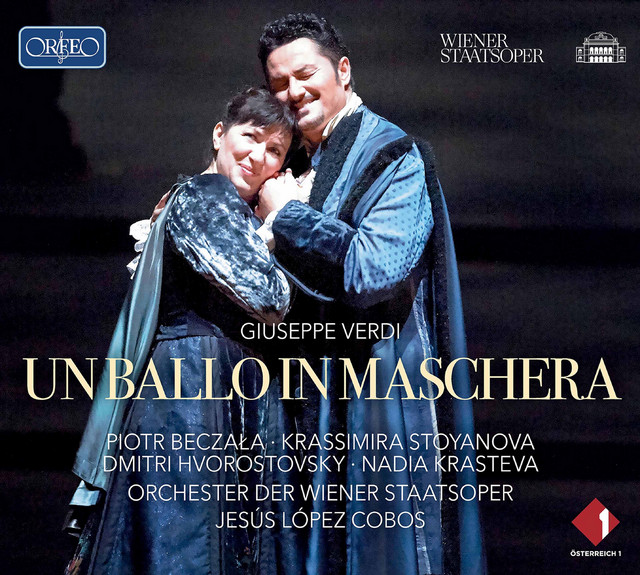
Krassimira Stoyanova
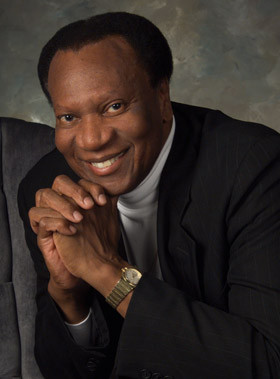
Simon Estes