Data may be outdated
Last updated: 9 months ago — Click refresh to get the latest statistics.
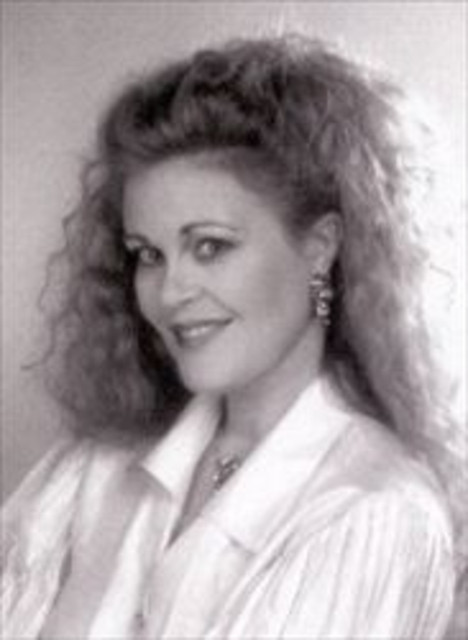
Victoria de los Ángeles was one of the 20th century's most prominent lyric sopranos, with unmatched strengths in Spanish opera and vocal music. Her talents extended far beyond these into major Italian repertory as well as French, German, and even English opera. De los Ángeles left behind a substantial recorded repertory that continued to command admirers even after the years after her death stretched into decades.
Victoria de los Ángeles López García was born in Barcelona, Spain, on November 1, 1923. Her birth name has been reported as Victoria Gómez Cima, but her foundation gives the name above. The accent mark on "Ángeles" is sometimes omitted in anglophone contexts. De los Ángeles' father was a custodian or caretaker at the University of Barcelona, where she was born in a campus building. De los Ángeles sang and played piano and guitar while still a young student. She entered the Barcelona Conservatory at 15, studying voice with Dolores Frau and guitar with Graciano Tarragó. She was also a member of the conservatory's Ars Musicae historical performance group, an unusual choice for an aspiring soprano at the time, and she retained a lifelong enthusiasm for Baroque and Renaissance music well before the music of these periods became popular among opera singers. De los Ángeles completed her six-year course of study at the Barcelona Conservatory in just three years, graduating with full honors at 18 in 1941. Prior to graduating that year, she made her debut in the lead role of Mimi in <a href="spotify:artist:0OzxPXyowUEQ532c9AmHUR">Puccini</a>'s La bohème at the Liceu Theater in Barcelona. She also made her debut at the prestigious Palau de la Música Catalana, presenting a song recital. In 1942, she made the first recordings in what became a 50-year recording career. De los Ángeles scored a breakthrough with a win at the Geneva International Singing Competition in 1947, leading to many bookings in Spain and elsewhere.
De los Ángeles appeared as Marguerite in <a href="spotify:artist:42Vmza0WYHdhsgxFmf9Tui">Charles Gounod</a>'s opera Faust in Paris in 1949 and reprised that role at the Metropolitan Opera in New York in her debut there in 1951. At Covent Garden in London, she sang Mimi in La bohème, and she remained closely associated with that role, but she was quite versatile and had the power to take on major German roles in <a href="spotify:artist:1p6wR69pnH9LBWZvwliuz2">Weber</a>'s Der Freischütz and <a href="spotify:artist:1C1x4MVkql8AiABuTw6DgE">Wagner</a>'s Lohengrin and Tannhäuser. De los Ángeles appeared under the batons of many of the leading opera conductors of the 20th century, including <a href="spotify:artist:5zCaQxjl110XTrm4LQ1CxY">Herbert von Karajan</a>, <a href="spotify:artist:0dicUFoK5LIbqu6OoHu8VH">Georg Solti</a>, and <a href="spotify:artist:04kScQiBaLpLuCR1rh20Dd">Thomas Beecham</a>. She appeared not only in major opera houses in Europe and the U.S. but also on tour across South Africa, the Middle East, Australia, East Asia, and Latin America, often performing at the Teatro Colón in Buenos Aires, Argentina. Her operatic repertory was large, encompassing operas as diverse as <a href="spotify:artist:2D7RkvtKKb6E5UmbjQM1Jd">Bizet</a>'s Carmen, <a href="spotify:artist:0roWUeP7Ac4yK4VN6L2gF4">Rossini</a>'s Il barbiere di Siviglia, <a href="spotify:artist:1QL7yTHrdahRMpvNtn6rI2">Handel</a>'s Acis and Galatea, <a href="spotify:artist:1Uff91EOsvd99rtAupatMP">Debussy</a>'s Pelléas et Mélisande, and <a href="spotify:artist:1C1x4MVkql8AiABuTw6DgE">Wagner</a>'s Die Meistersinger. In addition to opera, de los Ángeles was an accomplished recitalist with a command of German and French song repertory, Iberian folk melodies, and early music. De los Ángeles retired from the operatic stage in 1969 (she returned for one last hurrah as Carmen at Covent Garden in 1978) but continued to sing recitals as late as 1992, when she appeared at the Summer Olympic Games in Barcelona; observers reported that the purity of her voice was undiminished. De los Ángeles' recording catalog was vast, including more than 85 releases on the <a href="spotify:search:label%3A%22EMI%22">EMI</a> label alone. An early digital release on <a href="spotify:search:label%3A%22EMI%22">EMI</a> was a 1986 recording of Fauré's Requiem, Op. 48. De los Ángeles died on January 15, 2005, in Barcelona. Well over 30 de los Ángeles recordings have appeared since then, including four in the year 2023 alone; one of those was a reissue of a 1980 live de los Ángeles song recital with accompanist <a href="spotify:artist:0QjqcG7aDPrqJrEogqZu3w">Gerald Moore</a>, issued under the title Victoria de los Angeles in Concert. ~ James Manheim, Rovi
Victoria de los Ángeles López García was born in Barcelona, Spain, on November 1, 1923. Her birth name has been reported as Victoria Gómez Cima, but her foundation gives the name above. The accent mark on "Ángeles" is sometimes omitted in anglophone contexts. De los Ángeles' father was a custodian or caretaker at the University of Barcelona, where she was born in a campus building. De los Ángeles sang and played piano and guitar while still a young student. She entered the Barcelona Conservatory at 15, studying voice with Dolores Frau and guitar with Graciano Tarragó. She was also a member of the conservatory's Ars Musicae historical performance group, an unusual choice for an aspiring soprano at the time, and she retained a lifelong enthusiasm for Baroque and Renaissance music well before the music of these periods became popular among opera singers. De los Ángeles completed her six-year course of study at the Barcelona Conservatory in just three years, graduating with full honors at 18 in 1941. Prior to graduating that year, she made her debut in the lead role of Mimi in <a href="spotify:artist:0OzxPXyowUEQ532c9AmHUR">Puccini</a>'s La bohème at the Liceu Theater in Barcelona. She also made her debut at the prestigious Palau de la Música Catalana, presenting a song recital. In 1942, she made the first recordings in what became a 50-year recording career. De los Ángeles scored a breakthrough with a win at the Geneva International Singing Competition in 1947, leading to many bookings in Spain and elsewhere.
De los Ángeles appeared as Marguerite in <a href="spotify:artist:42Vmza0WYHdhsgxFmf9Tui">Charles Gounod</a>'s opera Faust in Paris in 1949 and reprised that role at the Metropolitan Opera in New York in her debut there in 1951. At Covent Garden in London, she sang Mimi in La bohème, and she remained closely associated with that role, but she was quite versatile and had the power to take on major German roles in <a href="spotify:artist:1p6wR69pnH9LBWZvwliuz2">Weber</a>'s Der Freischütz and <a href="spotify:artist:1C1x4MVkql8AiABuTw6DgE">Wagner</a>'s Lohengrin and Tannhäuser. De los Ángeles appeared under the batons of many of the leading opera conductors of the 20th century, including <a href="spotify:artist:5zCaQxjl110XTrm4LQ1CxY">Herbert von Karajan</a>, <a href="spotify:artist:0dicUFoK5LIbqu6OoHu8VH">Georg Solti</a>, and <a href="spotify:artist:04kScQiBaLpLuCR1rh20Dd">Thomas Beecham</a>. She appeared not only in major opera houses in Europe and the U.S. but also on tour across South Africa, the Middle East, Australia, East Asia, and Latin America, often performing at the Teatro Colón in Buenos Aires, Argentina. Her operatic repertory was large, encompassing operas as diverse as <a href="spotify:artist:2D7RkvtKKb6E5UmbjQM1Jd">Bizet</a>'s Carmen, <a href="spotify:artist:0roWUeP7Ac4yK4VN6L2gF4">Rossini</a>'s Il barbiere di Siviglia, <a href="spotify:artist:1QL7yTHrdahRMpvNtn6rI2">Handel</a>'s Acis and Galatea, <a href="spotify:artist:1Uff91EOsvd99rtAupatMP">Debussy</a>'s Pelléas et Mélisande, and <a href="spotify:artist:1C1x4MVkql8AiABuTw6DgE">Wagner</a>'s Die Meistersinger. In addition to opera, de los Ángeles was an accomplished recitalist with a command of German and French song repertory, Iberian folk melodies, and early music. De los Ángeles retired from the operatic stage in 1969 (she returned for one last hurrah as Carmen at Covent Garden in 1978) but continued to sing recitals as late as 1992, when she appeared at the Summer Olympic Games in Barcelona; observers reported that the purity of her voice was undiminished. De los Ángeles' recording catalog was vast, including more than 85 releases on the <a href="spotify:search:label%3A%22EMI%22">EMI</a> label alone. An early digital release on <a href="spotify:search:label%3A%22EMI%22">EMI</a> was a 1986 recording of Fauré's Requiem, Op. 48. De los Ángeles died on January 15, 2005, in Barcelona. Well over 30 de los Ángeles recordings have appeared since then, including four in the year 2023 alone; one of those was a reissue of a 1980 live de los Ángeles song recital with accompanist <a href="spotify:artist:0QjqcG7aDPrqJrEogqZu3w">Gerald Moore</a>, issued under the title Victoria de los Angeles in Concert. ~ James Manheim, Rovi
Monthly Listeners
44,994
Monthly Listeners History
Track the evolution of monthly listeners over the last 28 days.
Followers
13,388
Followers History
Track the evolution of followers over the last 28 days.
Top Cities
1,330 listeners

927 listeners

862 listeners
726 listeners

474 listeners

Related Artists




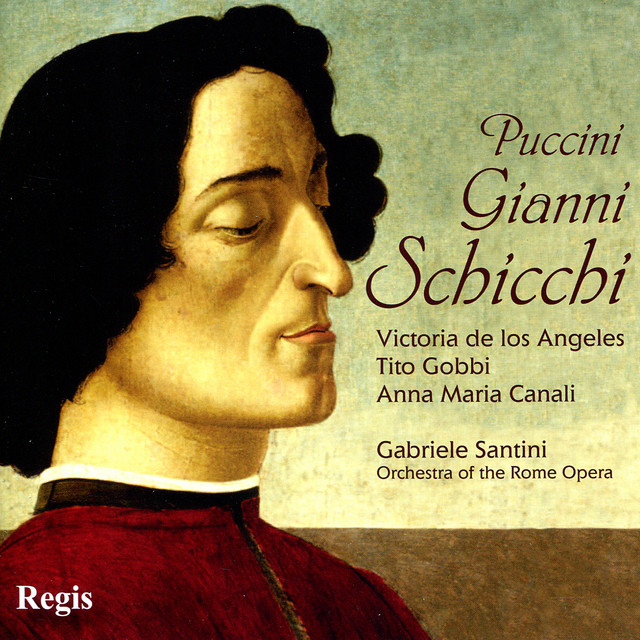
Anna Maria Canali
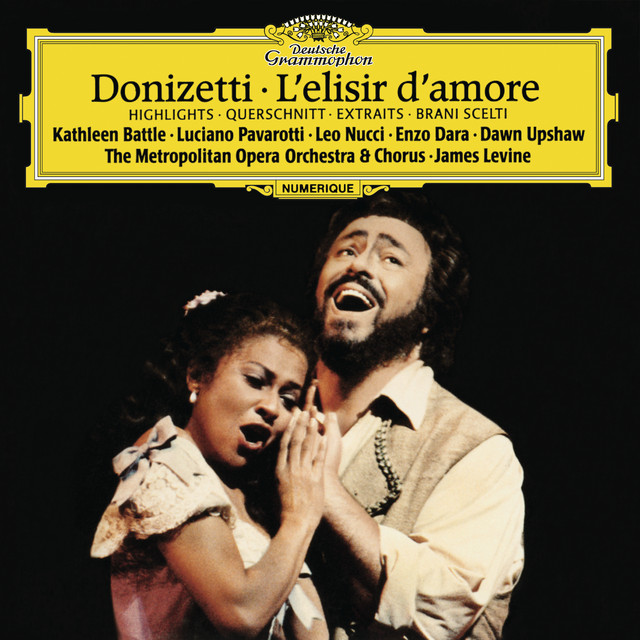
Metropolitan Opera Chorus
Coro del Maggio Musicale Fiorentino