Data may be outdated
Last updated: 9 months ago — Click refresh to get the latest statistics.
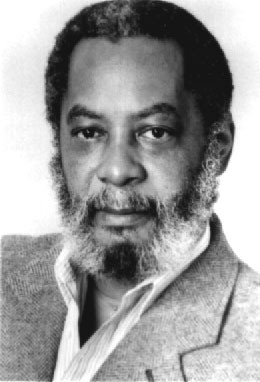
Kenny Clarke was a highly influential if subtle drummer who helped to define bebop drumming. He was the first to shift the time-keeping rhythm from the bass drum to the ride cymbal, an innovation that has been copied and utilized by a countless number of drummers since the early '40s.
Clarke played vibes, piano and trombone in addition to drums while in school. After stints with <a href="spotify:artist:4RvXA7BDgqNgGDjsSSJnPc">Roy Eldridge</a> (1935) and the Jeter-Pillars band, Clarke joined <a href="spotify:artist:7LuYKkS2JVhnt6x2HmwK2P">Edgar Hayes' Big Band</a> (1937-38). He made his recording debut with <a href="spotify:artist:7LuYKkS2JVhnt6x2HmwK2P">Hayes</a> (which is available on a Classics CD) and showed that he was one of the most swinging drummers of the era. A European tour with <a href="spotify:artist:7LuYKkS2JVhnt6x2HmwK2P">Hayes</a> gave Clarke an opportunity to lead his own session, but doubling on vibes was a definite mistake! Stints with the orchestras of <a href="spotify:artist:5c9tII5LKJPqotewcpsFcb">Claude Hopkins</a> (1939) and <a href="spotify:artist:6RcS0R1ApjQDjEnMMMeoVa">Teddy Hill</a> (1940-41) followed and then Clarke led the house band at Minton's Playhouse (which also included <a href="spotify:artist:4PDpGtF16XpqvXxsrFwQnN">Thelonious Monk</a>). The legendary after-hours sessions led to the formation of bop and it was during this time that Clarke modernized his style and received the nickname "Klook-Mop" (later shortened to "Klook") due to the irregular "bombs" he would play behind soloists. A flexible drummer, Clarke was still able to uplift the more traditional orchestras of <a href="spotify:artist:19eLuQmk9aCobbVDHc6eek">Louis Armstrong</a> and <a href="spotify:artist:5V0MlUE1Bft0mbLlND7FJz">Ella Fitzgerald</a> (1941) and the combos of <a href="spotify:artist:5dlCVmfRbWVGOJYHzGyk32">Benny Carter</a> (1941-42), <a href="spotify:artist:1kEniOVLhKw78gS0myngEf">Red Allen</a> and <a href="spotify:artist:0JM134st8VY7Ld9T2wQiH0">Coleman Hawkins</a>; he also recorded with <a href="spotify:artist:1RsmXc1ZqW3WBs9iwxiSwk">Sidney Bechet</a>. However after spending time in the military, Clarke stayed in the bop field, working with <a href="spotify:artist:5RzjqfPS0Bu4bUMkyNNDpn">Dizzy Gillespie's</a> big band and leading his own modern sessions; he co-wrote "Epistrophy" with <a href="spotify:artist:4PDpGtF16XpqvXxsrFwQnN">Monk</a> and "Salt Peanuts" with <a href="spotify:artist:5RzjqfPS0Bu4bUMkyNNDpn">Gillespie</a>. Clarke spent the late '40s in Europe, was with <a href="spotify:artist:6htazaFMy8zs0f3sMtM2Pt">Billy Eckstine</a> in the U.S. in 1951 and became an original member of <a href="spotify:artist:7wBFjZMHsC6nfV0HOSd6uI">the Modern Jazz Quartet</a> (1951-55). However he felt confined by the music and quit <a href="spotify:artist:7wBFjZMHsC6nfV0HOSd6uI">the MJQ</a> to freelance, performing on an enormous amount of records during 1955-56.
In 1956 Clarke moved to France where he did studio work, was hired by touring American all-stars and played with <a href="spotify:artist:570vCzcespB48HIQyTbDO6">Bud Powell</a> and <a href="spotify:artist:3DuKJapiJ2AUvoIJq1ZJFb">Oscar Pettiford</a> in a trio called the Three Bosses (1959-60). Clarke was co-leader with <a href="spotify:artist:1mavRaFvDnIEm1IWWLxoVO">Francy Boland</a> of a legendary all-star big band (1961-72), one that had Kenny Clarke playing second drums! Other than a few short visits home, Kenny Clarke worked in France for the remainder of his life and was a major figure on the European jazz scene. ~ Scott Yanow, Rovi
Clarke played vibes, piano and trombone in addition to drums while in school. After stints with <a href="spotify:artist:4RvXA7BDgqNgGDjsSSJnPc">Roy Eldridge</a> (1935) and the Jeter-Pillars band, Clarke joined <a href="spotify:artist:7LuYKkS2JVhnt6x2HmwK2P">Edgar Hayes' Big Band</a> (1937-38). He made his recording debut with <a href="spotify:artist:7LuYKkS2JVhnt6x2HmwK2P">Hayes</a> (which is available on a Classics CD) and showed that he was one of the most swinging drummers of the era. A European tour with <a href="spotify:artist:7LuYKkS2JVhnt6x2HmwK2P">Hayes</a> gave Clarke an opportunity to lead his own session, but doubling on vibes was a definite mistake! Stints with the orchestras of <a href="spotify:artist:5c9tII5LKJPqotewcpsFcb">Claude Hopkins</a> (1939) and <a href="spotify:artist:6RcS0R1ApjQDjEnMMMeoVa">Teddy Hill</a> (1940-41) followed and then Clarke led the house band at Minton's Playhouse (which also included <a href="spotify:artist:4PDpGtF16XpqvXxsrFwQnN">Thelonious Monk</a>). The legendary after-hours sessions led to the formation of bop and it was during this time that Clarke modernized his style and received the nickname "Klook-Mop" (later shortened to "Klook") due to the irregular "bombs" he would play behind soloists. A flexible drummer, Clarke was still able to uplift the more traditional orchestras of <a href="spotify:artist:19eLuQmk9aCobbVDHc6eek">Louis Armstrong</a> and <a href="spotify:artist:5V0MlUE1Bft0mbLlND7FJz">Ella Fitzgerald</a> (1941) and the combos of <a href="spotify:artist:5dlCVmfRbWVGOJYHzGyk32">Benny Carter</a> (1941-42), <a href="spotify:artist:1kEniOVLhKw78gS0myngEf">Red Allen</a> and <a href="spotify:artist:0JM134st8VY7Ld9T2wQiH0">Coleman Hawkins</a>; he also recorded with <a href="spotify:artist:1RsmXc1ZqW3WBs9iwxiSwk">Sidney Bechet</a>. However after spending time in the military, Clarke stayed in the bop field, working with <a href="spotify:artist:5RzjqfPS0Bu4bUMkyNNDpn">Dizzy Gillespie's</a> big band and leading his own modern sessions; he co-wrote "Epistrophy" with <a href="spotify:artist:4PDpGtF16XpqvXxsrFwQnN">Monk</a> and "Salt Peanuts" with <a href="spotify:artist:5RzjqfPS0Bu4bUMkyNNDpn">Gillespie</a>. Clarke spent the late '40s in Europe, was with <a href="spotify:artist:6htazaFMy8zs0f3sMtM2Pt">Billy Eckstine</a> in the U.S. in 1951 and became an original member of <a href="spotify:artist:7wBFjZMHsC6nfV0HOSd6uI">the Modern Jazz Quartet</a> (1951-55). However he felt confined by the music and quit <a href="spotify:artist:7wBFjZMHsC6nfV0HOSd6uI">the MJQ</a> to freelance, performing on an enormous amount of records during 1955-56.
In 1956 Clarke moved to France where he did studio work, was hired by touring American all-stars and played with <a href="spotify:artist:570vCzcespB48HIQyTbDO6">Bud Powell</a> and <a href="spotify:artist:3DuKJapiJ2AUvoIJq1ZJFb">Oscar Pettiford</a> in a trio called the Three Bosses (1959-60). Clarke was co-leader with <a href="spotify:artist:1mavRaFvDnIEm1IWWLxoVO">Francy Boland</a> of a legendary all-star big band (1961-72), one that had Kenny Clarke playing second drums! Other than a few short visits home, Kenny Clarke worked in France for the remainder of his life and was a major figure on the European jazz scene. ~ Scott Yanow, Rovi
Monthly Listeners
12,174
Monthly Listeners History
Track the evolution of monthly listeners over the last 28 days.
Followers
14,546
Followers History
Track the evolution of followers over the last 28 days.
Top Cities
175 listeners

124 listeners
116 listeners

112 listeners
112 listeners
Related Artists

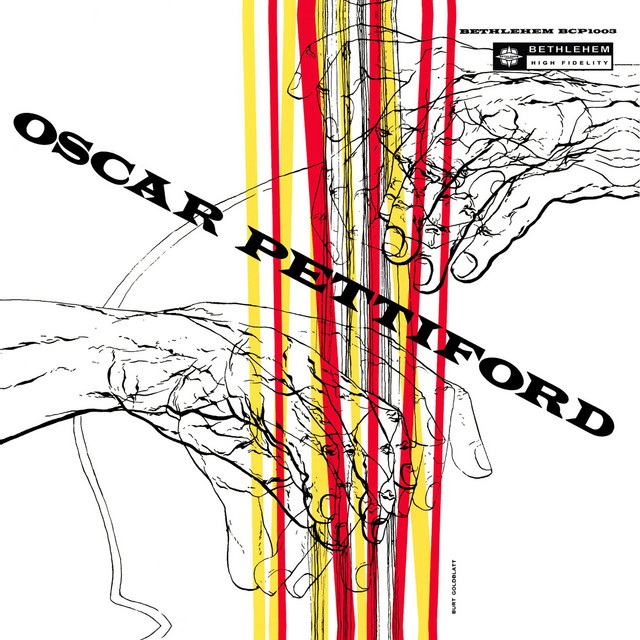



Howard McGhee

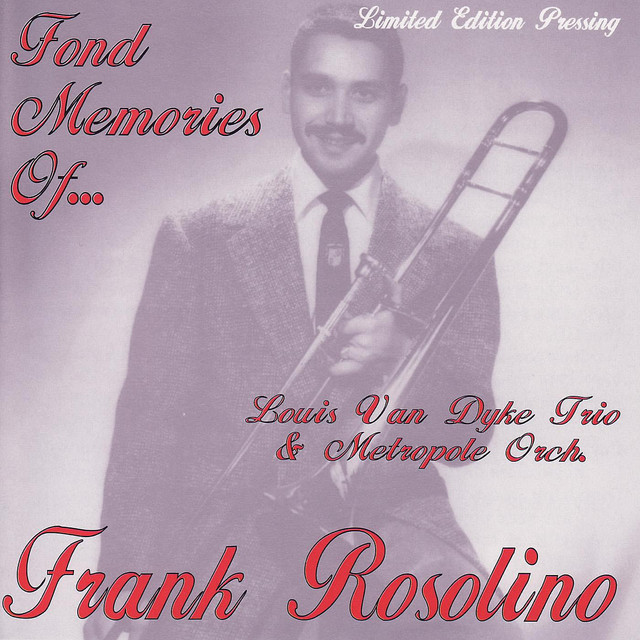
Frank Rosolino