Data may be outdated
Last updated: 9 months ago — Click refresh to get the latest statistics.
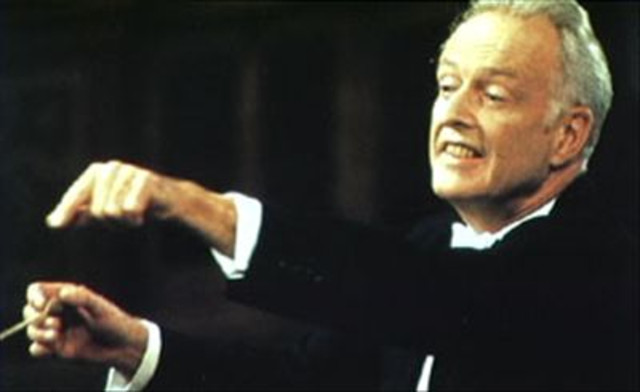
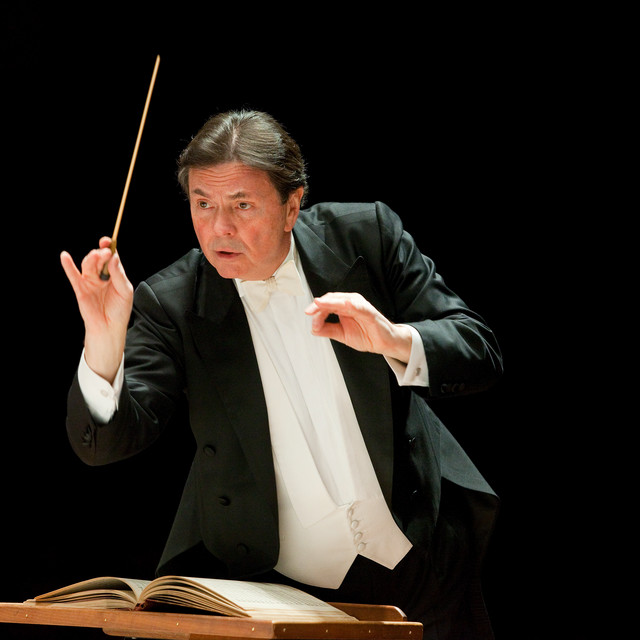
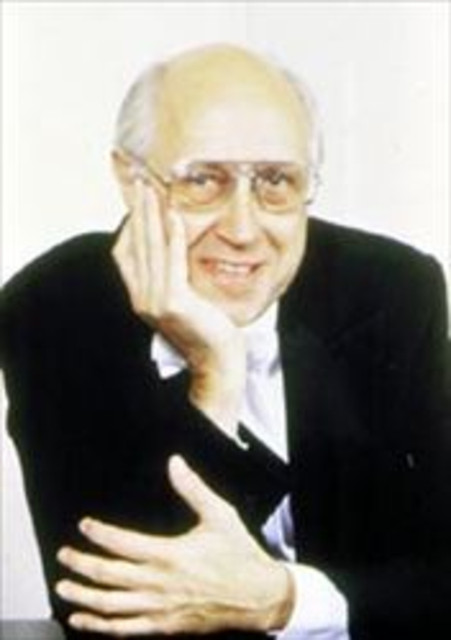
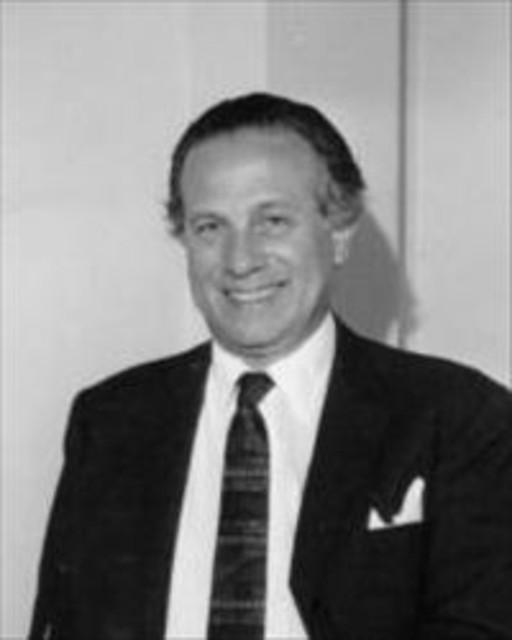
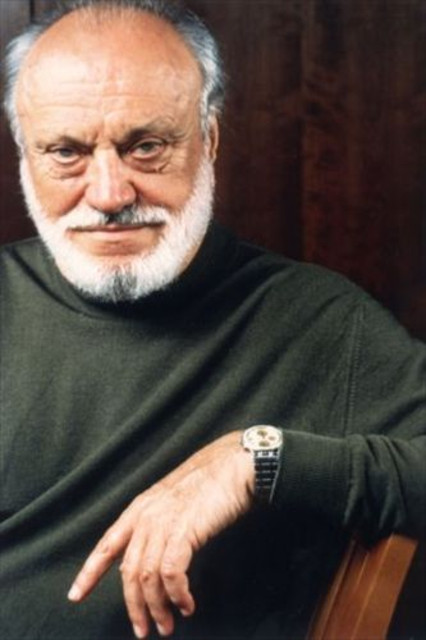
Even though he spent much of his career behind the Iron Curtain in Communist East Germany, conductor Kurt Masur was one of the most respected conductors of the 20th century and was recognized internationally. The longtime conductor of the <a href="spotify:artist:0SlNRZ8zBLAgyB1lsoYxAa">Gewandhaus Orchestra of Leipzig</a>, he conducted the <a href="spotify:artist:3gacryguGmpmCvgPGt2CBI">New York Philharmonic</a> and the <a href="spotify:artist:3PfJE6ebCbCHeuqO4BfNeA">London Philharmonic</a> in later life and was acclaimed for his work with both. Masur's recording catalog is vast, and his performances began to appear in the West even before German reunification. His recordings continued to appear in reissues well after his death; a 1971 recording of Mendelssohn's 12 Jugendsinfonien was issued by the <a href="spotify:search:label%3A%22Berlin+Classics%22">Berlin Classics</a> label in 2023.
Masur was born on July 18, 1927, in Brieg in the German province of Lower Silesia (now Brzeg, Poland). Masur's father was an electrical engineer, and Masur completed an engineer's apprenticeship and went to work for his father. However, he also loved music and took piano lessons as a teen from Katharina Hartmann, and studied piano and cello at the University of Breslau (now the University of Wrocław, Poland). Masur was active as a paratrooper with the German army during World War II, and of his 150-man unit, only 27 survived. After the war, he enrolled at the Hochschule für Musik und Theater Felix Mendelssohn Bartholdy in Leipzig, remaining there for several years but dropping out at 21 when he got a job as a répétiteur (rehearsal coach) at what is now the Halle Opera House. Masur's rise through the conducting ranks in the 1950s followed the old Kapellmeister model at first; he held that position with the Stadttheater Erfurt from 1951 to 1953 and then the same post with the Leipzig Opera Theater from 1953 to 1955. In 1955, he became the conductor of the <a href="spotify:artist:03C9IJtseK0NX9zw53URjF">Dresden Philharmonic</a>; he returned to operatic posts at the State Theater of Mecklenburg and then the Komische Oper Berlin before returning to the <a href="spotify:artist:03C9IJtseK0NX9zw53URjF">Dresden Philharmonic</a> from 1967 to 1972.
In 1970, Masur assumed the position for which he would become best known, that of Gewandhauskapellmeister of Leipzig, or conductor and artistic director of the <a href="spotify:artist:0SlNRZ8zBLAgyB1lsoYxAa">Gewandhaus Orchestra of Leipzig</a>. This was the most prestigious ensemble in the former East Germany, with a long history dating back to its founder and first conductor, <a href="spotify:artist:6MF58APd3YV72Ln2eVg710">Felix Mendelssohn</a>. Masur remained the orchestra's conductor until 1991, making many recordings with the group; an early one, issued in 1974, featured <a href="spotify:artist:6MF58APd3YV72Ln2eVg710">Mendelssohn</a>'s cantata Die erste Walpurgisnacht, Op. 60. Some of Masur's albums were issued only in the Communist world, but as his popularity grew, he was allowed to perform in the West, and his albums were sold there. He conducted the <a href="spotify:artist:0jJszR81GjA87jeRq0Jgwz">Cleveland Orchestra</a> in 1974 and took the <a href="spotify:artist:0SlNRZ8zBLAgyB1lsoYxAa">Gewandhaus Orchestra</a> on a U.S. tour that year. In 1981, he made his debut with the <a href="spotify:artist:3gacryguGmpmCvgPGt2CBI">New York Philharmonic</a>. In the last days of East Germany's Communist regime, Masur was widely noted for his activities in support of human rights.
In 1991, he was named music director of the <a href="spotify:artist:3gacryguGmpmCvgPGt2CBI">New York Philharmonic</a>, succeeding the modernist <a href="spotify:artist:2prZJWfQMnIgwUKxKcBxH7">Pierre Boulez</a> and the experimentally oriented <a href="spotify:artist:3FEd0qHPFOgcpfw7bCXB4x">Zubin Mehta</a>. Masur, with a focus on middle-of-the-road German and Russian repertory, was credited with sharpening the orchestra's sound over his 11 years at the helm. In 1991 alone, he released ten albums, many of them on the <a href="spotify:search:label%3A%22Teldec%22">Teldec</a> label; some featured the <a href="spotify:artist:0SlNRZ8zBLAgyB1lsoYxAa">Gewandhaus Orchestra</a> and others the <a href="spotify:artist:3gacryguGmpmCvgPGt2CBI">New York Philharmonic</a>. Masur held positions as music director of the <a href="spotify:artist:3PfJE6ebCbCHeuqO4BfNeA">London Philharmonic</a> from 2000 to 2007 and of the <a href="spotify:artist:5UFYrc7bnGpaojNag3Bv8M">Orchestre National de France</a> from 2002 to 2008. He maintained a busy schedule of guest appearances but revealed in 2012 that he was suffering from Parkinson's disease. Masur died on December 19, 2015, in Greenwich, Connecticut. His recording catalog, with Beethoven the most common composer but also including such novelties as a performance of Gershwin's Rhapsody in Blue with the <a href="spotify:artist:0SlNRZ8zBLAgyB1lsoYxAa">Gewandhaus Orchestra</a>, numbered some 300 releases; by the mid-2020s, the flow of reissues of his music had hardly slowed. Masur was honored with a "Google Doodle" on the anniversary of his birth in 2018. ~ James Manheim, Rovi
Masur was born on July 18, 1927, in Brieg in the German province of Lower Silesia (now Brzeg, Poland). Masur's father was an electrical engineer, and Masur completed an engineer's apprenticeship and went to work for his father. However, he also loved music and took piano lessons as a teen from Katharina Hartmann, and studied piano and cello at the University of Breslau (now the University of Wrocław, Poland). Masur was active as a paratrooper with the German army during World War II, and of his 150-man unit, only 27 survived. After the war, he enrolled at the Hochschule für Musik und Theater Felix Mendelssohn Bartholdy in Leipzig, remaining there for several years but dropping out at 21 when he got a job as a répétiteur (rehearsal coach) at what is now the Halle Opera House. Masur's rise through the conducting ranks in the 1950s followed the old Kapellmeister model at first; he held that position with the Stadttheater Erfurt from 1951 to 1953 and then the same post with the Leipzig Opera Theater from 1953 to 1955. In 1955, he became the conductor of the <a href="spotify:artist:03C9IJtseK0NX9zw53URjF">Dresden Philharmonic</a>; he returned to operatic posts at the State Theater of Mecklenburg and then the Komische Oper Berlin before returning to the <a href="spotify:artist:03C9IJtseK0NX9zw53URjF">Dresden Philharmonic</a> from 1967 to 1972.
In 1970, Masur assumed the position for which he would become best known, that of Gewandhauskapellmeister of Leipzig, or conductor and artistic director of the <a href="spotify:artist:0SlNRZ8zBLAgyB1lsoYxAa">Gewandhaus Orchestra of Leipzig</a>. This was the most prestigious ensemble in the former East Germany, with a long history dating back to its founder and first conductor, <a href="spotify:artist:6MF58APd3YV72Ln2eVg710">Felix Mendelssohn</a>. Masur remained the orchestra's conductor until 1991, making many recordings with the group; an early one, issued in 1974, featured <a href="spotify:artist:6MF58APd3YV72Ln2eVg710">Mendelssohn</a>'s cantata Die erste Walpurgisnacht, Op. 60. Some of Masur's albums were issued only in the Communist world, but as his popularity grew, he was allowed to perform in the West, and his albums were sold there. He conducted the <a href="spotify:artist:0jJszR81GjA87jeRq0Jgwz">Cleveland Orchestra</a> in 1974 and took the <a href="spotify:artist:0SlNRZ8zBLAgyB1lsoYxAa">Gewandhaus Orchestra</a> on a U.S. tour that year. In 1981, he made his debut with the <a href="spotify:artist:3gacryguGmpmCvgPGt2CBI">New York Philharmonic</a>. In the last days of East Germany's Communist regime, Masur was widely noted for his activities in support of human rights.
In 1991, he was named music director of the <a href="spotify:artist:3gacryguGmpmCvgPGt2CBI">New York Philharmonic</a>, succeeding the modernist <a href="spotify:artist:2prZJWfQMnIgwUKxKcBxH7">Pierre Boulez</a> and the experimentally oriented <a href="spotify:artist:3FEd0qHPFOgcpfw7bCXB4x">Zubin Mehta</a>. Masur, with a focus on middle-of-the-road German and Russian repertory, was credited with sharpening the orchestra's sound over his 11 years at the helm. In 1991 alone, he released ten albums, many of them on the <a href="spotify:search:label%3A%22Teldec%22">Teldec</a> label; some featured the <a href="spotify:artist:0SlNRZ8zBLAgyB1lsoYxAa">Gewandhaus Orchestra</a> and others the <a href="spotify:artist:3gacryguGmpmCvgPGt2CBI">New York Philharmonic</a>. Masur held positions as music director of the <a href="spotify:artist:3PfJE6ebCbCHeuqO4BfNeA">London Philharmonic</a> from 2000 to 2007 and of the <a href="spotify:artist:5UFYrc7bnGpaojNag3Bv8M">Orchestre National de France</a> from 2002 to 2008. He maintained a busy schedule of guest appearances but revealed in 2012 that he was suffering from Parkinson's disease. Masur died on December 19, 2015, in Greenwich, Connecticut. His recording catalog, with Beethoven the most common composer but also including such novelties as a performance of Gershwin's Rhapsody in Blue with the <a href="spotify:artist:0SlNRZ8zBLAgyB1lsoYxAa">Gewandhaus Orchestra</a>, numbered some 300 releases; by the mid-2020s, the flow of reissues of his music had hardly slowed. Masur was honored with a "Google Doodle" on the anniversary of his birth in 2018. ~ James Manheim, Rovi
Monthly Listeners
235,377
Monthly Listeners History
Track the evolution of monthly listeners over the last 28 days.
Followers
7,131
Followers History
Track the evolution of followers over the last 28 days.
Top Cities
5,122 listeners

3,708 listeners

3,227 listeners

2,869 listeners

2,322 listeners