Data may be outdated
Last updated: 9 months ago — Click refresh to get the latest statistics.
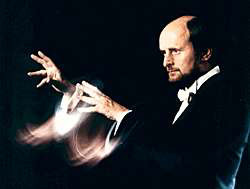
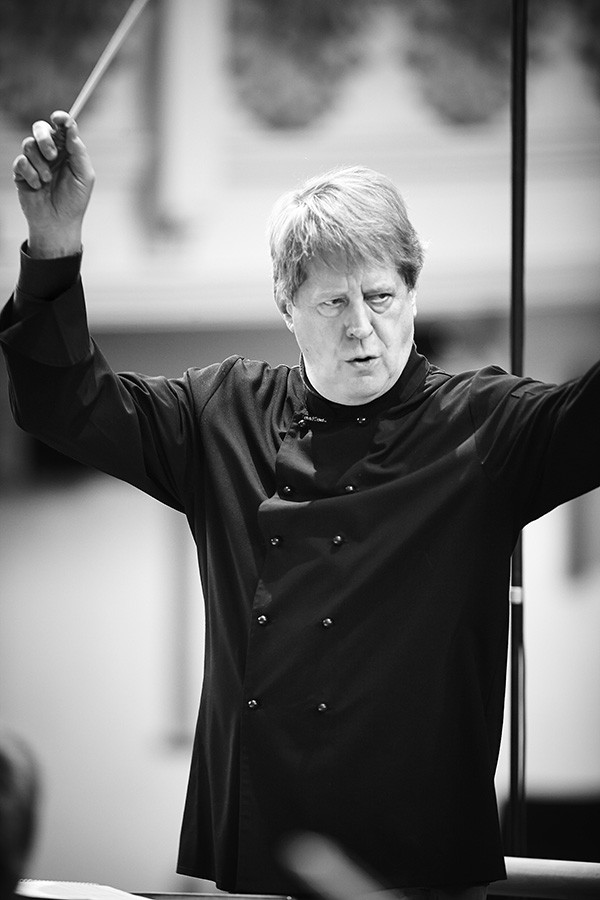
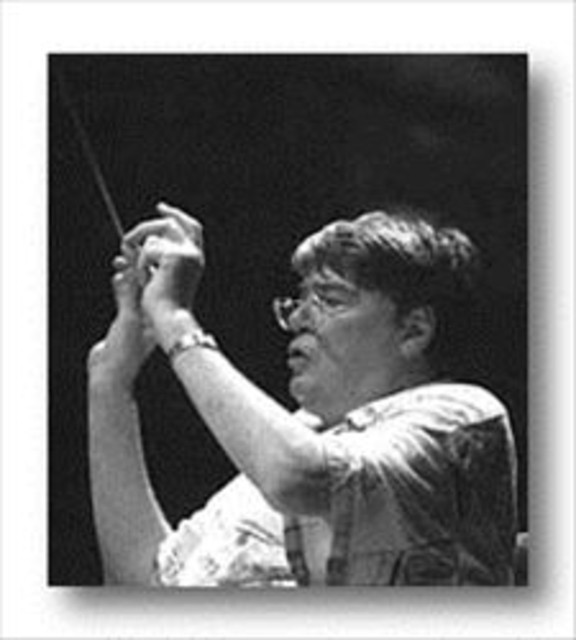
As a featured guest conductor in nearly every major orchestra hall and opera house throughout the world, even Jeffrey Tate himself expressed astonishment at his own career. For, in a way much different than today's sometimes rather self-absorbed, globetrotting, jet-set conductors, Tate shone as a conductor who, having overcome serious adversity, accomplished what he did out of pure love for music and nothing else.
Tate's struggles began in his childhood, when he was diagnosed with a neurological disorder known as spina bifida. Although he had to endure long hospital stays, doctors were eventually able to help Tate learn to walk with a cane (although he sat while conducting). He was able to overcome his health problems in order to study medicine at the University of Cambridge, becoming a doctor in 1969: an acknowledgement to the profession that saved and helped enhance his life.
A talented pianist as a child, Tate was often featured in the hospital where he received treatments. Nevertheless, his multifaceted interests (which, in addition to music and medicine also included reading, cooking, and church-crawling) made Tate a musical late-bloomer. In his later years, as Tate eventually became more focused on music, he was invited to join the Royal Opera House as a repetiteur; it was in London that he began to learn from the master conductors of the day, including the company's conductor, <a href="spotify:artist:0dicUFoK5LIbqu6OoHu8VH">Georg Solti</a>. He later worked as an assistant to <a href="spotify:artist:5zCaQxjl110XTrm4LQ1CxY">Herbert von Karajan</a> in Salzburg, <a href="spotify:artist:2prZJWfQMnIgwUKxKcBxH7">Pierre Boulez</a> in Bayreuth, and <a href="spotify:artist:4qFQgEF1rg6a9WvJM0MQIa">James Levine</a> at the Metropolitan Opera. In 1978, at age 35, Tate made a highly successful professional conducting debut with the Gothenburg Opera conducting <a href="spotify:artist:2D7RkvtKKb6E5UmbjQM1Jd">Bizet</a>'s Carmen. Following on the heels of his Swedish success, he created a sensation by filling in for <a href="spotify:artist:4qFQgEF1rg6a9WvJM0MQIa">James Levine</a> conducting <a href="spotify:artist:60ju8DuNEmkdLw3ymddLje">Berg</a>'s massively difficult opera Lulu in 1980.
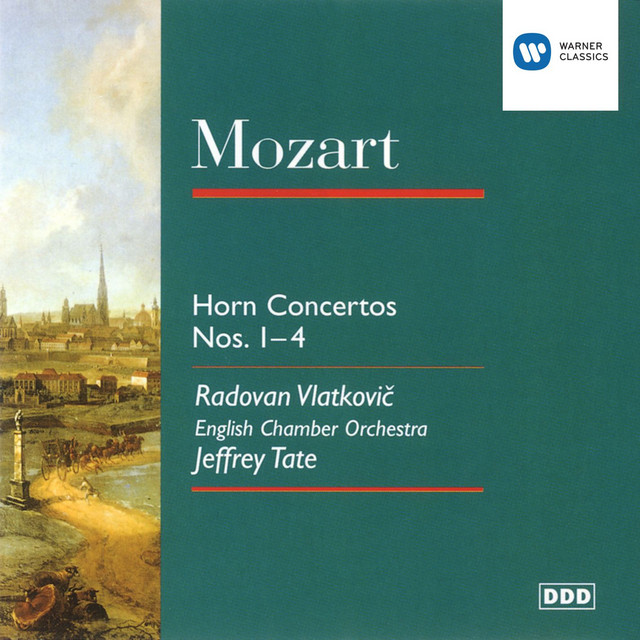
Appointed principal guest conductor of the <a href="spotify:artist:2DO4p3CPDnInsJfg0jFfaF">English Chamber Orchestra</a> in 1985, Tate completed a number of highly praised recordings of modern-day instrument versions of <a href="spotify:artist:656RXuyw7CE0dtjdPgjJV6">Haydn</a> and <a href="spotify:artist:4NJhFmfw43RLBLjQvxDuRS">Mozart</a> released on <a href="spotify:search:label%3A%22EMI+Classics%22">EMI Classics</a>. In the wake of conductor <a href="spotify:artist:5ziy4z9DC3awHQGEjfHZQb">Gary Bertini</a>'s death, Tate was promoted from principal conductor to music director of the Theatre San Carlo of Naples (2005). An earlier performance of <a href="spotify:artist:7mBhwof0k7DfGf6AqrbH4A">Humperdinck</a>'s opera Die Königskinder there garnered critical acclaim and won him the Franco Abbiati prize (2002). His performances of <a href="spotify:artist:1C1x4MVkql8AiABuTw6DgE">Wagner</a>'s Ring, in both Paris and Australia, received extraordinarily high acclaim and generated significant box office revenue. In 2005, he was appointed music director of the Theatre San Carlo of Naples.
The highest honors from both the French and British government were bestowed upon Tate, including the Chevalier de la Légion d'honneur, Chevalier des Arts et des Lettres, and Commander of the British Empire (CBE). Beginning in 1989, Tate also served as director of the Association for Spina Bifida and Hydrocephalus. Jeffrey Tate died from a heart attack in June 2017; he was 74 years old.
Tate's struggles began in his childhood, when he was diagnosed with a neurological disorder known as spina bifida. Although he had to endure long hospital stays, doctors were eventually able to help Tate learn to walk with a cane (although he sat while conducting). He was able to overcome his health problems in order to study medicine at the University of Cambridge, becoming a doctor in 1969: an acknowledgement to the profession that saved and helped enhance his life.
A talented pianist as a child, Tate was often featured in the hospital where he received treatments. Nevertheless, his multifaceted interests (which, in addition to music and medicine also included reading, cooking, and church-crawling) made Tate a musical late-bloomer. In his later years, as Tate eventually became more focused on music, he was invited to join the Royal Opera House as a repetiteur; it was in London that he began to learn from the master conductors of the day, including the company's conductor, <a href="spotify:artist:0dicUFoK5LIbqu6OoHu8VH">Georg Solti</a>. He later worked as an assistant to <a href="spotify:artist:5zCaQxjl110XTrm4LQ1CxY">Herbert von Karajan</a> in Salzburg, <a href="spotify:artist:2prZJWfQMnIgwUKxKcBxH7">Pierre Boulez</a> in Bayreuth, and <a href="spotify:artist:4qFQgEF1rg6a9WvJM0MQIa">James Levine</a> at the Metropolitan Opera. In 1978, at age 35, Tate made a highly successful professional conducting debut with the Gothenburg Opera conducting <a href="spotify:artist:2D7RkvtKKb6E5UmbjQM1Jd">Bizet</a>'s Carmen. Following on the heels of his Swedish success, he created a sensation by filling in for <a href="spotify:artist:4qFQgEF1rg6a9WvJM0MQIa">James Levine</a> conducting <a href="spotify:artist:60ju8DuNEmkdLw3ymddLje">Berg</a>'s massively difficult opera Lulu in 1980.
Appointed principal guest conductor of the <a href="spotify:artist:2DO4p3CPDnInsJfg0jFfaF">English Chamber Orchestra</a> in 1985, Tate completed a number of highly praised recordings of modern-day instrument versions of <a href="spotify:artist:656RXuyw7CE0dtjdPgjJV6">Haydn</a> and <a href="spotify:artist:4NJhFmfw43RLBLjQvxDuRS">Mozart</a> released on <a href="spotify:search:label%3A%22EMI+Classics%22">EMI Classics</a>. In the wake of conductor <a href="spotify:artist:5ziy4z9DC3awHQGEjfHZQb">Gary Bertini</a>'s death, Tate was promoted from principal conductor to music director of the Theatre San Carlo of Naples (2005). An earlier performance of <a href="spotify:artist:7mBhwof0k7DfGf6AqrbH4A">Humperdinck</a>'s opera Die Königskinder there garnered critical acclaim and won him the Franco Abbiati prize (2002). His performances of <a href="spotify:artist:1C1x4MVkql8AiABuTw6DgE">Wagner</a>'s Ring, in both Paris and Australia, received extraordinarily high acclaim and generated significant box office revenue. In 2005, he was appointed music director of the Theatre San Carlo of Naples.
The highest honors from both the French and British government were bestowed upon Tate, including the Chevalier de la Légion d'honneur, Chevalier des Arts et des Lettres, and Commander of the British Empire (CBE). Beginning in 1989, Tate also served as director of the Association for Spina Bifida and Hydrocephalus. Jeffrey Tate died from a heart attack in June 2017; he was 74 years old.
Monthly Listeners
412,254
Monthly Listeners History
Track the evolution of monthly listeners over the last 28 days.
Followers
3,357
Followers History
Track the evolution of followers over the last 28 days.
Top Cities
7,822 listeners

6,739 listeners

4,757 listeners

4,286 listeners

3,859 listeners