Data may be outdated
Last updated: 2 months ago — Click refresh to get the latest statistics.
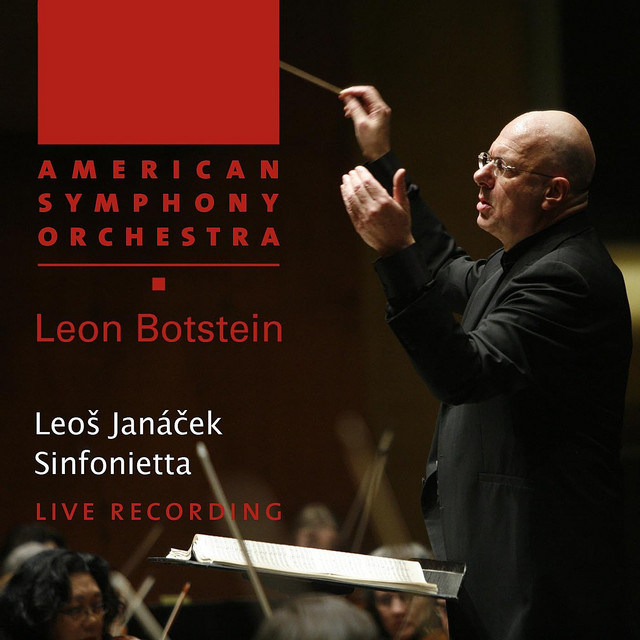
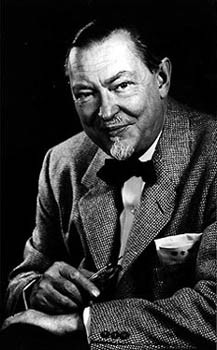
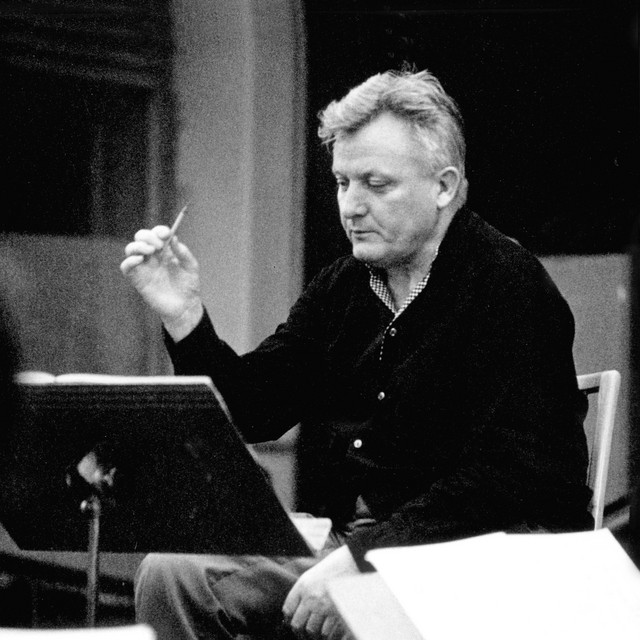
Botstein was born on December 14, 1946, in Zurich, Switzerland. His parents were both Polish physicians of Jewish background, and they moved to New York when Botstein was two. Botstein earned a bachelor's degree from the University of Chicago, majoring in history and philosophy but also serving as concertmaster and assistant conductor of the university orchestra. He moved on to Harvard for graduate studies, earning a history degree but also conducting the Doctors' Orchestra of Boston and the Harvard Radcliffe Orchestra. In 1970, he was appointed president of New Hampshire's Franconia College; at 23, he was the youngest college president in history. There, he founded the White Mountain Music Festival, which continues today in a modified form.
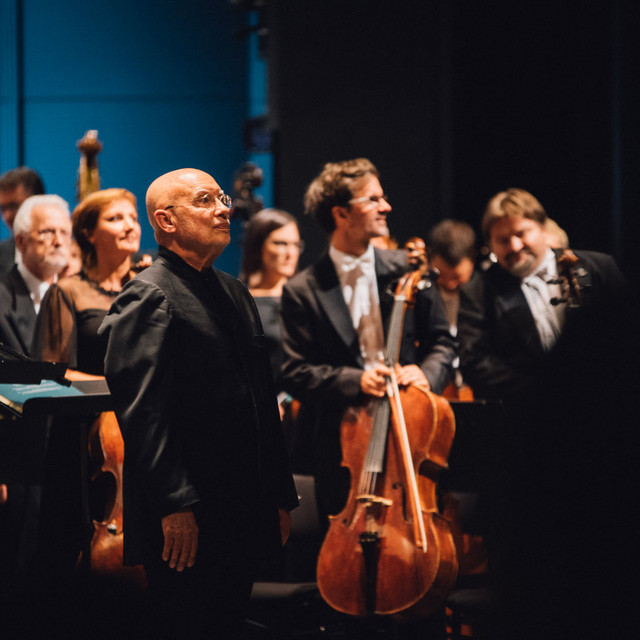
In 1975, Botstein assumed the presidency of Bard College in New York's Hudson River Valley; he remained in that position as of 2024. There, he founded the Bard Music Festival, which focuses each year on the works of a single composer and entails the publication of musicological research in addition to performances. For a time, his work had a broad academic orientation, but after the death of his young daughter, he returned to music. He took conducting lessons with <a href="spotify:artist:3ZQrPwhrTUlTV1tlN1S0ot">Harold Farberman</a> and became the principal conductor of the Hudson Valley Philharmonic and, in 1992, the <a href="spotify:artist:189I14HgoKkmB02CoEN2po">American Symphony Orchestra</a> in Washington. The same year, he was named the editor of The Musical Quarterly, one of the leading musicology periodicals in the U.S. In 1993, Botstein made his recording debut on the <a href="spotify:search:label%3A%22Vanguard+Classics%22">Vanguard Classics</a> label with an album featuring the rare original version of Brahms' Serenade No. 1 in D major, Op. 11. At Bard, Botstein founded The Orchestra Now, which he has often conducted; he remained active with that group as of the mid-2020s. In 2003, he became the music director of the Jerusalem Symphony Orchestra; he remains the group's conductor laureate. Botstein has guest conducted the <a href="spotify:artist:3PfJE6ebCbCHeuqO4BfNeA">London Philharmonic</a>, the <a href="spotify:artist:09KZU0NsS7jRa5p0SflmGY">Philharmonia Orchestra</a>, the <a href="spotify:artist:2rRUfv2w535SEUV1YO5SP6">Mariinsky Theatre Orchestra</a>, and many other groups.
Botstein has made more than 25 recordings with various groups on the <a href="spotify:search:label%3A%22Telarc%22">Telarc</a>, <a href="spotify:search:label%3A%22Hyperion%22">Hyperion</a>, and <a href="spotify:search:label%3A%22Bridge%22">Bridge</a> labels, as well as many others. Many have been devoted to lesser-known composers and works. In 2022, for the <a href="spotify:search:label%3A%22Bridge%22">Bridge</a> label, he led The Orchestra Now on the album Classics of American Romanticism, featuring works by <a href="spotify:artist:0ygfAJMZ7fTt5hSILs9jUU">George Frederick Bristow</a> and <a href="spotify:artist:3IBZSSjETzrNAx2Ws5Z97c">William Henry Fry</a>. The year 2024 saw a pair of releases by Botstein and The Orchestra Now, The Lost Generation: Apostel, Kauder, Busch, and Exodus: Kaufmann, Rubin, Tal. He is the author of seven books, four of them in German, on music, culture, and Jewish intellectual history. ~ James Manheim, Rovi
Monthly Listeners
5,768
Monthly Listeners History
Track the evolution of monthly listeners over the last 28 days.
Followers
583
Followers History
Track the evolution of followers over the last 28 days.
Total Streams
6.9 million
Total Streams History
Track the evolution of total streams over the last 28 days. This data is calculated from all tracks listed in the artist's discography.