Data may be outdated
Last updated: 9 months ago — Click refresh to get the latest statistics.
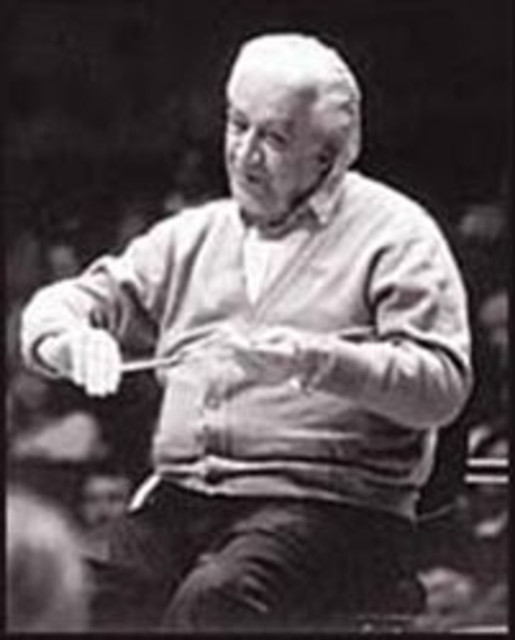
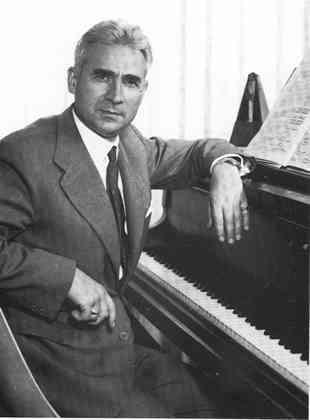
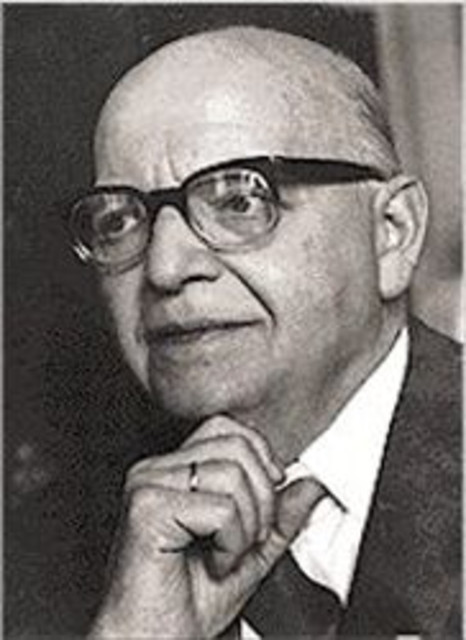
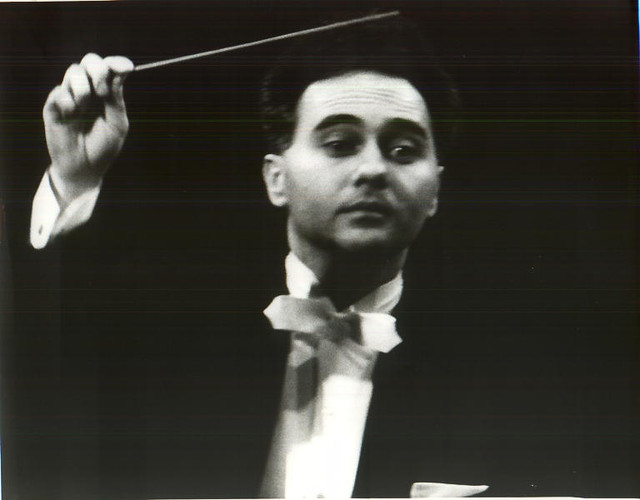
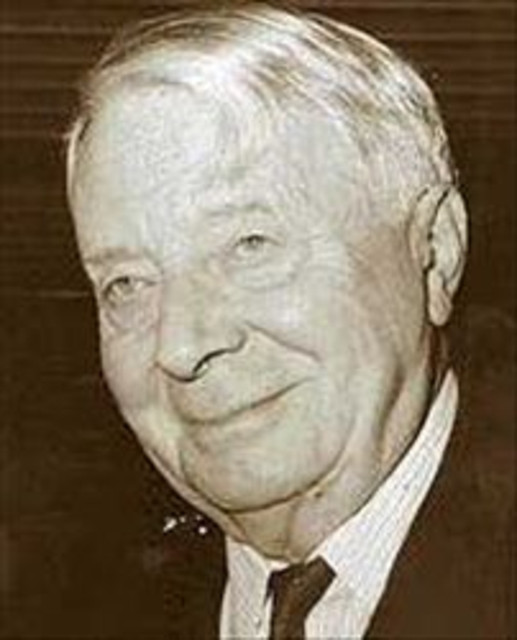
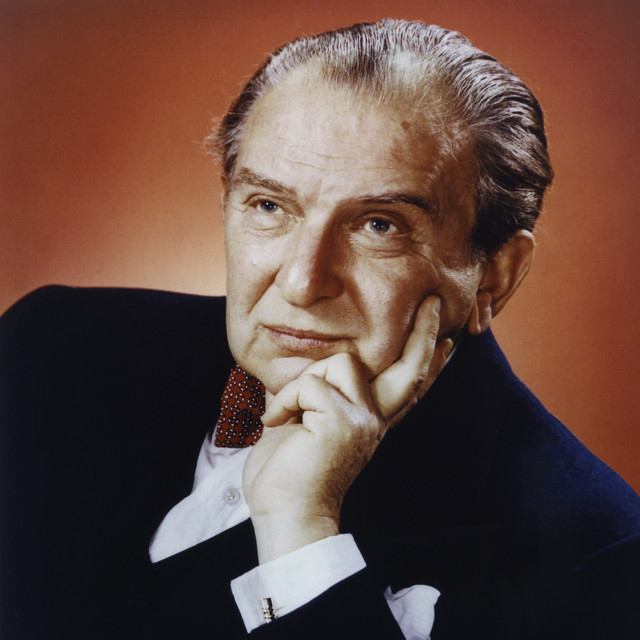
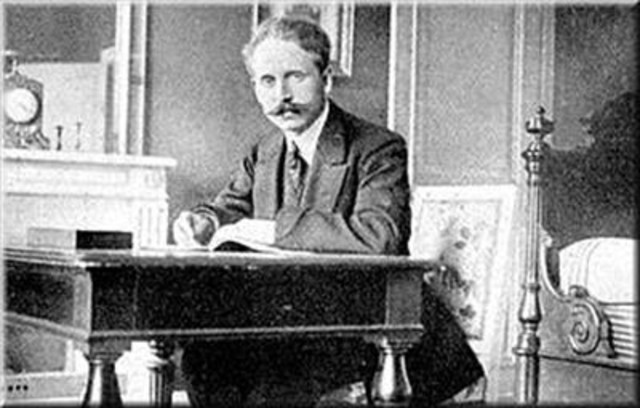
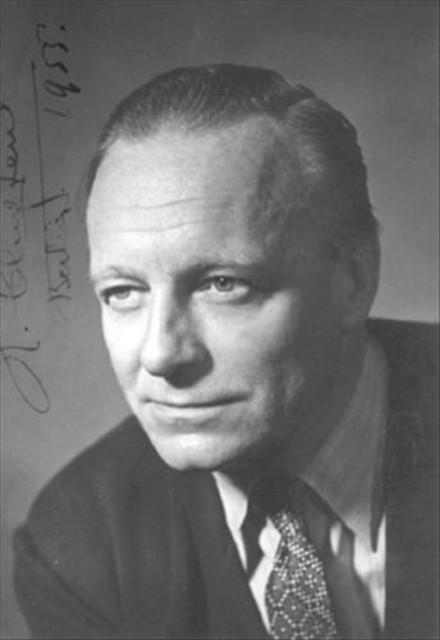
Igor Markevitch was a leading conductor, known for brilliant performances, especially of twentieth century music. He was also a composer who attracted some interest in his own day. His parents left Kiev when he was two years old. Markevitch was brought up in Vevey, Switzerland. He took piano lessons from his father and then with Paul Loyonnet and also started to compose. The pianist <a href="spotify:artist:050gdJliIBXy99gPLsmHiy">Alfred Cortot</a> saw some of his piano compositions and recommended that the boy study in Paris. In 1925 he enrolled in <a href="spotify:artist:050gdJliIBXy99gPLsmHiy">Cortot</a>'s piano class at the École Normale de Musique. He studied harmony, counterpoint, and composition with <a href="spotify:artist:1vfC2bld90kx966JTCSwf7">Nadia Boulanger</a>. The ballet impresario Serge Diaghilev commissioned him to write a piano concerto and a ballet. The concerto premiered in London in 1929, but Diaghilev's death in August of that year caused Markevitch to stop work on the ballet, instead recycling materials from it into a cantata, premiered with great success in Paris on June 4, 1930. Later that year, another new work, a Concerto Grosso, received even greater acclaim. The ballet, Rébus, was first staged in December 1931, and was hailed as a great composition. The next ballet, L'envol d'Icare (June 1933), was once again highly praised. But after this Markevitch began to receive criticism for his use of unrelieved dissonance and his novel use of instruments.
Meanwhile, Markevitch had begun to conduct, debuting on the podium with the Amsterdam Concertgebouw Orchestra in 1930. He studied conducting with <a href="spotify:artist:5EMijG4wKSVPJIOQhD4nWX">Hermann Scherchen</a> in 1935. His composing activities dropped off as he increased his conducting. He spent World War II in Italy, having acquired Italian citizenship. In 1944 he was appointed music director of the Maggio Musicale Orchestra in Florence. He began conducting full time, coming into demand as a guest conductor, and held a variety of directorships or principal conducting appointments with the Stockholm Symphony Orchestra (1952-1955), the <a href="spotify:artist:4AcXapei4U7xnWecv9AEBd">Montreal Symphony Orchestra</a> (1956-1960), the Havana Philharmonic Orchestra (1957-1958), the Concerts Lamoureux of Paris (1957-1961), the Spanish Radio and Television Orchestra (1965-1969), the Monte Carlo Orchestra (1967), and the orchestra of the Accademia di Santa Cecilia in Rome (1967-1972). His American debut was with the <a href="spotify:artist:0K23lQ2hSQAlxSEeZ05bjI">Boston Symphony Orchestra</a> in 1955. He also began giving conducting master classes, especially in Monte Carlo, from 1969.
He was known for his performance of the Russian repertory and twentieth century music. He had a quick temper, reflected in his music in sharp emotional shifts, yet the music was meticulously prepared and nearly always followed the composer's directions with exceptional care. In the late '90s, his recordings came back into demand in re-release, and even his compositions were finding a small but interested market and were praised anew for their originality.
Meanwhile, Markevitch had begun to conduct, debuting on the podium with the Amsterdam Concertgebouw Orchestra in 1930. He studied conducting with <a href="spotify:artist:5EMijG4wKSVPJIOQhD4nWX">Hermann Scherchen</a> in 1935. His composing activities dropped off as he increased his conducting. He spent World War II in Italy, having acquired Italian citizenship. In 1944 he was appointed music director of the Maggio Musicale Orchestra in Florence. He began conducting full time, coming into demand as a guest conductor, and held a variety of directorships or principal conducting appointments with the Stockholm Symphony Orchestra (1952-1955), the <a href="spotify:artist:4AcXapei4U7xnWecv9AEBd">Montreal Symphony Orchestra</a> (1956-1960), the Havana Philharmonic Orchestra (1957-1958), the Concerts Lamoureux of Paris (1957-1961), the Spanish Radio and Television Orchestra (1965-1969), the Monte Carlo Orchestra (1967), and the orchestra of the Accademia di Santa Cecilia in Rome (1967-1972). His American debut was with the <a href="spotify:artist:0K23lQ2hSQAlxSEeZ05bjI">Boston Symphony Orchestra</a> in 1955. He also began giving conducting master classes, especially in Monte Carlo, from 1969.
He was known for his performance of the Russian repertory and twentieth century music. He had a quick temper, reflected in his music in sharp emotional shifts, yet the music was meticulously prepared and nearly always followed the composer's directions with exceptional care. In the late '90s, his recordings came back into demand in re-release, and even his compositions were finding a small but interested market and were praised anew for their originality.
Monthly Listeners
28,320
Monthly Listeners History
Track the evolution of monthly listeners over the last 28 days.
Followers
2,750
Followers History
Track the evolution of followers over the last 28 days.
Top Cities
905 listeners

722 listeners

304 listeners
297 listeners

284 listeners

Related Artists


Jaap Van Zweden



Horst Stein