Data may be outdated
Last updated: 9 months ago — Click refresh to get the latest statistics.
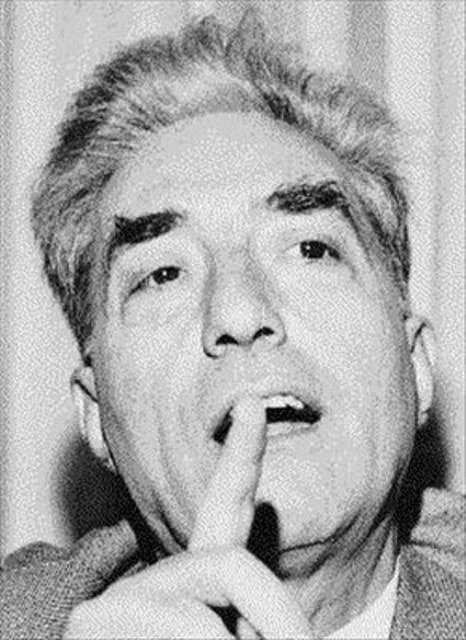
Luigi Dallapiccola, Italian pianist and composer, became an ardent admirer of the Second Viennese School early in his career. He was the first Italian composer to work within the twelve-tone system, and his work in atonality led to his being considered one of Italy's most important composers in the twentieth century. The impact of both World Wars can be heard in his compositions, and he used atonality in the service of rich melodies that conveyed his very personal themes. Though he is widely known for his 12-tone instrumental compositions, he achieved an equal reputation for his operas, even though he only completed three. Dallapiccola also had a successful career as a pianist, during which he was in a long-standing partnership with violinist Sandro Materassi. His career spanned more than 50 years of performing, teaching, writing, and composing. He received membership in several national academies of arts, and was awarded the <a href="spotify:artist:4n3YrsJmeY6qTYJyGwGCRI">Albert Schweitzer</a> Prize shortly after his death.
Dallapiccola began his studies in music at an early age; he was eight when he began studying piano, and two years later he began studies in composition. His formal studies were derailed with the coming of World War I. In 1917, his family, along with several others, was deported to Graz, Austria, where they were interned for almost two years. During this period, he was introduced to Austro-German opera, particularly that of <a href="spotify:artist:4NJhFmfw43RLBLjQvxDuRS">Mozart</a> and <a href="spotify:artist:1C1x4MVkql8AiABuTw6DgE">Wagner</a>. His family returned to Istria in 1919 and he continued his formal education, traveling to Trieste to study piano and harmony. In 1922, he entered the Conservatorio <a href="spotify:artist:1SXRDJxjOty2T43t4gXAnk">Luigi Cherubini</a> in Florence where he studied piano with Consolo and, later, composition under Vito Frazzi.
Dallapiccola joined the faculty of Cherubini Conservatory in 1934; a relationship that lasted until his retirement in 1967. His work, teaching piano to composition students, allowed him to travel widely where he was introduced to many different works and composers. It was through these travels that Dallapiccola met <a href="spotify:artist:60ju8DuNEmkdLw3ymddLje">Alban Berg</a>, one of the principals of the Second Viennese School. He met another principal, <a href="spotify:artist:6cg7ooZDeSSLYVTWGpASjX">Anton Webern</a>, in 1942 in Vienna. Their influence can be heard in Dallapiccola's first two operas Volo di notte (1937-1939) and Il prigionia (1948), and in the works Liriche greche (1942-1945), which was composed as a memorial to <a href="spotify:artist:6cg7ooZDeSSLYVTWGpASjX">Webern</a>, and Cinque frammenti di Saffo (1942). In addition to his operas, Dallapiccola composed several film scores, works for orchestra, chamber music, choral music, and songs.
The theme of several of Dallapiccola's works revolved around the concept of liberty. Three of his more renowned works, Canti di prigionia (Songs of Prison, 1941), Il prigionia (The Prisoner), and Canti di liberazione (Songs of Liberation, 1955) all incorporate this central theme. Undoubtedly this theme arose from his experiences in Graz during World War I and the time he and his Jewish wife, Laura, spent in hiding after Mussolini announced his anti-Semitic policies.
Luigi Dallapiccola was active until late in life. He traveled widely throughout Europe, England, the U.S., and Argentina. In addition to composing and performing, he was a consummate lecturer and teacher. He taught at several schools in the U.S., including Berkshire Music Center at Tanglewood, Queens College New York, University of California at Berkeley, Dartmouth College, and at the Aspen Music School. He also lectured at the Instituto Torcuato di Tella in Buenos Aires. Dallapiccola also wrote widely. His writing began in the mid-'40s for the publication Il mondo europeo and continued throughout his career.
Dallapiccola began his studies in music at an early age; he was eight when he began studying piano, and two years later he began studies in composition. His formal studies were derailed with the coming of World War I. In 1917, his family, along with several others, was deported to Graz, Austria, where they were interned for almost two years. During this period, he was introduced to Austro-German opera, particularly that of <a href="spotify:artist:4NJhFmfw43RLBLjQvxDuRS">Mozart</a> and <a href="spotify:artist:1C1x4MVkql8AiABuTw6DgE">Wagner</a>. His family returned to Istria in 1919 and he continued his formal education, traveling to Trieste to study piano and harmony. In 1922, he entered the Conservatorio <a href="spotify:artist:1SXRDJxjOty2T43t4gXAnk">Luigi Cherubini</a> in Florence where he studied piano with Consolo and, later, composition under Vito Frazzi.
Dallapiccola joined the faculty of Cherubini Conservatory in 1934; a relationship that lasted until his retirement in 1967. His work, teaching piano to composition students, allowed him to travel widely where he was introduced to many different works and composers. It was through these travels that Dallapiccola met <a href="spotify:artist:60ju8DuNEmkdLw3ymddLje">Alban Berg</a>, one of the principals of the Second Viennese School. He met another principal, <a href="spotify:artist:6cg7ooZDeSSLYVTWGpASjX">Anton Webern</a>, in 1942 in Vienna. Their influence can be heard in Dallapiccola's first two operas Volo di notte (1937-1939) and Il prigionia (1948), and in the works Liriche greche (1942-1945), which was composed as a memorial to <a href="spotify:artist:6cg7ooZDeSSLYVTWGpASjX">Webern</a>, and Cinque frammenti di Saffo (1942). In addition to his operas, Dallapiccola composed several film scores, works for orchestra, chamber music, choral music, and songs.
The theme of several of Dallapiccola's works revolved around the concept of liberty. Three of his more renowned works, Canti di prigionia (Songs of Prison, 1941), Il prigionia (The Prisoner), and Canti di liberazione (Songs of Liberation, 1955) all incorporate this central theme. Undoubtedly this theme arose from his experiences in Graz during World War I and the time he and his Jewish wife, Laura, spent in hiding after Mussolini announced his anti-Semitic policies.
Luigi Dallapiccola was active until late in life. He traveled widely throughout Europe, England, the U.S., and Argentina. In addition to composing and performing, he was a consummate lecturer and teacher. He taught at several schools in the U.S., including Berkshire Music Center at Tanglewood, Queens College New York, University of California at Berkeley, Dartmouth College, and at the Aspen Music School. He also lectured at the Instituto Torcuato di Tella in Buenos Aires. Dallapiccola also wrote widely. His writing began in the mid-'40s for the publication Il mondo europeo and continued throughout his career.
Monthly Listeners
1,424
Monthly Listeners History
Track the evolution of monthly listeners over the last 28 days.
Followers
2,103
Followers History
Track the evolution of followers over the last 28 days.
Top Cities


Related Artists
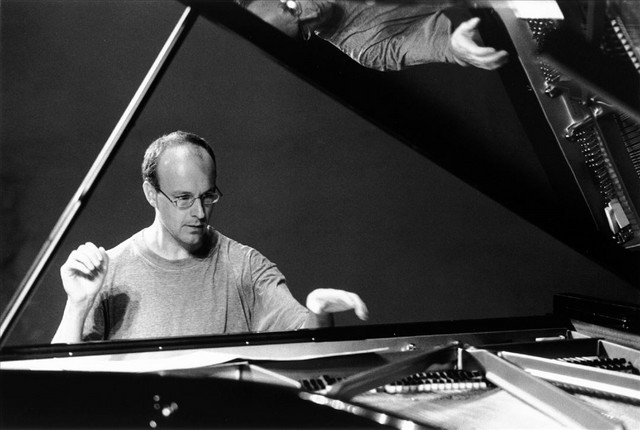
Thomas Larcher
Oxalys
Jan Michiels
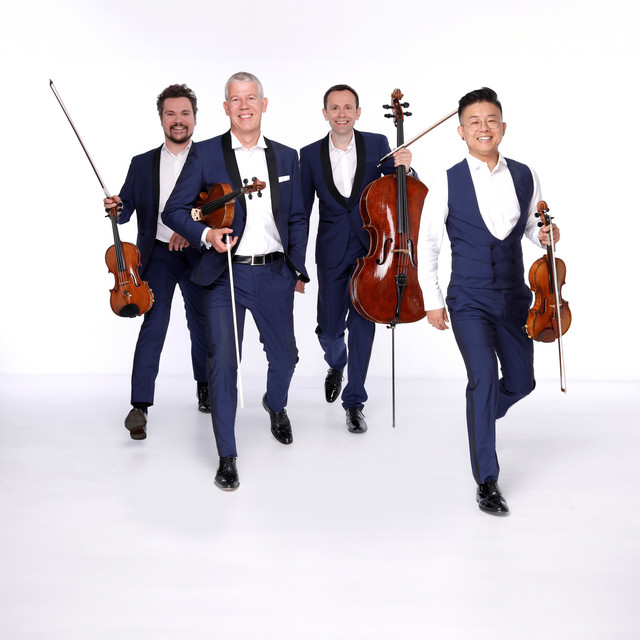
Quatuor Diotima
Francesco Dillon

Alois Hába

Alberto Rosado
Gideon Klein

Albie van Schalkwyk

Ernst Krenek
Reto Bieri

Pavel Haas
Matteo Bevilacqua
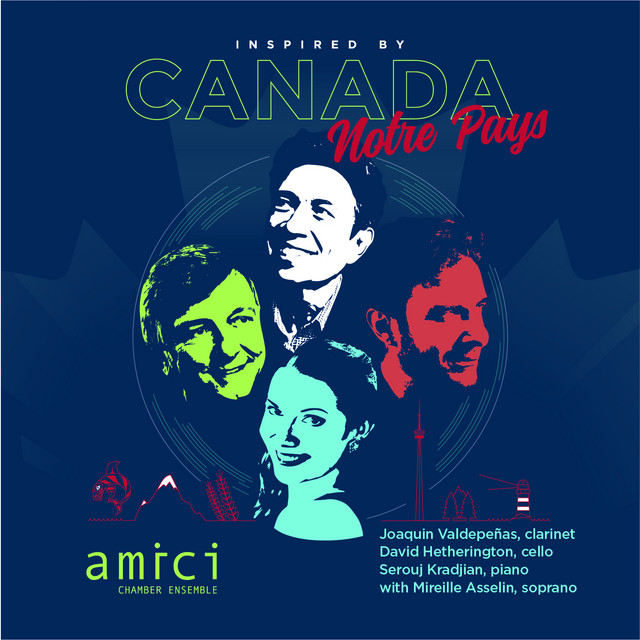
Amici Chamber Ensemble
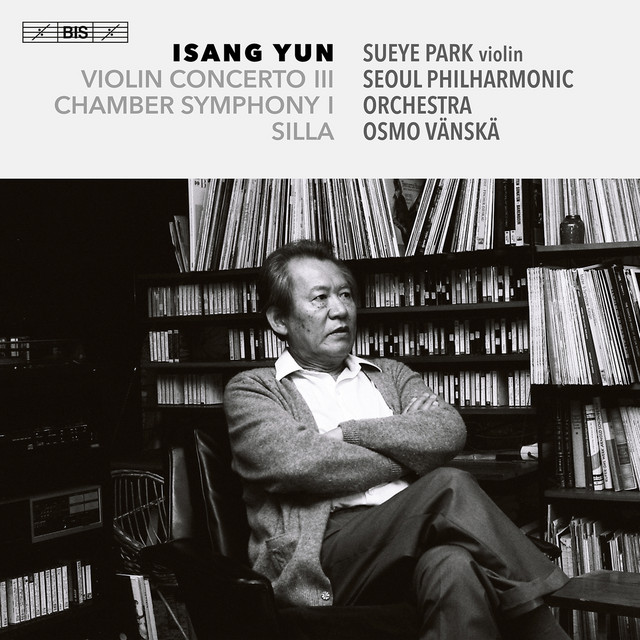

Per Salo
Pascal Dusapin

Jascha Nemtsov
Menachem Wiesenberg

Yuval Gotlibovich


Jeremy Reynolds


Jaan Rääts
Ivan Sokolov
Niek De Groot
Tristan Murail
Bronius Kutavičius