Data may be outdated
Last updated: 9 months ago — Click refresh to get the latest statistics.
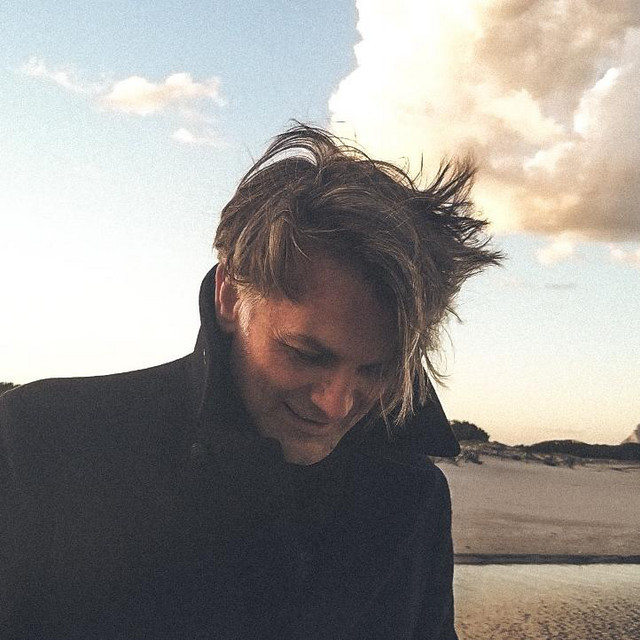
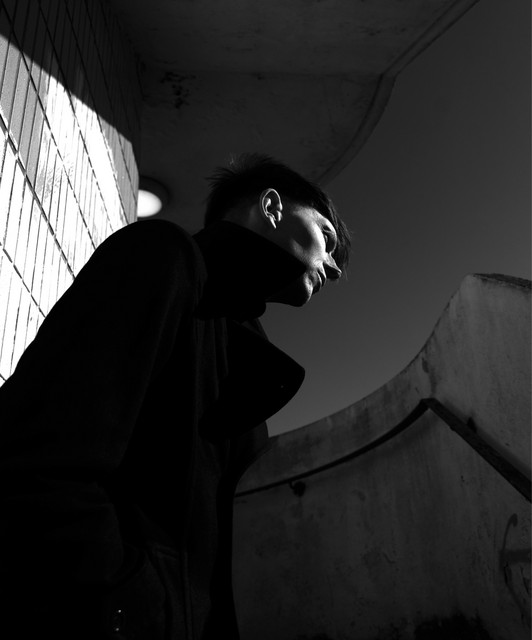
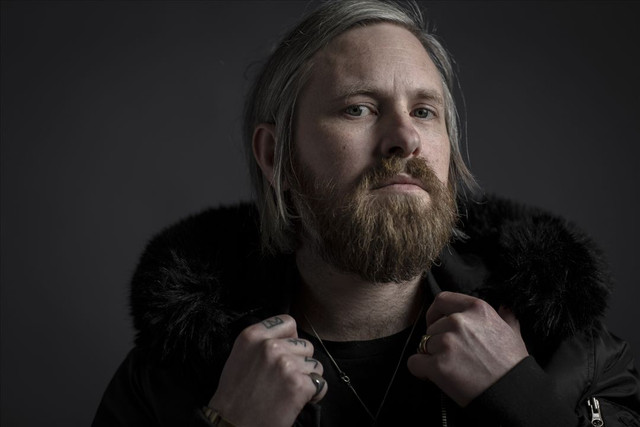
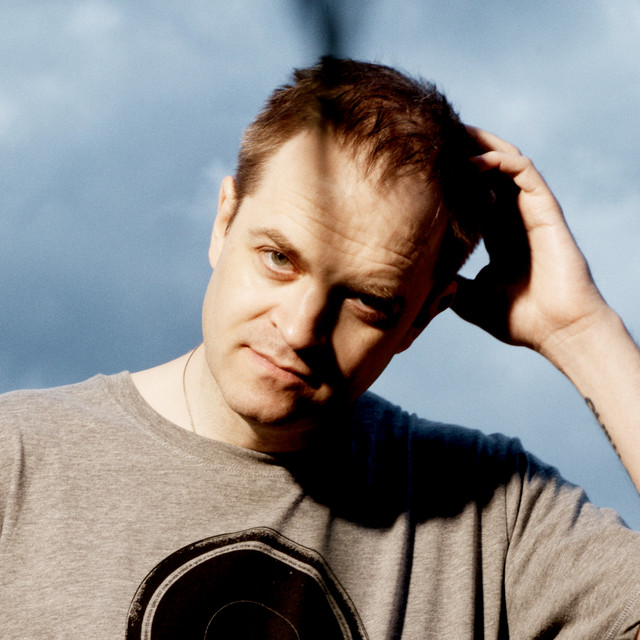
Maps is the project of Northampton, U.K. sound sculptor James Chapman, who combines indie electronic sounds with atmospheric, sleepy rock that owes as much to <a href="spotify:artist:6DKmuXxXASTF6xaJwcTfjv">Spiritualized</a> and <a href="spotify:artist:3G3Gdm0ZRAOxLrbyjfhii5">My Bloody Valentine</a> as it does to <a href="spotify:artist:7Eu1txygG6nJttLHbZdQOh">Four Tet</a> and <a href="spotify:artist:2VAvhf61GgLYmC6C8anyX1">Boards of Canada</a>. Recording for the <a href="spotify:search:label%3A%22Mute+Records%22">Mute Records</a> roster, his 2007 debut earned a Mercury Prize nomination and paved the way for a series of ever-evolving albums like 2013's Vicissitude and the ambitious, highly collaborative 2019 album Colours. Reflect. Time. Loss. Moving into the next decade, Maps explored uptempo dance sounds on 2023's Counter Melodies.
A classical violinist and percussionist in his earlier years, Chapman eventually gravitated toward atmospheric rock and electronic music. In 2005, he bought a 16-track recorder and began recording songs inspired by <a href="spotify:artist:1ZOlVrZ2MtNSY9LcFYklDB">Spacemen 3</a> and <a href="spotify:artist:46h3caIKtqPlEfRHuSdibg">the Beloved</a>. EPs such as Start Something, which was released on <a href="spotify:search:label%3A%22Last+Space+Recordings%22">Last Space Recordings</a> in 2006, led to Chapman signing with <a href="spotify:search:label%3A%22Mute%22">Mute</a>. The label released Maps' 2007 debut album, We Can Create, which was co-produced by <a href="spotify:artist:5AVGx9Dhw7OLeJ5at3Y19f">Valgeir Sigurosson</a> (<a href="spotify:artist:7w29UYBi0qsHi5RTcv3lmA">Björk</a>) and mixed by Ken Thomas (<a href="spotify:artist:6UUrUCIZtQeOf8tC0WuzRy">Sigur Rós</a>). Shortlisted for the Mercury Prize, the album earned widespread acclaim and set the table for his more electronically inclined follow-up, 2009's Turning the Mind, which explored the concepts of mindfulness and the way the mind reacts to different stimuli. Chapman further honed his sound on 2013's Vicissitude, which featured some of his catchiest and most electronic-based songs to date. The following year, the remix collection Realigned arrived. It featured some of the best reworkings of all of Maps music to date and included contributions from <a href="spotify:artist:6BuDxEE5rfuYeyhxQsl53K">Andy Stott</a>, <a href="spotify:artist:63MQldklfxkjYDoUE4Tppz">M83</a>, and <a href="spotify:artist:23MIhFHpoOuhtEHZDrrnCS">the Field</a>, among others.
In 2016, Chapman detoured into a new project, collaborating with <a href="spotify:search:label%3A%22Mute%22">Mute</a> labelmate <a href="spotify:artist:3YR01kdOztg2p9nvD6MRg7">Polly Scattergood</a> as the duo ondeadwaves. Resuming work as Maps, he set out to record his most ambitious album yet, working with classical ensemble <a href="spotify:artist:0vA5v6tBmGdzhupEeUDK9S">the Echo Collective</a> and a variety of singers and guest instrumentalists to create 2019's Colours. Reflect. Time. Loss. Moving away from the more cerebral and melancholic style of his previous collections, Chapman opted for a vivid, dance-oriented sound on Maps' fifth album, 2023's Counter Melodies. ~ Kenyon Hopkin, Rovi
A classical violinist and percussionist in his earlier years, Chapman eventually gravitated toward atmospheric rock and electronic music. In 2005, he bought a 16-track recorder and began recording songs inspired by <a href="spotify:artist:1ZOlVrZ2MtNSY9LcFYklDB">Spacemen 3</a> and <a href="spotify:artist:46h3caIKtqPlEfRHuSdibg">the Beloved</a>. EPs such as Start Something, which was released on <a href="spotify:search:label%3A%22Last+Space+Recordings%22">Last Space Recordings</a> in 2006, led to Chapman signing with <a href="spotify:search:label%3A%22Mute%22">Mute</a>. The label released Maps' 2007 debut album, We Can Create, which was co-produced by <a href="spotify:artist:5AVGx9Dhw7OLeJ5at3Y19f">Valgeir Sigurosson</a> (<a href="spotify:artist:7w29UYBi0qsHi5RTcv3lmA">Björk</a>) and mixed by Ken Thomas (<a href="spotify:artist:6UUrUCIZtQeOf8tC0WuzRy">Sigur Rós</a>). Shortlisted for the Mercury Prize, the album earned widespread acclaim and set the table for his more electronically inclined follow-up, 2009's Turning the Mind, which explored the concepts of mindfulness and the way the mind reacts to different stimuli. Chapman further honed his sound on 2013's Vicissitude, which featured some of his catchiest and most electronic-based songs to date. The following year, the remix collection Realigned arrived. It featured some of the best reworkings of all of Maps music to date and included contributions from <a href="spotify:artist:6BuDxEE5rfuYeyhxQsl53K">Andy Stott</a>, <a href="spotify:artist:63MQldklfxkjYDoUE4Tppz">M83</a>, and <a href="spotify:artist:23MIhFHpoOuhtEHZDrrnCS">the Field</a>, among others.
In 2016, Chapman detoured into a new project, collaborating with <a href="spotify:search:label%3A%22Mute%22">Mute</a> labelmate <a href="spotify:artist:3YR01kdOztg2p9nvD6MRg7">Polly Scattergood</a> as the duo ondeadwaves. Resuming work as Maps, he set out to record his most ambitious album yet, working with classical ensemble <a href="spotify:artist:0vA5v6tBmGdzhupEeUDK9S">the Echo Collective</a> and a variety of singers and guest instrumentalists to create 2019's Colours. Reflect. Time. Loss. Moving away from the more cerebral and melancholic style of his previous collections, Chapman opted for a vivid, dance-oriented sound on Maps' fifth album, 2023's Counter Melodies. ~ Kenyon Hopkin, Rovi
Monthly Listeners
21,495
Monthly Listeners History
Track the evolution of monthly listeners over the last 28 days.
Followers
12,589
Followers History
Track the evolution of followers over the last 28 days.
Top Cities
802 listeners

295 listeners

290 listeners
223 listeners

223 listeners