Data may be outdated
Last updated: 9 months ago — Click refresh to get the latest statistics.
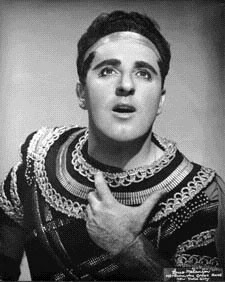
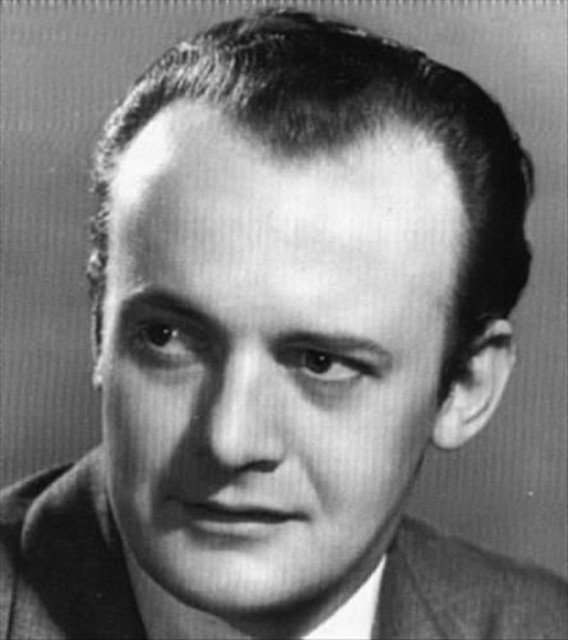
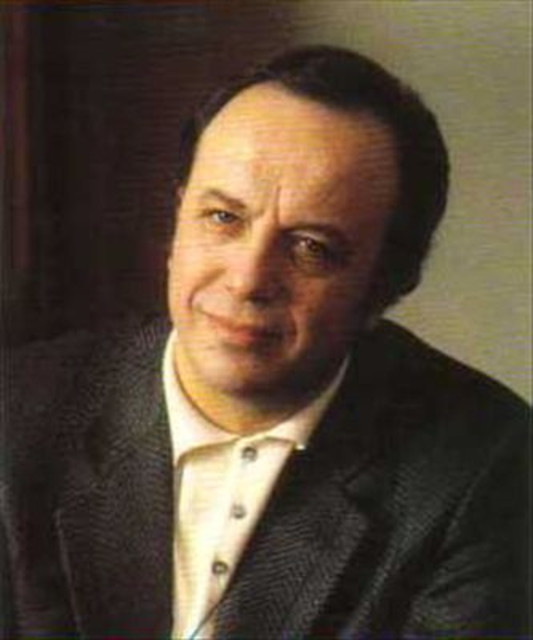
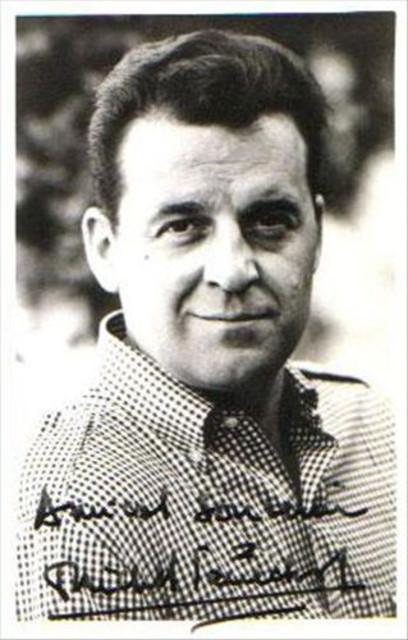
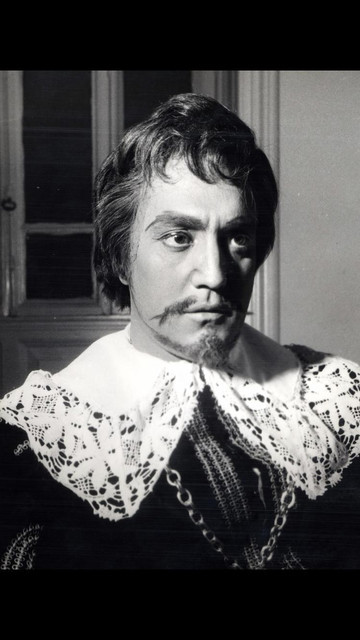
As he gradually moved away from leading roles, Michel Sénéchal has established himself as a star among comprimario singers. His vignettes, however brief, are of an order that instantly raises the artistic level in any production he chooses to embrace. His sophisticated sense of makeup, stage movement, comic timing, and seizing each element of irony and rendering it unforgettable all are built upon the underpinnings of a handsome light tenor voice, well-trained and always pleasant to hear. So dominant has this supporting artist become, the catalog reveals multiple recordings of his core repertory. His only predecessor to have achieved such prominence in this specialized niche was Swiss tenor <a href="spotify:artist:4kBOv1h9n7eoOKDNiD3sKn">Hughes Cuenod</a>, an indelible artist himself, but one with a even lighter instrument.
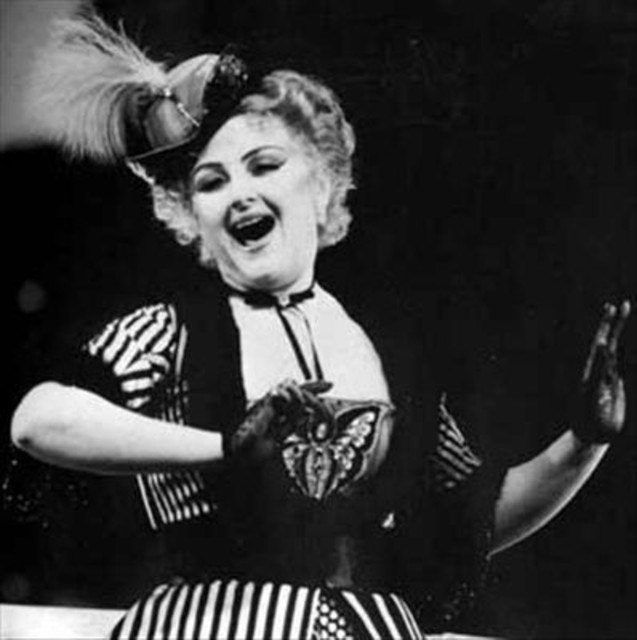
Following studies at the Paris Conservatory, Sénéchal made his debut in 1950 at La Monnaie in Brussels. Under contract there for three seasons, he sang the lyric tenor repertory, as he continued to do later at both the Paris Opéra and the Opéra-Comique and in other theaters through France. His roles grew to include <a href="spotify:artist:0roWUeP7Ac4yK4VN6L2gF4">Rossini</a>'s Almaviva and Comte Ory, Hylas in <a href="spotify:artist:11T8SOX82xraocZzUXzkvM">Berlioz</a>'s Les Troyens, Paolino in <a href="spotify:artist:3UyRRlpJO3uCojQkBibqNZ">Cimarosa</a>'s Il matrimonio segreto, Georges Brown in <a href="spotify:artist:41HbT7AuncIzGpJdpp9ymL">Boieldieu</a>'s La dame blanche, and three of <a href="spotify:artist:4NJhFmfw43RLBLjQvxDuRS">Mozart</a>'s leading tenor parts: Tamino, Ferrando, and Don Ottavio. At Aix-en-Provence in 1956, Sénéchal sang the travesty role of <a href="spotify:artist:4JSWO1Pf2zV991fq64uAce">Rameau</a>'s Platée, a curious creature of heart-stopping homeliness who believes herself to be beautiful. The role is both a leading one and a character study. His success in the role was so great, he was called upon to perform the part in Amsterdam, at the Monnaie, and later, the Opéra-Comique.
Steadily, Sénéchal established his supremacy in character roles, undertaking Monsieur Triquet in <a href="spotify:artist:3MKCzCnpzw3TjUYs2v7vDA">Tchaikovsky</a>'s Yevgeny Onegin (recorded with <a href="spotify:artist:0dicUFoK5LIbqu6OoHu8VH">Solti</a>); Schmidt in Werther; Trabuco in <a href="spotify:artist:1JOQXgYdQV2yfrhewqx96o">Verdi</a>'s La forza del destino; Scaramuccio in Ariadne auf Naxos; Erice in Cavalli's L'Ormindo; Valzacchi, Teapot, and Arithmetic in <a href="spotify:artist:17hR0sYHpx7VYTMRfFUOmY">Ravel</a>'s enchanted L'enfant et les Sortileges; Gonzalve in <a href="spotify:artist:17hR0sYHpx7VYTMRfFUOmY">Ravel</a>'s L'heure Espagnole (triumphantly sung at the 1966 Glyndebourne Festival with a cast including <a href="spotify:artist:4kBOv1h9n7eoOKDNiD3sKn">Hughes Cuenod</a> as Torquemada); Rodriguez in Don Quichotte; the Brahmin in <a href="spotify:artist:0GJc9hwpZqTk1JEba6EUPA">Roussel</a>'s exotic Padmâvatî; as well as Le Dancaire and Don Basilio, which he sang annually at the Salzburg Festival beginning in 1972. Sénéchal was chosen for the role of Don Jerome when <a href="spotify:artist:4kHtgiRnpmFIV5Tm4BIs8l">Prokofiev</a>'s rarely performed Betrothal in a Monastery was produced at Strasbourg in 1973.
For Sénéchal's Metropolitan Opera debut on March 8, 1982, he was engaged for Les Contes d'Hoffmann, performing the four comic tenor roles, a turn that by then had all but become a signature assignment. Other roles following at the Metropolitan were Guillot in <a href="spotify:artist:1AoIc5YFH0aSFc4mKqBEeB">Massenet</a>'s Manon and <a href="spotify:artist:4NJhFmfw43RLBLjQvxDuRS">Mozart</a>'s Don Basilio. Sénéchal has, in addition to established repertory stage works, undertaken contemporary operas. At Toulouse, he sang Fabien in the premiere of <a href="spotify:artist:5GShGmshEQKjNzA3q1s8j4">Marcel Landowski</a>'s Montségur in 1985. The same year, he appeared as Pope Leo X in Boehmer's Docktor Faustus at the Paris Opéra.
Sénéchal's mastery of the tenor character repertory has repeatedly brought him into the recording studio. His four comic characters in Hoffmann have been preserved on disc three times, while in <a href="spotify:artist:4qFQgEF1rg6a9WvJM0MQIa">James Levine</a>'s recording of Andrea Chénier, Sénéchal appears together with his greatly respected Italian counterpart, Piero di Palma, and supporting principals Scotto, <a href="spotify:artist:4pU3BpenOZFEBzORx2YBJW">Domingo</a>, and Milnes. In addition to <a href="spotify:artist:4OihBPCQzR4GfbzqOY69Xm">Offenbach</a>'s Hoffmann and a near-definitive Orphée aux enfers recorded under <a href="spotify:artist:2fzmIYnCPAZ9LeJFpYcHob">Plasson</a> in 1978, Sénéchal appears with <a href="spotify:artist:4KdvkjFvLnChrlb1ZYN6Yi">Dame Felicity Lott</a> in a recording of La belle Hélène released in 2000.
Following studies at the Paris Conservatory, Sénéchal made his debut in 1950 at La Monnaie in Brussels. Under contract there for three seasons, he sang the lyric tenor repertory, as he continued to do later at both the Paris Opéra and the Opéra-Comique and in other theaters through France. His roles grew to include <a href="spotify:artist:0roWUeP7Ac4yK4VN6L2gF4">Rossini</a>'s Almaviva and Comte Ory, Hylas in <a href="spotify:artist:11T8SOX82xraocZzUXzkvM">Berlioz</a>'s Les Troyens, Paolino in <a href="spotify:artist:3UyRRlpJO3uCojQkBibqNZ">Cimarosa</a>'s Il matrimonio segreto, Georges Brown in <a href="spotify:artist:41HbT7AuncIzGpJdpp9ymL">Boieldieu</a>'s La dame blanche, and three of <a href="spotify:artist:4NJhFmfw43RLBLjQvxDuRS">Mozart</a>'s leading tenor parts: Tamino, Ferrando, and Don Ottavio. At Aix-en-Provence in 1956, Sénéchal sang the travesty role of <a href="spotify:artist:4JSWO1Pf2zV991fq64uAce">Rameau</a>'s Platée, a curious creature of heart-stopping homeliness who believes herself to be beautiful. The role is both a leading one and a character study. His success in the role was so great, he was called upon to perform the part in Amsterdam, at the Monnaie, and later, the Opéra-Comique.
Steadily, Sénéchal established his supremacy in character roles, undertaking Monsieur Triquet in <a href="spotify:artist:3MKCzCnpzw3TjUYs2v7vDA">Tchaikovsky</a>'s Yevgeny Onegin (recorded with <a href="spotify:artist:0dicUFoK5LIbqu6OoHu8VH">Solti</a>); Schmidt in Werther; Trabuco in <a href="spotify:artist:1JOQXgYdQV2yfrhewqx96o">Verdi</a>'s La forza del destino; Scaramuccio in Ariadne auf Naxos; Erice in Cavalli's L'Ormindo; Valzacchi, Teapot, and Arithmetic in <a href="spotify:artist:17hR0sYHpx7VYTMRfFUOmY">Ravel</a>'s enchanted L'enfant et les Sortileges; Gonzalve in <a href="spotify:artist:17hR0sYHpx7VYTMRfFUOmY">Ravel</a>'s L'heure Espagnole (triumphantly sung at the 1966 Glyndebourne Festival with a cast including <a href="spotify:artist:4kBOv1h9n7eoOKDNiD3sKn">Hughes Cuenod</a> as Torquemada); Rodriguez in Don Quichotte; the Brahmin in <a href="spotify:artist:0GJc9hwpZqTk1JEba6EUPA">Roussel</a>'s exotic Padmâvatî; as well as Le Dancaire and Don Basilio, which he sang annually at the Salzburg Festival beginning in 1972. Sénéchal was chosen for the role of Don Jerome when <a href="spotify:artist:4kHtgiRnpmFIV5Tm4BIs8l">Prokofiev</a>'s rarely performed Betrothal in a Monastery was produced at Strasbourg in 1973.
For Sénéchal's Metropolitan Opera debut on March 8, 1982, he was engaged for Les Contes d'Hoffmann, performing the four comic tenor roles, a turn that by then had all but become a signature assignment. Other roles following at the Metropolitan were Guillot in <a href="spotify:artist:1AoIc5YFH0aSFc4mKqBEeB">Massenet</a>'s Manon and <a href="spotify:artist:4NJhFmfw43RLBLjQvxDuRS">Mozart</a>'s Don Basilio. Sénéchal has, in addition to established repertory stage works, undertaken contemporary operas. At Toulouse, he sang Fabien in the premiere of <a href="spotify:artist:5GShGmshEQKjNzA3q1s8j4">Marcel Landowski</a>'s Montségur in 1985. The same year, he appeared as Pope Leo X in Boehmer's Docktor Faustus at the Paris Opéra.
Sénéchal's mastery of the tenor character repertory has repeatedly brought him into the recording studio. His four comic characters in Hoffmann have been preserved on disc three times, while in <a href="spotify:artist:4qFQgEF1rg6a9WvJM0MQIa">James Levine</a>'s recording of Andrea Chénier, Sénéchal appears together with his greatly respected Italian counterpart, Piero di Palma, and supporting principals Scotto, <a href="spotify:artist:4pU3BpenOZFEBzORx2YBJW">Domingo</a>, and Milnes. In addition to <a href="spotify:artist:4OihBPCQzR4GfbzqOY69Xm">Offenbach</a>'s Hoffmann and a near-definitive Orphée aux enfers recorded under <a href="spotify:artist:2fzmIYnCPAZ9LeJFpYcHob">Plasson</a> in 1978, Sénéchal appears with <a href="spotify:artist:4KdvkjFvLnChrlb1ZYN6Yi">Dame Felicity Lott</a> in a recording of La belle Hélène released in 2000.
Monthly Listeners
38,064
Monthly Listeners History
Track the evolution of monthly listeners over the last 28 days.
Followers
374
Followers History
Track the evolution of followers over the last 28 days.
Top Cities
937 listeners

869 listeners

568 listeners
549 listeners

548 listeners

Related Artists
Metropolitan Opera Chorus


Fernando Corena