Data may be outdated
Last updated: 9 months ago — Click refresh to get the latest statistics.
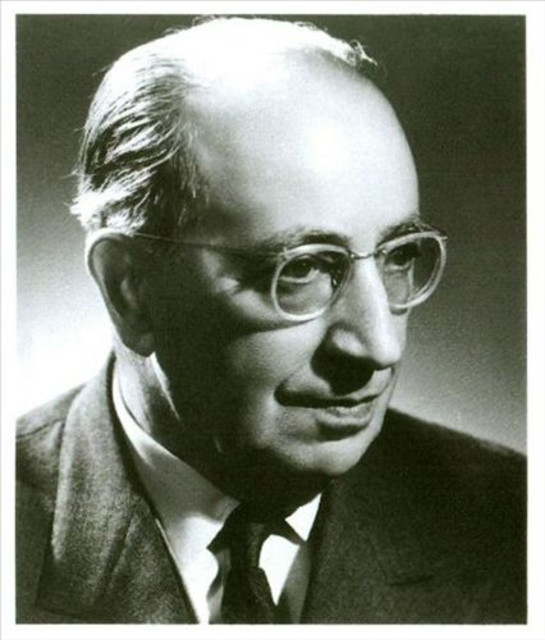
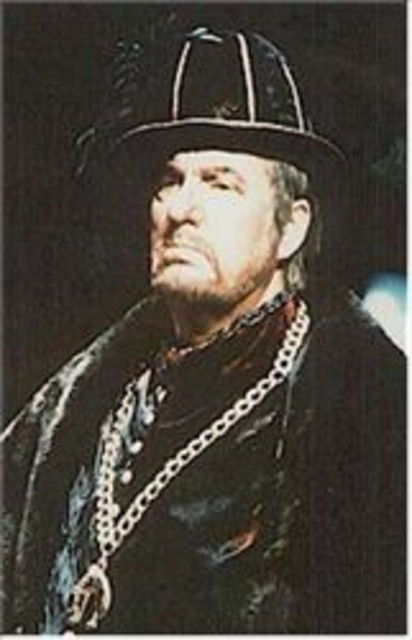
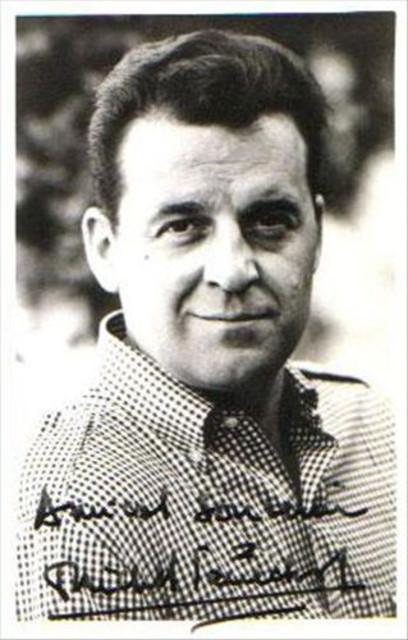
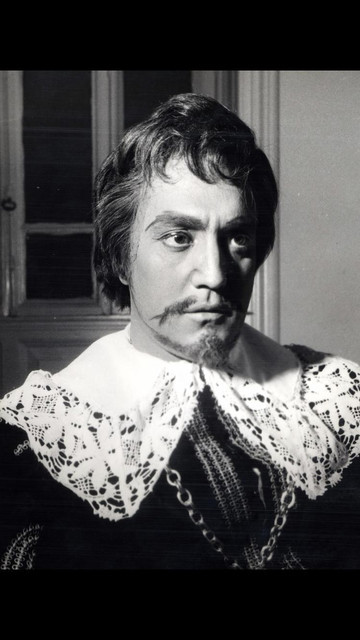
Ghiaurov excelled in both the Slavic and the Italian and French operatic repertoire, and he also moved with ease from serious to comic roles, though the serious roles played a greater part in his career. At times, he even took on some of the lower baritone roles, <a href="spotify:artist:4NJhFmfw43RLBLjQvxDuRS">Mozart</a>'s Don Giovanni and Escamillo in <a href="spotify:artist:2D7RkvtKKb6E5UmbjQM1Jd">Bizet</a>'s Carmen. He was also noted for his acting and compelling stage presence. During his prime, his voice was among the richest and most sonorous basses of the twentieth century, and even as much of its freshness and bloom was gone toward the end of his career, it retained its expressiveness and technical excellence.
Though his family was quite poor, they encouraged him to explore his interest in singing, and when he entered adolescence, he borrowed instruments so he could learn clarinet, violin, and trombone. He also began to take acting lessons, briefly considering a career as an actor rather than a musician. When he entered the army, where he was a clarinetist and conducted the chorus, his singing talents came to the attention of the authorities, who enabled him to study with Christo Brambarov, and later at the Moscow Conservatory. His studies were conservative -- for the first year, he did nothing but vocal exercises over one octave -- a fact to which he attributed his spectacular vocal longevity. Brambarov introduced him to Italian style, a rarity for Russian singers during that time. He made his stage debut as Don Basilio in <a href="spotify:artist:0roWUeP7Ac4yK4VN6L2gF4">Rossini</a>'s The Barber of Seville at the Sofia Opera in 1955 and made his Bolshoi debut as Pimen in Boris Godunov in 1957. His Italian debut was as Méphistophélès in <a href="spotify:artist:42Vmza0WYHdhsgxFmf9Tui">Gounod</a>'s Faust at the Teatro Communale in Rome the next year. His Covent Garden debut came in 1962 as the Padre Guardiano in <a href="spotify:artist:1JOQXgYdQV2yfrhewqx96o">Verdi</a>'s La forza del destino. At the 1965 Salzburg Festival, he first sang the title role of Boris Godunov, a role generally considered the greatest challenge in the Russian bass repertoire. Aside from opera, he frequently performed and recorded Russian songs. Ghiaurov has established a place in musical history through his recorded legacy. His Boris was recorded commercially twice, once each in the "original" and Rimsky-Korsakov versions. He recorded Don Carlos in the studio three times, twice as Filippo and once (in the original French version) as the Grand Inquisitor. His early London/Decca aria recitals accurately document the size and beauty of his voice. He is also heard in Giulini's recording of <a href="spotify:artist:1JOQXgYdQV2yfrhewqx96o">Verdi</a>'s Requiem.
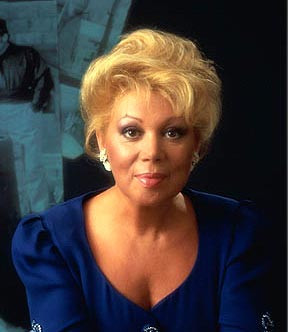
He was married to Italian soprano Mirella Freni and participated in guiding her into her forays into the Russian repertoire, notably Tatiana in Eugene Onegin and Lisa in Pique Dame.
Though his family was quite poor, they encouraged him to explore his interest in singing, and when he entered adolescence, he borrowed instruments so he could learn clarinet, violin, and trombone. He also began to take acting lessons, briefly considering a career as an actor rather than a musician. When he entered the army, where he was a clarinetist and conducted the chorus, his singing talents came to the attention of the authorities, who enabled him to study with Christo Brambarov, and later at the Moscow Conservatory. His studies were conservative -- for the first year, he did nothing but vocal exercises over one octave -- a fact to which he attributed his spectacular vocal longevity. Brambarov introduced him to Italian style, a rarity for Russian singers during that time. He made his stage debut as Don Basilio in <a href="spotify:artist:0roWUeP7Ac4yK4VN6L2gF4">Rossini</a>'s The Barber of Seville at the Sofia Opera in 1955 and made his Bolshoi debut as Pimen in Boris Godunov in 1957. His Italian debut was as Méphistophélès in <a href="spotify:artist:42Vmza0WYHdhsgxFmf9Tui">Gounod</a>'s Faust at the Teatro Communale in Rome the next year. His Covent Garden debut came in 1962 as the Padre Guardiano in <a href="spotify:artist:1JOQXgYdQV2yfrhewqx96o">Verdi</a>'s La forza del destino. At the 1965 Salzburg Festival, he first sang the title role of Boris Godunov, a role generally considered the greatest challenge in the Russian bass repertoire. Aside from opera, he frequently performed and recorded Russian songs. Ghiaurov has established a place in musical history through his recorded legacy. His Boris was recorded commercially twice, once each in the "original" and Rimsky-Korsakov versions. He recorded Don Carlos in the studio three times, twice as Filippo and once (in the original French version) as the Grand Inquisitor. His early London/Decca aria recitals accurately document the size and beauty of his voice. He is also heard in Giulini's recording of <a href="spotify:artist:1JOQXgYdQV2yfrhewqx96o">Verdi</a>'s Requiem.
He was married to Italian soprano Mirella Freni and participated in guiding her into her forays into the Russian repertoire, notably Tatiana in Eugene Onegin and Lisa in Pique Dame.
Monthly Listeners
116,879
Monthly Listeners History
Track the evolution of monthly listeners over the last 28 days.
Followers
3,930
Followers History
Track the evolution of followers over the last 28 days.
Top Cities
2,499 listeners

2,361 listeners

1,617 listeners

1,589 listeners
1,333 listeners

Related Artists




Metropolitan Opera Chorus