Data may be outdated
Last updated: 2 months ago — Click refresh to get the latest statistics.
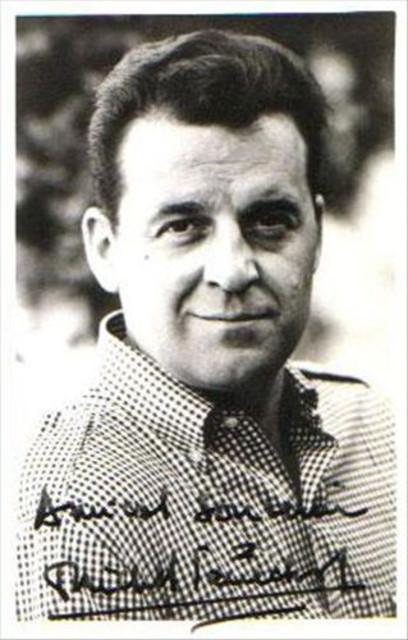
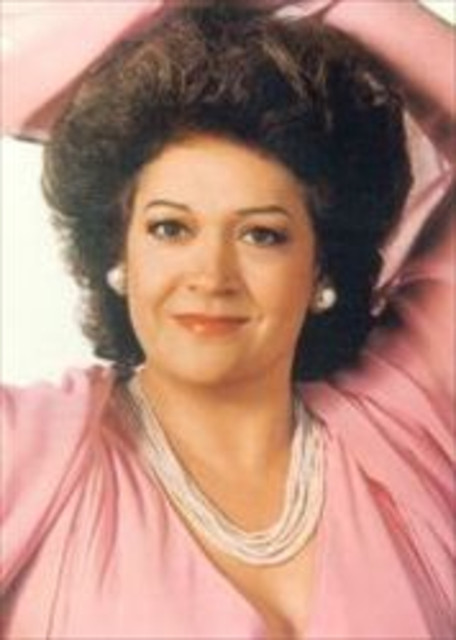
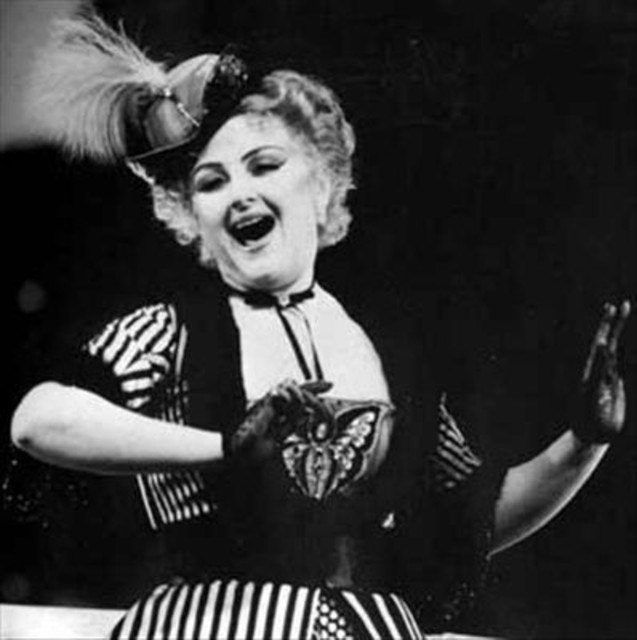
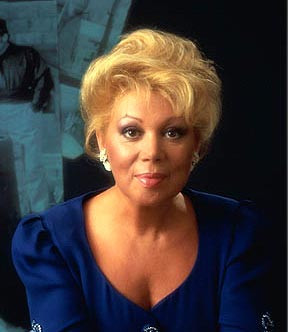
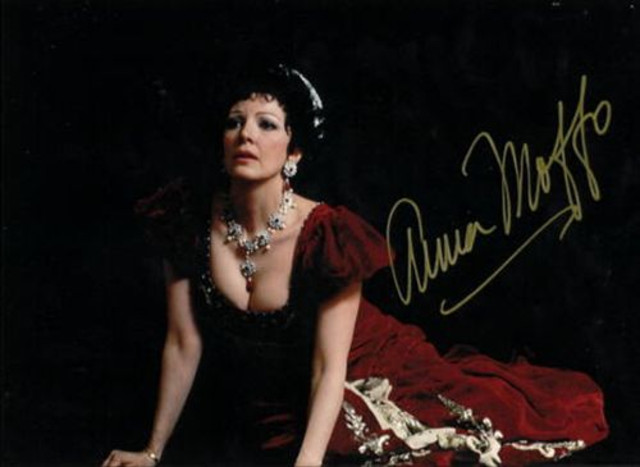
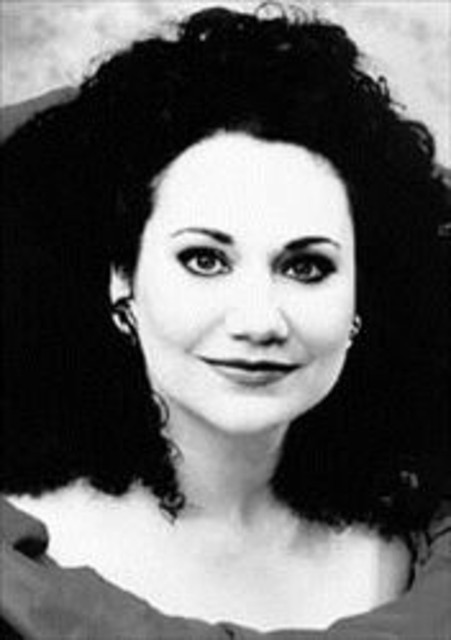
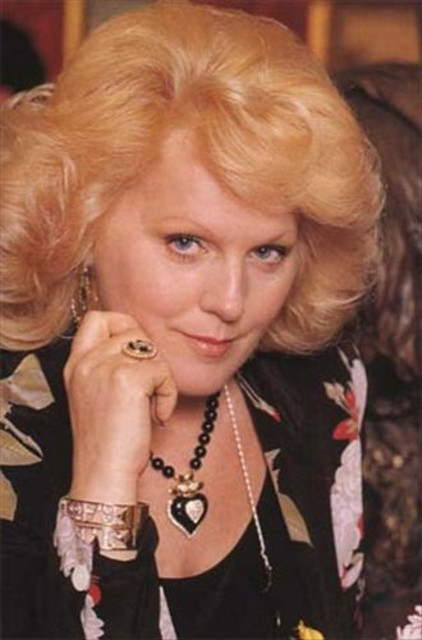
She came from a very poor family and after graduating from school, worked to afford the time and money to study at the Benedetto Marcello Conservatory in Venice, where she worked primarily with Iris Adami Corradetti, herself a noted lyric soprano. Upon graduation, she made her operatic debut as Mimì in <a href="spotify:artist:0OzxPXyowUEQ532c9AmHUR">Puccini</a>'s La bohème, in Mantua, Italy. Her appearance in <a href="spotify:artist:1SXRDJxjOty2T43t4gXAnk">Cherubini</a>'s Anacréon the next year in Siena created a small sensation, followed by a greater one when she won the Parma Verdi competition, followed in 1971 by her winning the Voce Verdiane competition. Largely on the strengths of these triumphs, in 1972, she debuted at the Lyric Opera of Chicago as Lucrezia in <a href="spotify:artist:1JOQXgYdQV2yfrhewqx96o">Verdi</a>'s I due Foscari, and at the Rome Opera as <a href="spotify:artist:1JOQXgYdQV2yfrhewqx96o">Verdi</a>'s Giovanna d'Arco. In 1974, she made her Covent Garden debut as Mimì. Her <a href="spotify:artist:5wn7ofJrDNHlKovbljawzS">Met</a> debut was also in La bohème in 1975, and her La Scala debut was in 1976 as Suor Angelica in <a href="spotify:artist:0OzxPXyowUEQ532c9AmHUR">Puccini</a>'s Il trittico.
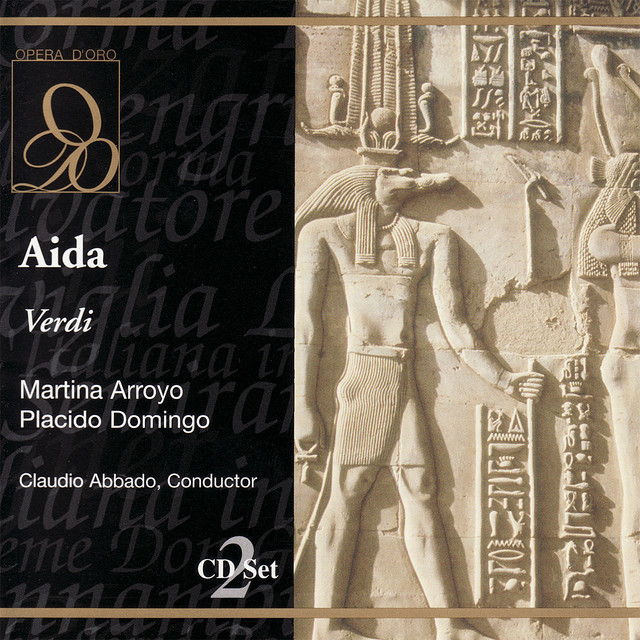
Like many singers, her voice became larger as she matured, allowing her to take on such roles as <a href="spotify:artist:1JOQXgYdQV2yfrhewqx96o">Verdi</a>'s Desdemona and Luisa Miller. However, over-encouraged by this, and also guided by <a href="spotify:artist:5zCaQxjl110XTrm4LQ1CxY">Karajan</a>, who often pitted essentially lyric voices against heavy roles, in the early 1980s, she began to sing roles that were considerably too dramatic, such as Tosca, Aida, and even Turandot (though only in the recording studio.) By the 1990s, while it had not lost all of its luster, her voice was no longer as limpid as it had been, both the top and middle were wobbly, and her pitch had become frequently imprecise. Some of the theaters where she had scored her major triumphs, such as La Scala, received her subsequent performances very badly.
Among her recordings, a collection of arias made in 1979 and 1980 (Ermitage) catches her still in fine voice, although some strain does show in the more dramatic roles. In complete operas, her recording of La donna del lago (<a href="spotify:search:label%3A%22Sony%22">Sony</a>) is excellent. She also appeared as Desdemona in the 1986 film of Otello, directed by Franco Zeffirelli.
Monthly Listeners
30,917
Monthly Listeners History
Track the evolution of monthly listeners over the last 28 days.
Followers
6,243
Followers History
Track the evolution of followers over the last 28 days.
Total Streams
18.7 million
Total Streams History
Track the evolution of total streams over the last 28 days. This data is calculated from all tracks listed in the artist's discography.