Data may be outdated
Last updated: 9 months ago — Click refresh to get the latest statistics.
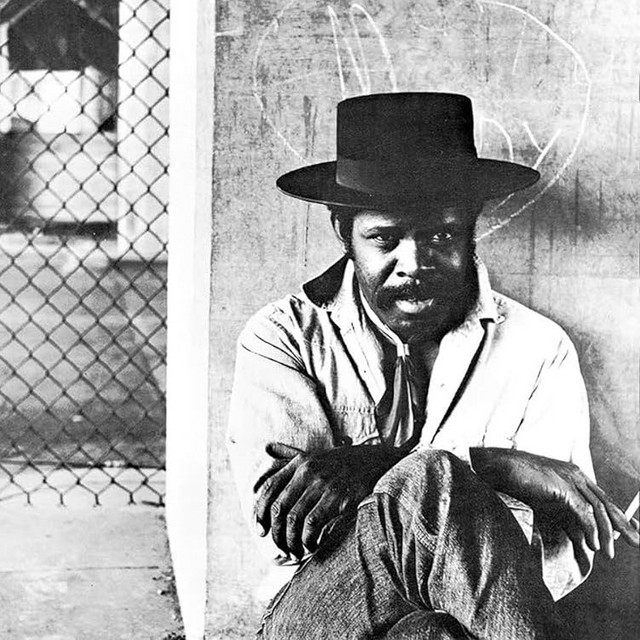
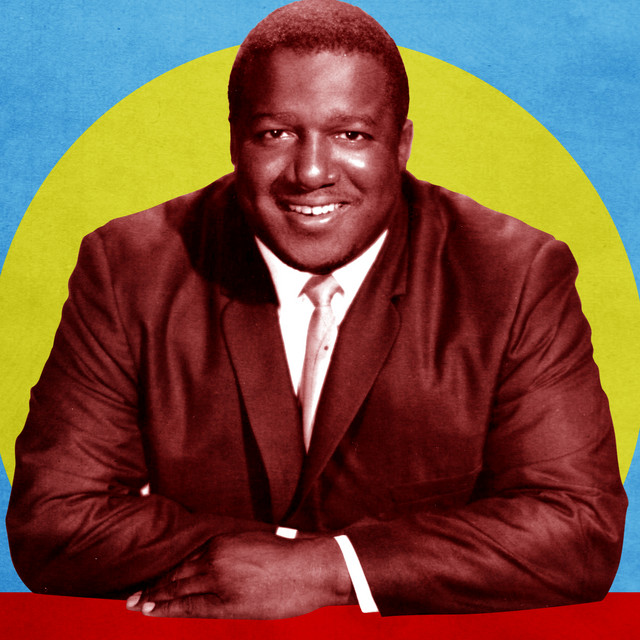
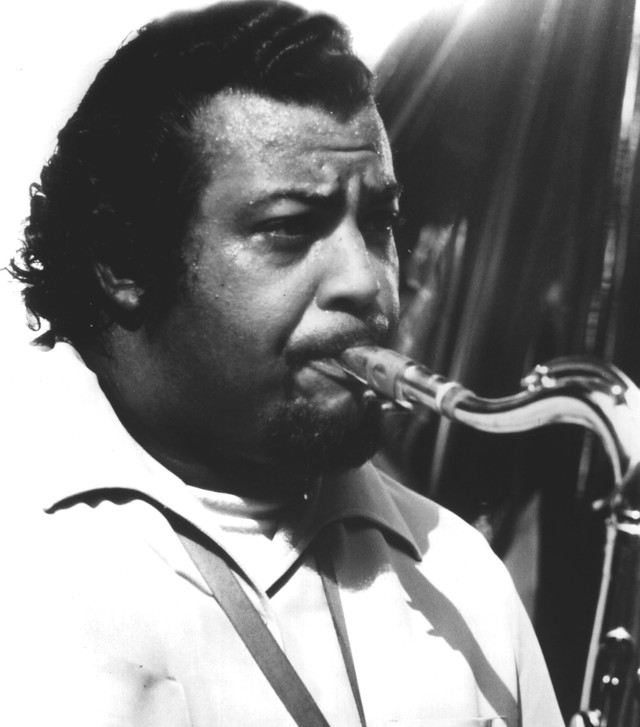
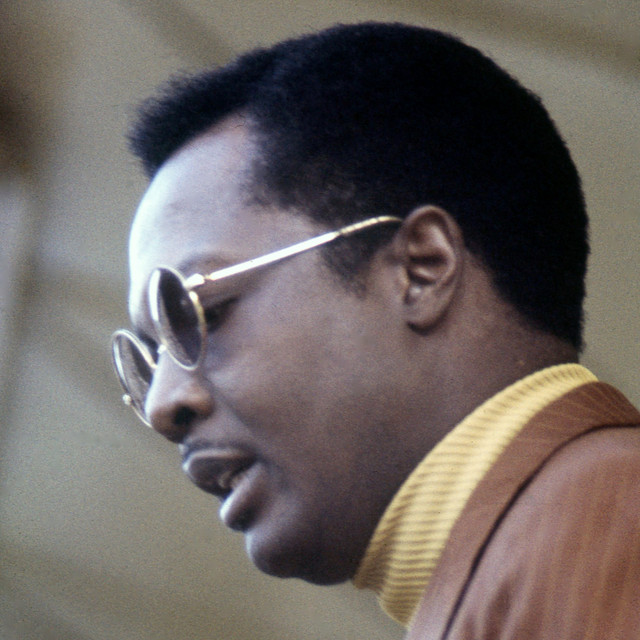
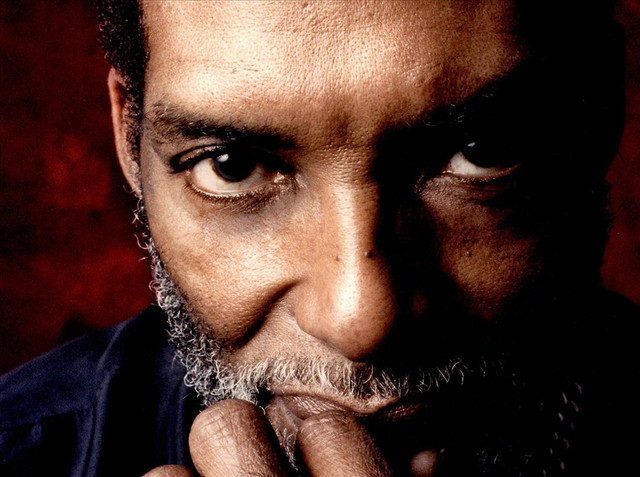
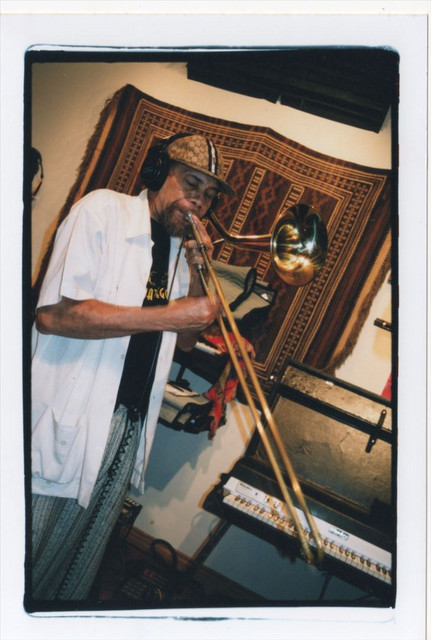
A prolific guitarist who is comfortable playing blues, soul, R&B, and jazz, Phil Upchurch has been a prominent figure in Chicago music circles since the mid-'50s. He initially did freelance sessions with such musicians as <a href="spotify:artist:0U2mUJuJkthantMGmsJygP">Jerry Butler</a> before becoming house guitarist for <a href="spotify:search:label%3A%22Chess%22">Chess</a>. Upchurch's sensitive, often funky chording, riffs, and licks were heard on numerous releases by such artists as <a href="spotify:artist:0wbrRIw2po5DV4LeaHw55S">the Dells</a>, <a href="spotify:artist:0Wxy5Qka8BN9crcFkiAxSR">Howlin' Wolf</a>, <a href="spotify:artist:52uMkSFt2RVO6XxTEt5VeW">Gene Chandler</a>, and <a href="spotify:artist:4y6J8jwRAwO4dssiSmN91R">Muddy Waters</a>. He frequently teamed with drummer <a href="spotify:artist:6T46cZo3M8wXq5eOoXbZBx">Maurice White</a>, who later headed <a href="spotify:artist:4QQgXkCYTt3BlENzhyNETg">Earth, Wind & Fire</a>. He formed the Phil Upchurch Combo in the early '60s, and had a hit with the instrumental "You Can't Sit Down" in 1961. They did some follow-up singles, but none equaled the initial record's success. Upchurch did several soul-jazz and funk dates for such labels as <a href="spotify:search:label%3A%22Sue%22">Sue</a> and <a href="spotify:search:label%3A%22Cadet%22">Cadet</a> in the mid- and late '60s. He signed with <a href="spotify:search:label%3A%22Blue+Thumb%22">Blue Thumb</a> in the '70s and split his time between sessions with <a href="spotify:artist:3Bhgbs9kIwl8SuU0eIqN6b">the Crusaders</a> and <a href="spotify:artist:4FVlx0LkBCw52txBL8QVDl">Ben Sidran</a> and making his own albums. Tommy LiPuma produced Darkness, Darkness and Lovin' Feelin in 1972 and 1973. Upchurch did one LP for <a href="spotify:artist:26wgGfiLU6HFdl5ZPo10ev">Creed Taylor</a>'s Kudu label in 1975, Upchurch Tennyson, with pianist/vocalist <a href="spotify:artist:4Ze7z33ghbIqy0gQtaP7sg">Tennyson Stephens</a>. He returned to studio work, but recorded as a leader for Palladin in 1985, <a href="spotify:search:label%3A%22Ichiban%22">Ichiban</a> in 1991, and <a href="spotify:search:label%3A%22Ridgetop%22">Ridgetop</a> in 1995 and 1997. He remains active as a session musician and bandleader, returning in 1999 with Rhapsody & Blues. Tell the Truth appeared in spring 2001. ~ Ron Wynn, Rovi
Monthly Listeners
6,668
Monthly Listeners History
Track the evolution of monthly listeners over the last 28 days.
Followers
6,134
Followers History
Track the evolution of followers over the last 28 days.
Top Cities
272 listeners

89 listeners
70 listeners
70 listeners

69 listeners

Related Artists