Data may be outdated
Last updated: 9 months ago — Click refresh to get the latest statistics.
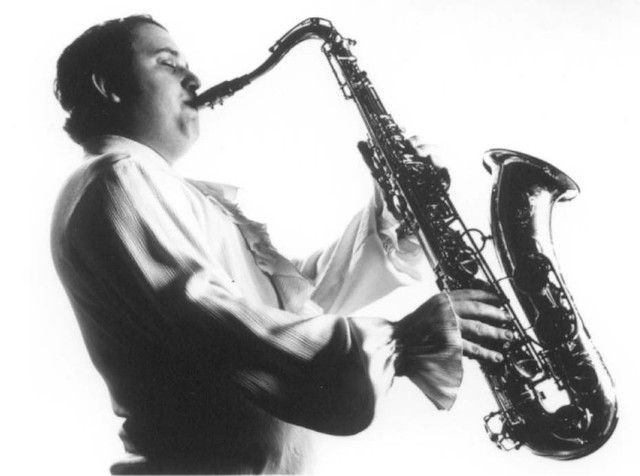
Joe Farrell was an American jazz multi-instrumentalist and elite-caliber bandleader and sideman. Though he played virtually all reeds and winds, his primary tools were saxophones, flute, and oboe. Though his recording career began in 1960, he is best known as a founding member of <a href="spotify:artist:5olDKSsFhhmwh8UCWwKtpq">Chick Corea</a>'s original <a href="spotify:artist:1txWOvvuItlRlkB4rM0cUK">Return to Forever</a> in 1970, and for the seven dates he led for <a href="spotify:search:label%3A%22CTI%22">CTI</a>, including 1970's Joe Farrell Quartet, 1973's Moon Germs, and 1975's Canned Funk. Farrell appeared on dozens of pop, R&B, and rock records from artists including <a href="spotify:artist:6QDWC6QeGhvCWCv3nUJwoV">Laura Nyro</a> and James Brown. He also worked extensively with <a href="spotify:artist:4dUMhhUjQ2YcNTvab29hYF">Elvin Jones</a> from 1968 to 1975, while playing countless sessions and touring with others, and leading his own groups. After <a href="spotify:search:label%3A%22CTI%22">CTI</a>, Farrell issued two albums for <a href="spotify:search:label%3A%22Warner+Bros.%22">Warner Bros.</a>: the Latin jazz outing La Catedral y El Toro and 1978's exercise in disco and smooth jazz Night Dancing. Farrell returned to straight-ahead jazz with 1979's Skate Board Park for <a href="spotify:search:label%3A%22Xanadu%22">Xanadu</a>. 1981's Sonic Text was praised for its forceful post-bop. His final album was 1985's Three-Way Mirror, co-led with former <a href="spotify:artist:1txWOvvuItlRlkB4rM0cUK">RTF</a> bandmates <a href="spotify:artist:3poGT6mQeOlXOdJwvXz5T1">Airto Moreira</a> and <a href="spotify:artist:6GaQjt3WJqroNLGfUsuMpk">Flora Purim</a>. Farrell died in 1986 at age 48. His work has been studied by three succeeding generations of jazz musicians, and his <a href="spotify:search:label%3A%22CTI%22">CTI</a> and <a href="spotify:search:label%3A%22Warner%22">Warner</a> recordings have been reissued numerous times and abundantly sampled by DJs, hip-hop, and electronic producers.
Farrell was born Joseph Carl Firrantello in 1937, in Chicago Heights, Illinois. As a child he began musical studies on flute; at 11, he began playing clarinet; and at 13, saxophone. He participated in academic orchestras and bands throughout elementary and high school. Farrell attended the University of Illinois, where he began his jazz education in earnest. He worked local bandstands in the evenings and even shared them with his heroes <a href="spotify:artist:52cM6vrM4MJ8g4H7Ibo5fZ">Johnny Griffin</a> and <a href="spotify:artist:4tAgCULCgQOWm2GOc6K3nb">Ira Sullivan</a>.
After graduating in 1959, he emigrated to New York City and pursued life as a freelance musician, but found work almost immediately with the Maynard Ferguson Big Band. Farrell made his recording debut with the bandleader on 1960's Newport Suite. He continued to work in the studio and on the road with <a href="spotify:artist:6T4kUHIlszpj944ZXR3yNw">Ferguson</a> through 1965. During that tenure, Farrell also worked with <a href="spotify:artist:1W8TbFzNS15VwsempfY12H">Charles Mingus</a>, <a href="spotify:artist:1JrZuQYlOzhNj1nvlB0Yys">Slide Hampton</a>, <a href="spotify:artist:74Dnr5flGLfLeyV85l0NUr">Willie Bobo</a>, <a href="spotify:artist:748mYOdaWuFH4wXCvsvInR">Dizzy Reece</a>, <a href="spotify:artist:48Uym7gJpfPOZL5zOdUxOC">Rufus Jones</a>, and the Sal Salvador Big Band. In 1965, Farrell joined <a href="spotify:artist:7pZNp3BIssAHQ9jJZssq3Y">Jaki Byard</a>'s quartet for a pair of albums and several tours, and won a slot in the Thad Jones-Mel Lewis Big Band roster. During this latter tenure, Farrell found the time to work with a wide array of jazz musicians across the hard bop and soul-jazz spectrums. The dozens of record dates he played between 1966 and 1970 included outings led by <a href="spotify:artist:4PvoN2l7OuhaABa0nDtxPS">Harold Vick</a>, <a href="spotify:artist:0xRqtLGIVSzXM9yg2wFMLC">Bobby Timmons</a>, <a href="spotify:artist:1T7xYP9ZRJytj25VAAdsB9">Grady Tate</a>, <a href="spotify:artist:2oVwztjpHpJlAvlVVuqVa0">Mongo Santamaria</a>, <a href="spotify:artist:5GXruybcLmXPjR9rKKFyS6">Jimmy Smith</a>, <a href="spotify:artist:2ZvrvbQNrHKwjT7qfGFFUW">Herbie Hancock</a>, and, most importantly, <a href="spotify:artist:4dUMhhUjQ2YcNTvab29hYF">Elvin Jones</a>, whose road and studio bands Farrell joined as a regular member. During this period, the saxophonist also met and worked with Brazilian jazz pioneer Hermeto Paschoal (who introduced him to future collaborators <a href="spotify:artist:3poGT6mQeOlXOdJwvXz5T1">Airto Moreira</a> and <a href="spotify:artist:6GaQjt3WJqroNLGfUsuMpk">Flora Purim</a>), <a href="spotify:artist:4ORSNkNYSzva169PBZCzvy">Andrew Hill</a> (Dance with Death) and <a href="spotify:artist:5olDKSsFhhmwh8UCWwKtpq">Chick Corea</a> -- Farrell played on 1968's Tones for Joan's Bones.
1970 proved a fateful year for Farrell and, a decade after his arrival in New York, cemented his place as a top-tier sideman. He played on recordings by <a href="spotify:artist:4dUMhhUjQ2YcNTvab29hYF">Jones</a>, <a href="spotify:artist:3pO5VjZ4wOHCMBXOvbMISG">Antonio Carlos Jobim</a>, <a href="spotify:artist:7lRFrrINQTY35g8hq0kXY5">Johnny Hodges</a>, <a href="spotify:artist:0sN4enVJwylJKEXZlSbgsm">Mose Allison</a>, and <a href="spotify:artist:6QDWC6QeGhvCWCv3nUJwoV">Laura Nyro</a>. That year, Farrell signed to <a href="spotify:artist:26wgGfiLU6HFdl5ZPo10ev">Creed Taylor</a>'s emerging <a href="spotify:search:label%3A%22CTI%22">CTI</a> label and cut The Joe Farrell Quartet (aka Song of the Wind). His sidemen on the date included <a href="spotify:artist:5olDKSsFhhmwh8UCWwKtpq">Corea</a>, <a href="spotify:artist:4v0R1feRiuCDch7aAheVhY">John McLaughlin</a>, <a href="spotify:artist:7rDjbKTLlpNYJRWMm7QVxU">Jack DeJohnette</a>, and <a href="spotify:artist:1bqaQBqbqbEXPxLF0v6AAH">Dave Holland</a>. The set enjoyed overwhelmingly positive reviews and established Farrell as a headliner on the New York and Los Angeles club scenes.
Though Farrell remained a working member of <a href="spotify:artist:4dUMhhUjQ2YcNTvab29hYF">Jones</a>' quartet, he was also playing a multitude of sessions. In 1971 alone, he played on albums by <a href="spotify:artist:5g2n2H9ndqvejERtwZ1rHh">the Rascals</a>, <a href="spotify:artist:4vpDg7Y7fU982Ds30zawDA">the Band</a>, <a href="spotify:artist:0W498bDDNlJIrYMKXdpLHA">Roberta Flack</a>, and <a href="spotify:artist:0mQU7aLi35kTXGf2WjKM35">Gap Mangione</a>. He played a key role on <a href="spotify:artist:7yyIIRJV6dklQEvISTzRjE">Airto</a>'s legendary Free album, and cut his own sophomore leader set for <a href="spotify:search:label%3A%22CTI%22">CTI</a> entitled Outback, with <a href="spotify:artist:4dUMhhUjQ2YcNTvab29hYF">Jones</a>, <a href="spotify:artist:5olDKSsFhhmwh8UCWwKtpq">Corea</a>, <a href="spotify:artist:7yyIIRJV6dklQEvISTzRjE">Airto</a>, and bassist <a href="spotify:artist:0pSoLnWrkv4lvm0CBl526G">Buster Williams</a>. The following year, Farrell joined <a href="spotify:artist:7yyIIRJV6dklQEvISTzRjE">Airto</a>, <a href="spotify:artist:6GaQjt3WJqroNLGfUsuMpk">Flora</a>, and bassist <a href="spotify:artist:1lGt9WgdYGpMnmwGkcCm05">Stanley Clarke</a> in <a href="spotify:artist:5olDKSsFhhmwh8UCWwKtpq">Corea</a>'s fledgling <a href="spotify:artist:1txWOvvuItlRlkB4rM0cUK">Return to Forever</a>, whose self-titled debut appeared on <a href="spotify:search:label%3A%22ECM%22">ECM</a> to abundant critical acclaim, robust sales, and the jazz chart. It is Farrell's flute on the pianist's "Spain" that buoyed the tune's reputation; the song is now universally considered a jazz standard.
1973 proved one of Farrell's busiest and most successful years. He worked on dozens of recordings including <a href="spotify:artist:7nwUJBm0HE4ZxD3f5cy5ok">Aretha Franklin</a>'s Hey Now Hey (The Other Side of the Sky) and <a href="spotify:artist:77tT1kLj6mCWtFNqiOmP9H">Hall & Oates</a>' Abandoned Luncheonette (that's his sax on immortal single "She's Gone"). He also played on <a href="spotify:artist:0IwfuIL3gUJxjzUqY3wJ3j">Billy Cobham</a>'s fusion classic Spectrum, <a href="spotify:artist:4yr0fHJhSr7ZWlsoZIbg44">Don Sebesky</a>'s Giant Box, <a href="spotify:artist:6GI52t8N5F02MxU0g5U69P">Santana</a>'s jazz-fusion outing Welcome, and <a href="spotify:artist:1txWOvvuItlRlkB4rM0cUK">Return to Forever</a>'s commercial breakthrough album Light as a Feather with guitarist <a href="spotify:artist:7uRdYMSJHit41SIwqUjrHI">Bill Connors</a> appending the lineup. Farrell also issued his third acclaimed leader outing, Moon Germs, backed by <a href="spotify:artist:1lGt9WgdYGpMnmwGkcCm05">Clarke</a>, <a href="spotify:artist:2ZvrvbQNrHKwjT7qfGFFUW">Hancock</a>, and <a href="spotify:artist:7rDjbKTLlpNYJRWMm7QVxU">DeJohnette</a>. In 1974, in addition to playing dozens of studio sessions and touring, Farrell released two hit albums for <a href="spotify:search:label%3A%22CTI%22">CTI</a>: Upon This Rock and Penny Arcade. That year, his horns and winds graced albums by <a href="spotify:artist:2ZvrvbQNrHKwjT7qfGFFUW">Hancock</a>, <a href="spotify:artist:420BtT2Zyze7Eb9zqHcliW">Blue Mitchell</a>, <a href="spotify:artist:2dRsXWVnkku2cMDtV1h6NP">Stanley Turrentine</a>, <a href="spotify:artist:0GX5PlFlvOiEdNvA7YHJzs">Jack McDuff</a>, and <a href="spotify:artist:4dUMhhUjQ2YcNTvab29hYF">Jones</a>, to name scant few.
Farrell cut the charting Canned Funk for <a href="spotify:search:label%3A%22CTI%22">CTI</a> in 1975. In addition to continuing his work with <a href="spotify:artist:4dUMhhUjQ2YcNTvab29hYF">Jones</a>, he played more sessions for <a href="spotify:artist:0W498bDDNlJIrYMKXdpLHA">Flack</a> and <a href="spotify:artist:7nwUJBm0HE4ZxD3f5cy5ok">Franklin</a>, and worked with <a href="spotify:artist:5olDKSsFhhmwh8UCWwKtpq">Corea</a>'s live quartet and with <a href="spotify:artist:1pVtwG5Up1OZOEpSHJ4AAs">Buddy Rich</a>. Farrell also appeared on two truly classic albums that year: <a href="spotify:artist:70nr3KfXHPqD9L1ZA1GT4Q">Mike Longo</a>'s jazz-funk tome 900 Shades of the Blues and Parliament's game-changing Mothership Connection -- the horn section also included <a href="spotify:artist:4RAQZfFgR7NPAWjKwUpEeC">Maceo Parker</a>, <a href="spotify:artist:2uE66NiUti6Wpz90SD4eam">Fred Wesley</a>, and the <a href="spotify:artist:45rpaf8BR69NIPqmeAYb7l">Brecker Brothers</a>. In 1976, Farrell drew on his considerable reputation as a sideman. He was hired to work with guitarist <a href="spotify:artist:6dAtGAnHCQ1ujMUZ9Ep82k">Grant Green</a>, to cut sessions with <a href="spotify:artist:6QDWC6QeGhvCWCv3nUJwoV">Nyro</a> and <a href="spotify:artist:1LZEQNv7sE11VDY3SdxQeN">the Bee Gees</a>, and he co-led Benson & Farrell with guitarist <a href="spotify:artist:4N8BwYTEC6XqykGvXXlmfv">George Benson</a> for <a href="spotify:search:label%3A%22CTI%22">CTI</a>. The saxophonist resumed working in studio and on the road with <a href="spotify:artist:6T4kUHIlszpj944ZXR3yNw">Ferguson</a> and cut his album Primal Scream. Farrell also played on albums by <a href="spotify:artist:5olDKSsFhhmwh8UCWwKtpq">Corea</a> (The Leprechaun), <a href="spotify:artist:0GX5PlFlvOiEdNvA7YHJzs">McDuff</a> (Sophisticated Funk), and <a href="spotify:artist:1OdyhpUABf8avaZ9r8nI1u">Fania All-Stars</a> (Rhythm Machine).
In 1977, Farrell moved to Los Angeles, and signed with <a href="spotify:search:label%3A%22Warner+Bros.%22">Warner Bros.</a> His debut La Catedral y El Toro, was produced, arranged, and conducted by <a href="spotify:artist:6U5U0rNdnTCf88dAyCpmjg">William Eaton</a>. The large group offering featured all-star horn and string sections in a band that included the <a href="spotify:artist:45rpaf8BR69NIPqmeAYb7l">Brecker Brothers</a>, <a href="spotify:artist:7ufZw0wQAJmH6I1OXCtIIe">Eric Gale</a>, <a href="spotify:artist:1RJ851hDpoU9UUIiC9duIU">Ralph MacDonald</a>, <a href="spotify:artist:42zoEf7IcpDSvdQjcrSpHl">Steve Gadd</a>, <a href="spotify:artist:0ugeHL6lEUsqwhHjTebNpV">Ronnie Cuber</a>, <a href="spotify:artist:4jSvNq6yedPhkC4p3zlznC">Anthony Jackson</a>, and <a href="spotify:artist:0WJKkoEXsVTxyNZKhdcacl">Richard Tee</a>. Framed in Latin time signatures and modal forms adorned with lush charts, it is unlike any other date in Farrell's catalog, and considered by some as a modern companion to <a href="spotify:artist:0kbYTNQb4Pb1rPbbaF0pT4">Miles Davis</a>' and <a href="spotify:artist:7g9DeYASD3RzlT4kDchsQZ">Gil Evans</a>' Sketches of Spain. That same year, the saxophonist worked with <a href="spotify:artist:1txWOvvuItlRlkB4rM0cUK">Return to Forever</a> on several live and studio outings (including Musicmagic), as well as <a href="spotify:artist:39iHRO9MH9To3gjW7wqaW1">Lalo Schifrin</a> and the CTI All-Stars. In 1978, Farrell did an about-face and released the disco-smooth jazz fusion outing, Night Dancing. Derided by jazz critics for its deliberately commercial overtones, the set was nonetheless embraced by DJs across the globe --and later sampled abundantly by hip-hop and electronic producers. It currently enjoys a storied place in Farrell's catalog.
While continuing his working relationship with <a href="spotify:artist:6T4kUHIlszpj944ZXR3yNw">Ferguson</a>, Farrell remained entrenched with <a href="spotify:artist:5olDKSsFhhmwh8UCWwKtpq">Corea</a>'s stable of musicians. In addition to <a href="spotify:artist:1txWOvvuItlRlkB4rM0cUK">RTF</a> tours, he contributed to the pianist/keyboardist's The Mad Hatter, Friends, and Secret Agent in 1978 alone. Farrell also played on <a href="spotify:artist:6kEsKkXuE4olX7m3mNLZkS">Art Garfunkel</a>'s Watermark and <a href="spotify:artist:4FtSnMlCVxCswABUmdhwpm">Carly Simon</a>'s Boys in the Trees that year. In 1979, he joined the <a href="spotify:artist:76RVMB4iAPdPJvuTFPkHQ1">Mingus Dynasty Big Band</a> and, in addition to recording their debut Chair in the Sky, he toured with the group across the globe. Farrell also released his own Skate Board Park for <a href="spotify:search:label%3A%22Xanadu%22">Xanadu</a>. Though not commercially successful, it was celebrated by critics as a return to form. That year, Farrell also played on albums by <a href="spotify:artist:6pziRlUMU07bAeSUOTLKFl">Neil Larsen</a>, <a href="spotify:artist:0fTHKjepK5HWOrb2rkS5Em">Freddie Hubbard</a>, <a href="spotify:artist:2dRsXWVnkku2cMDtV1h6NP">Turrentine</a>, and <a href="spotify:artist:5cpKvYFZXiVsN7FRLoNlm1">Jeff Lorber Fusion</a>.
In 1980, Farrell and some <a href="spotify:search:label%3A%22CTI%22">CTI</a> stalwarts formed the revolving studio supergroup <a href="spotify:artist:3sUg8vc5JF003DHhBixhtX">Fuse One</a>. Their self-titled debut was produced by <a href="spotify:artist:26wgGfiLU6HFdl5ZPo10ev">Taylor</a>, and also included <a href="spotify:artist:4B5XByhwtjsqGxs91fYMhZ">Ronnie Foster</a>, <a href="spotify:artist:1LJPMbjmWohx8pVh4bZfAs">Ndugu Chancler</a>, <a href="spotify:artist:1lGt9WgdYGpMnmwGkcCm05">Clarke</a>, <a href="spotify:artist:3ORmVjFB0S4gkfjxyRcNXo">Jeremy Wall</a>, <a href="spotify:artist:4v0R1feRiuCDch7aAheVhY">McLaughlin</a>, <a href="spotify:artist:25s8YpOLWqI2SgTlvapJyQ">Larry Coryell</a>, <a href="spotify:artist:4GkZsIFa4lKHy9e2MuqwIs">Paulinho Da Costa</a>, <a href="spotify:artist:478WAnkTtQach00La2gvxR">Lenny White</a>, and <a href="spotify:artist:6buhk4YoyMTp2A1oGuL2L6">Jorge Dalto</a>. The set charted not only in the Top Ten for Jazz, but in the Top 200 as well. He also worked with the Harris Simon Group, <a href="spotify:artist:4yr0fHJhSr7ZWlsoZIbg44">Don Sebesky</a>, and <a href="spotify:artist:0GX5PlFlvOiEdNvA7YHJzs">McDuff</a>. Farrell issued a pair of outings under his own name that year: the post-bop Farrell's Inferno on <a href="spotify:search:label%3A%22Jazz+Ala+Carte%22">Jazz Ala Carte</a> and a live fusion outing with <a href="spotify:artist:1LI9iEq0loU9cdIa1dxVDj">Paul Horn</a> entitled Jazz Gala 1980 Vol. 3.
In 1981, Farrell re-appeared with <a href="spotify:artist:76RVMB4iAPdPJvuTFPkHQ1">Mingus Dynasty</a> on Live at Montreux and played on <a href="spotify:artist:2h4ndKS2vRWeFLpq8ARu0D">Ray Barretto</a>'s Latin jazz classic La Cuna. He also released his own Sonic Text, a post-bop outing for Les Koenig's <a href="spotify:search:label%3A%22Contemporary%22">Contemporary</a> label, leading an all-star lineup that included <a href="spotify:artist:0fTHKjepK5HWOrb2rkS5Em">Hubbard</a>, <a href="spotify:artist:3Bm6MhzPUczH3Pej2FNqGi">Peter Erskine</a>, <a href="spotify:artist:2UESE6AjDHmxcy9J30M29R">George Cables</a>, and Tony Dumas. The following year, the latter two and drummer <a href="spotify:artist:0hoKoYwUvhpoeEyJfrnnUN">John Dentz</a> appeared on Farrell's Someday, and introduced him to their regular boss, saxophonist/clarinetist <a href="spotify:artist:3GpMtIOC5ZLvMBMI7IxPvA">Art Pepper</a>. <a href="spotify:artist:3GpMtIOC5ZLvMBMI7IxPvA">Pepper</a> enlisted Farrell's tenor for a reading of the standard "Someday My Prince Will Come" on an album called Darn That Dream. In 1983, Farrell worked the clubs in a quartet he formed with drummer <a href="spotify:artist:5Ouogjg668pTmPkpgI8z0L">Louis Hayes</a> and appeared on albums by <a href="spotify:artist:0JxChc2w5fwTGbXKfc4cRd">Patti Austin</a> and <a href="spotify:artist:4N8BwYTEC6XqykGvXXlmfv">George Benson</a>. <a href="spotify:artist:3sUg8vc5JF003DHhBixhtX">Fuse One</a> issued Silk, its charting sophomore release that year.
The Joe Farrell-Louis Hayes Quartet released their debut album Vim 'n' Vigor for <a href="spotify:search:label%3A%22Timeless%22">Timeless</a> in 1984. He also played saxophone on the iconic international club smash by James Brown "King Heroin," and resumed his working relationship with <a href="spotify:artist:7yyIIRJV6dklQEvISTzRjE">Airto</a> for the percussionist's album Latino / Aqui Se Puede. In 1985, Farrell was diagnosed with bone cancer but refused to slow down. The year saw a reunion between Farrell, <a href="spotify:artist:7yyIIRJV6dklQEvISTzRjE">Airto</a>, and <a href="spotify:artist:6GaQjt3WJqroNLGfUsuMpk">Flora Purim</a>. They cut the album Humble People, and a few months later released the Three-Way Mirror on <a href="spotify:search:label%3A%22Reference+Recordings%22">Reference Recordings</a>; the latter was co-billed to all three artists. It was Farrell's final album. On June 1, 1986, at the age of 48, Farrell passed away in the Duarte. He is revered by jazz fans as a consummate saxophonist, flutist, and technician, and by fans of funk, hip-hop, and EDM as a pioneer who sought to erase boundaries between jazz, pop, and the dancefloor. ~ Thom Jurek, Rovi
Farrell was born Joseph Carl Firrantello in 1937, in Chicago Heights, Illinois. As a child he began musical studies on flute; at 11, he began playing clarinet; and at 13, saxophone. He participated in academic orchestras and bands throughout elementary and high school. Farrell attended the University of Illinois, where he began his jazz education in earnest. He worked local bandstands in the evenings and even shared them with his heroes <a href="spotify:artist:52cM6vrM4MJ8g4H7Ibo5fZ">Johnny Griffin</a> and <a href="spotify:artist:4tAgCULCgQOWm2GOc6K3nb">Ira Sullivan</a>.
After graduating in 1959, he emigrated to New York City and pursued life as a freelance musician, but found work almost immediately with the Maynard Ferguson Big Band. Farrell made his recording debut with the bandleader on 1960's Newport Suite. He continued to work in the studio and on the road with <a href="spotify:artist:6T4kUHIlszpj944ZXR3yNw">Ferguson</a> through 1965. During that tenure, Farrell also worked with <a href="spotify:artist:1W8TbFzNS15VwsempfY12H">Charles Mingus</a>, <a href="spotify:artist:1JrZuQYlOzhNj1nvlB0Yys">Slide Hampton</a>, <a href="spotify:artist:74Dnr5flGLfLeyV85l0NUr">Willie Bobo</a>, <a href="spotify:artist:748mYOdaWuFH4wXCvsvInR">Dizzy Reece</a>, <a href="spotify:artist:48Uym7gJpfPOZL5zOdUxOC">Rufus Jones</a>, and the Sal Salvador Big Band. In 1965, Farrell joined <a href="spotify:artist:7pZNp3BIssAHQ9jJZssq3Y">Jaki Byard</a>'s quartet for a pair of albums and several tours, and won a slot in the Thad Jones-Mel Lewis Big Band roster. During this latter tenure, Farrell found the time to work with a wide array of jazz musicians across the hard bop and soul-jazz spectrums. The dozens of record dates he played between 1966 and 1970 included outings led by <a href="spotify:artist:4PvoN2l7OuhaABa0nDtxPS">Harold Vick</a>, <a href="spotify:artist:0xRqtLGIVSzXM9yg2wFMLC">Bobby Timmons</a>, <a href="spotify:artist:1T7xYP9ZRJytj25VAAdsB9">Grady Tate</a>, <a href="spotify:artist:2oVwztjpHpJlAvlVVuqVa0">Mongo Santamaria</a>, <a href="spotify:artist:5GXruybcLmXPjR9rKKFyS6">Jimmy Smith</a>, <a href="spotify:artist:2ZvrvbQNrHKwjT7qfGFFUW">Herbie Hancock</a>, and, most importantly, <a href="spotify:artist:4dUMhhUjQ2YcNTvab29hYF">Elvin Jones</a>, whose road and studio bands Farrell joined as a regular member. During this period, the saxophonist also met and worked with Brazilian jazz pioneer Hermeto Paschoal (who introduced him to future collaborators <a href="spotify:artist:3poGT6mQeOlXOdJwvXz5T1">Airto Moreira</a> and <a href="spotify:artist:6GaQjt3WJqroNLGfUsuMpk">Flora Purim</a>), <a href="spotify:artist:4ORSNkNYSzva169PBZCzvy">Andrew Hill</a> (Dance with Death) and <a href="spotify:artist:5olDKSsFhhmwh8UCWwKtpq">Chick Corea</a> -- Farrell played on 1968's Tones for Joan's Bones.
1970 proved a fateful year for Farrell and, a decade after his arrival in New York, cemented his place as a top-tier sideman. He played on recordings by <a href="spotify:artist:4dUMhhUjQ2YcNTvab29hYF">Jones</a>, <a href="spotify:artist:3pO5VjZ4wOHCMBXOvbMISG">Antonio Carlos Jobim</a>, <a href="spotify:artist:7lRFrrINQTY35g8hq0kXY5">Johnny Hodges</a>, <a href="spotify:artist:0sN4enVJwylJKEXZlSbgsm">Mose Allison</a>, and <a href="spotify:artist:6QDWC6QeGhvCWCv3nUJwoV">Laura Nyro</a>. That year, Farrell signed to <a href="spotify:artist:26wgGfiLU6HFdl5ZPo10ev">Creed Taylor</a>'s emerging <a href="spotify:search:label%3A%22CTI%22">CTI</a> label and cut The Joe Farrell Quartet (aka Song of the Wind). His sidemen on the date included <a href="spotify:artist:5olDKSsFhhmwh8UCWwKtpq">Corea</a>, <a href="spotify:artist:4v0R1feRiuCDch7aAheVhY">John McLaughlin</a>, <a href="spotify:artist:7rDjbKTLlpNYJRWMm7QVxU">Jack DeJohnette</a>, and <a href="spotify:artist:1bqaQBqbqbEXPxLF0v6AAH">Dave Holland</a>. The set enjoyed overwhelmingly positive reviews and established Farrell as a headliner on the New York and Los Angeles club scenes.
Though Farrell remained a working member of <a href="spotify:artist:4dUMhhUjQ2YcNTvab29hYF">Jones</a>' quartet, he was also playing a multitude of sessions. In 1971 alone, he played on albums by <a href="spotify:artist:5g2n2H9ndqvejERtwZ1rHh">the Rascals</a>, <a href="spotify:artist:4vpDg7Y7fU982Ds30zawDA">the Band</a>, <a href="spotify:artist:0W498bDDNlJIrYMKXdpLHA">Roberta Flack</a>, and <a href="spotify:artist:0mQU7aLi35kTXGf2WjKM35">Gap Mangione</a>. He played a key role on <a href="spotify:artist:7yyIIRJV6dklQEvISTzRjE">Airto</a>'s legendary Free album, and cut his own sophomore leader set for <a href="spotify:search:label%3A%22CTI%22">CTI</a> entitled Outback, with <a href="spotify:artist:4dUMhhUjQ2YcNTvab29hYF">Jones</a>, <a href="spotify:artist:5olDKSsFhhmwh8UCWwKtpq">Corea</a>, <a href="spotify:artist:7yyIIRJV6dklQEvISTzRjE">Airto</a>, and bassist <a href="spotify:artist:0pSoLnWrkv4lvm0CBl526G">Buster Williams</a>. The following year, Farrell joined <a href="spotify:artist:7yyIIRJV6dklQEvISTzRjE">Airto</a>, <a href="spotify:artist:6GaQjt3WJqroNLGfUsuMpk">Flora</a>, and bassist <a href="spotify:artist:1lGt9WgdYGpMnmwGkcCm05">Stanley Clarke</a> in <a href="spotify:artist:5olDKSsFhhmwh8UCWwKtpq">Corea</a>'s fledgling <a href="spotify:artist:1txWOvvuItlRlkB4rM0cUK">Return to Forever</a>, whose self-titled debut appeared on <a href="spotify:search:label%3A%22ECM%22">ECM</a> to abundant critical acclaim, robust sales, and the jazz chart. It is Farrell's flute on the pianist's "Spain" that buoyed the tune's reputation; the song is now universally considered a jazz standard.
1973 proved one of Farrell's busiest and most successful years. He worked on dozens of recordings including <a href="spotify:artist:7nwUJBm0HE4ZxD3f5cy5ok">Aretha Franklin</a>'s Hey Now Hey (The Other Side of the Sky) and <a href="spotify:artist:77tT1kLj6mCWtFNqiOmP9H">Hall & Oates</a>' Abandoned Luncheonette (that's his sax on immortal single "She's Gone"). He also played on <a href="spotify:artist:0IwfuIL3gUJxjzUqY3wJ3j">Billy Cobham</a>'s fusion classic Spectrum, <a href="spotify:artist:4yr0fHJhSr7ZWlsoZIbg44">Don Sebesky</a>'s Giant Box, <a href="spotify:artist:6GI52t8N5F02MxU0g5U69P">Santana</a>'s jazz-fusion outing Welcome, and <a href="spotify:artist:1txWOvvuItlRlkB4rM0cUK">Return to Forever</a>'s commercial breakthrough album Light as a Feather with guitarist <a href="spotify:artist:7uRdYMSJHit41SIwqUjrHI">Bill Connors</a> appending the lineup. Farrell also issued his third acclaimed leader outing, Moon Germs, backed by <a href="spotify:artist:1lGt9WgdYGpMnmwGkcCm05">Clarke</a>, <a href="spotify:artist:2ZvrvbQNrHKwjT7qfGFFUW">Hancock</a>, and <a href="spotify:artist:7rDjbKTLlpNYJRWMm7QVxU">DeJohnette</a>. In 1974, in addition to playing dozens of studio sessions and touring, Farrell released two hit albums for <a href="spotify:search:label%3A%22CTI%22">CTI</a>: Upon This Rock and Penny Arcade. That year, his horns and winds graced albums by <a href="spotify:artist:2ZvrvbQNrHKwjT7qfGFFUW">Hancock</a>, <a href="spotify:artist:420BtT2Zyze7Eb9zqHcliW">Blue Mitchell</a>, <a href="spotify:artist:2dRsXWVnkku2cMDtV1h6NP">Stanley Turrentine</a>, <a href="spotify:artist:0GX5PlFlvOiEdNvA7YHJzs">Jack McDuff</a>, and <a href="spotify:artist:4dUMhhUjQ2YcNTvab29hYF">Jones</a>, to name scant few.
Farrell cut the charting Canned Funk for <a href="spotify:search:label%3A%22CTI%22">CTI</a> in 1975. In addition to continuing his work with <a href="spotify:artist:4dUMhhUjQ2YcNTvab29hYF">Jones</a>, he played more sessions for <a href="spotify:artist:0W498bDDNlJIrYMKXdpLHA">Flack</a> and <a href="spotify:artist:7nwUJBm0HE4ZxD3f5cy5ok">Franklin</a>, and worked with <a href="spotify:artist:5olDKSsFhhmwh8UCWwKtpq">Corea</a>'s live quartet and with <a href="spotify:artist:1pVtwG5Up1OZOEpSHJ4AAs">Buddy Rich</a>. Farrell also appeared on two truly classic albums that year: <a href="spotify:artist:70nr3KfXHPqD9L1ZA1GT4Q">Mike Longo</a>'s jazz-funk tome 900 Shades of the Blues and Parliament's game-changing Mothership Connection -- the horn section also included <a href="spotify:artist:4RAQZfFgR7NPAWjKwUpEeC">Maceo Parker</a>, <a href="spotify:artist:2uE66NiUti6Wpz90SD4eam">Fred Wesley</a>, and the <a href="spotify:artist:45rpaf8BR69NIPqmeAYb7l">Brecker Brothers</a>. In 1976, Farrell drew on his considerable reputation as a sideman. He was hired to work with guitarist <a href="spotify:artist:6dAtGAnHCQ1ujMUZ9Ep82k">Grant Green</a>, to cut sessions with <a href="spotify:artist:6QDWC6QeGhvCWCv3nUJwoV">Nyro</a> and <a href="spotify:artist:1LZEQNv7sE11VDY3SdxQeN">the Bee Gees</a>, and he co-led Benson & Farrell with guitarist <a href="spotify:artist:4N8BwYTEC6XqykGvXXlmfv">George Benson</a> for <a href="spotify:search:label%3A%22CTI%22">CTI</a>. The saxophonist resumed working in studio and on the road with <a href="spotify:artist:6T4kUHIlszpj944ZXR3yNw">Ferguson</a> and cut his album Primal Scream. Farrell also played on albums by <a href="spotify:artist:5olDKSsFhhmwh8UCWwKtpq">Corea</a> (The Leprechaun), <a href="spotify:artist:0GX5PlFlvOiEdNvA7YHJzs">McDuff</a> (Sophisticated Funk), and <a href="spotify:artist:1OdyhpUABf8avaZ9r8nI1u">Fania All-Stars</a> (Rhythm Machine).
In 1977, Farrell moved to Los Angeles, and signed with <a href="spotify:search:label%3A%22Warner+Bros.%22">Warner Bros.</a> His debut La Catedral y El Toro, was produced, arranged, and conducted by <a href="spotify:artist:6U5U0rNdnTCf88dAyCpmjg">William Eaton</a>. The large group offering featured all-star horn and string sections in a band that included the <a href="spotify:artist:45rpaf8BR69NIPqmeAYb7l">Brecker Brothers</a>, <a href="spotify:artist:7ufZw0wQAJmH6I1OXCtIIe">Eric Gale</a>, <a href="spotify:artist:1RJ851hDpoU9UUIiC9duIU">Ralph MacDonald</a>, <a href="spotify:artist:42zoEf7IcpDSvdQjcrSpHl">Steve Gadd</a>, <a href="spotify:artist:0ugeHL6lEUsqwhHjTebNpV">Ronnie Cuber</a>, <a href="spotify:artist:4jSvNq6yedPhkC4p3zlznC">Anthony Jackson</a>, and <a href="spotify:artist:0WJKkoEXsVTxyNZKhdcacl">Richard Tee</a>. Framed in Latin time signatures and modal forms adorned with lush charts, it is unlike any other date in Farrell's catalog, and considered by some as a modern companion to <a href="spotify:artist:0kbYTNQb4Pb1rPbbaF0pT4">Miles Davis</a>' and <a href="spotify:artist:7g9DeYASD3RzlT4kDchsQZ">Gil Evans</a>' Sketches of Spain. That same year, the saxophonist worked with <a href="spotify:artist:1txWOvvuItlRlkB4rM0cUK">Return to Forever</a> on several live and studio outings (including Musicmagic), as well as <a href="spotify:artist:39iHRO9MH9To3gjW7wqaW1">Lalo Schifrin</a> and the CTI All-Stars. In 1978, Farrell did an about-face and released the disco-smooth jazz fusion outing, Night Dancing. Derided by jazz critics for its deliberately commercial overtones, the set was nonetheless embraced by DJs across the globe --and later sampled abundantly by hip-hop and electronic producers. It currently enjoys a storied place in Farrell's catalog.
While continuing his working relationship with <a href="spotify:artist:6T4kUHIlszpj944ZXR3yNw">Ferguson</a>, Farrell remained entrenched with <a href="spotify:artist:5olDKSsFhhmwh8UCWwKtpq">Corea</a>'s stable of musicians. In addition to <a href="spotify:artist:1txWOvvuItlRlkB4rM0cUK">RTF</a> tours, he contributed to the pianist/keyboardist's The Mad Hatter, Friends, and Secret Agent in 1978 alone. Farrell also played on <a href="spotify:artist:6kEsKkXuE4olX7m3mNLZkS">Art Garfunkel</a>'s Watermark and <a href="spotify:artist:4FtSnMlCVxCswABUmdhwpm">Carly Simon</a>'s Boys in the Trees that year. In 1979, he joined the <a href="spotify:artist:76RVMB4iAPdPJvuTFPkHQ1">Mingus Dynasty Big Band</a> and, in addition to recording their debut Chair in the Sky, he toured with the group across the globe. Farrell also released his own Skate Board Park for <a href="spotify:search:label%3A%22Xanadu%22">Xanadu</a>. Though not commercially successful, it was celebrated by critics as a return to form. That year, Farrell also played on albums by <a href="spotify:artist:6pziRlUMU07bAeSUOTLKFl">Neil Larsen</a>, <a href="spotify:artist:0fTHKjepK5HWOrb2rkS5Em">Freddie Hubbard</a>, <a href="spotify:artist:2dRsXWVnkku2cMDtV1h6NP">Turrentine</a>, and <a href="spotify:artist:5cpKvYFZXiVsN7FRLoNlm1">Jeff Lorber Fusion</a>.
In 1980, Farrell and some <a href="spotify:search:label%3A%22CTI%22">CTI</a> stalwarts formed the revolving studio supergroup <a href="spotify:artist:3sUg8vc5JF003DHhBixhtX">Fuse One</a>. Their self-titled debut was produced by <a href="spotify:artist:26wgGfiLU6HFdl5ZPo10ev">Taylor</a>, and also included <a href="spotify:artist:4B5XByhwtjsqGxs91fYMhZ">Ronnie Foster</a>, <a href="spotify:artist:1LJPMbjmWohx8pVh4bZfAs">Ndugu Chancler</a>, <a href="spotify:artist:1lGt9WgdYGpMnmwGkcCm05">Clarke</a>, <a href="spotify:artist:3ORmVjFB0S4gkfjxyRcNXo">Jeremy Wall</a>, <a href="spotify:artist:4v0R1feRiuCDch7aAheVhY">McLaughlin</a>, <a href="spotify:artist:25s8YpOLWqI2SgTlvapJyQ">Larry Coryell</a>, <a href="spotify:artist:4GkZsIFa4lKHy9e2MuqwIs">Paulinho Da Costa</a>, <a href="spotify:artist:478WAnkTtQach00La2gvxR">Lenny White</a>, and <a href="spotify:artist:6buhk4YoyMTp2A1oGuL2L6">Jorge Dalto</a>. The set charted not only in the Top Ten for Jazz, but in the Top 200 as well. He also worked with the Harris Simon Group, <a href="spotify:artist:4yr0fHJhSr7ZWlsoZIbg44">Don Sebesky</a>, and <a href="spotify:artist:0GX5PlFlvOiEdNvA7YHJzs">McDuff</a>. Farrell issued a pair of outings under his own name that year: the post-bop Farrell's Inferno on <a href="spotify:search:label%3A%22Jazz+Ala+Carte%22">Jazz Ala Carte</a> and a live fusion outing with <a href="spotify:artist:1LI9iEq0loU9cdIa1dxVDj">Paul Horn</a> entitled Jazz Gala 1980 Vol. 3.
In 1981, Farrell re-appeared with <a href="spotify:artist:76RVMB4iAPdPJvuTFPkHQ1">Mingus Dynasty</a> on Live at Montreux and played on <a href="spotify:artist:2h4ndKS2vRWeFLpq8ARu0D">Ray Barretto</a>'s Latin jazz classic La Cuna. He also released his own Sonic Text, a post-bop outing for Les Koenig's <a href="spotify:search:label%3A%22Contemporary%22">Contemporary</a> label, leading an all-star lineup that included <a href="spotify:artist:0fTHKjepK5HWOrb2rkS5Em">Hubbard</a>, <a href="spotify:artist:3Bm6MhzPUczH3Pej2FNqGi">Peter Erskine</a>, <a href="spotify:artist:2UESE6AjDHmxcy9J30M29R">George Cables</a>, and Tony Dumas. The following year, the latter two and drummer <a href="spotify:artist:0hoKoYwUvhpoeEyJfrnnUN">John Dentz</a> appeared on Farrell's Someday, and introduced him to their regular boss, saxophonist/clarinetist <a href="spotify:artist:3GpMtIOC5ZLvMBMI7IxPvA">Art Pepper</a>. <a href="spotify:artist:3GpMtIOC5ZLvMBMI7IxPvA">Pepper</a> enlisted Farrell's tenor for a reading of the standard "Someday My Prince Will Come" on an album called Darn That Dream. In 1983, Farrell worked the clubs in a quartet he formed with drummer <a href="spotify:artist:5Ouogjg668pTmPkpgI8z0L">Louis Hayes</a> and appeared on albums by <a href="spotify:artist:0JxChc2w5fwTGbXKfc4cRd">Patti Austin</a> and <a href="spotify:artist:4N8BwYTEC6XqykGvXXlmfv">George Benson</a>. <a href="spotify:artist:3sUg8vc5JF003DHhBixhtX">Fuse One</a> issued Silk, its charting sophomore release that year.
The Joe Farrell-Louis Hayes Quartet released their debut album Vim 'n' Vigor for <a href="spotify:search:label%3A%22Timeless%22">Timeless</a> in 1984. He also played saxophone on the iconic international club smash by James Brown "King Heroin," and resumed his working relationship with <a href="spotify:artist:7yyIIRJV6dklQEvISTzRjE">Airto</a> for the percussionist's album Latino / Aqui Se Puede. In 1985, Farrell was diagnosed with bone cancer but refused to slow down. The year saw a reunion between Farrell, <a href="spotify:artist:7yyIIRJV6dklQEvISTzRjE">Airto</a>, and <a href="spotify:artist:6GaQjt3WJqroNLGfUsuMpk">Flora Purim</a>. They cut the album Humble People, and a few months later released the Three-Way Mirror on <a href="spotify:search:label%3A%22Reference+Recordings%22">Reference Recordings</a>; the latter was co-billed to all three artists. It was Farrell's final album. On June 1, 1986, at the age of 48, Farrell passed away in the Duarte. He is revered by jazz fans as a consummate saxophonist, flutist, and technician, and by fans of funk, hip-hop, and EDM as a pioneer who sought to erase boundaries between jazz, pop, and the dancefloor. ~ Thom Jurek, Rovi
Monthly Listeners
8,291
Monthly Listeners History
Track the evolution of monthly listeners over the last 28 days.
Followers
9,819
Followers History
Track the evolution of followers over the last 28 days.
Top Cities
147 listeners

99 listeners
94 listeners
88 listeners
84 listeners
Related Artists



L.A. Express

Carlos Garnett






The Fourth Way