Artist
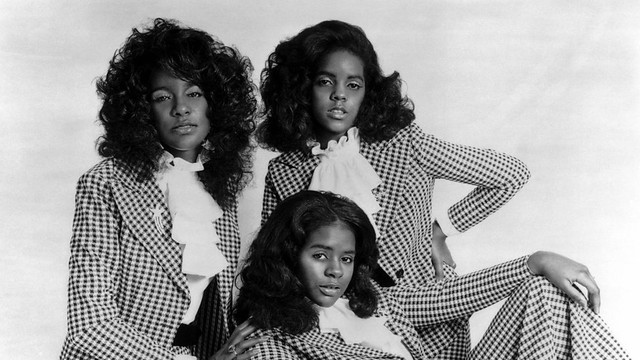
The Jones Girls
Data may be outdated
Last updated: 7 months ago — Click refresh to get the latest statistics.
While they weren't a Philly soul group in the strictest sense, no overview of the greatest recordings written and produced by <a href="spotify:artist:0TEdanYTgQdUgNBPjK2vXI">Kenny Gamble</a> and <a href="spotify:artist:24uSOCTYbMPqL1B56WYT7T">Leon Huff</a> -- or most of the scene's other major figures, including <a href="spotify:artist:2Dk9O4J8UBA3dtuy9CtUcz">Linda Creed</a>, Thom Bell, and <a href="spotify:artist:7azp9wRyXcxIq5vZnJgYvt">Dexter Wansel</a> -- would be complete without the Jones Girls. Like fellow Detroiters <a href="spotify:artist:5fbhwqYYh4YwUoEs582mq5">the Spinners</a> and Ohio's <a href="spotify:artist:38h03gA85YYPeDPd9ER9rT">the O'Jays</a>, the Jones sisters added Midwest flavor to the lush Philly sound, and they elevated their material with sibling harmonies as impeccable as those of <a href="spotify:artist:2kreKea2n96dXjcyAU9j5N">the Pointer Sisters</a>, <a href="spotify:artist:64CuUOOirKmdAYLQSfaOyr">the Emotions</a>, and <a href="spotify:artist:6gkWznnJkdkwRPVcmnrays">Sister Sledge</a>. In the process, the Joneses delivered some of the finest dancefloor jams and quiet storm ballads of the late 1970s and early '80s for <a href="spotify:artist:0TEdanYTgQdUgNBPjK2vXI">Gamble</a> and <a href="spotify:artist:24uSOCTYbMPqL1B56WYT7T">Huff</a>'s <a href="spotify:search:label%3A%22Philadelphia+International%22">Philadelphia International</a> label. These include the Top 40, gold-certified crossover hit "You Gonna Make Me Love Somebody Else" (1979), the quiet storm classic "Nights Over Egypt" (1981), and beloved deep cuts such as "Who Can I Run To" (covered over a decade later by <a href="spotify:artist:5z2cHsOmmmWcAPNG1oEhw0">Xscape</a>, who took it to the Top Ten). After a brief phase with <a href="spotify:search:label%3A%22RCA%22">RCA</a>, the Jones Girls recorded less frequently and made their final studio statement in the early '90s.
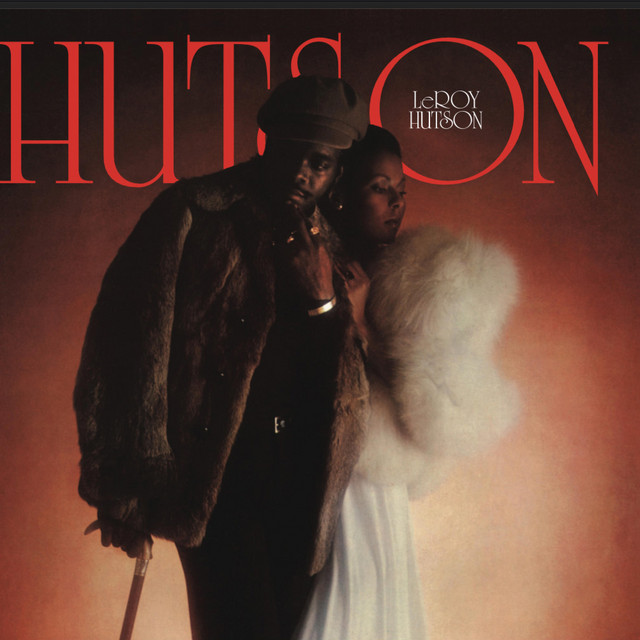
The daughters of gospel singer Mary Francis Jones, the Jones Girls -- <a href="spotify:artist:7722txNx6G1Q5u0kS7WaZn">Shirley</a>, Valorie, and Brenda -- were born and raised in Detroit. The sisters made their recorded debut as the Jones Girls in 1970 with "My Own Special Way," written by Eddie Robinson and produced by Dick Scott. Up through 1975, they collaborated with songwriters and producers such as Brian Holland, <a href="spotify:artist:6Dpx8fRtNa9CEORHIiBQTG">Lamont Dozier</a>, and <a href="spotify:artist:5YJjMGHVQj1IHBabXX8lH6">Leroy Hutson</a> while they recorded seven additional singles for <a href="spotify:search:label%3A%22Music+Merchant%22">Music Merchant</a>, <a href="spotify:search:label%3A%22Paramount%22">Paramount</a>, and <a href="spotify:search:label%3A%22Curtom%22">Curtom</a>. Near the end of that era, they became in demand as session and live background vocalists. Fellow Detroiters <a href="spotify:artist:3MdG05syQeRYPPcClLaUGl">Diana Ross</a> and <a href="spotify:artist:7nwUJBm0HE4ZxD3f5cy5ok">Aretha Franklin</a>, as well as <a href="spotify:artist:1zJBFCev9UwOMcrZsLi2od">Lou Rawls</a> and <a href="spotify:artist:68kACMx6A3D2BYiO056MeQ">Teddy Pendergrass</a>, were among the artists they supported.
At the tail-end of the '70s, the Joneses continued to do background work and also signed with <a href="spotify:search:label%3A%22Philadelphia+International%22">Philadelphia International</a>, where they enjoyed greater commercial success as lead artists. From 1979 through 1981, they issued three albums on the label: The Jones Girls (1979), At Peace with Woman (1980), and Get as Much Love as You Can (1981). The first two reached the Top Ten of Billboard's R&B chart, peaking respectively at number eight and seven. "You Gonna Make Me Love Somebody Else," their first <a href="spotify:search:label%3A%22PIR%22">PIR</a> single, was a number 38 pop hit (number five R&B) written and produced by Philly soul titans <a href="spotify:artist:0TEdanYTgQdUgNBPjK2vXI">Kenny Gamble</a> and <a href="spotify:artist:24uSOCTYbMPqL1B56WYT7T">Leon Huff</a>. The three LPs yielded six additional charting singles, including "Dance Turned Into a Romance," "I Just Love the Man" (number nine R&B), "(I Found) That Man of Mine," and "Nights Over Egypt." Also during this period, they were featured on frequent studio partner <a href="spotify:artist:7azp9wRyXcxIq5vZnJgYvt">Dexter Wansel</a>'s "I'll Never Forget (My Favorite Disco)."
The Jones Girls joined the <a href="spotify:search:label%3A%22RCA%22">RCA</a> roster to make On Target (1983), on which they worked closely with the team of Robert Wright and <a href="spotify:artist:2yIqYxsD6KKEf5RtCmhNid">Fonzi Thornton</a>. The title track and "2 Win U Back" became the group's final charting singles. Shortly thereafter,<a href="spotify:search:label%3A%22+Philadelphia+International%22"> Philadelphia International</a> rounded up some previously unreleased material for Keep It Comin' (1984), and <a href="spotify:artist:7722txNx6G1Q5u0kS7WaZn">Shirley</a> soon launched a solo career on the same label with Always in the Mood (1986). Although the sisters kept busy with some session work, they didn't make another album until early the next decade, when they returned with Coming Back (1992), an independent U.K. release boasting a couple productions by <a href="spotify:artist:2sIx6SmAMw9IBySG3Uj0jf">Soul II Soul</a>'s Jazzie B. Valorie died in 2001. Sixteen years later, Brenda died after she was struck by vehicles while walking across a street. <a href="spotify:artist:7722txNx6G1Q5u0kS7WaZn">Shirley Jones</a>, joined by other family members, continued performing Jones Girls songs into the 2020s. ~ Andy Kellman, Rovi
The daughters of gospel singer Mary Francis Jones, the Jones Girls -- <a href="spotify:artist:7722txNx6G1Q5u0kS7WaZn">Shirley</a>, Valorie, and Brenda -- were born and raised in Detroit. The sisters made their recorded debut as the Jones Girls in 1970 with "My Own Special Way," written by Eddie Robinson and produced by Dick Scott. Up through 1975, they collaborated with songwriters and producers such as Brian Holland, <a href="spotify:artist:6Dpx8fRtNa9CEORHIiBQTG">Lamont Dozier</a>, and <a href="spotify:artist:5YJjMGHVQj1IHBabXX8lH6">Leroy Hutson</a> while they recorded seven additional singles for <a href="spotify:search:label%3A%22Music+Merchant%22">Music Merchant</a>, <a href="spotify:search:label%3A%22Paramount%22">Paramount</a>, and <a href="spotify:search:label%3A%22Curtom%22">Curtom</a>. Near the end of that era, they became in demand as session and live background vocalists. Fellow Detroiters <a href="spotify:artist:3MdG05syQeRYPPcClLaUGl">Diana Ross</a> and <a href="spotify:artist:7nwUJBm0HE4ZxD3f5cy5ok">Aretha Franklin</a>, as well as <a href="spotify:artist:1zJBFCev9UwOMcrZsLi2od">Lou Rawls</a> and <a href="spotify:artist:68kACMx6A3D2BYiO056MeQ">Teddy Pendergrass</a>, were among the artists they supported.
At the tail-end of the '70s, the Joneses continued to do background work and also signed with <a href="spotify:search:label%3A%22Philadelphia+International%22">Philadelphia International</a>, where they enjoyed greater commercial success as lead artists. From 1979 through 1981, they issued three albums on the label: The Jones Girls (1979), At Peace with Woman (1980), and Get as Much Love as You Can (1981). The first two reached the Top Ten of Billboard's R&B chart, peaking respectively at number eight and seven. "You Gonna Make Me Love Somebody Else," their first <a href="spotify:search:label%3A%22PIR%22">PIR</a> single, was a number 38 pop hit (number five R&B) written and produced by Philly soul titans <a href="spotify:artist:0TEdanYTgQdUgNBPjK2vXI">Kenny Gamble</a> and <a href="spotify:artist:24uSOCTYbMPqL1B56WYT7T">Leon Huff</a>. The three LPs yielded six additional charting singles, including "Dance Turned Into a Romance," "I Just Love the Man" (number nine R&B), "(I Found) That Man of Mine," and "Nights Over Egypt." Also during this period, they were featured on frequent studio partner <a href="spotify:artist:7azp9wRyXcxIq5vZnJgYvt">Dexter Wansel</a>'s "I'll Never Forget (My Favorite Disco)."
The Jones Girls joined the <a href="spotify:search:label%3A%22RCA%22">RCA</a> roster to make On Target (1983), on which they worked closely with the team of Robert Wright and <a href="spotify:artist:2yIqYxsD6KKEf5RtCmhNid">Fonzi Thornton</a>. The title track and "2 Win U Back" became the group's final charting singles. Shortly thereafter,<a href="spotify:search:label%3A%22+Philadelphia+International%22"> Philadelphia International</a> rounded up some previously unreleased material for Keep It Comin' (1984), and <a href="spotify:artist:7722txNx6G1Q5u0kS7WaZn">Shirley</a> soon launched a solo career on the same label with Always in the Mood (1986). Although the sisters kept busy with some session work, they didn't make another album until early the next decade, when they returned with Coming Back (1992), an independent U.K. release boasting a couple productions by <a href="spotify:artist:2sIx6SmAMw9IBySG3Uj0jf">Soul II Soul</a>'s Jazzie B. Valorie died in 2001. Sixteen years later, Brenda died after she was struck by vehicles while walking across a street. <a href="spotify:artist:7722txNx6G1Q5u0kS7WaZn">Shirley Jones</a>, joined by other family members, continued performing Jones Girls songs into the 2020s. ~ Andy Kellman, Rovi
Monthly Listeners
311,402
Monthly Listeners History
Track the evolution of monthly listeners over the last 28 days.
Followers
136,086
Followers History
Track the evolution of followers over the last 28 days.
Top Cities
15,164 listeners

5,760 listeners
4,801 listeners
4,182 listeners
4,122 listeners
Related Artists

The S.O.S Band
Mtume