We are currently migrating our data. We expect the process to take 24 to 48 hours before everything is back to normal.

Last updated: 11 hours ago

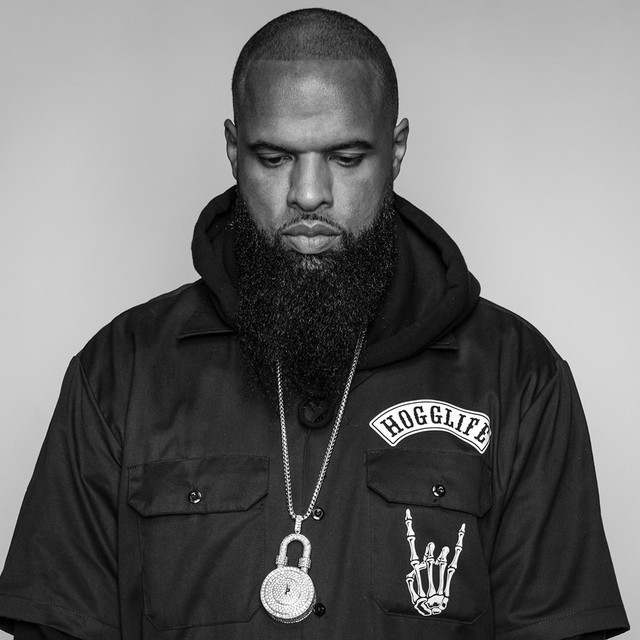
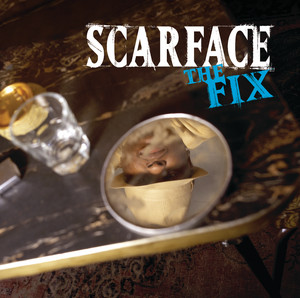
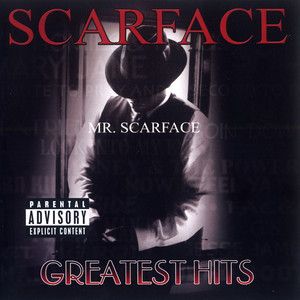
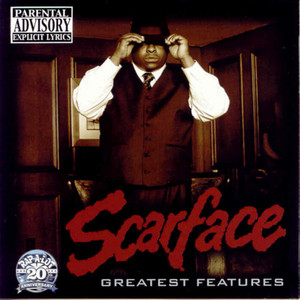
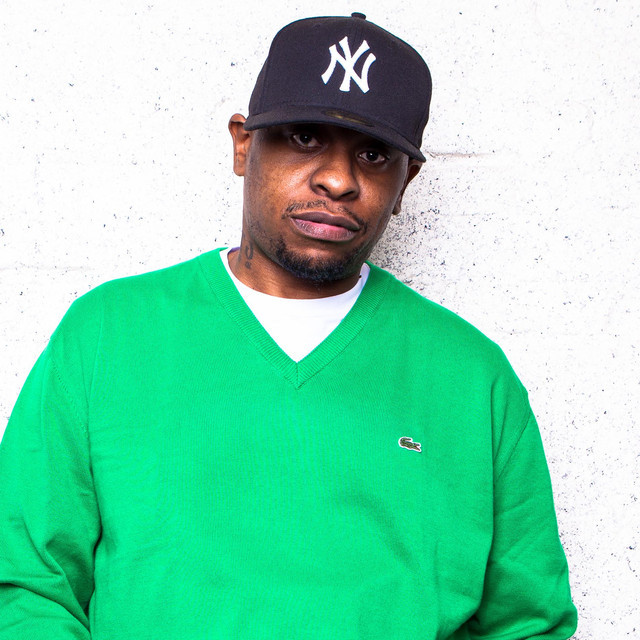
Scarface quickly became the South's most admired rapper and remained so throughout the '90s after breaking away from <a href="spotify:artist:3f5fB1YUbkUnW7cf7I0R48">the Geto Boys</a> to launch his solo career in 1991. Even if he never scored any national hits or stormed up the charts with any of his numerous albums throughout the '90s, no one could question his clout throughout the South. He essentially defined what it meant to be a Southern thug rapper years before anyone even coined the term Dirty South. This became glaringly evident in the late '90s when a massive wave of young MCs arose from Houston, New Orleans, and Memphis emulating his style of hard-boiled, ghetto-bred, straight-up hardcore rapping. Besides serving as the father of Southern thug rap, it seemed as if every hardcore rapper wanted to align himself with Scarface during the '90s -- everyone from <a href="spotify:artist:3Mcii5XWf6E0lrY3Uky4cA">Ice Cube</a> and <a href="spotify:artist:6DPYiyq5kWVQS4RGwxzPC7">Dr. Dre</a> to <a href="spotify:artist:1ZwdS5xdxEREPySFridCfh">2Pac</a> and <a href="spotify:artist:7zICaxnDB9ZprDSiFpvbbW">Master P</a> collaborated with the former <a href="spotify:artist:3f5fB1YUbkUnW7cf7I0R48">Geto Boy</a> -- all in an attempt to foster credibility among the loyal Southern rap audience. Yet despite his unquestionable influence, Scarface never crossed over to mainstream success. His albums were often plagued with filler, his lyrics were simply too harsh for radio, and his devotion to producer <a href="spotify:artist:5TAipisjquAkq2o7lzMJyc">Mike Dean</a> led to a stagnant, albeit trademark, sound. Still, likely because Scarface never crossed over and remained aligned to the streets, his influence never waned, making him one of the few veterans able to sustain in the here-today, gone-tomorrow rap game. In the early 2000s, <a href="spotify:search:label%3A%22Def+Jam+Records%22">Def Jam Records</a> rewarded his staying power with a lucrative contract, a wealth of industry connections, and a powerful marketing push. Scarface consequently enjoyed the most successful album of his career, The Fix (2002), and a revival of interest in his back catalog, which his former label, <a href="spotify:search:label%3A%22Rap-A-Lot%22">Rap-A-Lot</a>, repackaged that same year on Greatest Hits.

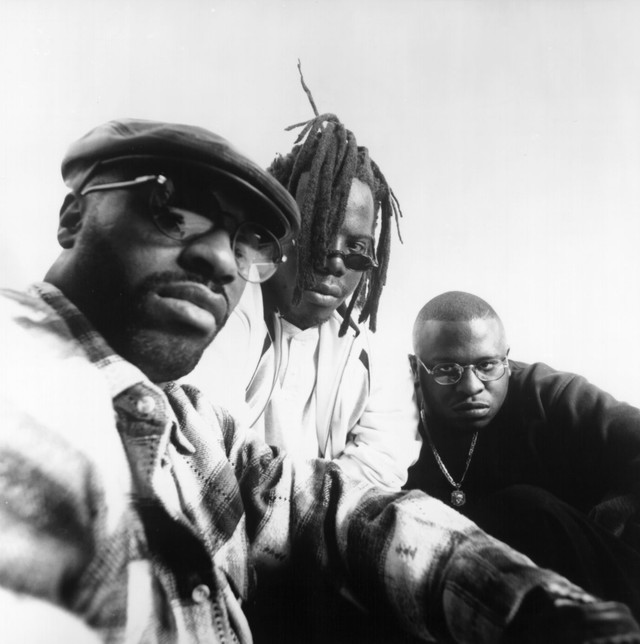
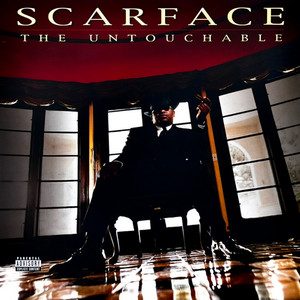
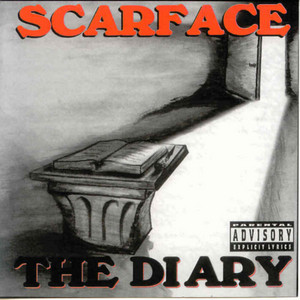
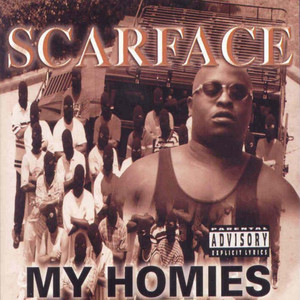
Before Brad Jordan (born November 9, 1970) became known as Scarface, he called himself Akshen. As such, he began his rap career first as a solo artist in his native Houston during the mid-'80s for James Smith's then-fledging <a href="spotify:search:label%3A%22Rap-A-Lot%22">Rap-A-Lot</a> label. Smith was trying to launch a group he tagged <a href="spotify:artist:3f5fB1YUbkUnW7cf7I0R48">the Geto Boys</a>, and he eventually asked Akshen to join the group in the late '80s. <a href="spotify:artist:3f5fB1YUbkUnW7cf7I0R48">The Geto Boys</a>' second album (and first to feature Scarface) -- Grip It! On That Other Level (1990), later repackaged and re-released that same year simply as The Geto Boys -- shocked many with its vivid depictions of violence and its overall extreme nature. This album featured the song "Scarface," which introduced Akshen's alter ego, a title he would keep from that point onward. The ensuing controversy surrounding the group's debut put <a href="spotify:artist:3f5fB1YUbkUnW7cf7I0R48">the Geto Boys</a> on the map and set the stage for the impressive We Can't Be Stopped (1991). In the wake of the group's national success came solo albums, one of which being Scarface's debut, Mr. Scarface Is Back (1991). The album made it evident who the group's most talented member was, and the acclaim showered on Scarface resulted in bitter tensions among his fellow <a href="spotify:artist:3f5fB1YUbkUnW7cf7I0R48">Geto Boys</a>: <a href="spotify:artist:3Cjv4IeE8gjeiXvwRjwSHb">Bushwick Bill</a> and <a href="spotify:artist:7ipr4gJAFLoygvGdGs667W">Willie D</a>. By the time Scarface returned with his follow-up album, The World Is Yours (1993), his reputation overshadowed that of his group's. <a href="spotify:artist:7ipr4gJAFLoygvGdGs667W">Willie D</a> consequently departed, and <a href="spotify:artist:3f5fB1YUbkUnW7cf7I0R48">the Geto Boys</a> never again rivaled We Can't Be Stopped, releasing half-hearted, albeit popular, efforts with a new lineup before later reuniting in the late '90s. In the meantime, Scarface continued to funnel his efforts into additional solo efforts: The Diary (1994) and Untouchable (1997). He then released the double-disc My Homies (1998), a bloated effort laden with guests, many of the South's leading rappers.

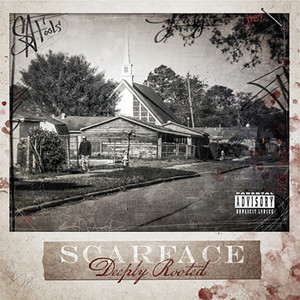
It wasn't until 2000, though, that Scarface won substantial admiration from the greater rap community with Last of a Dying Breed (2000), his most personal and focused album in years. As a result, he was awarded Lyricist of the Year at the 2001 Source Awards and was offered a promising deal with <a href="spotify:search:label%3A%22Def+Jam+Records%22">Def Jam Records</a>. The powerhouse East Coast label wanted Scarface to helm its <a href="spotify:search:label%3A%22Def+Jam+South%22">Def Jam South</a> subsidiary division, and the rapper obliged, first signing <a href="spotify:artist:3ipn9JLAPI5GUEo4y4jcoi">Ludacris</a>, who became an overnight superstar, and then releasing his own album, The Fix (2002). Led by a <a href="spotify:artist:5K4W6rqBFWDnAN6FQUkS6x">Kanye West</a>-produced collaboration with <a href="spotify:artist:3nFkdlSjzX9mRTtwJOzDYB">Jay-Z</a>, "Guess Who's Back," it spawned a popular single, "My Block," and attracted widespread embrace. <a href="spotify:search:label%3A%22Rap-A-Lot%22">Rap-A-Lot</a> furthered Scarface's newfound coast-to-coast acceptance with the rapper's first best-of collection, Greatest Hits (2002). In turn, he reunited with <a href="spotify:artist:7ipr4gJAFLoygvGdGs667W">Willie D</a> and <a href="spotify:artist:3Cjv4IeE8gjeiXvwRjwSHb">Bushwick Bill</a> and put together The Foundation (2005), another <a href="spotify:artist:3f5fB1YUbkUnW7cf7I0R48">Geto Boys</a> album. In 2006, he introduced his new crew, <a href="spotify:artist:3noj91FwKdm7HPKKxWnhwe">the Product</a>, with the album One Hunid, and released a second volume of My Homies. Also landing in 2006 was 2 Face, a collection of tracks featuring Scarface and the late <a href="spotify:artist:1ZwdS5xdxEREPySFridCfh">2Pac</a>. MADE proved that Scarface was still relevant in 2007; it debuted at number two on the R&B/Hip-Hop chart. In 2008 he retired his solo career with the good-bye album Emeritus. He came out of retirement in 2015 for Deeply Rooted, an album that debuted at number 11 on the Billboard 200 albums chart and featured guest appearances from <a href="spotify:artist:1sBkRIssrMs1AbVkOJbc7a">Rick Ross</a>, <a href="spotify:artist:6MrdwyCIKbpXmTKQBlG3uq">Z-Ro</a>, <a href="spotify:artist:5y2Xq6xcjJb2jVM54GHK3t">John Legend</a>, and <a href="spotify:artist:5nLYd9ST4Cnwy6NHaCxbj8">Cee Lo Green</a>. ~ Jason Birchmeier

Monthly Listeners

1.3 million

Followers

1.0 million

Total Streams

805.0 million

Top Cities

33,197 listeners
33,570 listeners
25,193 listeners
22,983 listeners
20,651 listeners

Links

Popular Tracks

775 tracks
1
Smile

Smile

Mar 11, 1997

89.3 million

streams

2
No Tears

No Tears

Oct 18, 1994

48.8 million

streams

3
On My Block

On My Block

Jan 1, 2002

44.8 million

streams

4
Po Pimp

Po Pimp

Aug 15, 2013

33.4 million

streams

5
What a Job

What a Job

Aug 15, 2013

29.4 million

streams

6
Guess Who's Back - Source Version (Edited)

Guess Who's Back - Source Version (Edited)

Jan 1, 2002

27.9 million

streams

7
It's My Ego

It's My Ego

Sep 12, 2025

20.6 million

streams

8
F*** Faces

F*** Faces

Oct 22, 2002

19.6 million

streams

9
F**k Faces

F**k Faces

Mar 3, 1998

19.6 million

streams

10
Fuck Faces

Fuck Faces

Aug 15, 2013

19.6 million

streams