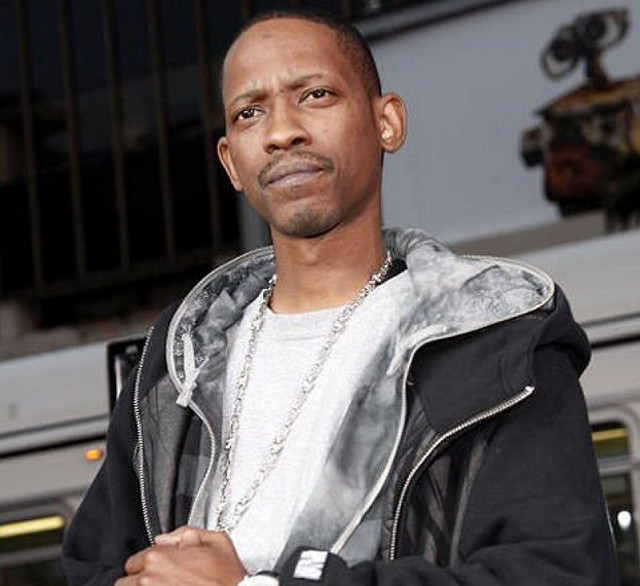
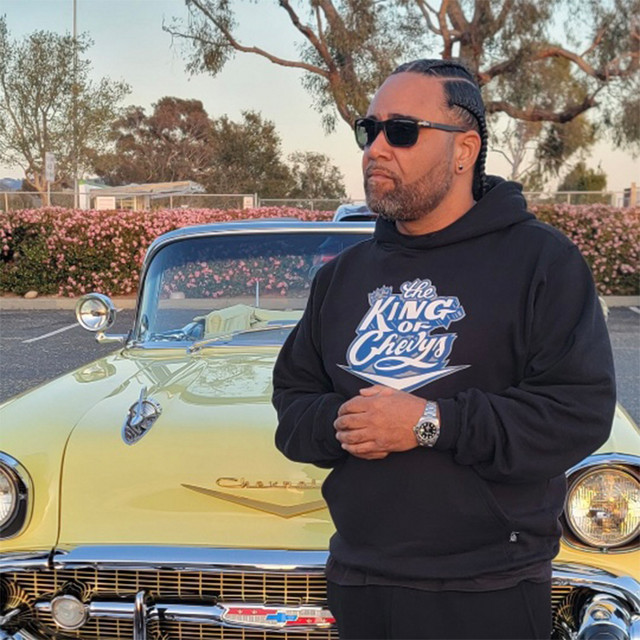
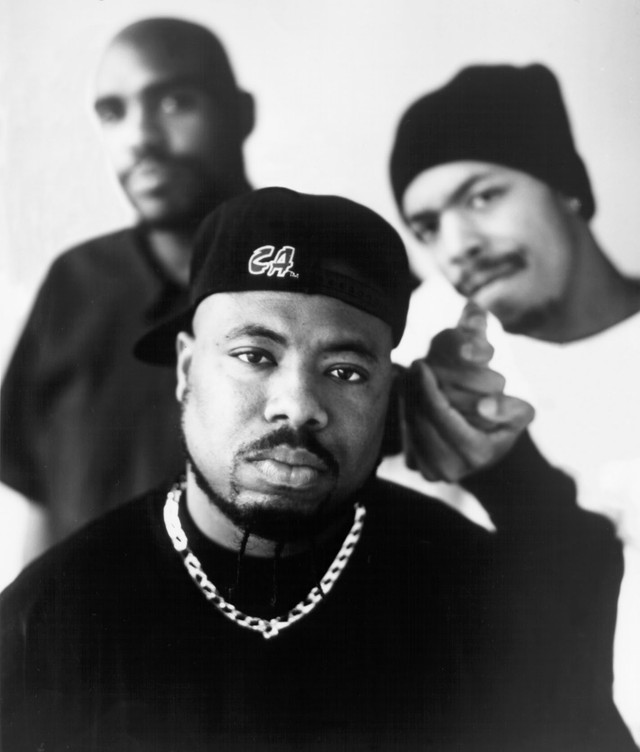
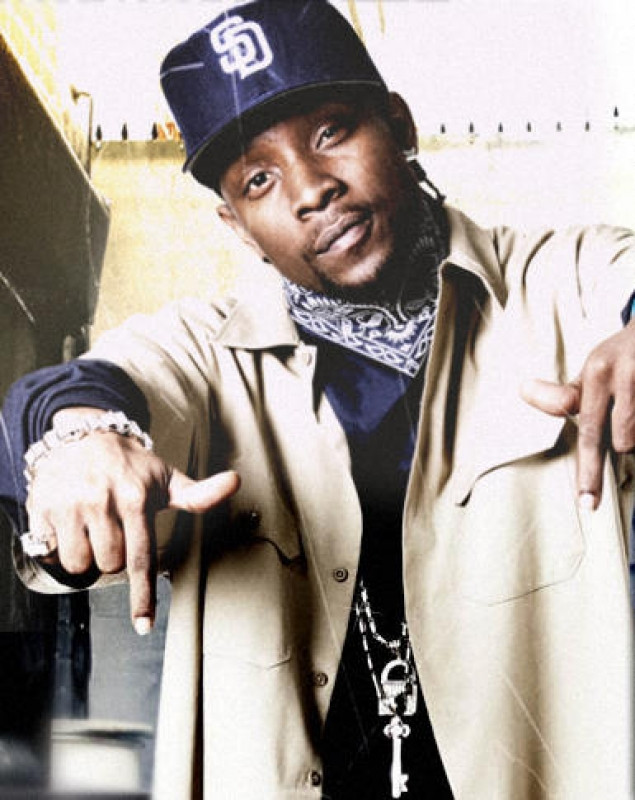
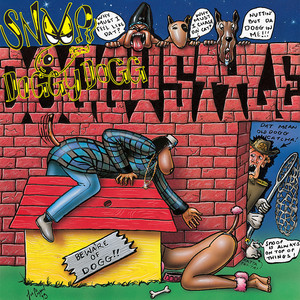
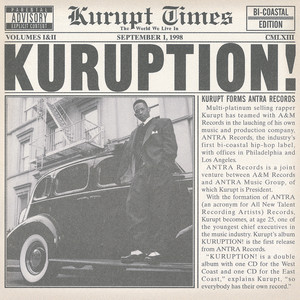
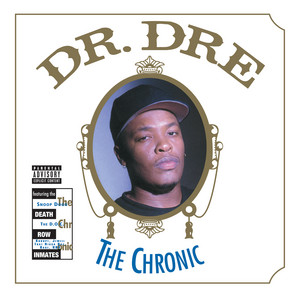
Kurupt began his winding career with Death Row Records and rose to momentary fame alongside <a href="spotify:artist:6DPYiyq5kWVQS4RGwxzPC7">Dr. Dre</a> and <a href="spotify:artist:7hJcb9fa4alzcOq3EaNPoG">Snoop Dogg</a>, but struggled to establish himself as a successful solo artist. Born Ricardo Brown in Philadelphia on November 23, 1972, he moved to Hawthorne, CA, where he befriended <a href="spotify:artist:7hJcb9fa4alzcOq3EaNPoG">Snoop</a> and joined the roster of Death Row. He debuted on <a href="spotify:artist:6DPYiyq5kWVQS4RGwxzPC7">Dr. Dre</a>'s The Chronic (1992) and continued to contribute guest appearances to successive Death Row releases, most notably <a href="spotify:artist:7hJcb9fa4alzcOq3EaNPoG">Snoop</a>'s Doggystyle (1993). He ultimately debuted as one-half of <a href="spotify:artist:60CFNa0ggWjV8OSDey8aGT">Tha Dogg Pound</a>, a partnership with rapper/producer <a href="spotify:artist:5Jz9kKRnCRLTodCH58MyB4">Daz Dillinger</a> spun off from <a href="spotify:artist:7hJcb9fa4alzcOq3EaNPoG">Snoop</a>'s enormous success at that time. Together with <a href="spotify:artist:5Jz9kKRnCRLTodCH58MyB4">Daz</a> and <a href="spotify:artist:7hJcb9fa4alzcOq3EaNPoG">Snoop</a>, Kurupt enjoyed sizable success with Dogg Food (1995) and its hit singles: "Let's Play House" and "New York, New York." Three years later the then-A&M-affiliated Antra Records released Kuruption! (1998), the rapper's ambitious double-disc solo debut. The album met modest success but didn't make much of a commercial impact, nor did its tighter, more traditional follow-up, Tha Streetz Is a Mutha (1999). Kurupt's next release, Space Boogie: Smoke Oddessey (2001), aimed for crossover success, incorporating pop-rap elements as well as unlikely big-name guests like <a href="spotify:artist:6xs3t4VrfszbO3YJg2wLPa">Fred Durst</a> and <a href="spotify:artist:14ZxDAK6ITtZZqPdiWrvSn">Everlast</a>, but again made little impact beyond the rapper's following. Meanwhile, Kurupt teamed with <a href="spotify:artist:5Jz9kKRnCRLTodCH58MyB4">Daz</a> for another <a href="spotify:artist:60CFNa0ggWjV8OSDey8aGT">Dogg Pound</a> album, Dillinger & Young Gotti (2001), which presented a much more underground sound, released independently by D.P.G. Recordz. Meanwhile, Death Row released 2002 (2001), a collection of leftovers from <a href="spotify:artist:60CFNa0ggWjV8OSDey8aGT">Tha Dogg Pound</a>'s mid-'90s era. In the wake of these many releases and little accompanying commercial success, Kurupt returned to the long-quiet Death Row label in 2002 and helped Suge Knight revive the infamous label. Against tha Grain, released in 2004, was the first fruits of the relationship. ~ Jason Birchmeier, Rovi