Data may be outdated
Last updated: 9 months ago — Click refresh to get the latest statistics.
Siegfried Wagner had the best musical pedigree that a composer could conceivably have: the son of <a href="spotify:artist:1C1x4MVkql8AiABuTw6DgE">Richard Wagner</a> and the grandson of <a href="spotify:artist:4OpmlNFluv2wUDzQeIgQDr">Franz Liszt</a> (through <a href="spotify:artist:1385hLNbrnbCJGokfH2ac2">Liszt</a>'s daughter Cosima). His ancestry proved to be a decidedly mixed blessing, however, as the younger Wagner -- despite working in a different musical era -- was never fully able to step outside of the long shadow cast by his father, even as he engendered the jealousy of musical rivals.
The younger Wagner, in celebration of whom the "Siegfried Idyll" was written, was privately educated for the first 14 years of his life; apart from anything taught him by his father, his earliest musical training came from <a href="spotify:artist:4OpmlNFluv2wUDzQeIgQDr">Franz Liszt</a> and Ernst Hausburg. Following <a href="spotify:artist:1C1x4MVkql8AiABuTw6DgE">Richard Wagner</a>'s death in 1883, he studied with Wagner acolyte <a href="spotify:artist:7mBhwof0k7DfGf6AqrbH4A">Engelbert Humperdinck</a> in Frankfurt. Despite his interest in music and his early training, Siegfried Wagner chose architecture as a field of study for two years, touring the world as far as India in the course of his training and exposure to design. Finally, in 1892, he turned back to music, beginning four years of work at Bayreuth, working under his mother and conductor Hans Richter with the intention that he would ultimately become Bayreuth's director. Wagner conducted part of the Ring cycle at the 1896 Bayreuth Festival, and five years later he staged The Flying Dutchman, all in preparation for his taking charge of the festival, which he did in 1906.
Despite his duties in the service of his father's music, Wagner found time to compose, completing his first published work, the opera Der Barenhauter (1898), which premiered in Munich the following year to great acclaim. Alas, this first success proved very difficult to match, and none of his subsequent operas remained long in the repertory or received enthusiastic critical responses.
Between his father's direct impact on his life and Siegfried's subsequent study with <a href="spotify:artist:7mBhwof0k7DfGf6AqrbH4A">Humperdinck</a>, it would be extraordinary if the younger Wagner's music were devoid of any resemblance to that of his father. One can perceive the elder Wagner's influence manifesting in the scoring of lengthy orchestral passages of Der Barenhauter, as well as parts of the vocal writing, although thematically this and his other stage works were far removed from his father's work -- he preferred librettos that dealt with subjects derived from fairy tales and the supernatural, and focused on the psychology of his characters.
Der Barenhauter, the only one of Wagner's operas to have been recorded officially, most resembles <a href="spotify:artist:7mBhwof0k7DfGf6AqrbH4A">Humperdinck</a>'s work in mood and texture. Scholars have also detected the influence of such contemporaries as <a href="spotify:artist:7jzR5qj8vFnSu5JHaXgFEr">Jean Sibelius</a> and <a href="spotify:artist:2ANtgfhQkKpsW6EYSDqldz">Gustav Mahler</a> in his music. Of his other works, Herzog Wildfang (1901) is notable for a libretto that parodied the libretto of Die Meistersinger Von Nurnburg, and An allem ist Hutchen schuld (1914) achieved some popularity in Germany.
Wagner's work at Bayreuth received acclaim at various points during the 24 years that he directed the festival -- for his stagings as well as his designs -- but he also endured resentment from rival musicians. Ultimately, his genealogy proved something of an undoing to his own musical reputation. Following Siegfried Wagner's death, the family did its best to suppress performances of his music, casting its lot with the more popular and profitable works of <a href="spotify:artist:1C1x4MVkql8AiABuTw6DgE">Richard Wagner</a>, and it was only with lapsing of various copyrights, and the formation of the Siegfried Wagner Society in 1972, that his music was made available again, first in concert editions and more recently in full performances.
The younger Wagner, in celebration of whom the "Siegfried Idyll" was written, was privately educated for the first 14 years of his life; apart from anything taught him by his father, his earliest musical training came from <a href="spotify:artist:4OpmlNFluv2wUDzQeIgQDr">Franz Liszt</a> and Ernst Hausburg. Following <a href="spotify:artist:1C1x4MVkql8AiABuTw6DgE">Richard Wagner</a>'s death in 1883, he studied with Wagner acolyte <a href="spotify:artist:7mBhwof0k7DfGf6AqrbH4A">Engelbert Humperdinck</a> in Frankfurt. Despite his interest in music and his early training, Siegfried Wagner chose architecture as a field of study for two years, touring the world as far as India in the course of his training and exposure to design. Finally, in 1892, he turned back to music, beginning four years of work at Bayreuth, working under his mother and conductor Hans Richter with the intention that he would ultimately become Bayreuth's director. Wagner conducted part of the Ring cycle at the 1896 Bayreuth Festival, and five years later he staged The Flying Dutchman, all in preparation for his taking charge of the festival, which he did in 1906.
Despite his duties in the service of his father's music, Wagner found time to compose, completing his first published work, the opera Der Barenhauter (1898), which premiered in Munich the following year to great acclaim. Alas, this first success proved very difficult to match, and none of his subsequent operas remained long in the repertory or received enthusiastic critical responses.
Between his father's direct impact on his life and Siegfried's subsequent study with <a href="spotify:artist:7mBhwof0k7DfGf6AqrbH4A">Humperdinck</a>, it would be extraordinary if the younger Wagner's music were devoid of any resemblance to that of his father. One can perceive the elder Wagner's influence manifesting in the scoring of lengthy orchestral passages of Der Barenhauter, as well as parts of the vocal writing, although thematically this and his other stage works were far removed from his father's work -- he preferred librettos that dealt with subjects derived from fairy tales and the supernatural, and focused on the psychology of his characters.
Der Barenhauter, the only one of Wagner's operas to have been recorded officially, most resembles <a href="spotify:artist:7mBhwof0k7DfGf6AqrbH4A">Humperdinck</a>'s work in mood and texture. Scholars have also detected the influence of such contemporaries as <a href="spotify:artist:7jzR5qj8vFnSu5JHaXgFEr">Jean Sibelius</a> and <a href="spotify:artist:2ANtgfhQkKpsW6EYSDqldz">Gustav Mahler</a> in his music. Of his other works, Herzog Wildfang (1901) is notable for a libretto that parodied the libretto of Die Meistersinger Von Nurnburg, and An allem ist Hutchen schuld (1914) achieved some popularity in Germany.
Wagner's work at Bayreuth received acclaim at various points during the 24 years that he directed the festival -- for his stagings as well as his designs -- but he also endured resentment from rival musicians. Ultimately, his genealogy proved something of an undoing to his own musical reputation. Following Siegfried Wagner's death, the family did its best to suppress performances of his music, casting its lot with the more popular and profitable works of <a href="spotify:artist:1C1x4MVkql8AiABuTw6DgE">Richard Wagner</a>, and it was only with lapsing of various copyrights, and the formation of the Siegfried Wagner Society in 1972, that his music was made available again, first in concert editions and more recently in full performances.
Monthly Listeners
5,293
Monthly Listeners History
Track the evolution of monthly listeners over the last 28 days.
Followers
5,112
Followers History
Track the evolution of followers over the last 28 days.
Top Cities
101 listeners

98 listeners

83 listeners

78 listeners
74 listeners

Related Artists

Staatsphilharmonie Rheinland-Pfalz
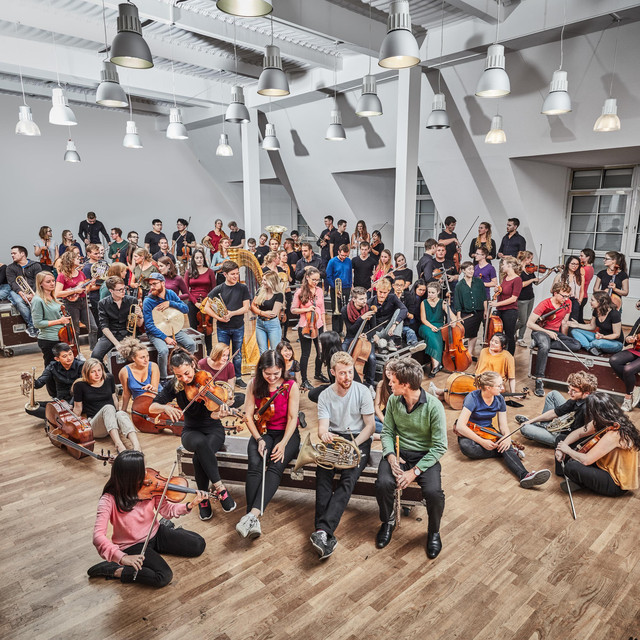
Junge Deutsche Philharmonie
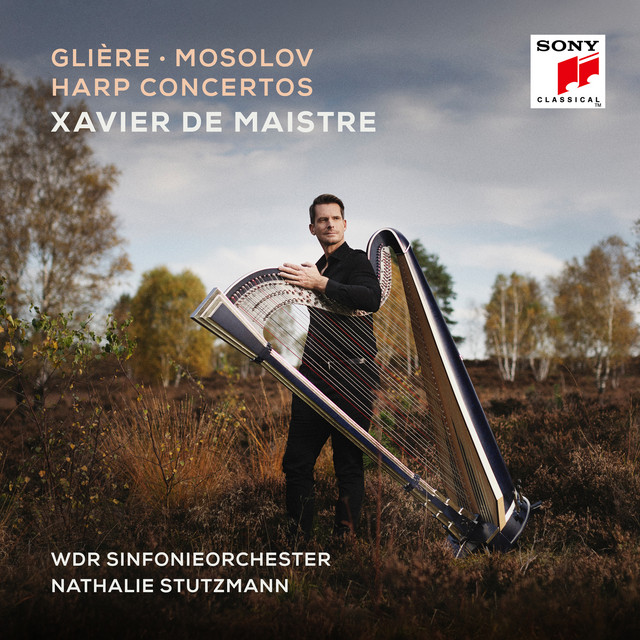
WDR Sinfonieorchester

Donato Renzetti

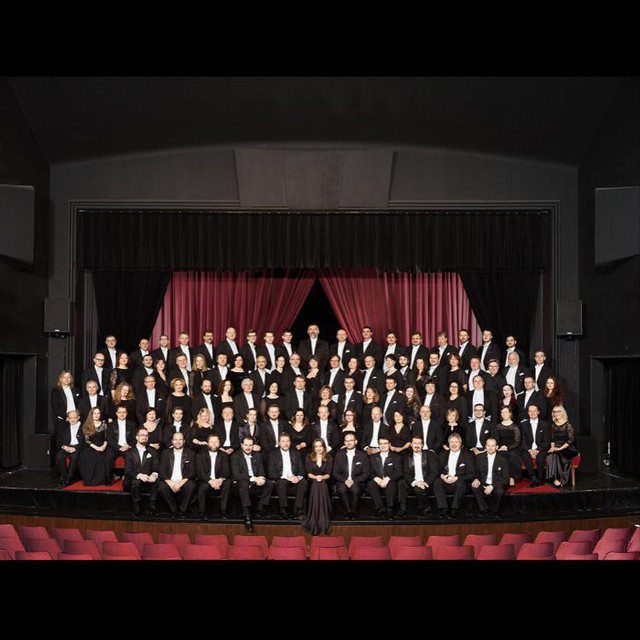
Janáček Philharmonic Orchestra

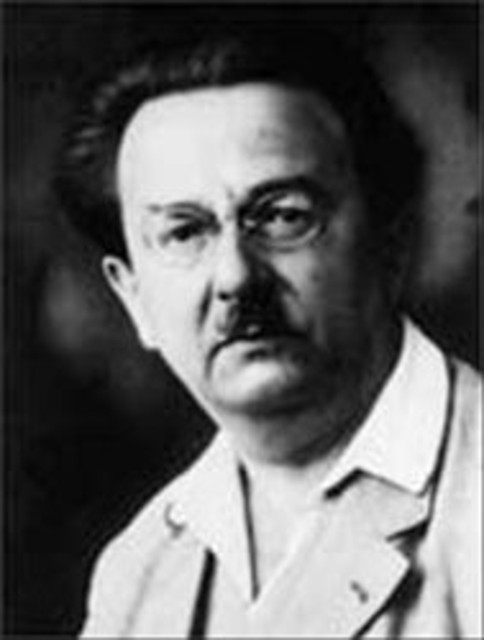
Heinrich Marschner


Christopher Ward

Lance Ryan
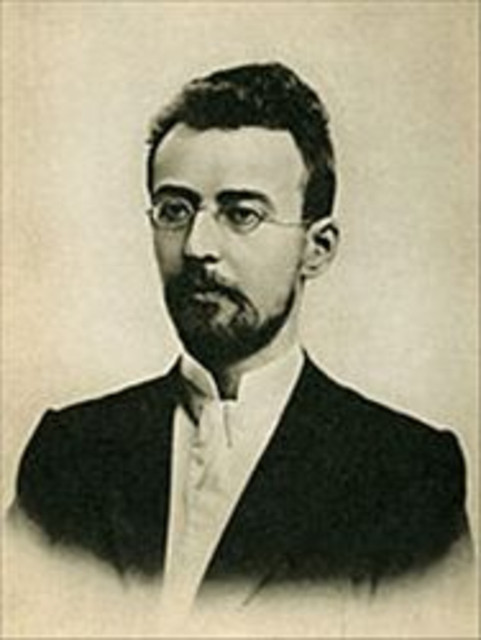
Mieczysław Karłowicz
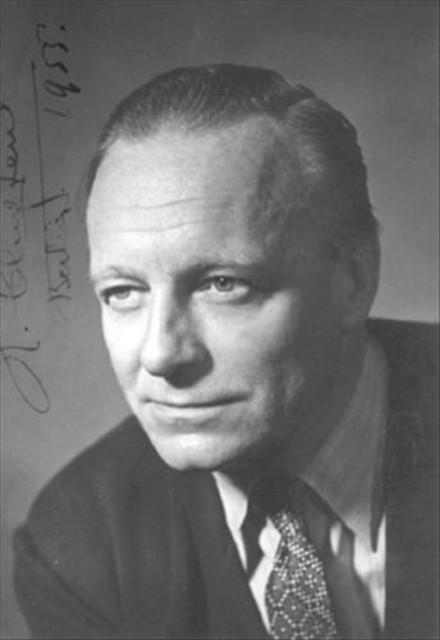
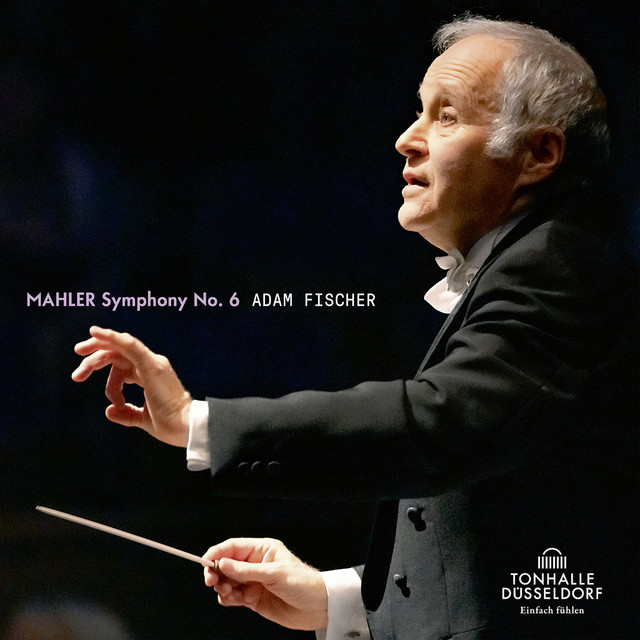
Düsseldorfer Symphoniker

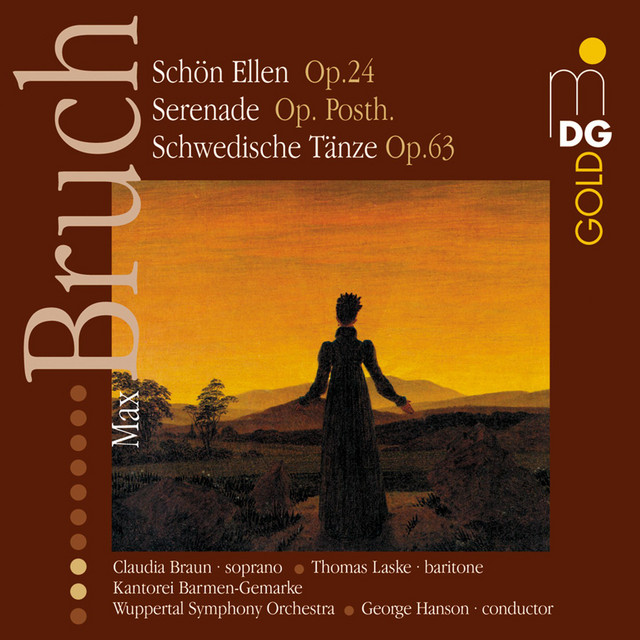

Robert Schumann Philharmonie
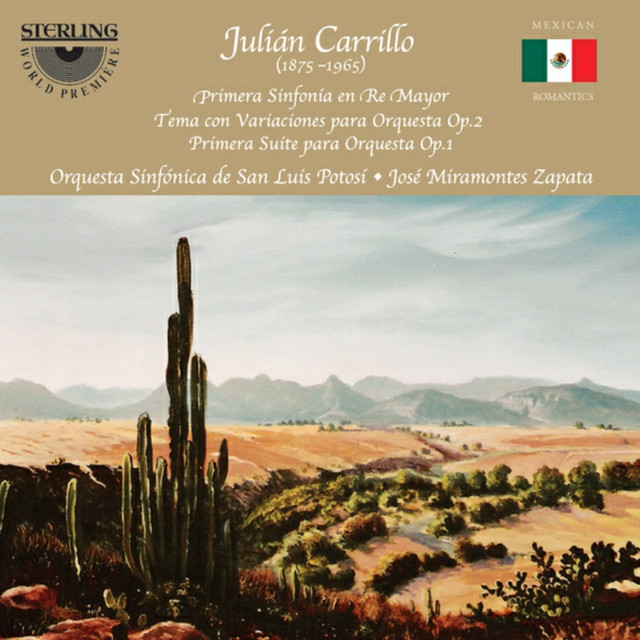
Julián Carrillo


Willem Mengelberg
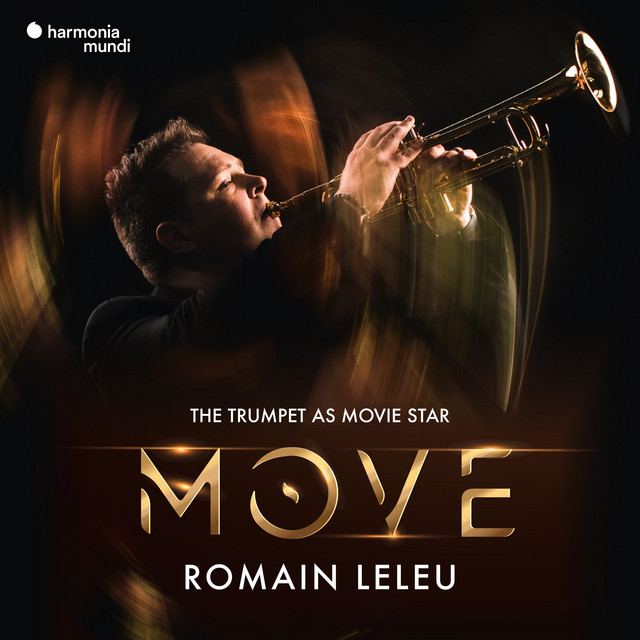
Stuttgart Philharmonic Orchestra

Joachim Raff

Philharmonisches Staatsorchester Hamburg