Data may be outdated
Last updated: 8 months ago — Click refresh to get the latest statistics.
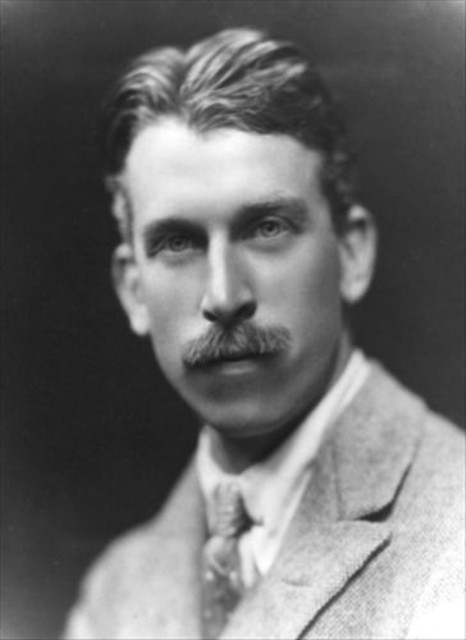
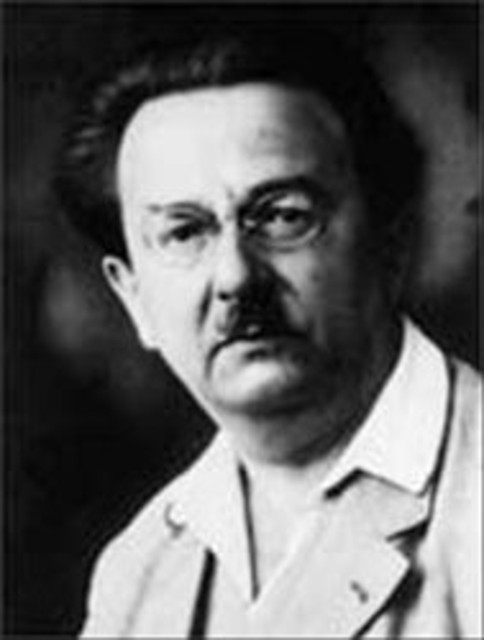
Like <a href="spotify:artist:7Im00DCJCJrFrC1Ho6vjD6">Paderewski</a>, Gabrilowitsch, Schnabel, and Isabella Vengerova, Franz Schmidt became a piano pupil of Theodor Leschetizky at the Vienna Conservatorium in 1890, where he studied composition with <a href="spotify:artist:2bM3j1JQWBkmzuoZKu4zj2">Bruckner</a>, theory with <a href="spotify:artist:4cFqOPihbrbcaQeuK6ttpp">Robert Fuchs</a>, and cello with Ferdinand Hellmesberger. Born to a German father and Slovak mother in what was then Hungary, he was declared a "musical miracle child" by a priest with whom he took organ lessons in Pressburg (Bratislava today). This encouraged his poor but hopeful parents to move to Vienna in 1888, but chronic privation forced Schmidt to play in dancehall orchestras after graduation until he was chosen in 1896 by conductor Wilhelm Jahn to be a cellist in the Vienna Hofoper Orchestra, and the <a href="spotify:artist:003f4bk13c6Q3gAUXv7dGJ">Philharmoniker</a> drawn from its ranks.
A year later, <a href="spotify:artist:2ANtgfhQkKpsW6EYSDqldz">Mahler</a> succeeded the pedestrian Jahn as artistic director and proceeded to revolutionize performance and production standards for a decade, although his <a href="spotify:artist:003f4bk13c6Q3gAUXv7dGJ">Philharmonic</a> tenure was considerably shorter. Schmidt regarded him favorably at first, but animosity developed and persisted even after <a href="spotify:artist:2ANtgfhQkKpsW6EYSDqldz">Mahler</a>'s "resignation" from the Hofoper in 1907. From 1901 to 1908, Schmidt taught piano and cello at the Conservatorium in addition to his duties in the opera house. He resigned the <a href="spotify:artist:003f4bk13c6Q3gAUXv7dGJ">Philharmoniker</a> in 1911, but continued to play with the opera until 1914, when the Staatsakademie appointed him professor of piano. He became professor of counterpoint and composition in 1922, director in 1925, and head of the Musikhochschule from 1927 to 1931. His service earned him the Franz-Josef Medal and for his 60th birthday, an honorary doctorate from Vienna University. Before his retirement in 1937, his most famous pupils included pianists Friedrich Wührer and Alfred Rosé (<a href="spotify:artist:2ANtgfhQkKpsW6EYSDqldz">Mahler</a>'s nephew), and composers <a href="spotify:artist:0ojYpPkGVk8vg3pVrOT0xl">Theodor Berger</a> and <a href="spotify:artist:61G42OTJtpbFnHOlKypoHa">Alfred Uhl</a>.
Schmidt was also respected by his peers, <a href="spotify:artist:7ehgiWrLMRMQkrr5tQQB2P">Schreker</a>, Marx, Krenek, and <a href="spotify:artist:60ju8DuNEmkdLw3ymddLje">Berg</a>, for his soloist and chamber music performances. Schoenberg particularly admired him for directing Pierrot Lunaire in a performance by Schmidt's students.
Although Schmidt's financial and professional fortunes stabilized, his marriages were ill-omened. His first wife went insane, was institutionalized in 1919, and was murdered by the Nazis in 1940. Their only child, Emma, died after the birth of Schmidt's grandchild (he called his Symphony No. 4, composed in 1933, "a Requiem for my daughter"). A second marriage to a much younger piano pupil was plagued by Schmidt's ill-health, which worsened progressively until his death.
His mature career as a composer began with Symphony No. 1 (started in 1896, completed in 1899). The opera Notre Dame followed (1902-1904), then three more symphonies and another opera, Fredigundis. Most of his piano works were composed for <a href="spotify:artist:1UqS69eQIiwDLxXHle0LFK">Paul Wittgenstein</a>, who had lost his right arm in WWI. (Posthumously, Wührer arranged everything for two hands and as such, they were published.) Schmidt also wrote chamber music, Variations on a Hussar's Song for orchestra, and much organ music. However, The Book With Seven Seals (1935-1937), an oratorio, is regarded by admirers as his masterwork, more important even than the symphonies.
After the deaths of <a href="spotify:artist:60ju8DuNEmkdLw3ymddLje">Berg</a> and <a href="spotify:artist:7ehgiWrLMRMQkrr5tQQB2P">Schreker</a>, and the flight of Schoenberg and Zemlinsky to the U.S., Schmidt was proclaimed Austria's "most important composer of the time." He continues to be honored as the Romantic successor of <a href="spotify:artist:2p0UyoPfYfI76PCStuXfOP">Schubert</a> and <a href="spotify:artist:2bM3j1JQWBkmzuoZKu4zj2">Bruckner</a>, although his music bears a didactic resemblance to <a href="spotify:artist:2qpchAUtJNY45rG7auwQgz">Max Reger</a>'s. Elsewhere, his music remained little-known until CD recordings in the 1990s documented several important works for non-Austrian audiences to hear.
A year later, <a href="spotify:artist:2ANtgfhQkKpsW6EYSDqldz">Mahler</a> succeeded the pedestrian Jahn as artistic director and proceeded to revolutionize performance and production standards for a decade, although his <a href="spotify:artist:003f4bk13c6Q3gAUXv7dGJ">Philharmonic</a> tenure was considerably shorter. Schmidt regarded him favorably at first, but animosity developed and persisted even after <a href="spotify:artist:2ANtgfhQkKpsW6EYSDqldz">Mahler</a>'s "resignation" from the Hofoper in 1907. From 1901 to 1908, Schmidt taught piano and cello at the Conservatorium in addition to his duties in the opera house. He resigned the <a href="spotify:artist:003f4bk13c6Q3gAUXv7dGJ">Philharmoniker</a> in 1911, but continued to play with the opera until 1914, when the Staatsakademie appointed him professor of piano. He became professor of counterpoint and composition in 1922, director in 1925, and head of the Musikhochschule from 1927 to 1931. His service earned him the Franz-Josef Medal and for his 60th birthday, an honorary doctorate from Vienna University. Before his retirement in 1937, his most famous pupils included pianists Friedrich Wührer and Alfred Rosé (<a href="spotify:artist:2ANtgfhQkKpsW6EYSDqldz">Mahler</a>'s nephew), and composers <a href="spotify:artist:0ojYpPkGVk8vg3pVrOT0xl">Theodor Berger</a> and <a href="spotify:artist:61G42OTJtpbFnHOlKypoHa">Alfred Uhl</a>.
Schmidt was also respected by his peers, <a href="spotify:artist:7ehgiWrLMRMQkrr5tQQB2P">Schreker</a>, Marx, Krenek, and <a href="spotify:artist:60ju8DuNEmkdLw3ymddLje">Berg</a>, for his soloist and chamber music performances. Schoenberg particularly admired him for directing Pierrot Lunaire in a performance by Schmidt's students.
Although Schmidt's financial and professional fortunes stabilized, his marriages were ill-omened. His first wife went insane, was institutionalized in 1919, and was murdered by the Nazis in 1940. Their only child, Emma, died after the birth of Schmidt's grandchild (he called his Symphony No. 4, composed in 1933, "a Requiem for my daughter"). A second marriage to a much younger piano pupil was plagued by Schmidt's ill-health, which worsened progressively until his death.
His mature career as a composer began with Symphony No. 1 (started in 1896, completed in 1899). The opera Notre Dame followed (1902-1904), then three more symphonies and another opera, Fredigundis. Most of his piano works were composed for <a href="spotify:artist:1UqS69eQIiwDLxXHle0LFK">Paul Wittgenstein</a>, who had lost his right arm in WWI. (Posthumously, Wührer arranged everything for two hands and as such, they were published.) Schmidt also wrote chamber music, Variations on a Hussar's Song for orchestra, and much organ music. However, The Book With Seven Seals (1935-1937), an oratorio, is regarded by admirers as his masterwork, more important even than the symphonies.
After the deaths of <a href="spotify:artist:60ju8DuNEmkdLw3ymddLje">Berg</a> and <a href="spotify:artist:7ehgiWrLMRMQkrr5tQQB2P">Schreker</a>, and the flight of Schoenberg and Zemlinsky to the U.S., Schmidt was proclaimed Austria's "most important composer of the time." He continues to be honored as the Romantic successor of <a href="spotify:artist:2p0UyoPfYfI76PCStuXfOP">Schubert</a> and <a href="spotify:artist:2bM3j1JQWBkmzuoZKu4zj2">Bruckner</a>, although his music bears a didactic resemblance to <a href="spotify:artist:2qpchAUtJNY45rG7auwQgz">Max Reger</a>'s. Elsewhere, his music remained little-known until CD recordings in the 1990s documented several important works for non-Austrian audiences to hear.
Monthly Listeners
8,631
Monthly Listeners History
Track the evolution of monthly listeners over the last 28 days.
Followers
1,791
Followers History
Track the evolution of followers over the last 28 days.
Top Cities
360 listeners

214 listeners
168 listeners
140 listeners

115 listeners
Related Artists
Düsseldorfer Symphoniker
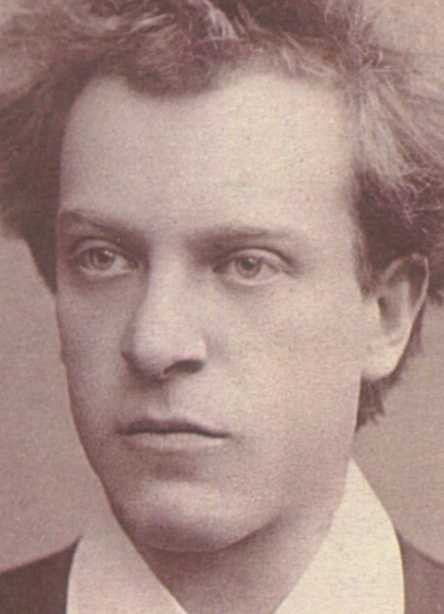
Hans Rott

Franz Schreker
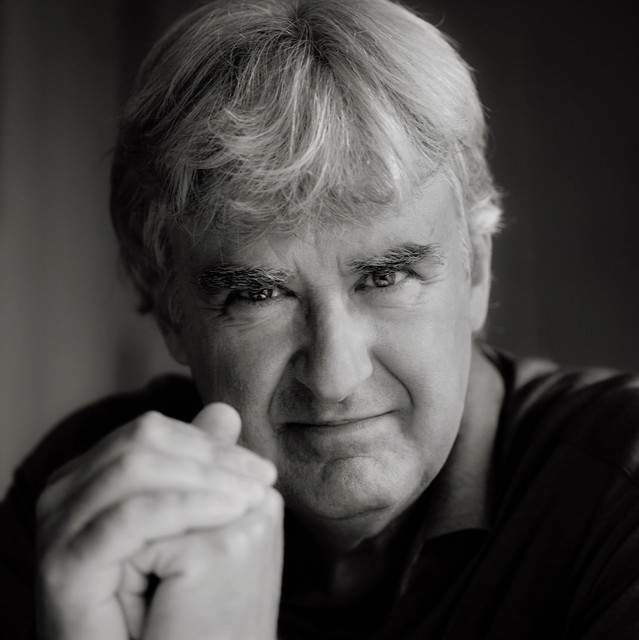
Ole Schmidt


Philharmonisches Staatsorchester Hamburg

Robert Schumann Philharmonie

Paavo Berglund


Anna Larsson

Bochumer Symphoniker
Rome Symphony Orchestra


Staatsphilharmonie Rheinland-Pfalz


Sixten Ehrling
Mieczysław Karłowicz
Granville Bantock


Malaysian Philharmonic Orchestra
Grzegorz Nowak
Stuttgart Philharmonic Orchestra