Data may be outdated
Last updated: 8 months ago — Click refresh to get the latest statistics.
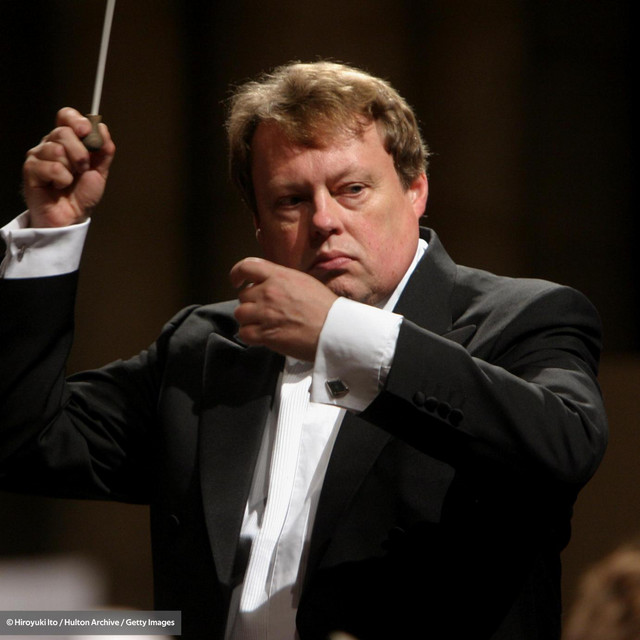
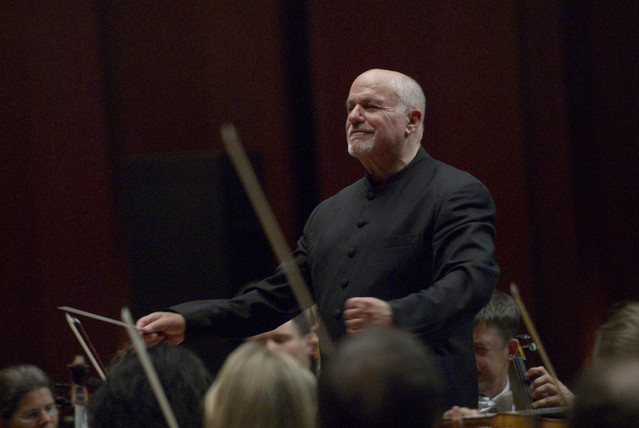
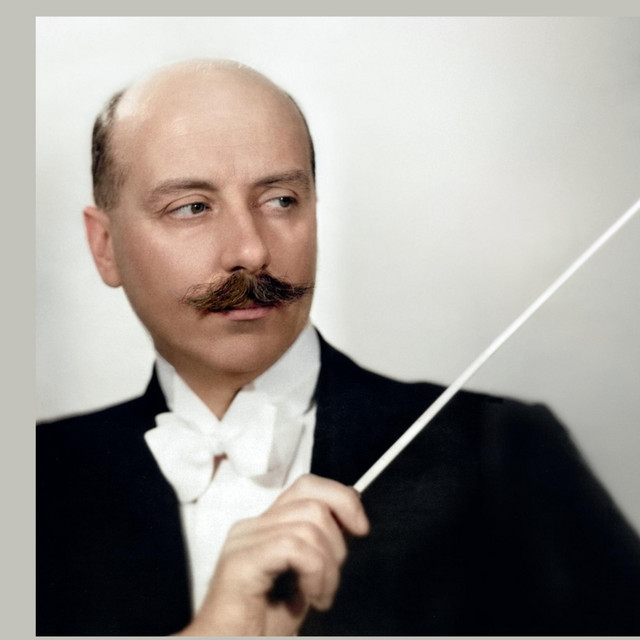
Neither as colorful a public figure as fellow Briton <a href="spotify:artist:04kScQiBaLpLuCR1rh20Dd">Thomas Beecham</a>, nor as stormy and commanding on the podium as some of his better-known international contemporaries, Adrian Boult nevertheless was one of Britain's foremost conductors for nearly 70 years. He championed contemporary music, introducing <a href="spotify:artist:5B7uXBeLc2TkR5Jk23qKIZ">Holst</a>'s The Planets and <a href="spotify:artist:60ju8DuNEmkdLw3ymddLje">Berg</a>'s Wozzeck to the British public, but his pioneering work with the <a href="spotify:artist:23BiSNXm5UaRFuusoWisYO">BBC Orchestra</a>, which he created and directed for 20 years, is often regarded as his signature achievement.
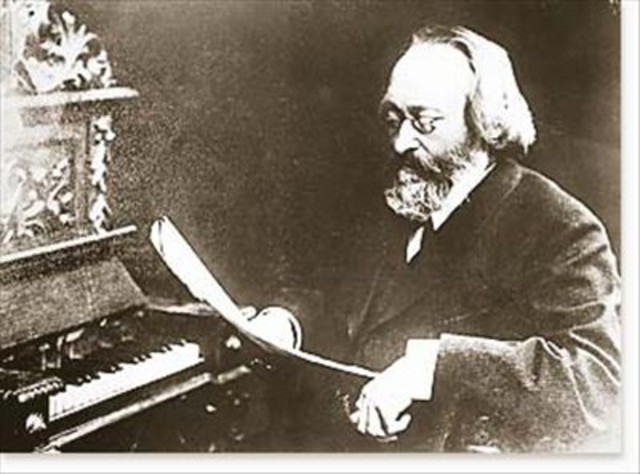
Born to a wealthy shipowner, Boult spent his grammar school days in London at Westminster School and took to music early. At Christ Church, Oxford, Boult flourished under the guidance of conductor Hugh Allen. In addition, Boult worked with <a href="spotify:artist:1SEdrsOzJuBFO4guNtHqOu">Artur Nikisch</a> during a stay at the Leipzig Conservatory (1912-1913). Boult also studied with composer <a href="spotify:artist:2qpchAUtJNY45rG7auwQgz">Max Reger</a>, but a serious illness that kept him out of World War I cut his continental sojourn short.
Boult made his debut at Queen's Hall with the <a href="spotify:artist:5yxyJsFanEAuwSM5kOuZKc">London Symphony Orchestra</a> in 1918. From that first concert Boult demonstrated support for British music, including <a href="spotify:artist:7wNkISK49lKeXuRaZcQVFe">Vaughan Williams</a>' then virtually unknown "London" Symphony on the program. The concert led to an invitation from <a href="spotify:artist:5B7uXBeLc2TkR5Jk23qKIZ">Holst</a> to conduct the premiere of The Planets at a private concert at Queen's Hall. In 1919 Boult joined faculty of the Royal College of Music.
In the years following World War I, Boult conducted both orchestral music and opera. He served as principal conductor for Diaghilev's Ballets Russes during their London stay in 1919, and in 1926 rejoined the staff at Covent Garden. In 1924 Boult accepted the directorship of the recently formed <a href="spotify:artist:6wuudWq7XpVutoFp4bsVDo">City of Birmingham Symphony Orchestra</a>, which he molded into a first-rank ensemble.
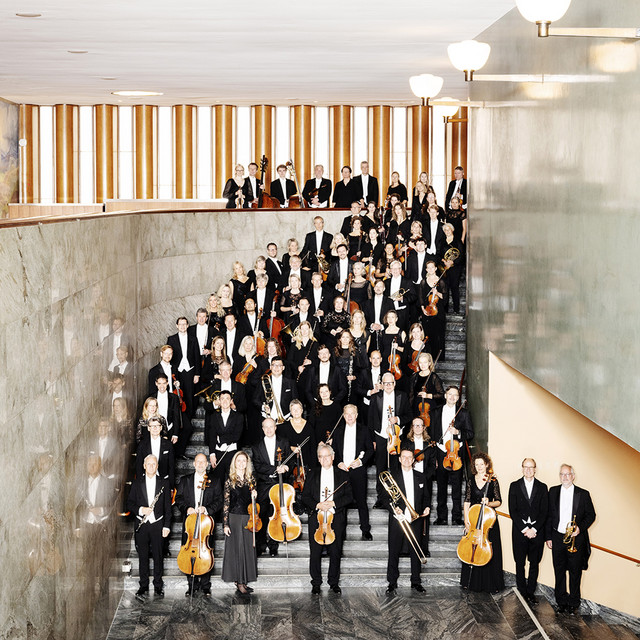
In 1930 Boult received an invitation to organize and direct the newly formed <a href="spotify:artist:23BiSNXm5UaRFuusoWisYO">BBC Symphony Orchestra</a>. Boult took the group on numerous international tours and began its long, distinguished recording career. During the Second World War Boult and the orchestra took up residence in Bristol, but German raids drove them to Bedford. In 1950 Boult passed the <a href="spotify:artist:23BiSNXm5UaRFuusoWisYO">BBC</a> baton to <a href="spotify:artist:4FVncYpcoiyS5lY2ElwtK8">Malcolm Sargent</a> and assumed directorship of the <a href="spotify:artist:3PfJE6ebCbCHeuqO4BfNeA">London Philharmonic Orchestra</a>, which he took on a politically significant tour of the USSR in 1956. Following his retirement from the <a href="spotify:artist:3PfJE6ebCbCHeuqO4BfNeA">LPO</a> in 1957, Boult rejoined the <a href="spotify:artist:6wuudWq7XpVutoFp4bsVDo">City of Birmingham Symphony Orchestra</a> for one year, and returned to the Royal College to teach a new generation of conductors from 1962 to 1966. He ceased conducting altogether in 1979, after several years of occasional appearances. According to most accounts, Boult's conducting was unimpaired even at the ripe age of 90. He died in 1983, just two weeks shy of his 94th birthday.
Boult felt it was the conductor's duty to present as much music as possible to the listening public without regard for the conductor's own personal tastes, leaving it to posterity to preserve particular pieces. Describing himself as a musical "purist," Boult believed that everything necessary for a successful performance was to be found within the printed score. Although some critics complained that Boult's musical persona lacked the colorful quality of true greatness, his gentlemanly conduct on the podium earned him respect from his musicians that hours of tirades might not have. On his "off nights," Boult's music-making perhaps came across as dull or workmanlike, but often his clarity of approach and fidelity to the score produced electrifying results.
Boult's autobiography, My Own Trumpet, was published in 1973. He was knighted in 1937 and made a Companion of Honour in 1969. Hundreds of his recordings have enjoyed a long (and profitable) life on LP and compact disc, most notably his various accounts of the symphonies of <a href="spotify:artist:7wNkISK49lKeXuRaZcQVFe">Vaughan Williams</a> and <a href="spotify:artist:430byzy0c5bPn5opiu0SRd">Elgar</a>, and <a href="spotify:artist:5B7uXBeLc2TkR5Jk23qKIZ">Holst</a>'s Planets, but far beyond the boundaries of English music, his recordings of <a href="spotify:artist:1C1x4MVkql8AiABuTw6DgE">Wagner</a>'s and <a href="spotify:artist:5wTAi7QkpP6kp8a54lmTOq">Brahms</a>' orchestral music have found critical favor. Additionally, various archival releases, most notably two from <a href="spotify:search:label%3A%22Testament+Records%22">Testament Records</a>, have solidified Boult's reputation as a trailblazer. The most notable of these, issued by <a href="spotify:search:label%3A%22Testament+Records%22">Testament Records</a> in 2008, contains his 1947 <a href="spotify:artist:23BiSNXm5UaRFuusoWisYO">BBC Symphony Orchestra</a> performance of <a href="spotify:artist:2ANtgfhQkKpsW6EYSDqldz">Mahler</a>'s Symphony No. 3 with <a href="spotify:artist:3QK4fNtQUGr2PbZYC5lQzH">Kathleen Ferrier</a>, the first performance of the piece ever given in England.
Born to a wealthy shipowner, Boult spent his grammar school days in London at Westminster School and took to music early. At Christ Church, Oxford, Boult flourished under the guidance of conductor Hugh Allen. In addition, Boult worked with <a href="spotify:artist:1SEdrsOzJuBFO4guNtHqOu">Artur Nikisch</a> during a stay at the Leipzig Conservatory (1912-1913). Boult also studied with composer <a href="spotify:artist:2qpchAUtJNY45rG7auwQgz">Max Reger</a>, but a serious illness that kept him out of World War I cut his continental sojourn short.
Boult made his debut at Queen's Hall with the <a href="spotify:artist:5yxyJsFanEAuwSM5kOuZKc">London Symphony Orchestra</a> in 1918. From that first concert Boult demonstrated support for British music, including <a href="spotify:artist:7wNkISK49lKeXuRaZcQVFe">Vaughan Williams</a>' then virtually unknown "London" Symphony on the program. The concert led to an invitation from <a href="spotify:artist:5B7uXBeLc2TkR5Jk23qKIZ">Holst</a> to conduct the premiere of The Planets at a private concert at Queen's Hall. In 1919 Boult joined faculty of the Royal College of Music.
In the years following World War I, Boult conducted both orchestral music and opera. He served as principal conductor for Diaghilev's Ballets Russes during their London stay in 1919, and in 1926 rejoined the staff at Covent Garden. In 1924 Boult accepted the directorship of the recently formed <a href="spotify:artist:6wuudWq7XpVutoFp4bsVDo">City of Birmingham Symphony Orchestra</a>, which he molded into a first-rank ensemble.
In 1930 Boult received an invitation to organize and direct the newly formed <a href="spotify:artist:23BiSNXm5UaRFuusoWisYO">BBC Symphony Orchestra</a>. Boult took the group on numerous international tours and began its long, distinguished recording career. During the Second World War Boult and the orchestra took up residence in Bristol, but German raids drove them to Bedford. In 1950 Boult passed the <a href="spotify:artist:23BiSNXm5UaRFuusoWisYO">BBC</a> baton to <a href="spotify:artist:4FVncYpcoiyS5lY2ElwtK8">Malcolm Sargent</a> and assumed directorship of the <a href="spotify:artist:3PfJE6ebCbCHeuqO4BfNeA">London Philharmonic Orchestra</a>, which he took on a politically significant tour of the USSR in 1956. Following his retirement from the <a href="spotify:artist:3PfJE6ebCbCHeuqO4BfNeA">LPO</a> in 1957, Boult rejoined the <a href="spotify:artist:6wuudWq7XpVutoFp4bsVDo">City of Birmingham Symphony Orchestra</a> for one year, and returned to the Royal College to teach a new generation of conductors from 1962 to 1966. He ceased conducting altogether in 1979, after several years of occasional appearances. According to most accounts, Boult's conducting was unimpaired even at the ripe age of 90. He died in 1983, just two weeks shy of his 94th birthday.
Boult felt it was the conductor's duty to present as much music as possible to the listening public without regard for the conductor's own personal tastes, leaving it to posterity to preserve particular pieces. Describing himself as a musical "purist," Boult believed that everything necessary for a successful performance was to be found within the printed score. Although some critics complained that Boult's musical persona lacked the colorful quality of true greatness, his gentlemanly conduct on the podium earned him respect from his musicians that hours of tirades might not have. On his "off nights," Boult's music-making perhaps came across as dull or workmanlike, but often his clarity of approach and fidelity to the score produced electrifying results.
Boult's autobiography, My Own Trumpet, was published in 1973. He was knighted in 1937 and made a Companion of Honour in 1969. Hundreds of his recordings have enjoyed a long (and profitable) life on LP and compact disc, most notably his various accounts of the symphonies of <a href="spotify:artist:7wNkISK49lKeXuRaZcQVFe">Vaughan Williams</a> and <a href="spotify:artist:430byzy0c5bPn5opiu0SRd">Elgar</a>, and <a href="spotify:artist:5B7uXBeLc2TkR5Jk23qKIZ">Holst</a>'s Planets, but far beyond the boundaries of English music, his recordings of <a href="spotify:artist:1C1x4MVkql8AiABuTw6DgE">Wagner</a>'s and <a href="spotify:artist:5wTAi7QkpP6kp8a54lmTOq">Brahms</a>' orchestral music have found critical favor. Additionally, various archival releases, most notably two from <a href="spotify:search:label%3A%22Testament+Records%22">Testament Records</a>, have solidified Boult's reputation as a trailblazer. The most notable of these, issued by <a href="spotify:search:label%3A%22Testament+Records%22">Testament Records</a> in 2008, contains his 1947 <a href="spotify:artist:23BiSNXm5UaRFuusoWisYO">BBC Symphony Orchestra</a> performance of <a href="spotify:artist:2ANtgfhQkKpsW6EYSDqldz">Mahler</a>'s Symphony No. 3 with <a href="spotify:artist:3QK4fNtQUGr2PbZYC5lQzH">Kathleen Ferrier</a>, the first performance of the piece ever given in England.
Monthly Listeners
255,205
Monthly Listeners History
Track the evolution of monthly listeners over the last 28 days.
Followers
5,538
Followers History
Track the evolution of followers over the last 28 days.
Top Cities
6,800 listeners

4,891 listeners

4,002 listeners

2,389 listeners

1,980 listeners