Data may be outdated
Last updated: 8 months ago — Click refresh to get the latest statistics.
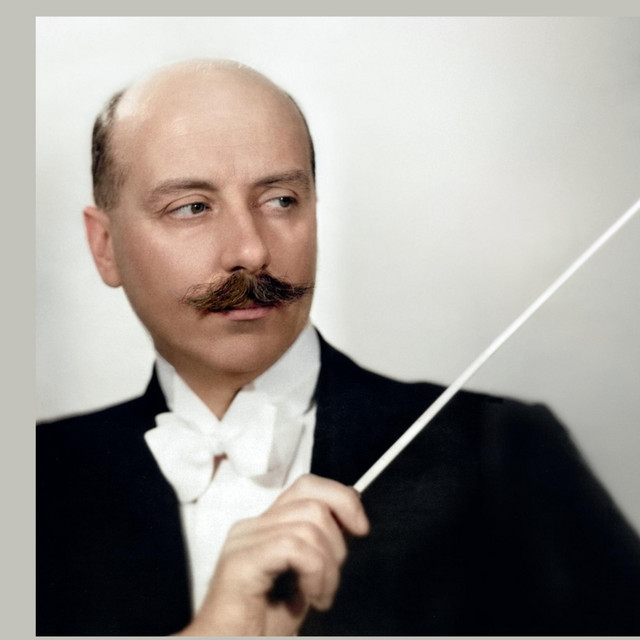
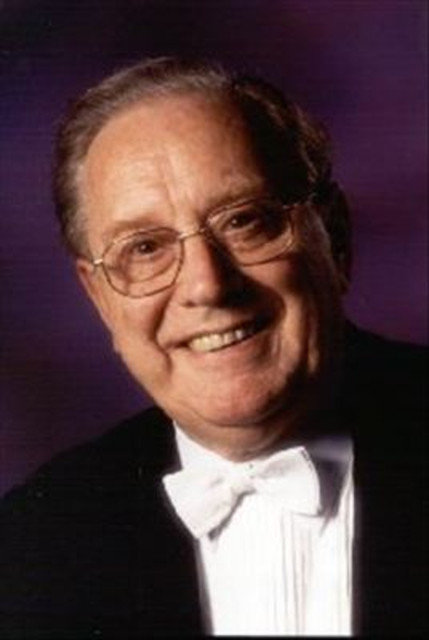
Among the leading conductors of the mid-20th century, John Barbirolli was acclaimed for his interpretations of <a href="spotify:artist:7wNkISK49lKeXuRaZcQVFe">Vaughan Williams</a>, <a href="spotify:artist:2ANtgfhQkKpsW6EYSDqldz">Mahler</a>, and the late Romantics generally. He spent many years as conductor of the <a href="spotify:artist:0VzwesVsEMjYDaMrrdukam">Hallé Orchestra</a> in Manchester, building that group into a world-class ensemble.
Barbirolli was born on December 2, 1899, in London. He was of Italian and French background and used the name Giovanni Barbirolli into young adulthood. As a child, he studied the violin and then cello, and he made his recording debut on the cello in 1911 and debuted as a performer a short time later. Barbirolli attended Trinity College of music and the Royal Academy of Music, studying cello and graduating from the latter in 1916. He was hired by the Queen's Hall Orchestra as its youngest member. His career was interrupted but advanced by World War I as he joined the British army and substitute-conducted a volunteer orchestra on the Isle of Grain in which he was playing the cello. After his discharge, he joined the <a href="spotify:artist:5yxyJsFanEAuwSM5kOuZKc">London Symphony Orchestra</a> as a cellist, made several appearances as a soloist, and played with several string quartets. Performing under the baton of composer <a href="spotify:artist:430byzy0c5bPn5opiu0SRd">Edward Elgar</a> in <a href="spotify:artist:430byzy0c5bPn5opiu0SRd">Elgar</a>'s The Dream of Gerontius in 1920, he developed the ambition to become a conductor. He formed his own chamber orchestra for practice, naming it John Barbirolli's Chamber Orchestra, and was then hired as a tour conductor by the British National Opera Company. He made a substitute appearance leading the <a href="spotify:artist:5yxyJsFanEAuwSM5kOuZKc">London Symphony Orchestra</a> in 1927, filling in for the ailing <a href="spotify:artist:04kScQiBaLpLuCR1rh20Dd">Thomas Beecham</a>. He was signed almost on the spot by the <a href="spotify:search:label%3A%22HMV%22">HMV</a> label and began to record prolifically. By the following year, he was conducting opera at the Covent Garden opera house and elsewhere.
Barbirolli had his first permanent conducting posts in the mid-'30s with the <a href="spotify:artist:0Gyw43K6yKl91qX3ytYqZa">Scottish Orchestra</a> and the Leeds Symphony Orchestra. A major breakthrough in his career occurred during the 1936-1937 season when he traveled to the U.S. for a ten-week guest-conducting stint with the <a href="spotify:artist:3gacryguGmpmCvgPGt2CBI">New York Philharmonic</a>. After demonstrating a rapport with the musicians, he was offered a five-year contract and remained in New York until 1942, succeeding <a href="spotify:artist:4xpgBZSojKNEQqQHXrwSXA">Arturo Toscanini</a>. There, he premiered several important modern works by <a href="spotify:artist:7MJ1pB5d6Vjmzep2zQlorn">Benjamin Britten</a> and others. He was offered a new contract and also entertained interest on the part of the <a href="spotify:artist:6yeL5iw4hXNZtd8T7FOoFU">Los Angeles Philharmonic</a>, but he elected to return to England. Various reasons have been suggested for the move, but one was a musicians' union requirement that conductors be American citizens; with England enmeshed in World War II, Barbirolli did not wish to do that. Trading plane tickets with actor <a href="spotify:artist:4PFJNwkjfR7ou3EfPRRs7t">Leslie Howard</a>, he returned to England in 1943; <a href="spotify:artist:4PFJNwkjfR7ou3EfPRRs7t">Howard</a>'s plane was shot down by German gunners.
Barbirolli took over the conductorship of the floundering <a href="spotify:artist:0VzwesVsEMjYDaMrrdukam">Hallé Orchestra</a> in Manchester, which had dwindled to a group of about 30 players. From his very first concert with the group, critics noticed improvement, and he built the <a href="spotify:artist:0VzwesVsEMjYDaMrrdukam">Hallé</a> into one of Britain's top orchestral ensembles. He immediately issued a recording of <a href="spotify:artist:3qu7PRI4DKHhf9vo4rXXxn">Arnold Bax</a>'s Symphony No. 3 and <a href="spotify:artist:7wNkISK49lKeXuRaZcQVFe">Ralph Vaughan Williams</a>' Symphony No. 5 on the <a href="spotify:search:label%3A%22HMV%22">HMV</a> label, and over the next quarter century, he would issue many recordings on <a href="spotify:search:label%3A%22HMV%22">HMV</a> and for <a href="spotify:search:label%3A%22Pye%22">Pye</a>, with which he formed a subsidiary called Pye-Barbirolli. He guest-conducted many orchestras and received various offers of permanent positions, rejecting all except one; he was prevailed upon by the influential Texas arts patroness Ima Hogg to become chief conductor of the <a href="spotify:artist:4b1OFVRz9W1m6T5pFtwjGG">Houston Symphony Orchestra</a> from 1961 to 1967. Barbirolli's recordings of works by English composers such as <a href="spotify:artist:430byzy0c5bPn5opiu0SRd">Elgar</a> and <a href="spotify:artist:7wNkISK49lKeXuRaZcQVFe">Vaughan Williams</a> are, in many cases, still considered standards, and his readings of <a href="spotify:artist:2ANtgfhQkKpsW6EYSDqldz">Mahler</a> and <a href="spotify:artist:7jzR5qj8vFnSu5JHaXgFEr">Sibelius</a> are also widely admired. In the last decade of his life, he often appeared with the <a href="spotify:artist:6uRJnvQ3f8whVnmeoecv5Z">Berlin Philharmonic</a>. Barbirolli retired as chief conductor of the <a href="spotify:artist:0VzwesVsEMjYDaMrrdukam">Hallé</a> in 1968 but continued to lead the group in performance as conductor laureate. He died at his home in London from a heart attack on July 29, 1970, with many planned projects in the hopper. ~ James Manheim, Rovi
Barbirolli was born on December 2, 1899, in London. He was of Italian and French background and used the name Giovanni Barbirolli into young adulthood. As a child, he studied the violin and then cello, and he made his recording debut on the cello in 1911 and debuted as a performer a short time later. Barbirolli attended Trinity College of music and the Royal Academy of Music, studying cello and graduating from the latter in 1916. He was hired by the Queen's Hall Orchestra as its youngest member. His career was interrupted but advanced by World War I as he joined the British army and substitute-conducted a volunteer orchestra on the Isle of Grain in which he was playing the cello. After his discharge, he joined the <a href="spotify:artist:5yxyJsFanEAuwSM5kOuZKc">London Symphony Orchestra</a> as a cellist, made several appearances as a soloist, and played with several string quartets. Performing under the baton of composer <a href="spotify:artist:430byzy0c5bPn5opiu0SRd">Edward Elgar</a> in <a href="spotify:artist:430byzy0c5bPn5opiu0SRd">Elgar</a>'s The Dream of Gerontius in 1920, he developed the ambition to become a conductor. He formed his own chamber orchestra for practice, naming it John Barbirolli's Chamber Orchestra, and was then hired as a tour conductor by the British National Opera Company. He made a substitute appearance leading the <a href="spotify:artist:5yxyJsFanEAuwSM5kOuZKc">London Symphony Orchestra</a> in 1927, filling in for the ailing <a href="spotify:artist:04kScQiBaLpLuCR1rh20Dd">Thomas Beecham</a>. He was signed almost on the spot by the <a href="spotify:search:label%3A%22HMV%22">HMV</a> label and began to record prolifically. By the following year, he was conducting opera at the Covent Garden opera house and elsewhere.
Barbirolli had his first permanent conducting posts in the mid-'30s with the <a href="spotify:artist:0Gyw43K6yKl91qX3ytYqZa">Scottish Orchestra</a> and the Leeds Symphony Orchestra. A major breakthrough in his career occurred during the 1936-1937 season when he traveled to the U.S. for a ten-week guest-conducting stint with the <a href="spotify:artist:3gacryguGmpmCvgPGt2CBI">New York Philharmonic</a>. After demonstrating a rapport with the musicians, he was offered a five-year contract and remained in New York until 1942, succeeding <a href="spotify:artist:4xpgBZSojKNEQqQHXrwSXA">Arturo Toscanini</a>. There, he premiered several important modern works by <a href="spotify:artist:7MJ1pB5d6Vjmzep2zQlorn">Benjamin Britten</a> and others. He was offered a new contract and also entertained interest on the part of the <a href="spotify:artist:6yeL5iw4hXNZtd8T7FOoFU">Los Angeles Philharmonic</a>, but he elected to return to England. Various reasons have been suggested for the move, but one was a musicians' union requirement that conductors be American citizens; with England enmeshed in World War II, Barbirolli did not wish to do that. Trading plane tickets with actor <a href="spotify:artist:4PFJNwkjfR7ou3EfPRRs7t">Leslie Howard</a>, he returned to England in 1943; <a href="spotify:artist:4PFJNwkjfR7ou3EfPRRs7t">Howard</a>'s plane was shot down by German gunners.
Barbirolli took over the conductorship of the floundering <a href="spotify:artist:0VzwesVsEMjYDaMrrdukam">Hallé Orchestra</a> in Manchester, which had dwindled to a group of about 30 players. From his very first concert with the group, critics noticed improvement, and he built the <a href="spotify:artist:0VzwesVsEMjYDaMrrdukam">Hallé</a> into one of Britain's top orchestral ensembles. He immediately issued a recording of <a href="spotify:artist:3qu7PRI4DKHhf9vo4rXXxn">Arnold Bax</a>'s Symphony No. 3 and <a href="spotify:artist:7wNkISK49lKeXuRaZcQVFe">Ralph Vaughan Williams</a>' Symphony No. 5 on the <a href="spotify:search:label%3A%22HMV%22">HMV</a> label, and over the next quarter century, he would issue many recordings on <a href="spotify:search:label%3A%22HMV%22">HMV</a> and for <a href="spotify:search:label%3A%22Pye%22">Pye</a>, with which he formed a subsidiary called Pye-Barbirolli. He guest-conducted many orchestras and received various offers of permanent positions, rejecting all except one; he was prevailed upon by the influential Texas arts patroness Ima Hogg to become chief conductor of the <a href="spotify:artist:4b1OFVRz9W1m6T5pFtwjGG">Houston Symphony Orchestra</a> from 1961 to 1967. Barbirolli's recordings of works by English composers such as <a href="spotify:artist:430byzy0c5bPn5opiu0SRd">Elgar</a> and <a href="spotify:artist:7wNkISK49lKeXuRaZcQVFe">Vaughan Williams</a> are, in many cases, still considered standards, and his readings of <a href="spotify:artist:2ANtgfhQkKpsW6EYSDqldz">Mahler</a> and <a href="spotify:artist:7jzR5qj8vFnSu5JHaXgFEr">Sibelius</a> are also widely admired. In the last decade of his life, he often appeared with the <a href="spotify:artist:6uRJnvQ3f8whVnmeoecv5Z">Berlin Philharmonic</a>. Barbirolli retired as chief conductor of the <a href="spotify:artist:0VzwesVsEMjYDaMrrdukam">Hallé</a> in 1968 but continued to lead the group in performance as conductor laureate. He died at his home in London from a heart attack on July 29, 1970, with many planned projects in the hopper. ~ James Manheim, Rovi
Monthly Listeners
306,172
Monthly Listeners History
Track the evolution of monthly listeners over the last 28 days.
Followers
8,966
Followers History
Track the evolution of followers over the last 28 days.
Top Cities
7,561 listeners

4,594 listeners

3,799 listeners

2,929 listeners

2,864 listeners

Related Artists