Data may be outdated
Last updated: 8 months ago — Click refresh to get the latest statistics.
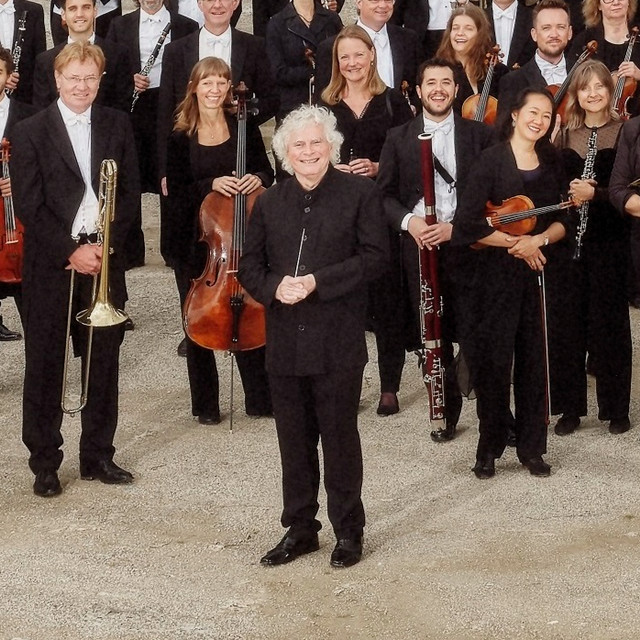
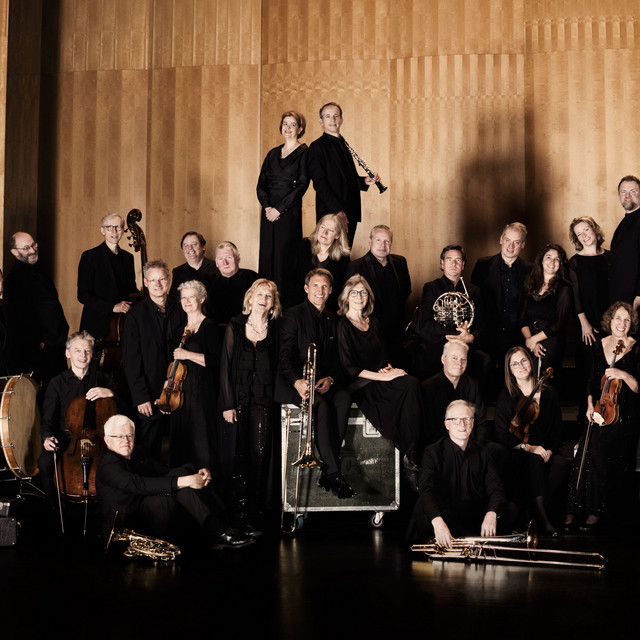
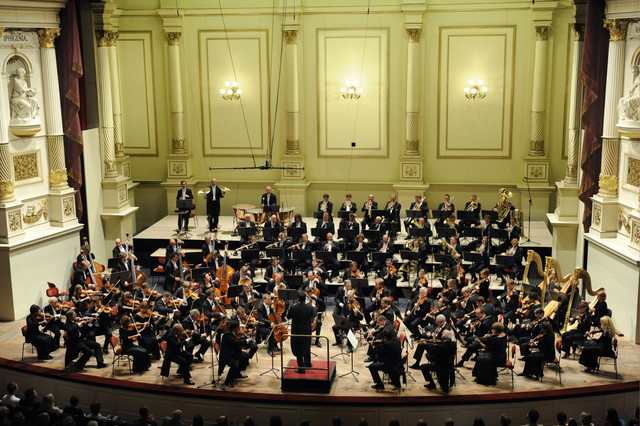
The Staatskapelle Dresden (or Dresden State Orchestra), also known as the Sächsische Staatskapelle Dresden, is one of Europe's oldest continuously operating performing arts organizations. It has numbered some of Europe's most famous composers and conductors among its music directors, and amid changing fashions, it has enjoyed an almost unbroken reputation for high quality.
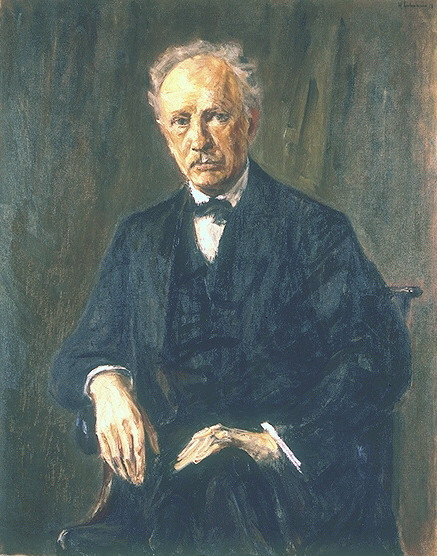
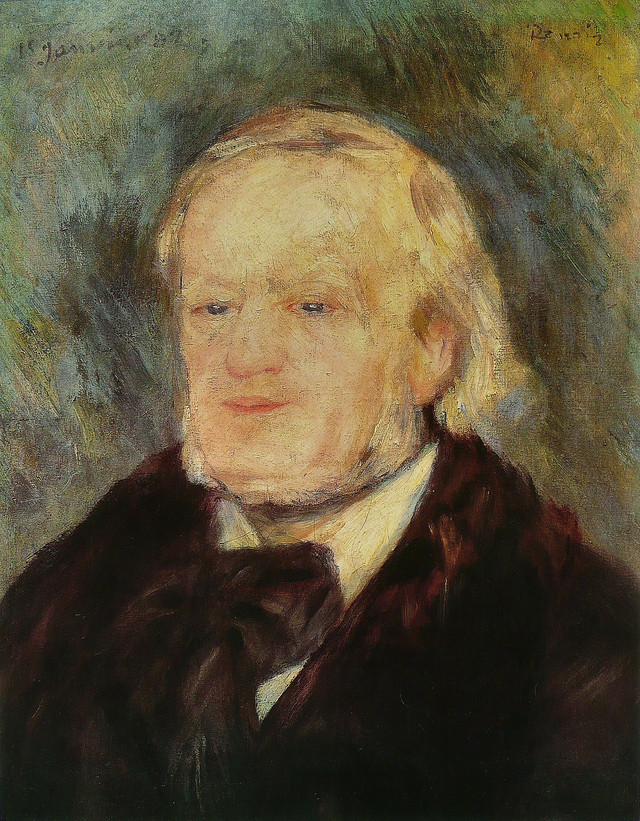
The orchestra dates back to 1548, when Dresden was part of the Holy Roman Empire. It was founded by the Elector Moritz of Saxony to accompany the court chorus in the new large choral compositions of the time. It evolved from an even older group, the Kurfürstlich-Sächsische und Königlich-Polnische Kapelle. During the 17th century, its music directors included <a href="spotify:artist:4Fw8f0YbjBs9suGEwInPJe">Heinrich Schütz</a>, who was closely associated with the orchestra for over half the century. As opera grew at the Dresden court, one of the orchestra's main functions was to accompany the leading German opera company of the day, and <a href="spotify:artist:6w8vbl8dEQWsrWokjeM4sn">Johann Adolf Hasse</a> was the Kapellmeister (or music director) from 1734 to 1763. The orchestra and opera persisted through the unrest of late 18th century Europe, emerging as an operatic center under <a href="spotify:artist:1p6wR69pnH9LBWZvwliuz2">Carl Maria von Weber</a> in the early Romantic era. Other famous names to conduct the orchestra in opera were <a href="spotify:artist:1C1x4MVkql8AiABuTw6DgE">Richard Wagner</a> -- who called it a "magic harp" and premiered Rienzi, Die fliegende Holländer, and Tannhäuser there -- and, later, <a href="spotify:artist:6pAwHPeExeUbMd5w7Iny6D">Richard Strauss</a>.
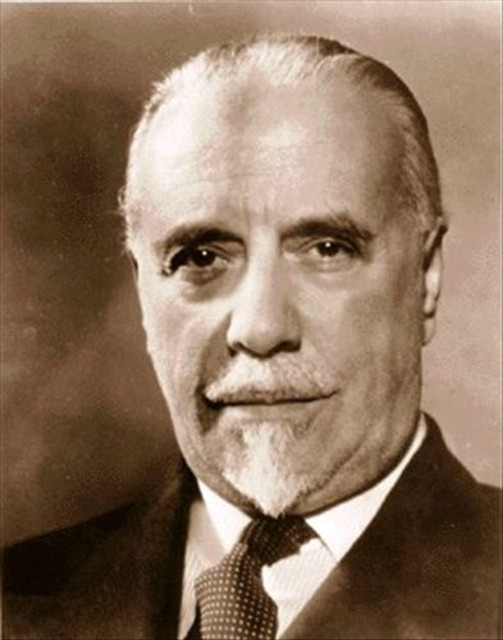
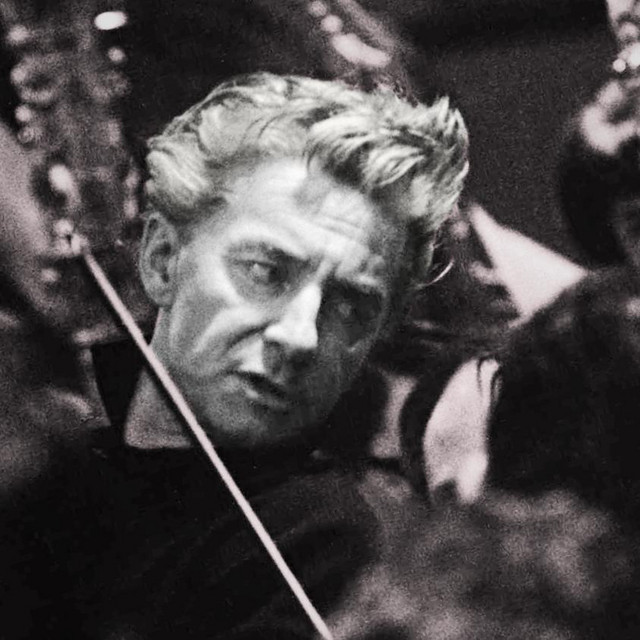
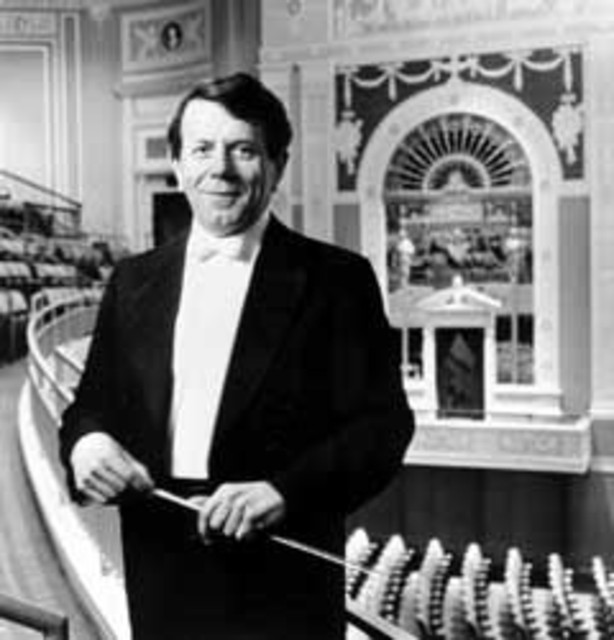
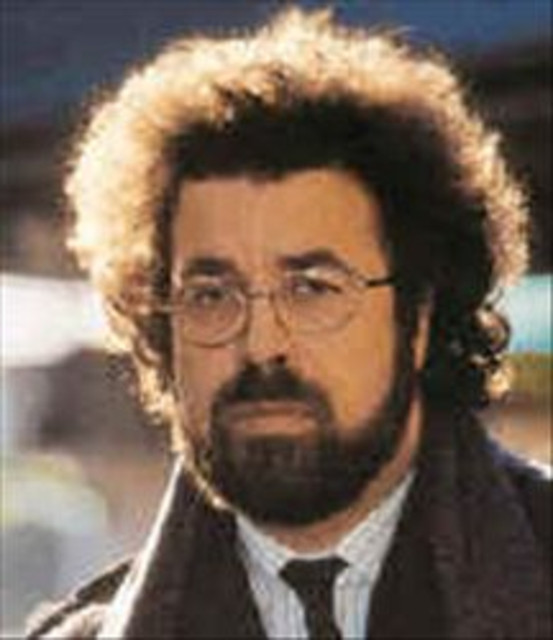
In 1858, the Staatskapelle Dresden began giving concerts of symphonic music, and here again, its reputation grew quickly. Music directors since the turn of the 20th century have included <a href="spotify:artist:4nsMLwMcViXAqwTLJ71y8i">Fritz Reiner</a>, <a href="spotify:artist:3fyr5uksidSlLzsUjRIz5A">Karl Böhm</a>, <a href="spotify:artist:3H5lFsmGtr8CoZexz2rznB">Herbert Blomstedt</a>, <a href="spotify:artist:13F9LNBUeRx3FYLr96Bge1">Bernard Haitink</a>, and, since 2012, <a href="spotify:artist:5c2dloAaXR2qRbIVh2C0jD">Christian Thielemann</a>. In 2013, the Staatskapelle Dresden became the resident ensemble of the Salzburg Easter Festival, where <a href="spotify:artist:5c2dloAaXR2qRbIVh2C0jD">Thielemann</a> also serves as artistic director. In the 21st century, the orchestra began a composers-in-residence program; holders of position have included <a href="spotify:artist:7xkiLJgEoKMVDgTh0s2Mqu">Hans Werner Henze</a>, <a href="spotify:artist:2xcUqNAHTLVnHeK0YLA9IO">Sofia Gubaidulina</a> (twice), <a href="spotify:artist:2P6ygesd9xg5DPOBnda2jg">Arvo Pärt</a>, and, in 2021 and 2022, <a href="spotify:artist:69vvuLr29oiG02SjKP7fdO">Matthias Pintscher</a>.
The orchestra's recording catalog is large, including multiple releases almost every year since 1990 on such labels as <a href="spotify:search:label%3A%22Berlin+Classics%22">Berlin Classics</a>, <a href="spotify:search:label%3A%22Denon%22">Denon</a>, and <a href="spotify:search:label%3A%22Deutsche+Grammophon%22">Deutsche Grammophon</a>. In 2017, the orchestra, under <a href="spotify:artist:5c2dloAaXR2qRbIVh2C0jD">Thielemann</a>, released a recording of Bruckner's Symphony No. 4 in E flat major ("Romantic"), on the <a href="spotify:search:label%3A%22Profil+-+Edition+G%C3%BCnter+H%C3%A4nssler%22">Profil - Edition Günter Hänssler</a> label. A live recording of Bruckner's Symphony No. 1, with <a href="spotify:artist:5c2dloAaXR2qRbIVh2C0jD">Thielemann</a> once again leading the orchestra, was issued in 2021. Many of the Staatskapelle Dresden's historical performances have also been remastered and re-released. ~ James Manheim, Rovi
The orchestra dates back to 1548, when Dresden was part of the Holy Roman Empire. It was founded by the Elector Moritz of Saxony to accompany the court chorus in the new large choral compositions of the time. It evolved from an even older group, the Kurfürstlich-Sächsische und Königlich-Polnische Kapelle. During the 17th century, its music directors included <a href="spotify:artist:4Fw8f0YbjBs9suGEwInPJe">Heinrich Schütz</a>, who was closely associated with the orchestra for over half the century. As opera grew at the Dresden court, one of the orchestra's main functions was to accompany the leading German opera company of the day, and <a href="spotify:artist:6w8vbl8dEQWsrWokjeM4sn">Johann Adolf Hasse</a> was the Kapellmeister (or music director) from 1734 to 1763. The orchestra and opera persisted through the unrest of late 18th century Europe, emerging as an operatic center under <a href="spotify:artist:1p6wR69pnH9LBWZvwliuz2">Carl Maria von Weber</a> in the early Romantic era. Other famous names to conduct the orchestra in opera were <a href="spotify:artist:1C1x4MVkql8AiABuTw6DgE">Richard Wagner</a> -- who called it a "magic harp" and premiered Rienzi, Die fliegende Holländer, and Tannhäuser there -- and, later, <a href="spotify:artist:6pAwHPeExeUbMd5w7Iny6D">Richard Strauss</a>.
In 1858, the Staatskapelle Dresden began giving concerts of symphonic music, and here again, its reputation grew quickly. Music directors since the turn of the 20th century have included <a href="spotify:artist:4nsMLwMcViXAqwTLJ71y8i">Fritz Reiner</a>, <a href="spotify:artist:3fyr5uksidSlLzsUjRIz5A">Karl Böhm</a>, <a href="spotify:artist:3H5lFsmGtr8CoZexz2rznB">Herbert Blomstedt</a>, <a href="spotify:artist:13F9LNBUeRx3FYLr96Bge1">Bernard Haitink</a>, and, since 2012, <a href="spotify:artist:5c2dloAaXR2qRbIVh2C0jD">Christian Thielemann</a>. In 2013, the Staatskapelle Dresden became the resident ensemble of the Salzburg Easter Festival, where <a href="spotify:artist:5c2dloAaXR2qRbIVh2C0jD">Thielemann</a> also serves as artistic director. In the 21st century, the orchestra began a composers-in-residence program; holders of position have included <a href="spotify:artist:7xkiLJgEoKMVDgTh0s2Mqu">Hans Werner Henze</a>, <a href="spotify:artist:2xcUqNAHTLVnHeK0YLA9IO">Sofia Gubaidulina</a> (twice), <a href="spotify:artist:2P6ygesd9xg5DPOBnda2jg">Arvo Pärt</a>, and, in 2021 and 2022, <a href="spotify:artist:69vvuLr29oiG02SjKP7fdO">Matthias Pintscher</a>.
The orchestra's recording catalog is large, including multiple releases almost every year since 1990 on such labels as <a href="spotify:search:label%3A%22Berlin+Classics%22">Berlin Classics</a>, <a href="spotify:search:label%3A%22Denon%22">Denon</a>, and <a href="spotify:search:label%3A%22Deutsche+Grammophon%22">Deutsche Grammophon</a>. In 2017, the orchestra, under <a href="spotify:artist:5c2dloAaXR2qRbIVh2C0jD">Thielemann</a>, released a recording of Bruckner's Symphony No. 4 in E flat major ("Romantic"), on the <a href="spotify:search:label%3A%22Profil+-+Edition+G%C3%BCnter+H%C3%A4nssler%22">Profil - Edition Günter Hänssler</a> label. A live recording of Bruckner's Symphony No. 1, with <a href="spotify:artist:5c2dloAaXR2qRbIVh2C0jD">Thielemann</a> once again leading the orchestra, was issued in 2021. Many of the Staatskapelle Dresden's historical performances have also been remastered and re-released. ~ James Manheim, Rovi
Monthly Listeners
586,241
Monthly Listeners History
Track the evolution of monthly listeners over the last 28 days.
Followers
19,507
Followers History
Track the evolution of followers over the last 28 days.
Top Cities
18,870 listeners

10,299 listeners
9,947 listeners
7,046 listeners
6,905 listeners