Data may be outdated
Last updated: 9 months ago — Click refresh to get the latest statistics.
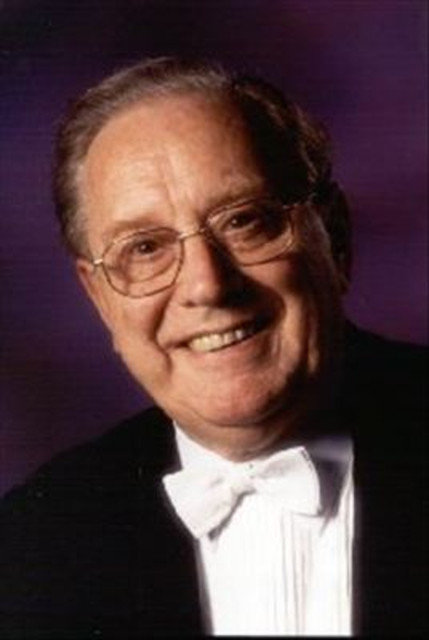
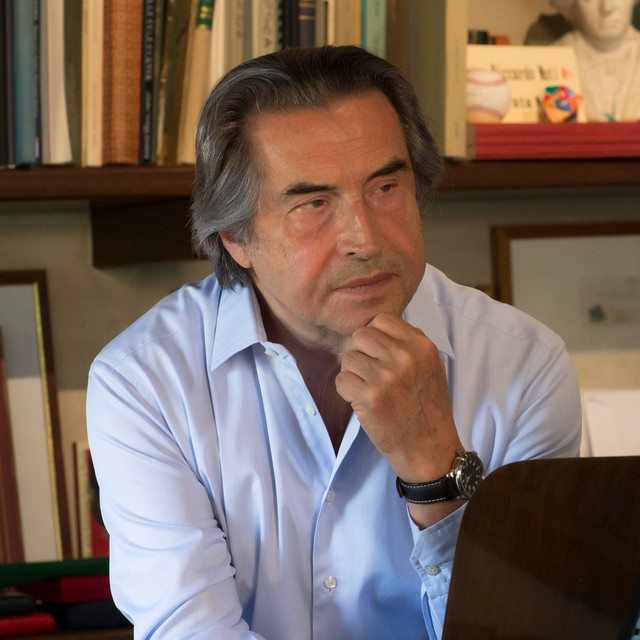
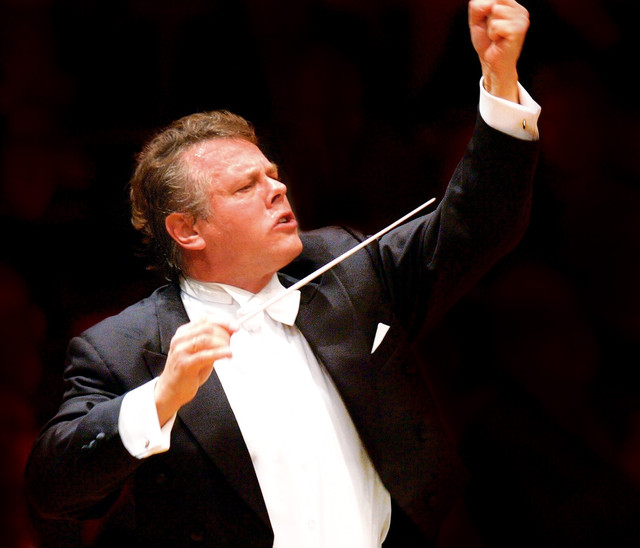
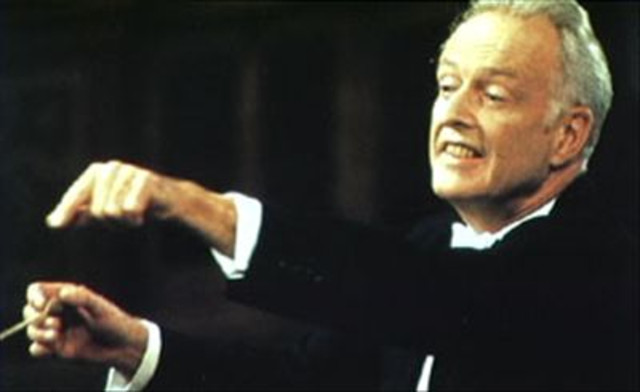
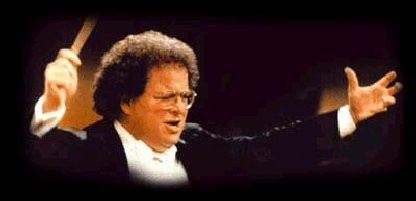
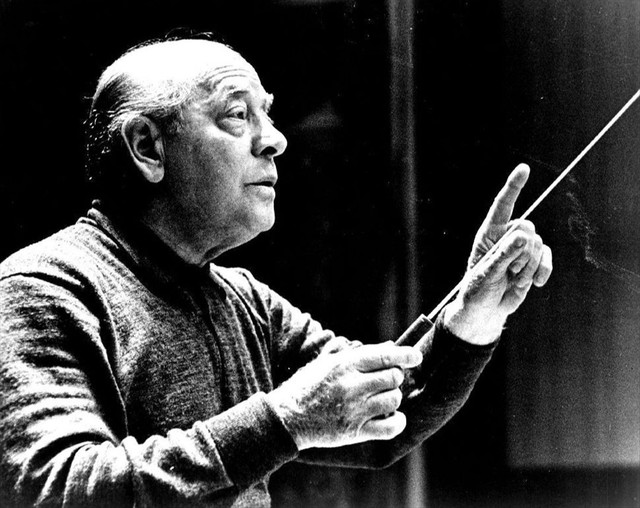
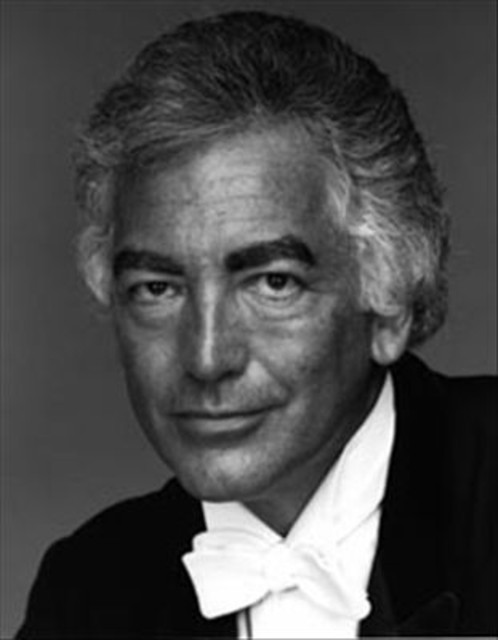
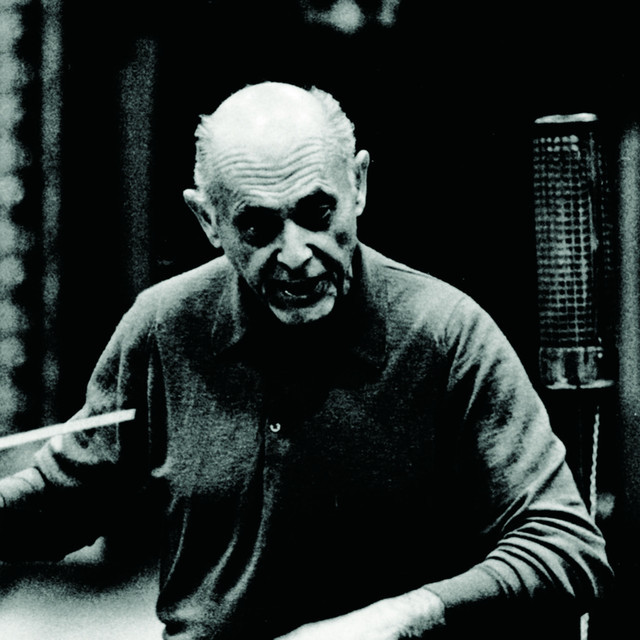
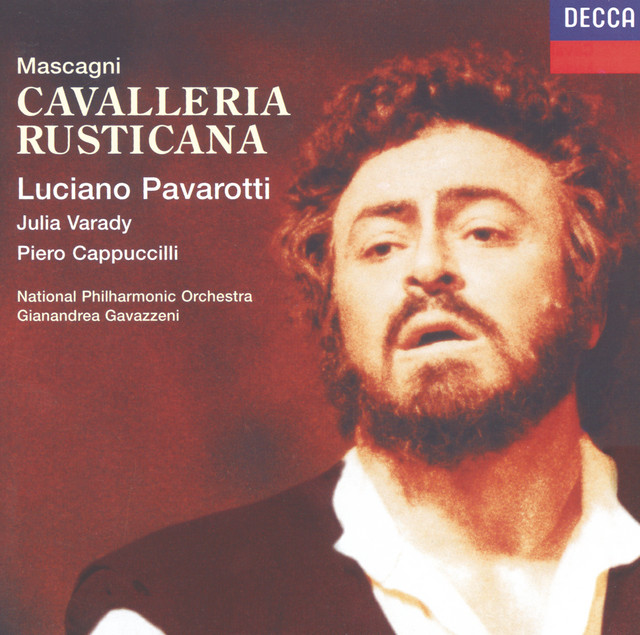
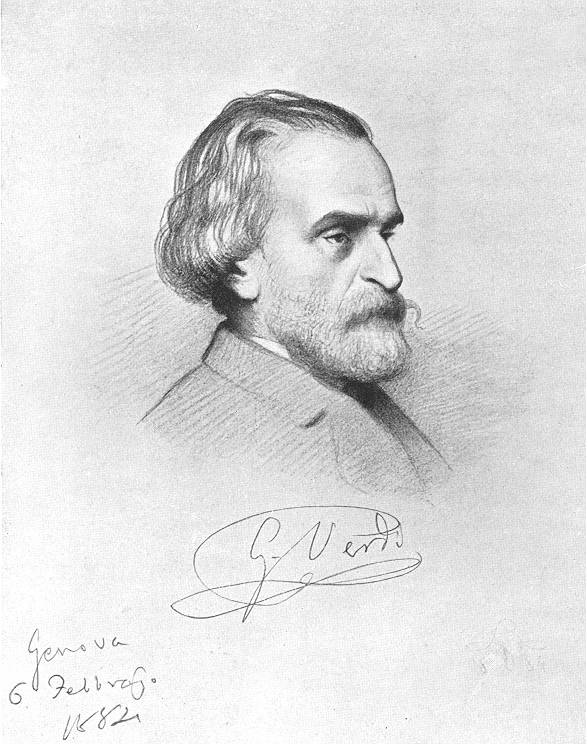
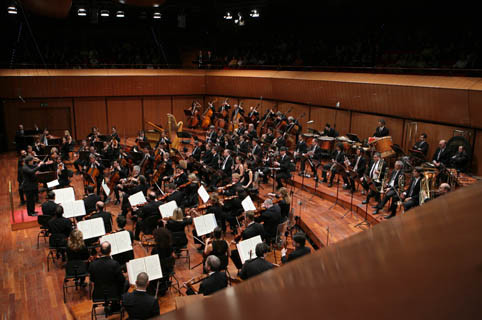
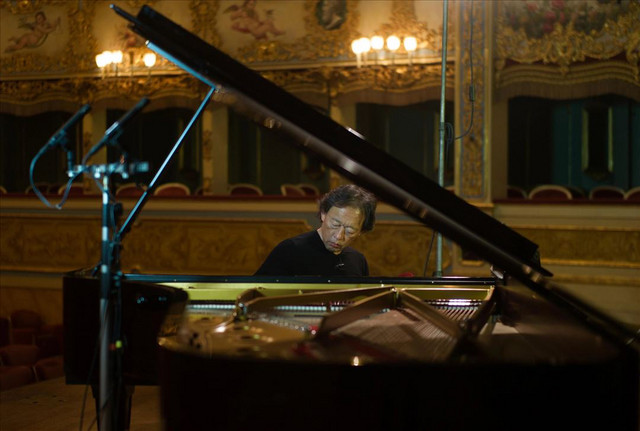
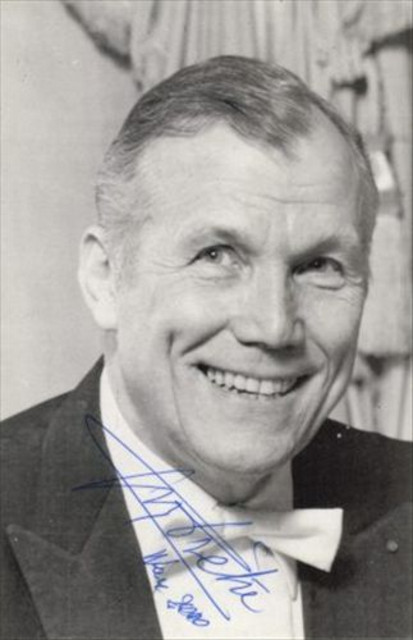
The New Philharmonia Orchestra had an unusual history, as one might suspect from the 13-year span listed in the headnote. Yet, these vital dates are quite misleading: the orchestra did not actually come into being in 1964 as a new ensemble and then disband in 1977, never to be heard from again. The orchestra was originally founded by <a href="spotify:artist:6u72aGWTVC1RUgPjCXVUgt">Walter Legge</a> in 1945, but under the name Philharmonia Orchestra. <a href="spotify:artist:6u72aGWTVC1RUgPjCXVUgt">Legge</a> was an executive with EMI Records and controlled the ensemble in its first two decades. When he realized in 1964 he would likely be unable to run the orchestra as he desired, owing to a reduced recording schedule and other circumstances beyond his reach, he suggested disbandment. In response, members of the Philharmonia re-formed the orchestra that year, adopted the name New Philharmonia Orchestra, and decided to retain their conductor, the renowned 79-year-old <a href="spotify:artist:2ljDHW0zt90SrHDwjVIGXs">Otto Klemperer</a>. In effect, the ensemble remained the same world-class group it had been in the late 1950s and early 1960s, but without the guidance and control of <a href="spotify:artist:6u72aGWTVC1RUgPjCXVUgt">Legge</a>. A trust fund was established to aid the NPO and the London Orchestral Concert Board offered financial support for concerts at home. The New Philharmonia also began recording with labels other than EMI and thus, drawing from these various sources of income, garnered sufficient monies not only to meet expenses but fund a tour of South America in 1965. In general, the ensemble retained its high ranking throughout the 1960s as being what many considered the finest orchestra in the United Kingdom. In 1971, <a href="spotify:artist:2ljDHW0zt90SrHDwjVIGXs">Klemperer</a> retired and the young American conductor Lorin Maazel was named his successor. Maazel's more energetic style and greater intensity did not fit in well with the sensibilities of orchestra members and as a result, performance standards declined. <a href="spotify:artist:7silW8RiEOoLBgAg5JBCL1">Riccardo Muti</a> succeeded him in 1973 and quickly became a popular figure with both audience and critics alike. He expanded the repertory and drew more consistent playing from the ensemble. In 1977, the orchestra decided to revert to its founding name, the Philharmonia, or Philharmonia Orchestra. During its 13 years, the NPO made many memorable recordings, including <a href="spotify:artist:2ljDHW0zt90SrHDwjVIGXs">Klemperer</a>'s accounts of <a href="spotify:artist:4NJhFmfw43RLBLjQvxDuRS">Mozart</a>'s Symphony No. 29 and Così fan tutte overture, Maazel's A German Requiem by <a href="spotify:artist:5wTAi7QkpP6kp8a54lmTOq">Brahms</a>, and <a href="spotify:artist:7silW8RiEOoLBgAg5JBCL1">Muti</a>'s rendition of <a href="spotify:artist:1JOQXgYdQV2yfrhewqx96o">Verdi</a>'s Macbeth.
Monthly Listeners
181,792
Monthly Listeners History
Track the evolution of monthly listeners over the last 28 days.
Followers
13,843
Followers History
Track the evolution of followers over the last 28 days.
Top Cities
4,199 listeners

3,102 listeners

2,345 listeners

1,816 listeners

1,512 listeners