Data may be outdated
Last updated: 7 months ago — Click refresh to get the latest statistics.
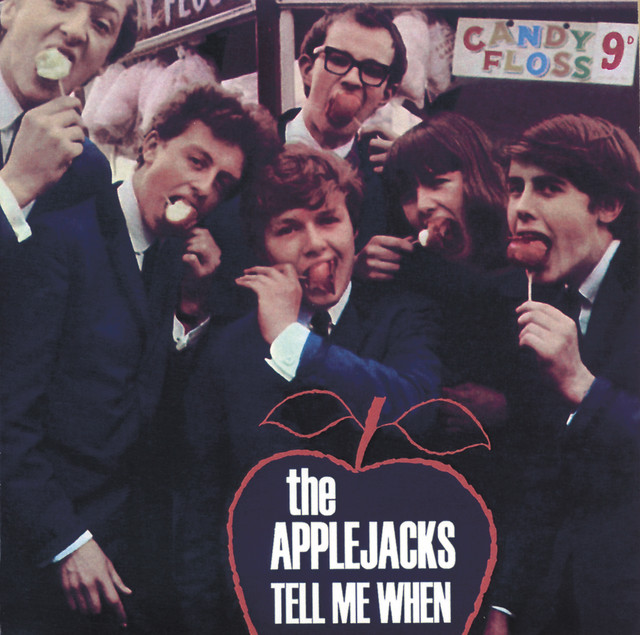
A minor British Invasion group that had three hits in the U.K. (but none in the U.S.), the Applejacks are principally known -- if anyone remembers them at all -- for covering a <a href="spotify:artist:4x1nvY2FN8jxqAFA0DA02H">John Lennon</a>-<a href="spotify:artist:4STHEaNw4mPZ2tzheohgXB">Paul McCartney</a> composition that <a href="spotify:artist:3WrFJ7ztbogyGnTHbHJFl2">the Beatles</a> never released in the '60s, "Like Dreamers Do." Their jaunty, lightweight pop/rock could have easily been mistaken for that of a Merseybeat combo, though they actually hailed from the town of Solihull, near Birmingham. The sextet also attracted more attention than the average generic 1964 British pop group due to the presence of one female member, Megan Davies, on bass. The overwhelming bulk of their material, however, was pleasantly bland or downright boring, and they issued just one single after 1965. Forming in 1961 as the skiffle trio the Crestas, the band soon expanded their personnel, moved into electric rock, and changed their name to the Applejacks the following year. Decca issued their first single, "Tell Me When," in early 1964, and while this was among the more unmemorable British beat pop/rock hits from the time, it made it to number seven in the U.K. They were fortunate enough to procure "Like Dreamers Do" from <a href="spotify:artist:4x1nvY2FN8jxqAFA0DA02H">Lennon</a> and <a href="spotify:artist:6QEKXJs8gQCiyBq5L8knco">McCartney</a> when they met the pair at a television rehearsal. The tune had been recorded by <a href="spotify:artist:3WrFJ7ztbogyGnTHbHJFl2">the Beatles</a> in January, 1962, at their unsuccessful audition for Decca (this version is now available on <a href="spotify:artist:3WrFJ7ztbogyGnTHbHJFl2">the Beatles</a>' Anthology 1), and like much of <a href="spotify:artist:3WrFJ7ztbogyGnTHbHJFl2">the Beatles</a>' early rejects, was in a more lightweight mode than the <a href="spotify:artist:4x1nvY2FN8jxqAFA0DA02H">Lennon</a>-<a href="spotify:artist:6QEKXJs8gQCiyBq5L8knco">McCartney</a> tunes they chose to enshrine on record. The Applejacks' version, featuring (as many of their tracks did) a rinky-dink piano, was nonetheless inferior to <a href="spotify:artist:3WrFJ7ztbogyGnTHbHJFl2">the Beatles</a>' old demo, but did make it to number 20 in the British charts. Oddly, considering the American hunger for almost anything by the <a href="spotify:artist:4x1nvY2FN8jxqAFA0DA02H">Lennon</a>-<a href="spotify:artist:6QEKXJs8gQCiyBq5L8knco">McCartney</a> songwriting team in mid-1964, it did nothing in the States. The Applejacks wrote very little of their own material, filling their recorded repertoire with tunes supplied by British popsmiths such as <a href="spotify:artist:01RiKlJWNaipHfMTbeawhS">Geoff Stephens</a> and Peter Dello (later in Honeybus), as well as hackneyed covers of American '50s rock standards. While their discs had peppy harmonies, they were on the whole among the wimpier fare of the British Invasion fare, with a shortage of outstanding melodies. "Three Little Words (I Love You)" provided them with their final British Top 30 entry in late 1964. After a now-rare 1964 album and seven British 1964-1965 singles (including the first version of the <a href="spotify:artist:6spXkXEP6teMn2cu9sWbBR">Ray Davies</a> composition "I Go to Sleep," which was not released by <a href="spotify:artist:1SQRv42e4PjEYfPhS0Tk9E">the Kinks</a> at the time), they made just one more recording, a 1967 single for CBS. ~ Richie Unterberger, Rovi
Monthly Listeners
9,271
Monthly Listeners History
Track the evolution of monthly listeners over the last 28 days.
Followers
5,419
Followers History
Track the evolution of followers over the last 28 days.
Top Cities
296 listeners

184 listeners
120 listeners
109 listeners
97 listeners
Related Artists
Nino Tempo & April Stevens
Terry Black
Apple Jam
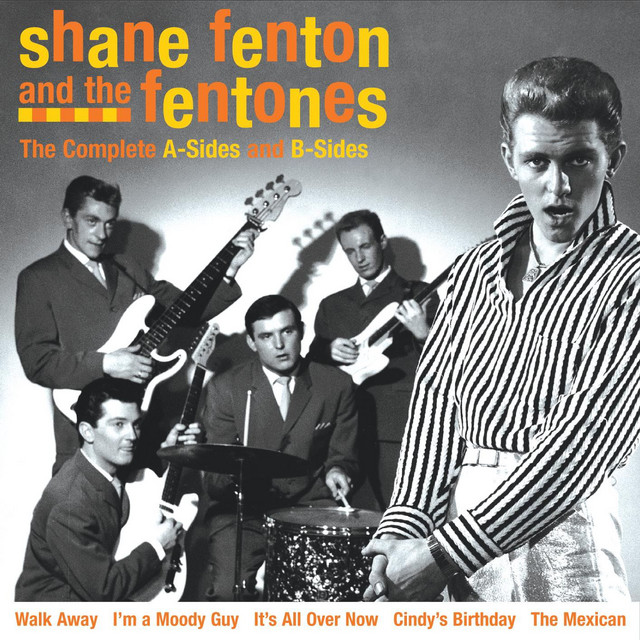
Shane Fenton & The Fentones
The Overlanders
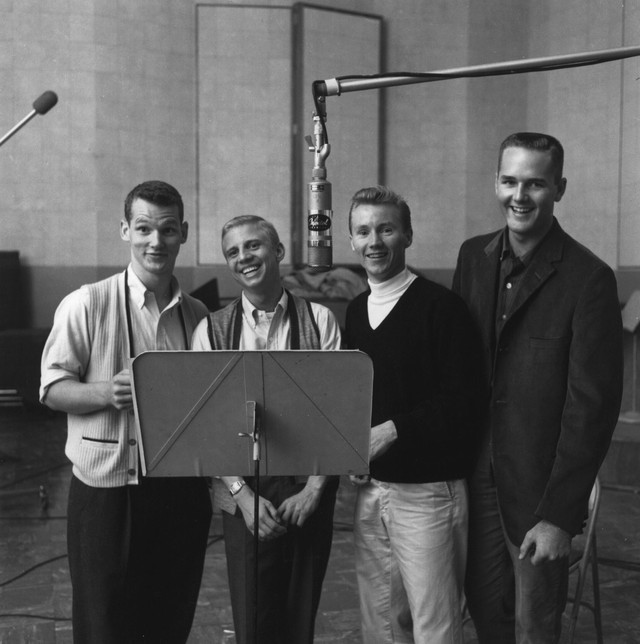
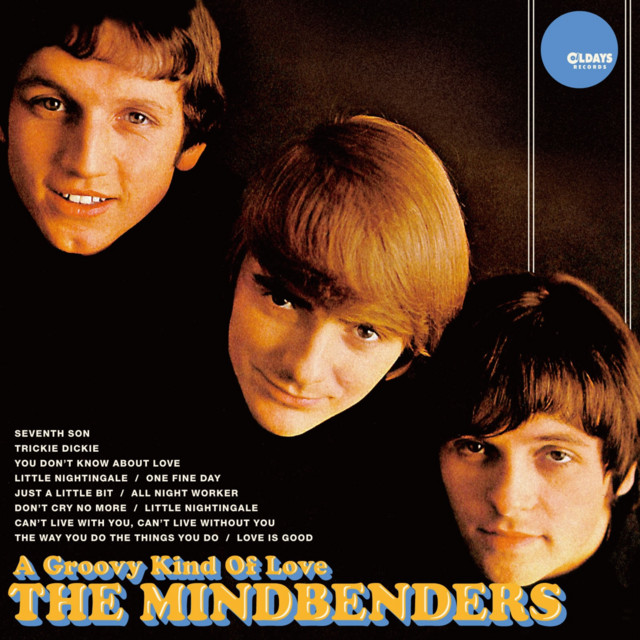
Eddie Rambeau