Data may be outdated
Last updated: 2 weeks ago — Click refresh to get the latest statistics.
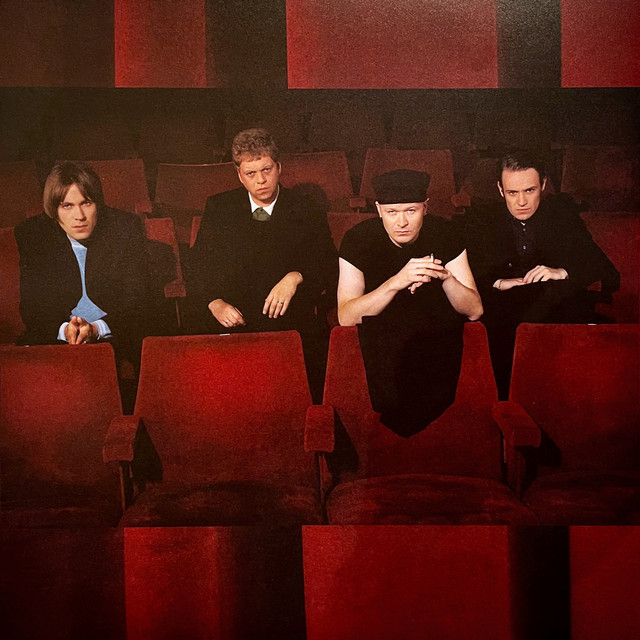
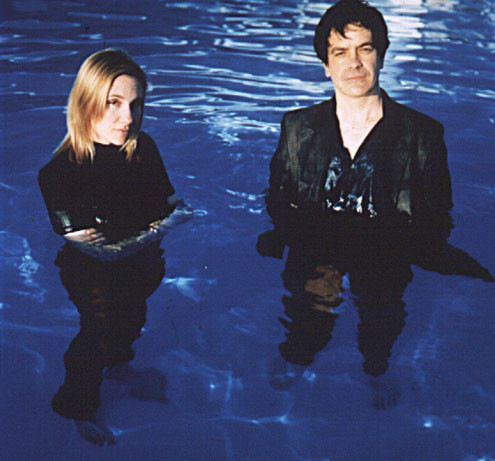
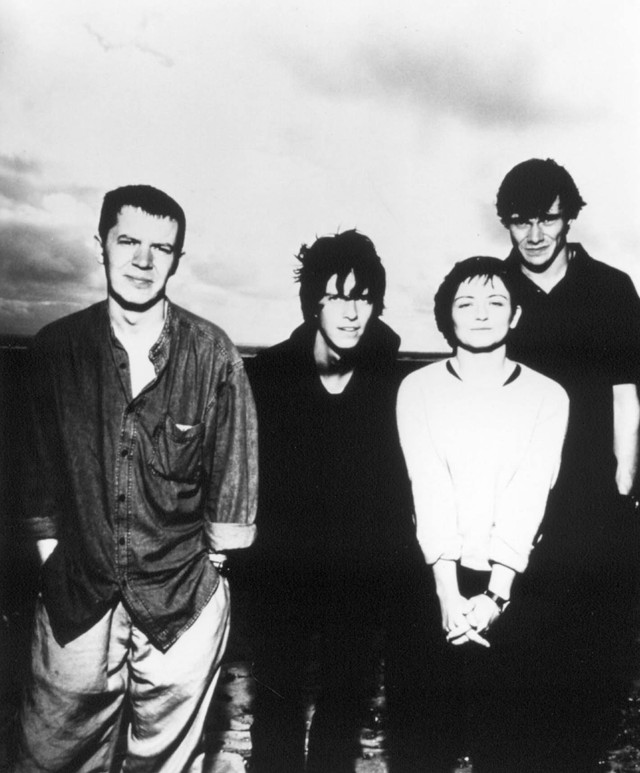
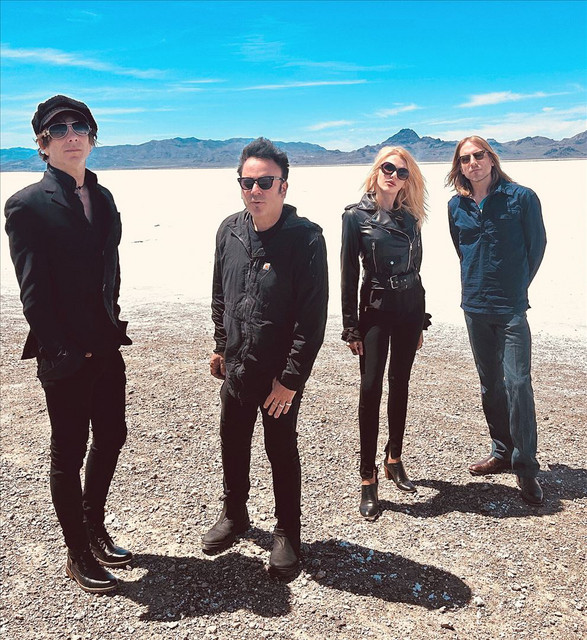
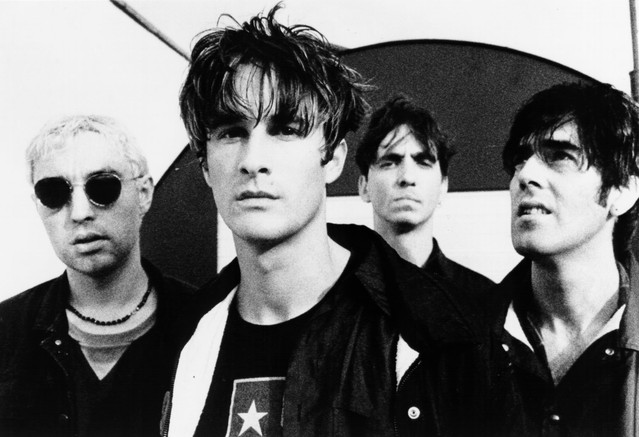
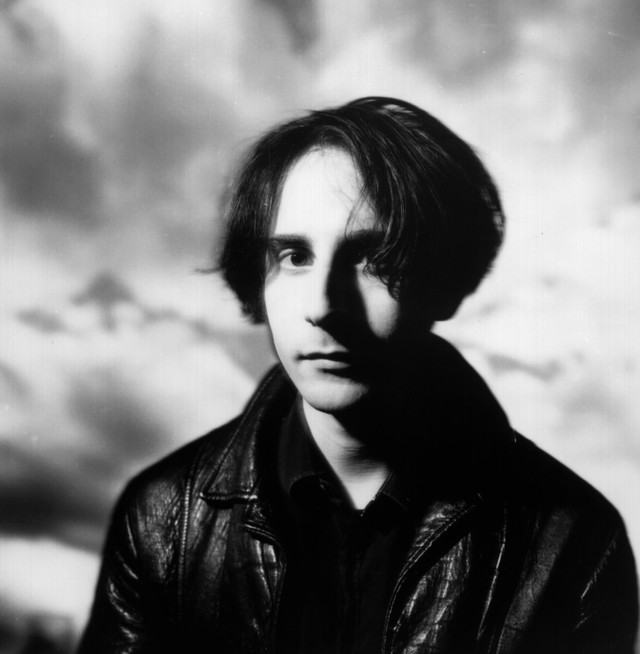
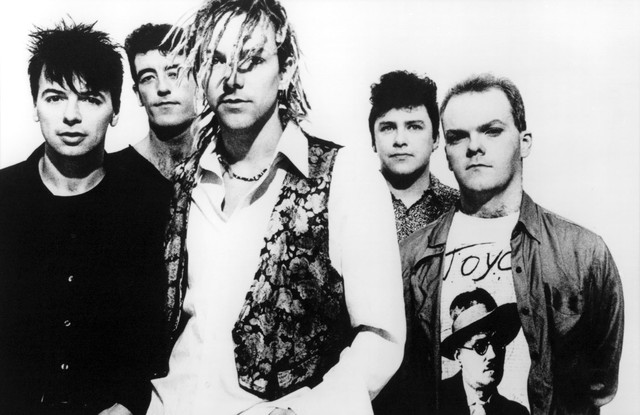
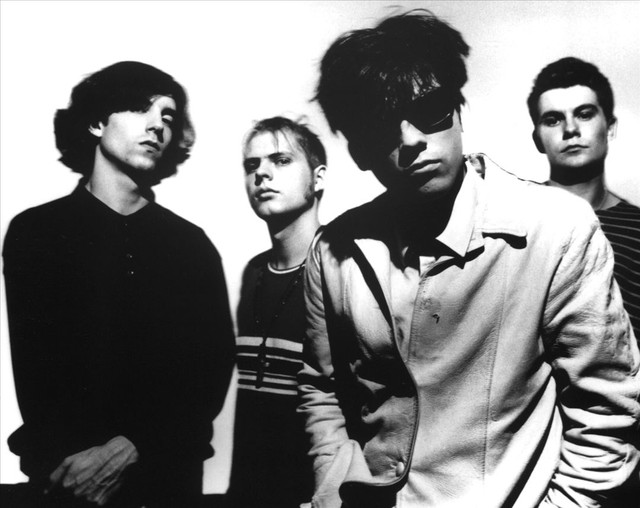
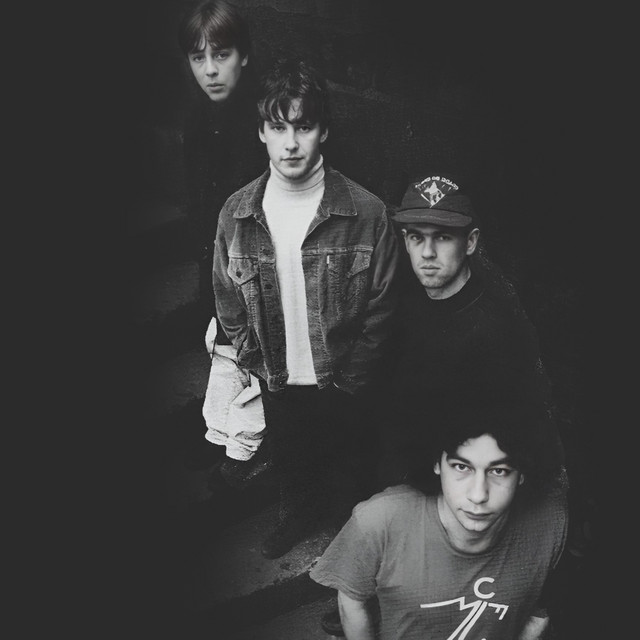
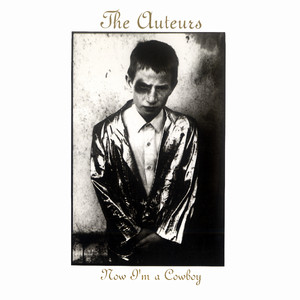
<a href="spotify:artist:6ktzu3KxlqOqd3eKnqTCyb">Haines</a> spent the years between 1987 and 1991 playing guitar in the indie pop group <a href="spotify:artist:3qSpPrzmQVZ1EjQetKemde">the Servants</a>. Led by singer/songwriter <a href="spotify:artist:5LrbpHyvCpIJUwIZXvkmYS">David Westlake</a>, their difficult relationships with record labels and lack of success, despite their compelling songs and a fine vocalist, lent to <a href="spotify:artist:6ktzu3KxlqOqd3eKnqTCyb">Haines</a>' somewhat jaded view of the entire pop music enterprise. When the band folded, he spent some time learning to write songs and eventually made a demo tape consisting of his best efforts to date. At the same time he put together a group to play live, namely bassist Alice Readman and drummer Glenn Collins. The trio benefited from a positive NME review of their third show, and their demo tape made its way to <a href="spotify:artist:6PHIK3kjWggLtVygsOtpqS">Suede</a>, who were then on the cusp of being the hottest band around. They liked it enough to hire the Auteurs as support for a 1992 tour, which led to more and more industry interest. Rather than signing with one of the labels who were pursuing them, the trio decided to record their debut album first. Funded by money fronted by their manager, they hit the studio with producer Phil Vinall and emerged with New Wave. The record's lyrically pointed, sharply melodic songs and sound captured the shabby underbelly of the Brit-pop scene they despised, and after signing with <a href="spotify:search:label%3A%22Virgin%22">Virgin</a> off-shoot <a href="spotify:search:label%3A%22Hut%22">Hut</a>, the band released it in early 1993. They promoted the album with a string of shows opening for <a href="spotify:artist:7cKtqv9cYVlOwnuCFH95ce">The The</a>, then returned to the studio with new drummer Barney Rockford in tow. Cellist James Banbury, who appeared on New Wave, was promoted to full-member status and contributed Hammond organ as well. The sessions were once again produced by Phil Vinall and the resulting Now I'm a Cowboy had a similar <a href="spotify:artist:1SQRv42e4PjEYfPhS0Tk9E">Kinks</a>-meets-glam sound, with songs that showed <a href="spotify:artist:6ktzu3KxlqOqd3eKnqTCyb">Haines</a>' poison pen and viperous vocals had lost none of their bitterness. Touring for the album -- which was remixed by electronic artist <a href="spotify:artist:7AiamoV760pPGGM5PbOC6X">µ-Ziq</a> and released as µ-Ziq vs. the Auteurs -- proved difficult when halfway through the European leg, <a href="spotify:artist:6ktzu3KxlqOqd3eKnqTCyb">Haines</a> took an ill-advised leap and broke both ankles. Once he healed -- almost a year later -- the band reconvened to record their third album, this time utilizing the engineering skills of <a href="spotify:artist:52ZFTGbQ9miWMX8JYBvtOO">Steve Albini</a> and the legendary atmosphere of Abbey Road. The resulting album, After Murder Park, was lyrically grim, even by <a href="spotify:artist:6ktzu3KxlqOqd3eKnqTCyb">Haines</a>' standard, and musically stark, even when strings and keys were added. The record sat on the shelf for months as if to confirm <a href="spotify:artist:6ktzu3KxlqOqd3eKnqTCyb">Haines</a>' feelings about the dark machinations of the record biz, and was finally issued in March of 1996. Despite selling quite a few copies and reaching the Top 40 of the British music charts, the album was considered a failure and fractured the band. <a href="spotify:artist:6ktzu3KxlqOqd3eKnqTCyb">Haines</a> took a left turn to record an odd electronic album with percussionist <a href="spotify:artist:6MPSPUcWWZsIVbFiw35Ygg">Kuljit Bhamra</a> under the name <a href="spotify:artist:4ytlQaboYeSgqbrrBiQOwk">Baader Meinhof</a>. It was released later in 1996 and baffled people with its strange juxtaposition of funk, Indian instrumentation, and love for terrorist iconography. Around the same time, <a href="spotify:artist:6ktzu3KxlqOqd3eKnqTCyb">Haines</a> got the idea for another band and started working on <a href="spotify:artist:6Hd3xhv1sj3rlojjvGLkGR">Black Box Recorder</a>, a sleek synth pop band that featured instrumentalist <a href="spotify:artist:4cJBywWYoBG2dIsc9OdsFk">John Moore</a> and vocalist <a href="spotify:artist:7nzpICHWCUXx7i9TTWwPSZ">Sarah Nixey</a>. At the same time he wrote and recorded that group's first album, he called the Auteurs back together to work on their fourth album. At the label's direction, they aimed to write hit singles along with their usual caustic, anti-pop songs. To that end they succeeded by turning in "The Rubettes." a gleaming confection that honored the '70s group of the same name. The rest of the record was typically inventive and spiky, only with more fleshed-out arrangements and synthesizers. It proved to be the final album made by the original lineup and Readman left before their 1999 tour.
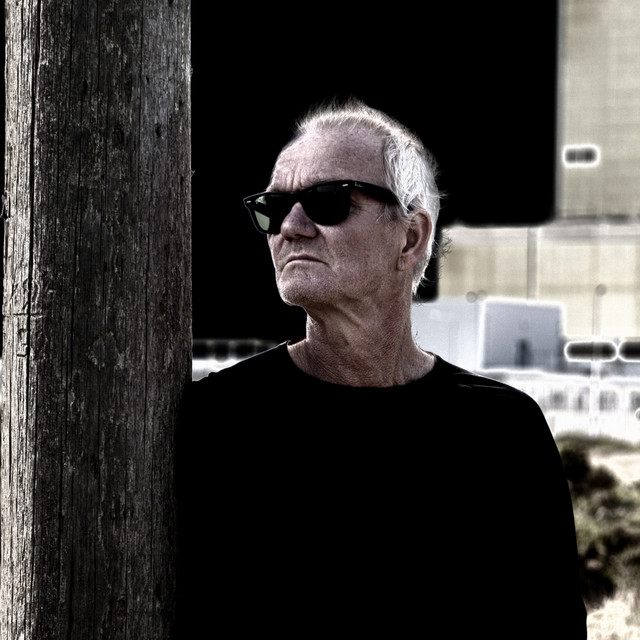
With <a href="spotify:artist:6ktzu3KxlqOqd3eKnqTCyb">Haines</a> focusing on <a href="spotify:artist:6Hd3xhv1sj3rlojjvGLkGR">Black Box Recorder</a>, the Auteurs were effectively disbanded. The songs and name were resurrected in 2002 when <a href="spotify:artist:6ktzu3KxlqOqd3eKnqTCyb">Haines</a> was offered the chance to record old tracks with string arrangements. He leapt at the chance, as in typical fashion, he was in a pitched battle with <a href="spotify:artist:6Hd3xhv1sj3rlojjvGLkGR">Black Box Recorder</a>'s label over the release of their third album Passionoia. Only Banbury joined <a href="spotify:artist:6ktzu3KxlqOqd3eKnqTCyb">Haines</a> on Das Capital: The Song Writing Genius of Luke Haines, the last album to bear the Auteurs name. <a href="spotify:artist:6ktzu3KxlqOqd3eKnqTCyb">Haines</a> continued recording solo works in a variety of genres, wrote books, and helped with reissues of the Auteurs' first three albums in 2014. The band's complete studio recordings, including the <a href="spotify:artist:4ytlQaboYeSgqbrrBiQOwk">Baader Meinhof</a> album plus a raft of bonus tracks including their initial demo tape, was issued under the name People 'Round Here Don't Like to Talk About It: The Complete EMI Recordings on <a href="spotify:search:label%3A%22Cherry+Red%22">Cherry Red</a> in 2023. ~ Tim Sendra, Rovi
Monthly Listeners
32,017
Monthly Listeners History
Track the evolution of monthly listeners over the last 28 days.
Followers
22,578
Followers History
Track the evolution of followers over the last 28 days.
Total Streams
11.0 million
Total Streams History
Track the evolution of total streams over the last 28 days. This data is calculated from all tracks listed in the artist's discography.