Data may be outdated
Last updated: 9 months ago — Click refresh to get the latest statistics.
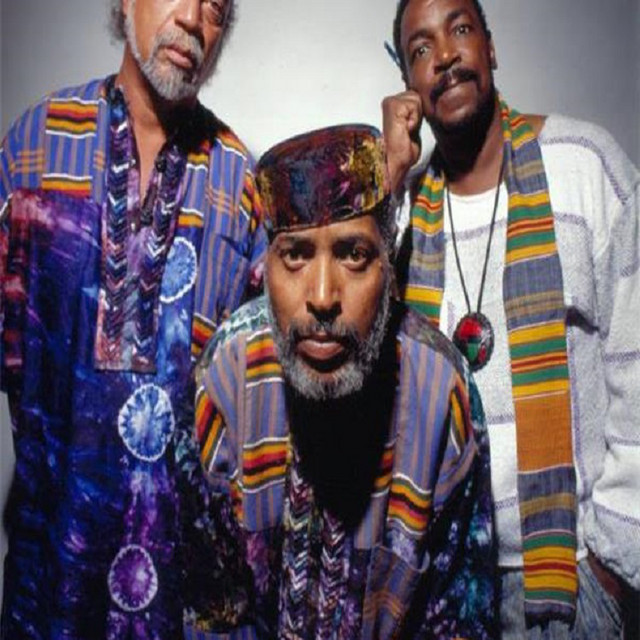
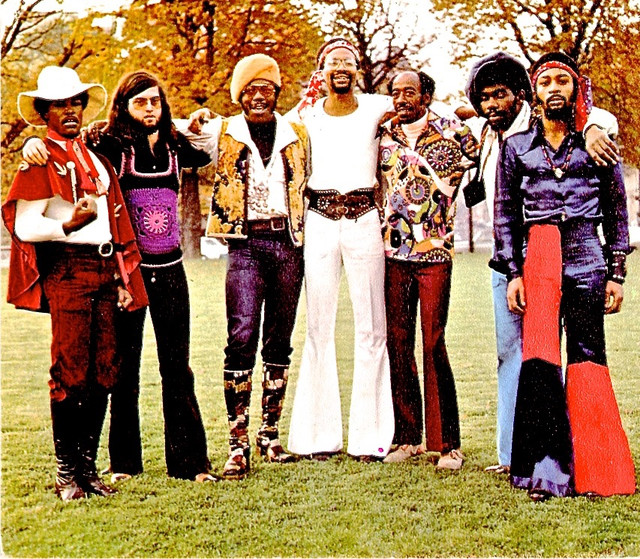
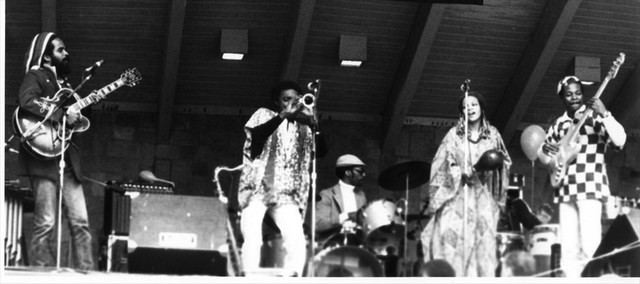
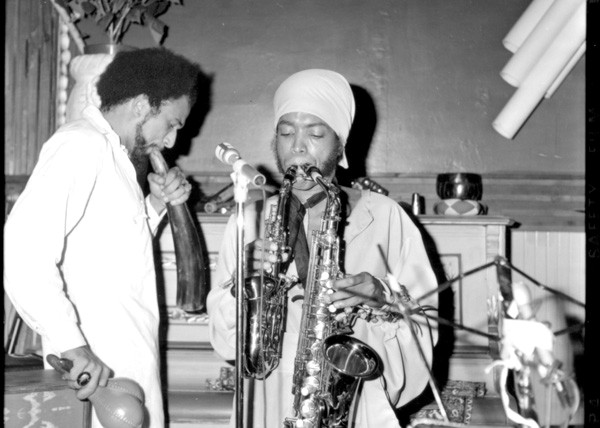
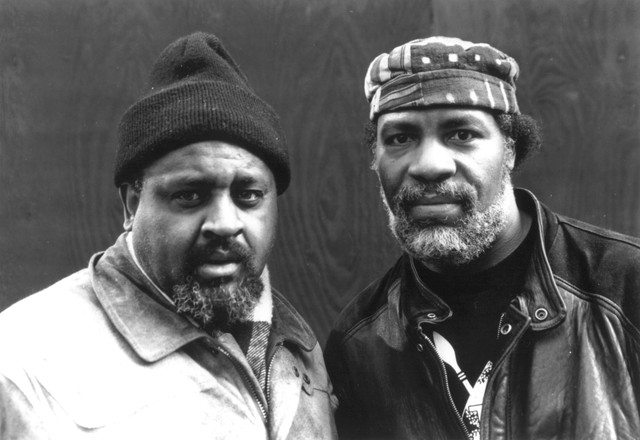
With their politically charged raps, taut rhythms, and dedication to raising Black consciousness, the Last Poets almost single-handedly laid the groundwork for the emergence of hip-hop. Formed in 1968, the group's combination of incendiary, politically charged verses and Afro-centric musical accompaniment, usually informed by jazz, became wildly influential, and 1970's The Last Poets and 1971's This Is Madness were unlikely hits. The group embraced a more ambitious blend of jazz and poetry on 1972's Chastisement, but by the end of the '70s they'd quietly disbanded. After the rise of hip-hop reminded the world of their vital influence, the Last Poets returned with 1985's Oh My People, and they enjoyed a second act throughout the '90s. As American politics became turbulent following the election of Donald Trump, the Last Poets returned to the studio, as fiery and relevant as ever, for 2018's Understand What Black Is.
The group arose out of the prison experiences of Jalal Mansur Nuriddin, a U.S. Army paratrooper who chose jail as an alternative to fighting in Vietnam; while incarcerated, he converted to Islam, learned to "spiel" (an early form of rapping), and befriended fellow inmates Omar Ben Hassan and <a href="spotify:artist:4tbHo67ud5C2lM20xd09DN">Abiodun Oyewole</a>. Upon the trio's release from prison, they returned to the impoverished ghettos of Harlem, where they joined the East Wind poetry workshop and began performing their fusion of spiels and musical backing on neighborhood street corners.
On May 16, 1969 -- <a href="spotify:artist:2IsulP0BplLNJn8BGsvUQo">Malcolm X</a>'s birthday -- they officially formed the Last Poets, adopting the name from the work of South African Little Willie Copaseely, who declared the era to be the last age of poets before the complete takeover of guns. After a performance on a local television program, the group was signed by jazz producer Alan Douglas, who helmed their eye-opening eponymous debut LP in 1970. A collection condemning both white oppression ("White Man's Got a God Complex") and Black stasis ("Niggas Are Scared of Revolution"), The Last Poets reached the U.S. Top Ten album charts, but before the group could mount a tour, <a href="spotify:artist:4tbHo67ud5C2lM20xd09DN">Oyewole</a> was sentenced to 14 years in prison after being found guilty of robbery and was replaced by percussionist Nilaja.
After the 1971 follow-up This Is Madness (which landed them on President Richard Nixon's Counter-Intelligence Programming lists), <a href="spotify:artist:53EvFLxE4mxsAJXKTMnbXm">Hassan</a> joined a Southern-based religious sect; <a href="spotify:artist:3Tubk5RAHd08smsXZ5XpOe">Jalal</a> recruited former jazz drummer Suliaman El Hadi for 1972's Chastisement, which incorporated jazz-funk structures to create a sound the group dubbed "jazzoetry." Following the 1973 <a href="spotify:artist:3Tubk5RAHd08smsXZ5XpOe">Jalal</a> solo concept album Hustler's Convention (recorded under the alias <a href="spotify:artist:78fRJkihgP2NudYwkRUrHB">Lightnin' Rod</a>), the Last Poets issued 1974's At Last, a foray into free-form jazz; after its release, Nilaja exited, and with the exception of 1977's Delights of the Garden, the group kept a conspicuously low profile for the remainder of the decade.
By the '80s, however, the proliferation of rap -- and the form's acknowledged debt to the Last Poets -- made their early records much-sought-after collectors' items; finally, in 1984, the group resurfaced with the LP Oh, My People, followed in 1988 by Freedom Express. Another layoff ensued, during which time <a href="spotify:artist:53EvFLxE4mxsAJXKTMnbXm">Hassan</a> issued a solo LP, 1993's Be Bop or Be Dead, and <a href="spotify:artist:3Tubk5RAHd08smsXZ5XpOe">Jalal</a> mentored the British acid jazz unit <a href="spotify:artist:5wCNzQ86Wfer6KdOxaPlQG">Galliano</a>. In 1995, two splinter groups simultaneously reclaimed the Last Poets name; while <a href="spotify:artist:3Tubk5RAHd08smsXZ5XpOe">Jalal</a> and El Hadi teamed for the single "Scatterrap," <a href="spotify:artist:53EvFLxE4mxsAJXKTMnbXm">Hassan</a> and <a href="spotify:artist:4tbHo67ud5C2lM20xd09DN">Oyewole</a> issued the LP Holy Terror. In 1997, the <a href="spotify:artist:53EvFLxE4mxsAJXKTMnbXm">Hassan</a> and <a href="spotify:artist:4tbHo67ud5C2lM20xd09DN">Oyewole</a> edition of the Last Poets released Time Has Come; featuring guest appearances from <a href="spotify:artist:3JLUCojZaHrX2LaUkSj7Ud">Pharoah Sanders</a> and <a href="spotify:artist:1JfH8gevkDviqs50A5NO0L">Chuck D.</a> of <a href="spotify:artist:6Mo9PoU6svvhgEum7wh2Nd">Public Enemy</a>, the album was issued by <a href="spotify:search:label%3A%22Mercury%22">Mercury</a>'s short-lived spoken word imprint <a href="spotify:search:label%3A%22Mouth+Almighty%22">Mouth Almighty</a>.
The Last Poets were inactive throughout most of the 2000s, though they made a memorable appearance on "The Corner," a track from <a href="spotify:artist:2GHclqNVjqGuiE5mA7BEoc">Common</a>'s 2005 album Be, and a documentary on the group, Made in Amerikkka, was released in 2009. In the wake of the election of Donald Trump, <a href="spotify:artist:4tbHo67ud5C2lM20xd09DN">Abiodun Oyewole</a> and <a href="spotify:artist:6KHuowmniFpsG5S0Ui8jhg">Umar Bin Hassan</a> decided it was time for a new album from the Last Poets, and Understand What Black Is was released in May 2018. Sadly, just weeks after the album's release, Jalal Mansur Nuriddin died after a battle with colon cancer; he was 73. ~ Jason Ankeny & Mark Deming, Rovi
The group arose out of the prison experiences of Jalal Mansur Nuriddin, a U.S. Army paratrooper who chose jail as an alternative to fighting in Vietnam; while incarcerated, he converted to Islam, learned to "spiel" (an early form of rapping), and befriended fellow inmates Omar Ben Hassan and <a href="spotify:artist:4tbHo67ud5C2lM20xd09DN">Abiodun Oyewole</a>. Upon the trio's release from prison, they returned to the impoverished ghettos of Harlem, where they joined the East Wind poetry workshop and began performing their fusion of spiels and musical backing on neighborhood street corners.
On May 16, 1969 -- <a href="spotify:artist:2IsulP0BplLNJn8BGsvUQo">Malcolm X</a>'s birthday -- they officially formed the Last Poets, adopting the name from the work of South African Little Willie Copaseely, who declared the era to be the last age of poets before the complete takeover of guns. After a performance on a local television program, the group was signed by jazz producer Alan Douglas, who helmed their eye-opening eponymous debut LP in 1970. A collection condemning both white oppression ("White Man's Got a God Complex") and Black stasis ("Niggas Are Scared of Revolution"), The Last Poets reached the U.S. Top Ten album charts, but before the group could mount a tour, <a href="spotify:artist:4tbHo67ud5C2lM20xd09DN">Oyewole</a> was sentenced to 14 years in prison after being found guilty of robbery and was replaced by percussionist Nilaja.
After the 1971 follow-up This Is Madness (which landed them on President Richard Nixon's Counter-Intelligence Programming lists), <a href="spotify:artist:53EvFLxE4mxsAJXKTMnbXm">Hassan</a> joined a Southern-based religious sect; <a href="spotify:artist:3Tubk5RAHd08smsXZ5XpOe">Jalal</a> recruited former jazz drummer Suliaman El Hadi for 1972's Chastisement, which incorporated jazz-funk structures to create a sound the group dubbed "jazzoetry." Following the 1973 <a href="spotify:artist:3Tubk5RAHd08smsXZ5XpOe">Jalal</a> solo concept album Hustler's Convention (recorded under the alias <a href="spotify:artist:78fRJkihgP2NudYwkRUrHB">Lightnin' Rod</a>), the Last Poets issued 1974's At Last, a foray into free-form jazz; after its release, Nilaja exited, and with the exception of 1977's Delights of the Garden, the group kept a conspicuously low profile for the remainder of the decade.
By the '80s, however, the proliferation of rap -- and the form's acknowledged debt to the Last Poets -- made their early records much-sought-after collectors' items; finally, in 1984, the group resurfaced with the LP Oh, My People, followed in 1988 by Freedom Express. Another layoff ensued, during which time <a href="spotify:artist:53EvFLxE4mxsAJXKTMnbXm">Hassan</a> issued a solo LP, 1993's Be Bop or Be Dead, and <a href="spotify:artist:3Tubk5RAHd08smsXZ5XpOe">Jalal</a> mentored the British acid jazz unit <a href="spotify:artist:5wCNzQ86Wfer6KdOxaPlQG">Galliano</a>. In 1995, two splinter groups simultaneously reclaimed the Last Poets name; while <a href="spotify:artist:3Tubk5RAHd08smsXZ5XpOe">Jalal</a> and El Hadi teamed for the single "Scatterrap," <a href="spotify:artist:53EvFLxE4mxsAJXKTMnbXm">Hassan</a> and <a href="spotify:artist:4tbHo67ud5C2lM20xd09DN">Oyewole</a> issued the LP Holy Terror. In 1997, the <a href="spotify:artist:53EvFLxE4mxsAJXKTMnbXm">Hassan</a> and <a href="spotify:artist:4tbHo67ud5C2lM20xd09DN">Oyewole</a> edition of the Last Poets released Time Has Come; featuring guest appearances from <a href="spotify:artist:3JLUCojZaHrX2LaUkSj7Ud">Pharoah Sanders</a> and <a href="spotify:artist:1JfH8gevkDviqs50A5NO0L">Chuck D.</a> of <a href="spotify:artist:6Mo9PoU6svvhgEum7wh2Nd">Public Enemy</a>, the album was issued by <a href="spotify:search:label%3A%22Mercury%22">Mercury</a>'s short-lived spoken word imprint <a href="spotify:search:label%3A%22Mouth+Almighty%22">Mouth Almighty</a>.
The Last Poets were inactive throughout most of the 2000s, though they made a memorable appearance on "The Corner," a track from <a href="spotify:artist:2GHclqNVjqGuiE5mA7BEoc">Common</a>'s 2005 album Be, and a documentary on the group, Made in Amerikkka, was released in 2009. In the wake of the election of Donald Trump, <a href="spotify:artist:4tbHo67ud5C2lM20xd09DN">Abiodun Oyewole</a> and <a href="spotify:artist:6KHuowmniFpsG5S0Ui8jhg">Umar Bin Hassan</a> decided it was time for a new album from the Last Poets, and Understand What Black Is was released in May 2018. Sadly, just weeks after the album's release, Jalal Mansur Nuriddin died after a battle with colon cancer; he was 73. ~ Jason Ankeny & Mark Deming, Rovi
Monthly Listeners
10,800
Monthly Listeners History
Track the evolution of monthly listeners over the last 28 days.
Followers
35,798
Followers History
Track the evolution of followers over the last 28 days.
Top Cities
352 listeners

155 listeners
149 listeners
148 listeners
125 listeners