Data may be outdated
Last updated: 9 months ago — Click refresh to get the latest statistics.
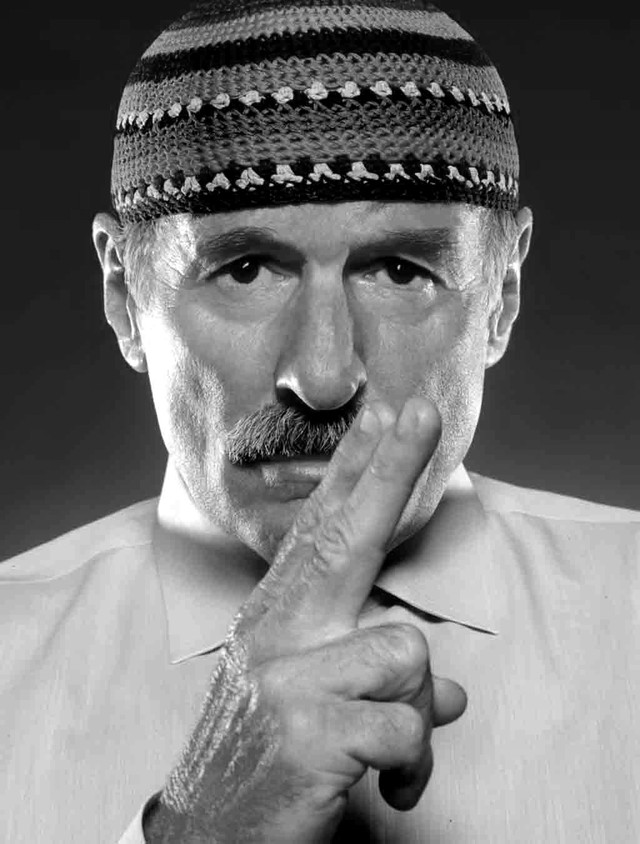
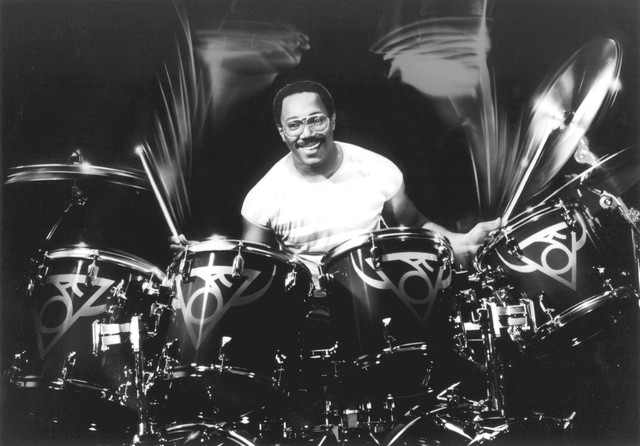
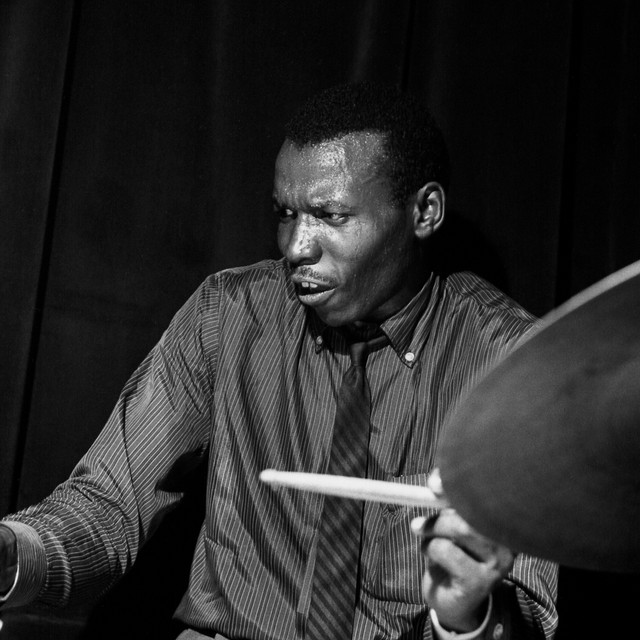
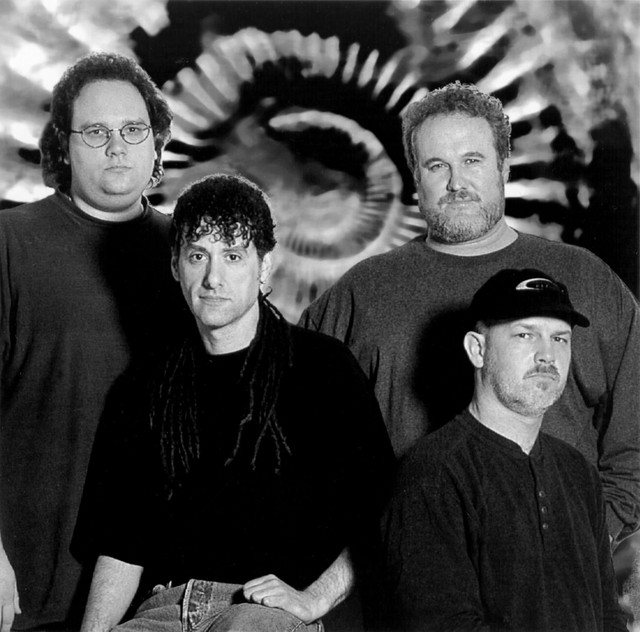
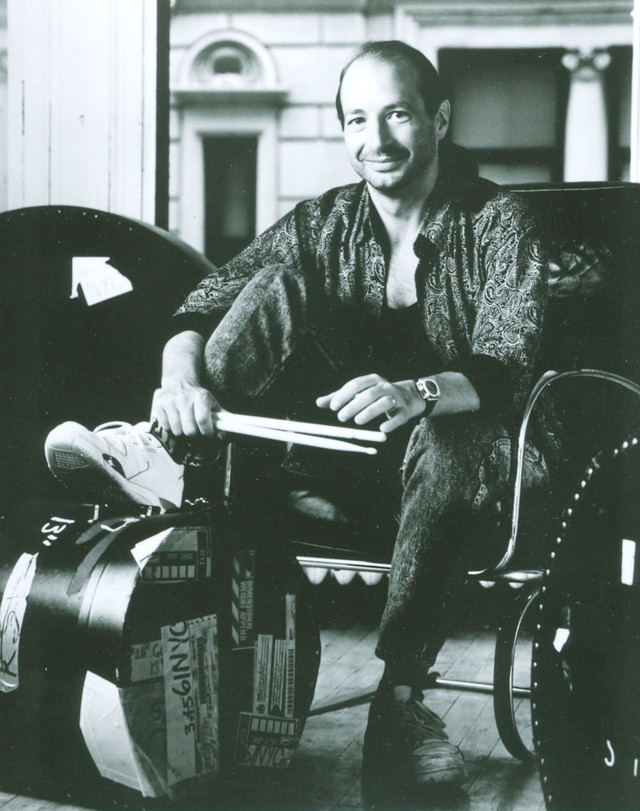
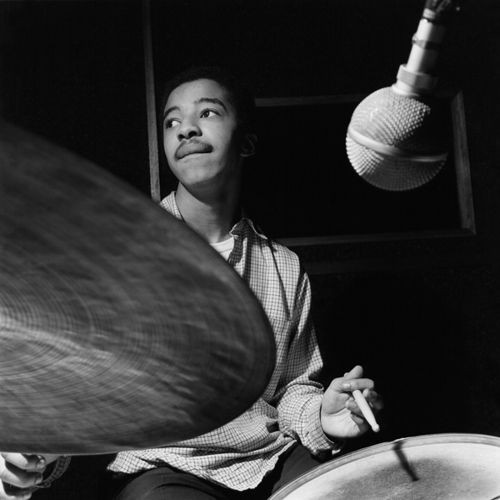
Tony Williams is one of the most influential drummers in jazz history. His open style implied the beat rather than rode it via the use of metric modulation and polyrhythms. Williams' playing was articulated by his wide-ranging interests in jazz, rock, funk, and blues. Before he was 18 he'd played dates by <a href="spotify:artist:1lB7KbOr9xdPK1CuasxmeA">Jackie McLean</a> and <a href="spotify:artist:2fMvylhnE23sAlyePKK8er">Kenny Dorham</a>, and he joined <a href="spotify:artist:0kbYTNQb4Pb1rPbbaF0pT4">Miles Davis</a>' second great quintet at age 17 in 1963. During his tenure with <a href="spotify:artist:0kbYTNQb4Pb1rPbbaF0pT4">Davis</a>, he issued two leader dates, Life Time (1964) and Spring (1965). In 1968 he founded the <a href="spotify:artist:056ewKKC7ayMJeL7y5h2cb">Tony Williams Lifetime</a> with organist <a href="spotify:artist:6Y6kAZs0W9NNsxNbpImPvq">Larry Young</a> and guitarist <a href="spotify:artist:4v0R1feRiuCDch7aAheVhY">John McLaughlin</a>. Emergency!, their 1969 debut, is arguably the first fusion album. <a href="spotify:artist:056ewKKC7ayMJeL7y5h2cb">Lifetime</a>'s personnel evolved to feature an abundance of top-tier players including <a href="spotify:artist:73ndLgs6jSrpZzjyzU9TJV">Jack Bruce</a> and <a href="spotify:artist:5CK3a77IzCSHjNqzRcbhuG">Allan Holdsworth</a>. In the '70s, Williams co-founded the <a href="spotify:artist:00yyXhoWpsxPqwxnRuIIbg">Great Jazz Trio</a> and worked extensively with <a href="spotify:artist:2ZvrvbQNrHKwjT7qfGFFUW">Herbie Hancock</a> and dozens more. Between 1985 and 1993, he returned to <a href="spotify:search:label%3A%22Blue+Note%22">Blue Note</a>, leading influential dates including Foreign Intrigue and Native Heart, and he co-founded vanguard jazz-rockers <a href="spotify:artist:2c7v3bgcwzOnQdNw0vBeaD">Arcana</a>, who issued The Last Wave in 1995. A second offering, Arc of the Testimony, appeared in 1997.
Williams was born in Chicago in 1945 but was raised in Boston. His father, Tillman Williams, was an amateur saxophonist who played in jazz clubs on weekends. He introduced his son to music at various clubs and, encouraged by his father, Williams began playing drums at eight. He studied formally with Berklee College of Music professor <a href="spotify:artist:023XpyUykQOrpzb9D5uoJQ">Alan Dawson</a> at 11. By the time he was 12 he was sitting in with <a href="spotify:artist:6QQuESLtKhAOcLW2TeWC2t">Art Blakey</a> and at 13 with <a href="spotify:artist:6jrlNnS5B830kpi40j3S6g">Max Roach</a>; by 15 he'd earned a reputation as one of the finest drummers in the city and had already played gigs with <a href="spotify:artist:0DNuWm5ZBKuCIXLNmrzuk5">Sam Rivers</a>, <a href="spotify:artist:7g9DeYASD3RzlT4kDchsQZ">Gil Evans</a>, <a href="spotify:artist:6rxxu32JCGDpKKMPHxnSJp">Eric Dolphy</a>, <a href="spotify:artist:5jtGuhEEDh07yaFfm8qHg7">Cecil Taylor</a>, and <a href="spotify:artist:1lB7KbOr9xdPK1CuasxmeA">Jackie McLean</a>. After saxophonist <a href="spotify:artist:1lB7KbOr9xdPK1CuasxmeA">McLean</a> played with Williams in Boston, he took the 16-year-old to New York.
There he became an integral participant in the early avant-garde movement, playing on such <a href="spotify:search:label%3A%22Blue+Note%22">Blue Note</a> classics as the saxophonist's One Step Beyond. In January 1963, <a href="spotify:artist:1lB7KbOr9xdPK1CuasxmeA">McLean</a> invited <a href="spotify:artist:0kbYTNQb4Pb1rPbbaF0pT4">Miles Davis</a> to his sessions with the young drummer, and in February 1963, <a href="spotify:artist:1lB7KbOr9xdPK1CuasxmeA">McLean</a> introduced him to <a href="spotify:artist:2ZvrvbQNrHKwjT7qfGFFUW">Herbie Hancock</a>, who hired Williams to play on My Point of View that March. <a href="spotify:artist:2ZvrvbQNrHKwjT7qfGFFUW">Hancock</a> and Williams joined <a href="spotify:artist:0kbYTNQb4Pb1rPbbaF0pT4">Davis</a> in April along with bassist <a href="spotify:artist:4wnzivx3OQ3vjrySAdTdJP">Ron Carter</a> and saxophonist <a href="spotify:artist:2bznm4QNyfgutcxCbRAfwH">George Coleman</a>.
1964 was one of the most important years in the drummer's career. In addition to working with <a href="spotify:artist:0kbYTNQb4Pb1rPbbaF0pT4">Davis</a>, he issued Life Time, his first leader date for <a href="spotify:search:label%3A%22Blue+Note%22">Blue Note</a>. He played drums on <a href="spotify:artist:2ZvrvbQNrHKwjT7qfGFFUW">Hancock</a>'s Empyrean Isles, <a href="spotify:artist:6rxxu32JCGDpKKMPHxnSJp">Eric Dolphy</a>'s Out to Lunch, and <a href="spotify:artist:4ORSNkNYSzva169PBZCzvy">Andrew Hill</a>'s classic Point of Departure. In December, he worked with <a href="spotify:artist:0DNuWm5ZBKuCIXLNmrzuk5">Sam Rivers</a> on Fuchsia Swing Song, and on <a href="spotify:artist:5NrnFpBCv4Z43MgMVXfrrY">Grachan Moncur III</a>'s Evolution. Before he was 20 years old, Williams had been employed by the world's best-known trumpeter and played on some of the most important vanguard jazz sessions.
Between 1963 and 1969, Williams played with <a href="spotify:artist:0kbYTNQb4Pb1rPbbaF0pT4">Davis</a>' legendary second quintet -- saxophonist/composer <a href="spotify:artist:0ZqhrTXYPA9DZR527ZnFdO">Wayne Shorter</a> joined in the middle of 1964. In January 1965, the <a href="spotify:artist:0kbYTNQb4Pb1rPbbaF0pT4">Davis</a> quintet cut E.S.P. Williams recorded Spring, his second <a href="spotify:search:label%3A%22Blue+Note%22">Blue Note</a> album, and played on sessions for <a href="spotify:artist:0GC1oqEWpiAjfE7jm5LQO5">Charles Lloyd</a>'s Of Course, Of Course and <a href="spotify:artist:2ZvrvbQNrHKwjT7qfGFFUW">Hancock</a>'s Maiden Voyage. In January 1966, the quintet recorded the sessions that would be released as Miles Smiles in 1967 and toured the world. The quintet's second studio offering that year was Sorcerer; it had been recorded the previous May and was released in November. In June and July, the quintet cut the sessions that would become 1968's Nefertiti, <a href="spotify:artist:0kbYTNQb4Pb1rPbbaF0pT4">Davis</a>' last fully acoustic record.
The group was on fire that year. In January they recorded Miles in the Sky, the trumpeter's first foray into the use of electric instruments, with <a href="spotify:artist:2ZvrvbQNrHKwjT7qfGFFUW">Hancock</a> doubling on electric piano and <a href="spotify:artist:4wnzivx3OQ3vjrySAdTdJP">Carter</a> alternating his double bass with a Fender electric. <a href="spotify:artist:4N8BwYTEC6XqykGvXXlmfv">George Benson</a> added electric guitar to the tune "Paraphernalia." This marked the last full studio album to feature the quintet playing together. In June they returned to the studio and cut the first sessions for Filles de Kilimanjaro, with <a href="spotify:artist:2ZvrvbQNrHKwjT7qfGFFUW">Hancock</a> exclusively playing Rhodes piano and <a href="spotify:artist:4wnzivx3OQ3vjrySAdTdJP">Carter</a> a Fender bass. The concluding September sessions subbed <a href="spotify:artist:5olDKSsFhhmwh8UCWwKtpq">Chick Corea</a> on electric piano and <a href="spotify:artist:1bqaQBqbqbEXPxLF0v6AAH">Dave Holland</a> on upright bass. In November, that band, with <a href="spotify:artist:2ZvrvbQNrHKwjT7qfGFFUW">Hancock</a> and <a href="spotify:artist:5olDKSsFhhmwh8UCWwKtpq">Corea</a>, completed the sessions later released as Water Babies.
By January 1969, <a href="spotify:artist:0kbYTNQb4Pb1rPbbaF0pT4">Davis</a>' group had evolved. It now included <a href="spotify:artist:0ZqhrTXYPA9DZR527ZnFdO">Shorter</a> on soprano saxophone, <a href="spotify:artist:1bqaQBqbqbEXPxLF0v6AAH">Dave Holland</a> on bass, and <a href="spotify:artist:7rDjbKTLlpNYJRWMm7QVxU">Jack DeJohnette</a> on drums. In early February, <a href="spotify:artist:0kbYTNQb4Pb1rPbbaF0pT4">Davis</a> called Williams, asking him back for a specific recording session. Williams joined the trumpeter, former bandmates <a href="spotify:artist:2ZvrvbQNrHKwjT7qfGFFUW">Hancock</a> and <a href="spotify:artist:0ZqhrTXYPA9DZR527ZnFdO">Shorter</a>, guitarist <a href="spotify:artist:4v0R1feRiuCDch7aAheVhY">John McLaughlin</a>, electric pianists <a href="spotify:artist:5olDKSsFhhmwh8UCWwKtpq">Corea</a> and <a href="spotify:artist:3DkK9XA1CI1i7U7ovpAo1G">Joe Zawinul</a>, bassist <a href="spotify:artist:1bqaQBqbqbEXPxLF0v6AAH">Holland</a>, and producer <a href="spotify:artist:59fCPbw9bxL29Kl0sFuDSt">Teo Macero</a>. On February 18, 1969, a marathon recording session produced what would become In a Silent Way. By all accounts, it is the trumpeter's first jazz fusion date, though its initial release was met with considerable hostility from jazz and rock fans who thought it was too experimental.
Williams had formed his own band by then with <a href="spotify:artist:4v0R1feRiuCDch7aAheVhY">McLaughlin</a> and organist <a href="spotify:artist:6Y6kAZs0W9NNsxNbpImPvq">Larry Young</a>. As <a href="spotify:artist:056ewKKC7ayMJeL7y5h2cb">the Tony Williams Lifetime</a>, they cut the double album Emergency! in May; it was released in November by <a href="spotify:search:label%3A%22Polydor%22">Polydor</a>. Far louder, more abstract, and less groove-oriented than In a Silent Way, it is arguably considered the first proper jazz-rock fusion album. Uncharacteristically, it melded the airy light swing the drummer had displayed since the early '60s with loud, hard, heavy rock drumming. Following a tour that took them to London, bassist <a href="spotify:artist:73ndLgs6jSrpZzjyzU9TJV">Jack Bruce</a>, an old friend of <a href="spotify:artist:4v0R1feRiuCDch7aAheVhY">McLaughlin</a>'s who was recently unattached after <a href="spotify:artist:74oJ4qxwOZvX6oSsu1DGnw">Cream</a> split, was asked to join the band. After rehearsals and live dates, <a href="spotify:artist:056ewKKC7ayMJeL7y5h2cb">TWL</a> cut Turn It Over in July 1970; it was released in December after <a href="spotify:artist:4v0R1feRiuCDch7aAheVhY">McLaughlin</a> had left the band -- <a href="spotify:artist:73ndLgs6jSrpZzjyzU9TJV">Bruce</a> followed him soon after. Guitarist <a href="spotify:artist:5UjEzMlPNdJv2UthkvGKBe">Ted Dunbar</a> was hired along with former bandmate <a href="spotify:artist:4wnzivx3OQ3vjrySAdTdJP">Carter</a> and percussionists <a href="spotify:artist:7C7gHDXEwGrihpfXqOfV3e">Don Alias</a> and <a href="spotify:artist:0PqVeApk5KprkwsEXTETNq">Warren Smith</a> to record 1971's underrated, obscure Ego.
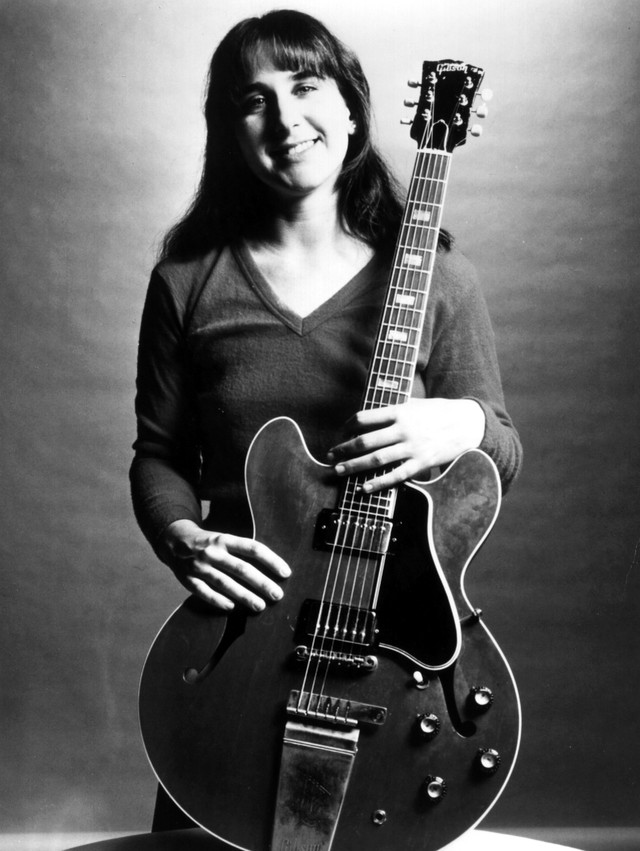
Following a short tour, Williams was recruited to play on the recording sessions for <a href="spotify:artist:0FMucZsEnCxs5pqBjHjIc8">Stan Getz</a>'s seminal Captain Marvel. He also began changing the direction of <a href="spotify:artist:056ewKKC7ayMJeL7y5h2cb">TWL</a>. With an almost wholesale shift in personnel, Williams' music replaced the anarchic urgency of the band's first three albums with a looser feel that crossed into folk, rock, and spiritual soul. With guitarist/vocalist Laura Logan, future disco star <a href="spotify:artist:2ye3IGvPbagPIPsto6LYlO">Webster Lewis</a> on organ and clavinet, David Horowitz on synth, vibes, and piano, and Herb Bushler on bass, Williams teamed with producer <a href="spotify:artist:4FVlx0LkBCw52txBL8QVDl">Ben Sidran</a> to record the woefully misunderstood The Old Bum's Rush. Released in 1973, the set was savaged by critics and deleted almost immediately; it has since been re-evaluated and become one of the more sought-after records in his catalog. Another session titled Wildlife (aka The Stockholm Sessions) went unreleased.
In 1974 Williams signed to <a href="spotify:search:label%3A%22Columbia%22">Columbia</a> and formed the New Tony Williams Lifetime with guitarist <a href="spotify:artist:5CK3a77IzCSHjNqzRcbhuG">Allan Holdsworth</a>, keyboardist <a href="spotify:artist:1QDou4hCker2eGblLzIq80">Alan Pasqua</a>, and bassist Tony Newton. They issued Believe It in 1975. The set marked a return to instrumental jazz fusion with a funky M.O. While it didn't set sales records, it was received warmly by critics and fans. <a href="spotify:artist:5CK3a77IzCSHjNqzRcbhuG">Holdsworth</a> later claimed that his time with Williams was the most influential period in his career. That quartet did some touring and returned with the much funkier Million Dollar Legs in 1976. Produced by <a href="spotify:artist:0hxLkVoI67kCkiQQYvXK11">Bruce Botnick</a>, it included string and horn charts by <a href="spotify:artist:2GVyv9OLNp6cmxfUDbGrXM">Jack Nitszche</a>. <a href="spotify:artist:5CK3a77IzCSHjNqzRcbhuG">Holdsworth</a> departed shortly thereafter and was replaced on tour by Marlon Graves.
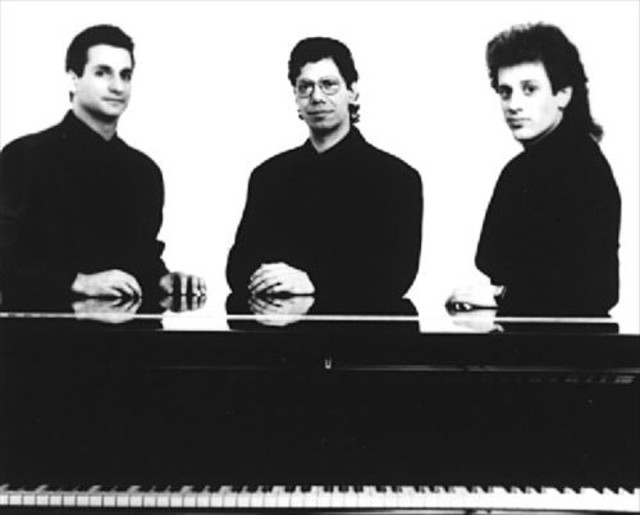
In 1976, Williams co-founded the <a href="spotify:artist:00yyXhoWpsxPqwxnRuIIbg">Great Jazz Trio</a> with pianist <a href="spotify:artist:0BhFfJmScFj7OzqVaDqnSv">Hank Jones</a> and bassist <a href="spotify:artist:4wnzivx3OQ3vjrySAdTdJP">Ron Carter</a>. They backed Japanese saxophonist <a href="spotify:artist:2hGDAhezELu9olOncSWZYI">Sadao Watanabe</a> on his <a href="spotify:search:label%3A%22EastWest%22">EastWest</a> date I'm Old Fashioned in 1977, and issued their own Love for Sale the same year. Between 1977 and 1979 they released three live outings, five studio outings (including New Wine in Old Bottles with <a href="spotify:artist:1lB7KbOr9xdPK1CuasxmeA">McLean</a>), and three with <a href="spotify:artist:2hGDAhezELu9olOncSWZYI">Watanabe</a>. The drummer rejoined <a href="spotify:artist:2ZvrvbQNrHKwjT7qfGFFUW">Hancock</a>'s touring <a href="spotify:artist:6IBKvZuNRQhfrZUNSrgcgx">V.S.O.P.</a> quintet and played on the fusion studio outings Sunlight and Mr. Hands.
In July 1978, Williams toured Japan with guitarist <a href="spotify:artist:7vhcXfb0WFF4k1Ek75jFFJ">Ronnie Montrose</a>, keyboardist <a href="spotify:artist:304senzcXGpWqcpssNpmXJ">Brian Auger</a>, and bassist Mario Cipollina as the Tony Williams All Stars. Later that year he recorded and released The Joy of Flying, an eclectic solo album -- his first since 1965 -- that included a wide range of top-shelf guests including <a href="spotify:artist:2ZvrvbQNrHKwjT7qfGFFUW">Hancock</a>, <a href="spotify:artist:5jtGuhEEDh07yaFfm8qHg7">Cecil Taylor</a>, <a href="spotify:artist:72ktMty33X1LsIzHdRr0U5">Tom Scott</a>, <a href="spotify:artist:5IkynsVZoak9UR2Xt8qsMj">Michael Brecker</a>, <a href="spotify:artist:50zRydJXfkLzGIOj9mITfy">Jan Hammer</a>, <a href="spotify:artist:1lGt9WgdYGpMnmwGkcCm05">Stanley Clarke</a>, and <a href="spotify:artist:4N8BwYTEC6XqykGvXXlmfv">George Benson</a>.
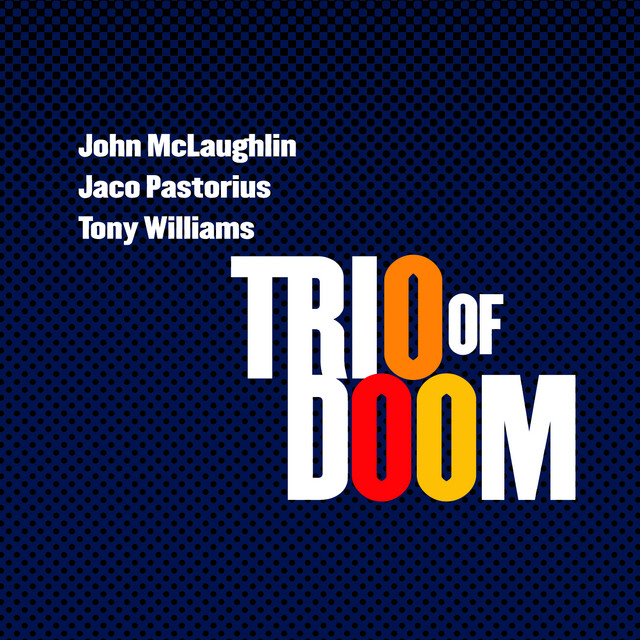
In 1979, Williams played the Havana Jazz Festival with <a href="spotify:artist:4v0R1feRiuCDch7aAheVhY">McLaughlin</a> and <a href="spotify:artist:162DCkd8aDKwvjBb74Gu8b">Weather Report</a> bassist <a href="spotify:artist:3U3C9o6UTYNdEsDckpRyvX">Jaco Pastorius</a>. Known as the Trio of Doom, their set was written about by critics around the world. Few knew it had been expertly recorded -- it remained unreleased until the 21st century. During this period, the drummer played an abundance of session work, appearing on albums by <a href="spotify:artist:3rxeQlsv0Sc2nyYaZ5W71T">Chet Baker</a>, <a href="spotify:artist:217b0uqAzsOOhGcnoANZqj">Sonny Stitt</a>, <a href="spotify:artist:4wnzivx3OQ3vjrySAdTdJP">Carter</a>, <a href="spotify:artist:0ZqhrTXYPA9DZR527ZnFdO">Shorter</a>, <a href="spotify:artist:1VEzN9lxvG6KPR3QQGsebR">Sonny Rollins</a>, <a href="spotify:artist:4W2yUivVD5l4ouVwutmD8B">Michael Mantler</a>, and <a href="spotify:artist:2EsmKkHsXK0WMNGOtIhbxr">McCoy Tyner</a>, among others.
Williams kicked off the '80s by appearing on <a href="spotify:artist:7yGQgQiiKpg2k00JXf8hJk">Carlos Santana</a>'s second solo album The Swing of Delight. That May, he cut the little known Play or Die in Stuttgart, Germany with bassist <a href="spotify:artist:6T7JFvP8qvpOia4q43OmbJ">Patrick O'Hearn</a> and keyboardist <a href="spotify:artist:01TbmnDD4d5XDUl5Kr3iQB">Tom Grant</a>. Released in an edition of only 500 copies, it basically vanished from view until the 21st century. In 1981, he played the lion's share of drums on <a href="spotify:artist:375zxMmh2cSgUzFFnva0O7">Wynton Marsalis</a>' self-titled debut album, on <a href="spotify:artist:3BG0nwVh3Gc7cuT4XdsLtt">Joe Henderson</a>'s Relaxin' at Camarillo, with the Herbie Hancock Quartet, and on <a href="spotify:artist:1VEzN9lxvG6KPR3QQGsebR">Sonny Rollins</a>' No Problem. In 1983, he and <a href="spotify:artist:4wnzivx3OQ3vjrySAdTdJP">Carter</a> joined pianist <a href="spotify:artist:6dUZplQfg5blo0h9HiJ94d">Tommy Flanagan</a> for two albums on the Japanese <a href="spotify:search:label%3A%22Baystate%22">Baystate</a> label: The Master Trio and Blues in the Closet.
Williams returned to <a href="spotify:search:label%3A%22Blue+Note%22">Blue Note</a> as a bandleader in 1985. He cut Foreign Intrigue leading a sextet that included saxophonist <a href="spotify:artist:53pHwg1sjhqGk726JnJHYb">Donald Harrison</a>, trumpeter <a href="spotify:artist:2SfO2W7dVwEov6TpQW2uOg">Wallace Roney</a>, pianist <a href="spotify:artist:6Zq5ky484xYTgxE6dQ8yHh">Mulgrew Miller</a>, vibraphonist <a href="spotify:artist:3uO6HG2JwyP744sg4PMmg5">Bobby Hutcherson</a>, and <a href="spotify:artist:4wnzivx3OQ3vjrySAdTdJP">Carter</a> on bass. Williams composed and arranged all of the material, and it was greeted with celebratory reviews. That year he also played on <a href="spotify:artist:2s4tjL6W3qrblOe0raIzwJ">Yoko Ono</a>'s Starpeace and, alongside <a href="spotify:artist:5xTbqEbkihxdjj2jyYSthw">Ginger Baker</a>, he played on <a href="spotify:artist:70MMkLXtue3Edj3RJhJkYp">Public Image Limited</a>'s Album. In 1986, the drummer worked with <a href="spotify:artist:5CK3a77IzCSHjNqzRcbhuG">Holdsworth</a> on the guitarist's Atavachron and appeared on <a href="spotify:artist:3NUsiT2JSyaWAnWaXxDzhQ">Dexter Gordon</a>'s The Other Side of Round Midnight. The drummer's quintet recorded Civilization, featuring new members Billy Pierce on saxophones and <a href="spotify:artist:57CUkoMQiO1joq1JTWeDoI">Charnett Moffett</a> on bass. It was released the following year.
In 1987, Williams appeared on <a href="spotify:artist:7yGQgQiiKpg2k00JXf8hJk">Santana</a>'s Blues for Salvador and <a href="spotify:artist:1gPY6jETlC02stpXOUmSBH">Branford Marsalis</a>' Renaissance. He also played on <a href="spotify:artist:7nwrblOf59ulOiB6djwPVh">Dianne Reeves</a>' self-titled offering, <a href="spotify:artist:2SfO2W7dVwEov6TpQW2uOg">Roney</a>'s Verses, and <a href="spotify:artist:1tcgfoMTT1szjUeaikxRjA">Ryuichi Sakamoto</a>'s Neo Geo. In April 1988, the Williams quintet recorded the seminal Angel Street. Released before year's end, it made the jazz album Top Ten during its first week of release as the band hit the road playing sold-out shows and festivals. In 1989 he appeared on high-profile dates by <a href="spotify:artist:0zdSGWAAxDPCaU0Xa3FTQP">Don Pullen</a> (New Beginnings), the <a href="spotify:artist:5sNzAa1XHGd203KWYu2ihE">Walter Davis Trio</a> (Illumination), and <a href="spotify:artist:73ndLgs6jSrpZzjyzU9TJV">Jack Bruce</a> (A Question of Time).
In 1990, Williams' released Native Heart. The only shift in personnel was the inclusion of alternating bassists Bob Hurst and Ira Coleman in place of <a href="spotify:artist:57CUkoMQiO1joq1JTWeDoI">Moffett</a>. The set charted out of the box and joined Angel Street with its universal critical acclaim. The band toured and released New York Live later that year. In 1991, Williams joined bassist <a href="spotify:artist:3RYBGGdroeHaw3D4HXnD4X">Jonas Hellborg</a> and the vanguard <a href="spotify:artist:5SegatwmE294lvkgo4xpSq">Soldier String Quartet</a> to record The Word for <a href="spotify:artist:5RISqKCcrhGITX2TQAPGPL">Laswell</a>'s <a href="spotify:search:label%3A%22Axiom%22">Axiom</a> imprint. In 1992, the Williams quintet released their final studio set for <a href="spotify:search:label%3A%22Blue+Note%22">Blue Note</a>. Titled The Story of Neptune, it offered the drummer's three-part title suite and his composition "Crime Scene," alongside his arrangements of <a href="spotify:artist:4x1nvY2FN8jxqAFA0DA02H">Lennon</a> and <a href="spotify:artist:4STHEaNw4mPZ2tzheohgXB">McCartney</a>'s "Blackbird," the standard "Poinciana," and <a href="spotify:artist:0fTHKjepK5HWOrb2rkS5Em">Freddie Hubbard</a>'s "Birdlike." That same year, the quintet toured Europe and Japan and cut the double-live set Tokyo Live, issued by <a href="spotify:search:label%3A%22Blue+Note%22">Blue Note</a> in 1993; the drummer also played on a wide range of albums, from <a href="spotify:artist:6fmq5mv6HnduZdlTOEYBC9">Marcus Miller</a>'s The Sun Don't Lie and <a href="spotify:artist:3vB7T6czx1Jh89YEnzM0UF">Bernie Worrell</a>'s Blacktronic Science to the <a href="spotify:artist:47VthBBSUE4pkdB9OhlQEU">Bob Belden Ensemble</a>'s Puccini's Turandot and <a href="spotify:artist:1Hesm3aCncfMEIaq2Bnm1r">Travis Shook</a>'s self-titled debut. In 1994, Williams appeared on <a href="spotify:artist:0jqAOYfo9ipclW7ATXPhHg">Geri Allen</a>'s acclaimed Twenty One with <a href="spotify:artist:4wnzivx3OQ3vjrySAdTdJP">Carter</a>, <a href="spotify:artist:13kHQ586h4Lm9iwVyS2b3K">Michel Petrucciani</a>'s Marvellous, and vocalist <a href="spotify:artist:0J7qXptVapaZrYWevIlM8h">Madeline Eastman</a>'s Art Attack. The sessions also included pianist <a href="spotify:artist:3LvX4UVIfEjsQVqrbBToQ3">Kenny Barron</a> and the <a href="spotify:artist:5ofemHoNWTjeADvzFTAhy2">Turtle Island String Quartet</a>. In 1995 he joined the Michael Wolf Trio and played on Something Blue and Jumpstart.
In 1995, a restless Williams began several musical experiments. He formed <a href="spotify:artist:2c7v3bgcwzOnQdNw0vBeaD">Arcana</a> with improvising guitarist <a href="spotify:artist:0NiVnzdZVyaHThgTofobW2">Derek Bailey</a> and bassist <a href="spotify:artist:5RISqKCcrhGITX2TQAPGPL">Laswell</a>. They issued the blistering, vanguard The Last Wave in 1996. The Tony Williams Trio (featuring <a href="spotify:artist:6Zq5ky484xYTgxE6dQ8yHh">Mulgrew Miller</a> and Ira Coleman) cut the standards set Young at Heart for <a href="spotify:search:label%3A%22Sony%22">Sony</a> Japan. The icing on the cake, however, was the slipstream jazz featured on Wilderness. Williams led an all-star quintet that included <a href="spotify:artist:2ZvrvbQNrHKwjT7qfGFFUW">Hancock</a>, guitarist <a href="spotify:artist:3t58jfUhoMLYVO14XaUFLA">Pat Metheny</a>, saxophonist <a href="spotify:artist:5IkynsVZoak9UR2Xt8qsMj">Michael Brecker</a>, and bassist <a href="spotify:artist:1lGt9WgdYGpMnmwGkcCm05">Stanley Clarke</a> playing a thematic collection of tone poems backed by a symphony orchestra.
On February 20, 1997, Williams checked himself into a San Francisco hospital complaining of stomach pain. He underwent emergency gallbladder surgery. Three days later, while recuperating, he suffered a fatal coronary. He was 51 years old. Arc of the Testimony, recorded the previous year and credited to <a href="spotify:artist:2c7v3bgcwzOnQdNw0vBeaD">Arcana</a> (featured an expanded lineup that included <a href="spotify:artist:3JLUCojZaHrX2LaUkSj7Ud">Pharoah Sanders</a>, <a href="spotify:artist:4EeqD5ulSmYhfXSXegeRHi">Byard Lancaster</a>, cornetist <a href="spotify:artist:5A68tfcayQUWuchEFFGLg3">Graham Haynes</a>, and guitarists <a href="spotify:artist:0fDF0jjmdouCIeWhNnblwV">Buckethead</a> and <a href="spotify:artist:1s60MqDAKcVrTFxHM3w2Z0">Nicky Skopelitis</a> in place of <a href="spotify:artist:0NiVnzdZVyaHThgTofobW2">Bailey</a>, was released in October.
In the subsequent decades, Williams' influence has grown exponentially. He is namechecked by drummers from many genres. His catalog as a leader and with the various <a href="spotify:artist:056ewKKC7ayMJeL7y5h2cb">Lifetime</a> groups has been compiled, remastered, and reissued several times. In July 2022, 1980's futuristic Play or Die, with bassist <a href="spotify:artist:6T7JFvP8qvpOia4q43OmbJ">Patrick O'Hearn</a> and keyboardist <a href="spotify:artist:01TbmnDD4d5XDUl5Kr3iQB">Tom Grant</a>, saw its first re-release. ~ Thom Jurek, Rovi
Williams was born in Chicago in 1945 but was raised in Boston. His father, Tillman Williams, was an amateur saxophonist who played in jazz clubs on weekends. He introduced his son to music at various clubs and, encouraged by his father, Williams began playing drums at eight. He studied formally with Berklee College of Music professor <a href="spotify:artist:023XpyUykQOrpzb9D5uoJQ">Alan Dawson</a> at 11. By the time he was 12 he was sitting in with <a href="spotify:artist:6QQuESLtKhAOcLW2TeWC2t">Art Blakey</a> and at 13 with <a href="spotify:artist:6jrlNnS5B830kpi40j3S6g">Max Roach</a>; by 15 he'd earned a reputation as one of the finest drummers in the city and had already played gigs with <a href="spotify:artist:0DNuWm5ZBKuCIXLNmrzuk5">Sam Rivers</a>, <a href="spotify:artist:7g9DeYASD3RzlT4kDchsQZ">Gil Evans</a>, <a href="spotify:artist:6rxxu32JCGDpKKMPHxnSJp">Eric Dolphy</a>, <a href="spotify:artist:5jtGuhEEDh07yaFfm8qHg7">Cecil Taylor</a>, and <a href="spotify:artist:1lB7KbOr9xdPK1CuasxmeA">Jackie McLean</a>. After saxophonist <a href="spotify:artist:1lB7KbOr9xdPK1CuasxmeA">McLean</a> played with Williams in Boston, he took the 16-year-old to New York.
There he became an integral participant in the early avant-garde movement, playing on such <a href="spotify:search:label%3A%22Blue+Note%22">Blue Note</a> classics as the saxophonist's One Step Beyond. In January 1963, <a href="spotify:artist:1lB7KbOr9xdPK1CuasxmeA">McLean</a> invited <a href="spotify:artist:0kbYTNQb4Pb1rPbbaF0pT4">Miles Davis</a> to his sessions with the young drummer, and in February 1963, <a href="spotify:artist:1lB7KbOr9xdPK1CuasxmeA">McLean</a> introduced him to <a href="spotify:artist:2ZvrvbQNrHKwjT7qfGFFUW">Herbie Hancock</a>, who hired Williams to play on My Point of View that March. <a href="spotify:artist:2ZvrvbQNrHKwjT7qfGFFUW">Hancock</a> and Williams joined <a href="spotify:artist:0kbYTNQb4Pb1rPbbaF0pT4">Davis</a> in April along with bassist <a href="spotify:artist:4wnzivx3OQ3vjrySAdTdJP">Ron Carter</a> and saxophonist <a href="spotify:artist:2bznm4QNyfgutcxCbRAfwH">George Coleman</a>.
1964 was one of the most important years in the drummer's career. In addition to working with <a href="spotify:artist:0kbYTNQb4Pb1rPbbaF0pT4">Davis</a>, he issued Life Time, his first leader date for <a href="spotify:search:label%3A%22Blue+Note%22">Blue Note</a>. He played drums on <a href="spotify:artist:2ZvrvbQNrHKwjT7qfGFFUW">Hancock</a>'s Empyrean Isles, <a href="spotify:artist:6rxxu32JCGDpKKMPHxnSJp">Eric Dolphy</a>'s Out to Lunch, and <a href="spotify:artist:4ORSNkNYSzva169PBZCzvy">Andrew Hill</a>'s classic Point of Departure. In December, he worked with <a href="spotify:artist:0DNuWm5ZBKuCIXLNmrzuk5">Sam Rivers</a> on Fuchsia Swing Song, and on <a href="spotify:artist:5NrnFpBCv4Z43MgMVXfrrY">Grachan Moncur III</a>'s Evolution. Before he was 20 years old, Williams had been employed by the world's best-known trumpeter and played on some of the most important vanguard jazz sessions.
Between 1963 and 1969, Williams played with <a href="spotify:artist:0kbYTNQb4Pb1rPbbaF0pT4">Davis</a>' legendary second quintet -- saxophonist/composer <a href="spotify:artist:0ZqhrTXYPA9DZR527ZnFdO">Wayne Shorter</a> joined in the middle of 1964. In January 1965, the <a href="spotify:artist:0kbYTNQb4Pb1rPbbaF0pT4">Davis</a> quintet cut E.S.P. Williams recorded Spring, his second <a href="spotify:search:label%3A%22Blue+Note%22">Blue Note</a> album, and played on sessions for <a href="spotify:artist:0GC1oqEWpiAjfE7jm5LQO5">Charles Lloyd</a>'s Of Course, Of Course and <a href="spotify:artist:2ZvrvbQNrHKwjT7qfGFFUW">Hancock</a>'s Maiden Voyage. In January 1966, the quintet recorded the sessions that would be released as Miles Smiles in 1967 and toured the world. The quintet's second studio offering that year was Sorcerer; it had been recorded the previous May and was released in November. In June and July, the quintet cut the sessions that would become 1968's Nefertiti, <a href="spotify:artist:0kbYTNQb4Pb1rPbbaF0pT4">Davis</a>' last fully acoustic record.
The group was on fire that year. In January they recorded Miles in the Sky, the trumpeter's first foray into the use of electric instruments, with <a href="spotify:artist:2ZvrvbQNrHKwjT7qfGFFUW">Hancock</a> doubling on electric piano and <a href="spotify:artist:4wnzivx3OQ3vjrySAdTdJP">Carter</a> alternating his double bass with a Fender electric. <a href="spotify:artist:4N8BwYTEC6XqykGvXXlmfv">George Benson</a> added electric guitar to the tune "Paraphernalia." This marked the last full studio album to feature the quintet playing together. In June they returned to the studio and cut the first sessions for Filles de Kilimanjaro, with <a href="spotify:artist:2ZvrvbQNrHKwjT7qfGFFUW">Hancock</a> exclusively playing Rhodes piano and <a href="spotify:artist:4wnzivx3OQ3vjrySAdTdJP">Carter</a> a Fender bass. The concluding September sessions subbed <a href="spotify:artist:5olDKSsFhhmwh8UCWwKtpq">Chick Corea</a> on electric piano and <a href="spotify:artist:1bqaQBqbqbEXPxLF0v6AAH">Dave Holland</a> on upright bass. In November, that band, with <a href="spotify:artist:2ZvrvbQNrHKwjT7qfGFFUW">Hancock</a> and <a href="spotify:artist:5olDKSsFhhmwh8UCWwKtpq">Corea</a>, completed the sessions later released as Water Babies.
By January 1969, <a href="spotify:artist:0kbYTNQb4Pb1rPbbaF0pT4">Davis</a>' group had evolved. It now included <a href="spotify:artist:0ZqhrTXYPA9DZR527ZnFdO">Shorter</a> on soprano saxophone, <a href="spotify:artist:1bqaQBqbqbEXPxLF0v6AAH">Dave Holland</a> on bass, and <a href="spotify:artist:7rDjbKTLlpNYJRWMm7QVxU">Jack DeJohnette</a> on drums. In early February, <a href="spotify:artist:0kbYTNQb4Pb1rPbbaF0pT4">Davis</a> called Williams, asking him back for a specific recording session. Williams joined the trumpeter, former bandmates <a href="spotify:artist:2ZvrvbQNrHKwjT7qfGFFUW">Hancock</a> and <a href="spotify:artist:0ZqhrTXYPA9DZR527ZnFdO">Shorter</a>, guitarist <a href="spotify:artist:4v0R1feRiuCDch7aAheVhY">John McLaughlin</a>, electric pianists <a href="spotify:artist:5olDKSsFhhmwh8UCWwKtpq">Corea</a> and <a href="spotify:artist:3DkK9XA1CI1i7U7ovpAo1G">Joe Zawinul</a>, bassist <a href="spotify:artist:1bqaQBqbqbEXPxLF0v6AAH">Holland</a>, and producer <a href="spotify:artist:59fCPbw9bxL29Kl0sFuDSt">Teo Macero</a>. On February 18, 1969, a marathon recording session produced what would become In a Silent Way. By all accounts, it is the trumpeter's first jazz fusion date, though its initial release was met with considerable hostility from jazz and rock fans who thought it was too experimental.
Williams had formed his own band by then with <a href="spotify:artist:4v0R1feRiuCDch7aAheVhY">McLaughlin</a> and organist <a href="spotify:artist:6Y6kAZs0W9NNsxNbpImPvq">Larry Young</a>. As <a href="spotify:artist:056ewKKC7ayMJeL7y5h2cb">the Tony Williams Lifetime</a>, they cut the double album Emergency! in May; it was released in November by <a href="spotify:search:label%3A%22Polydor%22">Polydor</a>. Far louder, more abstract, and less groove-oriented than In a Silent Way, it is arguably considered the first proper jazz-rock fusion album. Uncharacteristically, it melded the airy light swing the drummer had displayed since the early '60s with loud, hard, heavy rock drumming. Following a tour that took them to London, bassist <a href="spotify:artist:73ndLgs6jSrpZzjyzU9TJV">Jack Bruce</a>, an old friend of <a href="spotify:artist:4v0R1feRiuCDch7aAheVhY">McLaughlin</a>'s who was recently unattached after <a href="spotify:artist:74oJ4qxwOZvX6oSsu1DGnw">Cream</a> split, was asked to join the band. After rehearsals and live dates, <a href="spotify:artist:056ewKKC7ayMJeL7y5h2cb">TWL</a> cut Turn It Over in July 1970; it was released in December after <a href="spotify:artist:4v0R1feRiuCDch7aAheVhY">McLaughlin</a> had left the band -- <a href="spotify:artist:73ndLgs6jSrpZzjyzU9TJV">Bruce</a> followed him soon after. Guitarist <a href="spotify:artist:5UjEzMlPNdJv2UthkvGKBe">Ted Dunbar</a> was hired along with former bandmate <a href="spotify:artist:4wnzivx3OQ3vjrySAdTdJP">Carter</a> and percussionists <a href="spotify:artist:7C7gHDXEwGrihpfXqOfV3e">Don Alias</a> and <a href="spotify:artist:0PqVeApk5KprkwsEXTETNq">Warren Smith</a> to record 1971's underrated, obscure Ego.
Following a short tour, Williams was recruited to play on the recording sessions for <a href="spotify:artist:0FMucZsEnCxs5pqBjHjIc8">Stan Getz</a>'s seminal Captain Marvel. He also began changing the direction of <a href="spotify:artist:056ewKKC7ayMJeL7y5h2cb">TWL</a>. With an almost wholesale shift in personnel, Williams' music replaced the anarchic urgency of the band's first three albums with a looser feel that crossed into folk, rock, and spiritual soul. With guitarist/vocalist Laura Logan, future disco star <a href="spotify:artist:2ye3IGvPbagPIPsto6LYlO">Webster Lewis</a> on organ and clavinet, David Horowitz on synth, vibes, and piano, and Herb Bushler on bass, Williams teamed with producer <a href="spotify:artist:4FVlx0LkBCw52txBL8QVDl">Ben Sidran</a> to record the woefully misunderstood The Old Bum's Rush. Released in 1973, the set was savaged by critics and deleted almost immediately; it has since been re-evaluated and become one of the more sought-after records in his catalog. Another session titled Wildlife (aka The Stockholm Sessions) went unreleased.
In 1974 Williams signed to <a href="spotify:search:label%3A%22Columbia%22">Columbia</a> and formed the New Tony Williams Lifetime with guitarist <a href="spotify:artist:5CK3a77IzCSHjNqzRcbhuG">Allan Holdsworth</a>, keyboardist <a href="spotify:artist:1QDou4hCker2eGblLzIq80">Alan Pasqua</a>, and bassist Tony Newton. They issued Believe It in 1975. The set marked a return to instrumental jazz fusion with a funky M.O. While it didn't set sales records, it was received warmly by critics and fans. <a href="spotify:artist:5CK3a77IzCSHjNqzRcbhuG">Holdsworth</a> later claimed that his time with Williams was the most influential period in his career. That quartet did some touring and returned with the much funkier Million Dollar Legs in 1976. Produced by <a href="spotify:artist:0hxLkVoI67kCkiQQYvXK11">Bruce Botnick</a>, it included string and horn charts by <a href="spotify:artist:2GVyv9OLNp6cmxfUDbGrXM">Jack Nitszche</a>. <a href="spotify:artist:5CK3a77IzCSHjNqzRcbhuG">Holdsworth</a> departed shortly thereafter and was replaced on tour by Marlon Graves.
In 1976, Williams co-founded the <a href="spotify:artist:00yyXhoWpsxPqwxnRuIIbg">Great Jazz Trio</a> with pianist <a href="spotify:artist:0BhFfJmScFj7OzqVaDqnSv">Hank Jones</a> and bassist <a href="spotify:artist:4wnzivx3OQ3vjrySAdTdJP">Ron Carter</a>. They backed Japanese saxophonist <a href="spotify:artist:2hGDAhezELu9olOncSWZYI">Sadao Watanabe</a> on his <a href="spotify:search:label%3A%22EastWest%22">EastWest</a> date I'm Old Fashioned in 1977, and issued their own Love for Sale the same year. Between 1977 and 1979 they released three live outings, five studio outings (including New Wine in Old Bottles with <a href="spotify:artist:1lB7KbOr9xdPK1CuasxmeA">McLean</a>), and three with <a href="spotify:artist:2hGDAhezELu9olOncSWZYI">Watanabe</a>. The drummer rejoined <a href="spotify:artist:2ZvrvbQNrHKwjT7qfGFFUW">Hancock</a>'s touring <a href="spotify:artist:6IBKvZuNRQhfrZUNSrgcgx">V.S.O.P.</a> quintet and played on the fusion studio outings Sunlight and Mr. Hands.
In July 1978, Williams toured Japan with guitarist <a href="spotify:artist:7vhcXfb0WFF4k1Ek75jFFJ">Ronnie Montrose</a>, keyboardist <a href="spotify:artist:304senzcXGpWqcpssNpmXJ">Brian Auger</a>, and bassist Mario Cipollina as the Tony Williams All Stars. Later that year he recorded and released The Joy of Flying, an eclectic solo album -- his first since 1965 -- that included a wide range of top-shelf guests including <a href="spotify:artist:2ZvrvbQNrHKwjT7qfGFFUW">Hancock</a>, <a href="spotify:artist:5jtGuhEEDh07yaFfm8qHg7">Cecil Taylor</a>, <a href="spotify:artist:72ktMty33X1LsIzHdRr0U5">Tom Scott</a>, <a href="spotify:artist:5IkynsVZoak9UR2Xt8qsMj">Michael Brecker</a>, <a href="spotify:artist:50zRydJXfkLzGIOj9mITfy">Jan Hammer</a>, <a href="spotify:artist:1lGt9WgdYGpMnmwGkcCm05">Stanley Clarke</a>, and <a href="spotify:artist:4N8BwYTEC6XqykGvXXlmfv">George Benson</a>.
In 1979, Williams played the Havana Jazz Festival with <a href="spotify:artist:4v0R1feRiuCDch7aAheVhY">McLaughlin</a> and <a href="spotify:artist:162DCkd8aDKwvjBb74Gu8b">Weather Report</a> bassist <a href="spotify:artist:3U3C9o6UTYNdEsDckpRyvX">Jaco Pastorius</a>. Known as the Trio of Doom, their set was written about by critics around the world. Few knew it had been expertly recorded -- it remained unreleased until the 21st century. During this period, the drummer played an abundance of session work, appearing on albums by <a href="spotify:artist:3rxeQlsv0Sc2nyYaZ5W71T">Chet Baker</a>, <a href="spotify:artist:217b0uqAzsOOhGcnoANZqj">Sonny Stitt</a>, <a href="spotify:artist:4wnzivx3OQ3vjrySAdTdJP">Carter</a>, <a href="spotify:artist:0ZqhrTXYPA9DZR527ZnFdO">Shorter</a>, <a href="spotify:artist:1VEzN9lxvG6KPR3QQGsebR">Sonny Rollins</a>, <a href="spotify:artist:4W2yUivVD5l4ouVwutmD8B">Michael Mantler</a>, and <a href="spotify:artist:2EsmKkHsXK0WMNGOtIhbxr">McCoy Tyner</a>, among others.
Williams kicked off the '80s by appearing on <a href="spotify:artist:7yGQgQiiKpg2k00JXf8hJk">Carlos Santana</a>'s second solo album The Swing of Delight. That May, he cut the little known Play or Die in Stuttgart, Germany with bassist <a href="spotify:artist:6T7JFvP8qvpOia4q43OmbJ">Patrick O'Hearn</a> and keyboardist <a href="spotify:artist:01TbmnDD4d5XDUl5Kr3iQB">Tom Grant</a>. Released in an edition of only 500 copies, it basically vanished from view until the 21st century. In 1981, he played the lion's share of drums on <a href="spotify:artist:375zxMmh2cSgUzFFnva0O7">Wynton Marsalis</a>' self-titled debut album, on <a href="spotify:artist:3BG0nwVh3Gc7cuT4XdsLtt">Joe Henderson</a>'s Relaxin' at Camarillo, with the Herbie Hancock Quartet, and on <a href="spotify:artist:1VEzN9lxvG6KPR3QQGsebR">Sonny Rollins</a>' No Problem. In 1983, he and <a href="spotify:artist:4wnzivx3OQ3vjrySAdTdJP">Carter</a> joined pianist <a href="spotify:artist:6dUZplQfg5blo0h9HiJ94d">Tommy Flanagan</a> for two albums on the Japanese <a href="spotify:search:label%3A%22Baystate%22">Baystate</a> label: The Master Trio and Blues in the Closet.
Williams returned to <a href="spotify:search:label%3A%22Blue+Note%22">Blue Note</a> as a bandleader in 1985. He cut Foreign Intrigue leading a sextet that included saxophonist <a href="spotify:artist:53pHwg1sjhqGk726JnJHYb">Donald Harrison</a>, trumpeter <a href="spotify:artist:2SfO2W7dVwEov6TpQW2uOg">Wallace Roney</a>, pianist <a href="spotify:artist:6Zq5ky484xYTgxE6dQ8yHh">Mulgrew Miller</a>, vibraphonist <a href="spotify:artist:3uO6HG2JwyP744sg4PMmg5">Bobby Hutcherson</a>, and <a href="spotify:artist:4wnzivx3OQ3vjrySAdTdJP">Carter</a> on bass. Williams composed and arranged all of the material, and it was greeted with celebratory reviews. That year he also played on <a href="spotify:artist:2s4tjL6W3qrblOe0raIzwJ">Yoko Ono</a>'s Starpeace and, alongside <a href="spotify:artist:5xTbqEbkihxdjj2jyYSthw">Ginger Baker</a>, he played on <a href="spotify:artist:70MMkLXtue3Edj3RJhJkYp">Public Image Limited</a>'s Album. In 1986, the drummer worked with <a href="spotify:artist:5CK3a77IzCSHjNqzRcbhuG">Holdsworth</a> on the guitarist's Atavachron and appeared on <a href="spotify:artist:3NUsiT2JSyaWAnWaXxDzhQ">Dexter Gordon</a>'s The Other Side of Round Midnight. The drummer's quintet recorded Civilization, featuring new members Billy Pierce on saxophones and <a href="spotify:artist:57CUkoMQiO1joq1JTWeDoI">Charnett Moffett</a> on bass. It was released the following year.
In 1987, Williams appeared on <a href="spotify:artist:7yGQgQiiKpg2k00JXf8hJk">Santana</a>'s Blues for Salvador and <a href="spotify:artist:1gPY6jETlC02stpXOUmSBH">Branford Marsalis</a>' Renaissance. He also played on <a href="spotify:artist:7nwrblOf59ulOiB6djwPVh">Dianne Reeves</a>' self-titled offering, <a href="spotify:artist:2SfO2W7dVwEov6TpQW2uOg">Roney</a>'s Verses, and <a href="spotify:artist:1tcgfoMTT1szjUeaikxRjA">Ryuichi Sakamoto</a>'s Neo Geo. In April 1988, the Williams quintet recorded the seminal Angel Street. Released before year's end, it made the jazz album Top Ten during its first week of release as the band hit the road playing sold-out shows and festivals. In 1989 he appeared on high-profile dates by <a href="spotify:artist:0zdSGWAAxDPCaU0Xa3FTQP">Don Pullen</a> (New Beginnings), the <a href="spotify:artist:5sNzAa1XHGd203KWYu2ihE">Walter Davis Trio</a> (Illumination), and <a href="spotify:artist:73ndLgs6jSrpZzjyzU9TJV">Jack Bruce</a> (A Question of Time).
In 1990, Williams' released Native Heart. The only shift in personnel was the inclusion of alternating bassists Bob Hurst and Ira Coleman in place of <a href="spotify:artist:57CUkoMQiO1joq1JTWeDoI">Moffett</a>. The set charted out of the box and joined Angel Street with its universal critical acclaim. The band toured and released New York Live later that year. In 1991, Williams joined bassist <a href="spotify:artist:3RYBGGdroeHaw3D4HXnD4X">Jonas Hellborg</a> and the vanguard <a href="spotify:artist:5SegatwmE294lvkgo4xpSq">Soldier String Quartet</a> to record The Word for <a href="spotify:artist:5RISqKCcrhGITX2TQAPGPL">Laswell</a>'s <a href="spotify:search:label%3A%22Axiom%22">Axiom</a> imprint. In 1992, the Williams quintet released their final studio set for <a href="spotify:search:label%3A%22Blue+Note%22">Blue Note</a>. Titled The Story of Neptune, it offered the drummer's three-part title suite and his composition "Crime Scene," alongside his arrangements of <a href="spotify:artist:4x1nvY2FN8jxqAFA0DA02H">Lennon</a> and <a href="spotify:artist:4STHEaNw4mPZ2tzheohgXB">McCartney</a>'s "Blackbird," the standard "Poinciana," and <a href="spotify:artist:0fTHKjepK5HWOrb2rkS5Em">Freddie Hubbard</a>'s "Birdlike." That same year, the quintet toured Europe and Japan and cut the double-live set Tokyo Live, issued by <a href="spotify:search:label%3A%22Blue+Note%22">Blue Note</a> in 1993; the drummer also played on a wide range of albums, from <a href="spotify:artist:6fmq5mv6HnduZdlTOEYBC9">Marcus Miller</a>'s The Sun Don't Lie and <a href="spotify:artist:3vB7T6czx1Jh89YEnzM0UF">Bernie Worrell</a>'s Blacktronic Science to the <a href="spotify:artist:47VthBBSUE4pkdB9OhlQEU">Bob Belden Ensemble</a>'s Puccini's Turandot and <a href="spotify:artist:1Hesm3aCncfMEIaq2Bnm1r">Travis Shook</a>'s self-titled debut. In 1994, Williams appeared on <a href="spotify:artist:0jqAOYfo9ipclW7ATXPhHg">Geri Allen</a>'s acclaimed Twenty One with <a href="spotify:artist:4wnzivx3OQ3vjrySAdTdJP">Carter</a>, <a href="spotify:artist:13kHQ586h4Lm9iwVyS2b3K">Michel Petrucciani</a>'s Marvellous, and vocalist <a href="spotify:artist:0J7qXptVapaZrYWevIlM8h">Madeline Eastman</a>'s Art Attack. The sessions also included pianist <a href="spotify:artist:3LvX4UVIfEjsQVqrbBToQ3">Kenny Barron</a> and the <a href="spotify:artist:5ofemHoNWTjeADvzFTAhy2">Turtle Island String Quartet</a>. In 1995 he joined the Michael Wolf Trio and played on Something Blue and Jumpstart.
In 1995, a restless Williams began several musical experiments. He formed <a href="spotify:artist:2c7v3bgcwzOnQdNw0vBeaD">Arcana</a> with improvising guitarist <a href="spotify:artist:0NiVnzdZVyaHThgTofobW2">Derek Bailey</a> and bassist <a href="spotify:artist:5RISqKCcrhGITX2TQAPGPL">Laswell</a>. They issued the blistering, vanguard The Last Wave in 1996. The Tony Williams Trio (featuring <a href="spotify:artist:6Zq5ky484xYTgxE6dQ8yHh">Mulgrew Miller</a> and Ira Coleman) cut the standards set Young at Heart for <a href="spotify:search:label%3A%22Sony%22">Sony</a> Japan. The icing on the cake, however, was the slipstream jazz featured on Wilderness. Williams led an all-star quintet that included <a href="spotify:artist:2ZvrvbQNrHKwjT7qfGFFUW">Hancock</a>, guitarist <a href="spotify:artist:3t58jfUhoMLYVO14XaUFLA">Pat Metheny</a>, saxophonist <a href="spotify:artist:5IkynsVZoak9UR2Xt8qsMj">Michael Brecker</a>, and bassist <a href="spotify:artist:1lGt9WgdYGpMnmwGkcCm05">Stanley Clarke</a> playing a thematic collection of tone poems backed by a symphony orchestra.
On February 20, 1997, Williams checked himself into a San Francisco hospital complaining of stomach pain. He underwent emergency gallbladder surgery. Three days later, while recuperating, he suffered a fatal coronary. He was 51 years old. Arc of the Testimony, recorded the previous year and credited to <a href="spotify:artist:2c7v3bgcwzOnQdNw0vBeaD">Arcana</a> (featured an expanded lineup that included <a href="spotify:artist:3JLUCojZaHrX2LaUkSj7Ud">Pharoah Sanders</a>, <a href="spotify:artist:4EeqD5ulSmYhfXSXegeRHi">Byard Lancaster</a>, cornetist <a href="spotify:artist:5A68tfcayQUWuchEFFGLg3">Graham Haynes</a>, and guitarists <a href="spotify:artist:0fDF0jjmdouCIeWhNnblwV">Buckethead</a> and <a href="spotify:artist:1s60MqDAKcVrTFxHM3w2Z0">Nicky Skopelitis</a> in place of <a href="spotify:artist:0NiVnzdZVyaHThgTofobW2">Bailey</a>, was released in October.
In the subsequent decades, Williams' influence has grown exponentially. He is namechecked by drummers from many genres. His catalog as a leader and with the various <a href="spotify:artist:056ewKKC7ayMJeL7y5h2cb">Lifetime</a> groups has been compiled, remastered, and reissued several times. In July 2022, 1980's futuristic Play or Die, with bassist <a href="spotify:artist:6T7JFvP8qvpOia4q43OmbJ">Patrick O'Hearn</a> and keyboardist <a href="spotify:artist:01TbmnDD4d5XDUl5Kr3iQB">Tom Grant</a>, saw its first re-release. ~ Thom Jurek, Rovi
Monthly Listeners
20,668
Monthly Listeners History
Track the evolution of monthly listeners over the last 28 days.
Followers
54,158
Followers History
Track the evolution of followers over the last 28 days.
Top Cities
318 listeners

308 listeners
280 listeners
235 listeners
233 listeners
Related Artists