Data may be outdated
Last updated: 9 months ago — Click refresh to get the latest statistics.
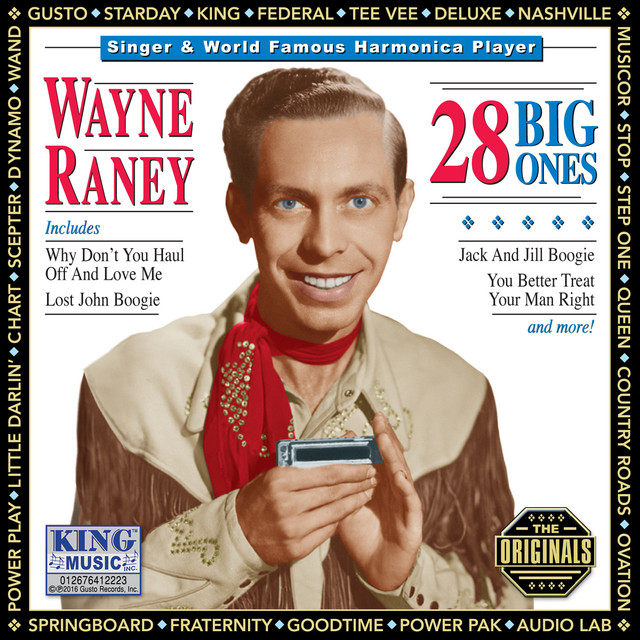
Known above all for his 1949 number one single "Why Don't You Haul Off and Love Me," Wayne Raney had a durable career in country music that reflected many of the tradition's most important influences at mid-century. In addition to his singing, Raney was well known for his harmonica playing. He and his longtime stage partner <a href="spotify:artist:3I0ZJclnZDHONlXxbipbu0">Lonnie Glosson</a> sold millions of harmonicas through the mail and did much to establish the harmonica as an instrument accessible and popular everywhere. Born on a farm near Wolf Bayou, AR, he suffered from a foot deformity that prevented him from doing heavy farm work. He heard a street person "choke" a harmonica and was inspired to learn the instrument himself. By the time he was 13, he had headed for Piedras Negras, Mexico, across the river from Eagle Pass, TX, to perform on the powerful "border radio" station XEPN. In 1936 he met <a href="spotify:artist:3I0ZJclnZDHONlXxbipbu0">Glosson</a>, and the two teamed up in 1938 to play on a radio station in Little Rock. They moved on to Cincinnati's WCKY and later to wide syndication; perhaps the heavy mail-order emphasis of the border radio enterprises, which sold everything from piano lessons to monkey-gland-implant impotence treatments, inspired Raney to think in terms of marketing the harmonica to listeners who enjoyed what he and <a href="spotify:artist:3I0ZJclnZDHONlXxbipbu0">Glosson</a> played on the air.
After World War II Raney played briefly on the radio in Memphis and then teamed up with <a href="spotify:artist:10XMe12TQkDF6o4QPJlZFJ">the Delmore Brothers</a>, whose wry boogie numbers, punctuated with jovial blasts from Raney's harmonica, became national hits. In 1948, he went solo and hit the charts with two Top 15 singles, "Lost John Boogie" and "Jack and Jill Boogie." In 1949 he topped country charts with "Why Don't You Haul Off and Love Me," which also featured <a href="spotify:artist:3I0ZJclnZDHONlXxbipbu0">Glosson</a>. The song crossed over to the pop Top 25 and was his biggest hit. Raney subsequently recorded novelty songs in the <a href="spotify:artist:7nhi4qhomET7CUCXYhbAlM">Little Jimmy Dickens</a> vein, such as "Pardon My Whiskers" and "I Love My Little Yo Yo." He played on the Grand Ole Opry for one year, spent a few months touring with <a href="spotify:artist:05pAwLhsutiuj6gerEwGvU">Lefty Frizzell</a> in 1953, and performed on the California Hayride and WWVA Jamboree radio programs. In the late '50s he worked as a DJ, opened a recording studio, and started the bluegrass-oriented Rimrock label, on which he released several albums of his own; the King label collected many of his singles on the rather inaccurately named Songs of the Hills LP in 1958, and that record had a long life in the countless reissues that repackaged the King catalog. He recorded a few singles in the late '50s and early '60s and continued to sell harmonicas until 1960, when the craze passed. Raney then returned to Arkansas and recorded a gospel album, Don't Try to Be What You Ain't. He also ran a chicken farm for a time, and he appeared occasionally on Hee Haw in the '70s. Eventually his health began to fail; he lost his voicebox in the late '80s and in 1990 published a brief autobiography, Life Has Not Been a Bed of Roses. He died of cancer in 1993 and was inducted into the Country Music Disc Jockey Hall of Fame. ~ James Manheim, Rovi
After World War II Raney played briefly on the radio in Memphis and then teamed up with <a href="spotify:artist:10XMe12TQkDF6o4QPJlZFJ">the Delmore Brothers</a>, whose wry boogie numbers, punctuated with jovial blasts from Raney's harmonica, became national hits. In 1948, he went solo and hit the charts with two Top 15 singles, "Lost John Boogie" and "Jack and Jill Boogie." In 1949 he topped country charts with "Why Don't You Haul Off and Love Me," which also featured <a href="spotify:artist:3I0ZJclnZDHONlXxbipbu0">Glosson</a>. The song crossed over to the pop Top 25 and was his biggest hit. Raney subsequently recorded novelty songs in the <a href="spotify:artist:7nhi4qhomET7CUCXYhbAlM">Little Jimmy Dickens</a> vein, such as "Pardon My Whiskers" and "I Love My Little Yo Yo." He played on the Grand Ole Opry for one year, spent a few months touring with <a href="spotify:artist:05pAwLhsutiuj6gerEwGvU">Lefty Frizzell</a> in 1953, and performed on the California Hayride and WWVA Jamboree radio programs. In the late '50s he worked as a DJ, opened a recording studio, and started the bluegrass-oriented Rimrock label, on which he released several albums of his own; the King label collected many of his singles on the rather inaccurately named Songs of the Hills LP in 1958, and that record had a long life in the countless reissues that repackaged the King catalog. He recorded a few singles in the late '50s and early '60s and continued to sell harmonicas until 1960, when the craze passed. Raney then returned to Arkansas and recorded a gospel album, Don't Try to Be What You Ain't. He also ran a chicken farm for a time, and he appeared occasionally on Hee Haw in the '70s. Eventually his health began to fail; he lost his voicebox in the late '80s and in 1990 published a brief autobiography, Life Has Not Been a Bed of Roses. He died of cancer in 1993 and was inducted into the Country Music Disc Jockey Hall of Fame. ~ James Manheim, Rovi
Monthly Listeners
1,049
Monthly Listeners History
Track the evolution of monthly listeners over the last 28 days.
Followers
733
Followers History
Track the evolution of followers over the last 28 days.
Top Cities
18 listeners

16 listeners
15 listeners
13 listeners
13 listeners
Related Artists
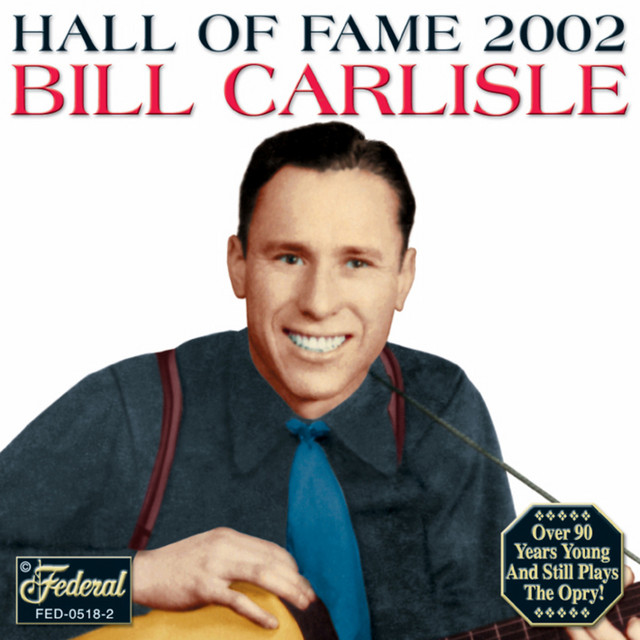
Bill Carlisle
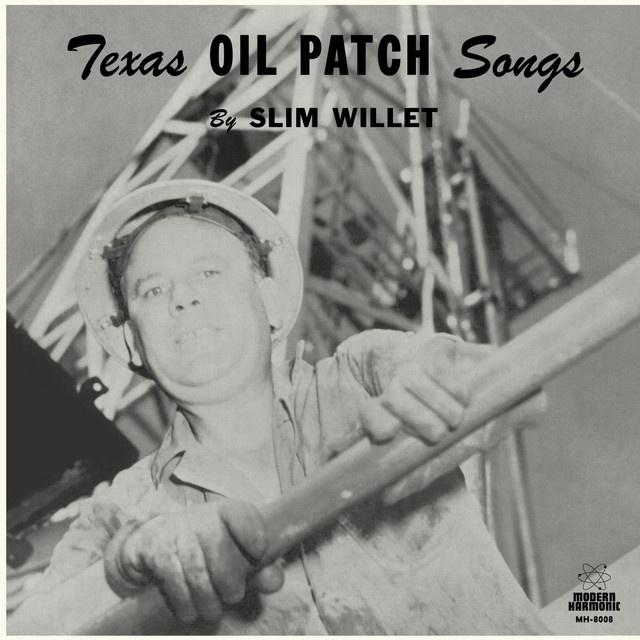
Slim Willet

T. Texas Tyler
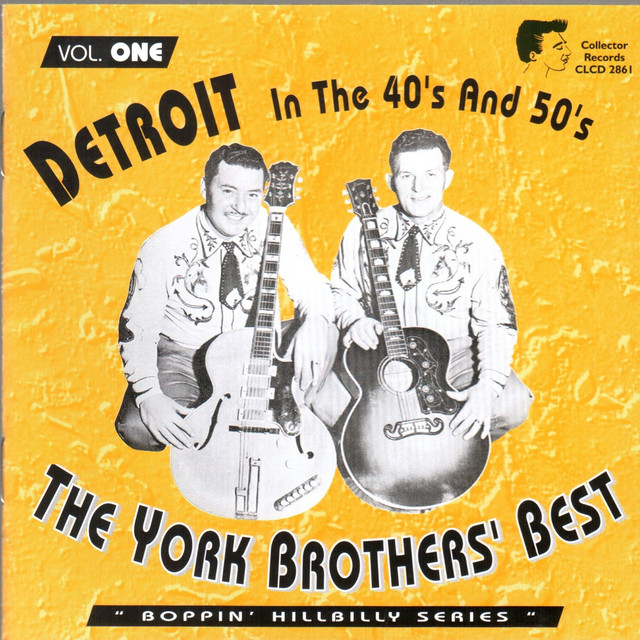
The York Brothers

Clyde Moody
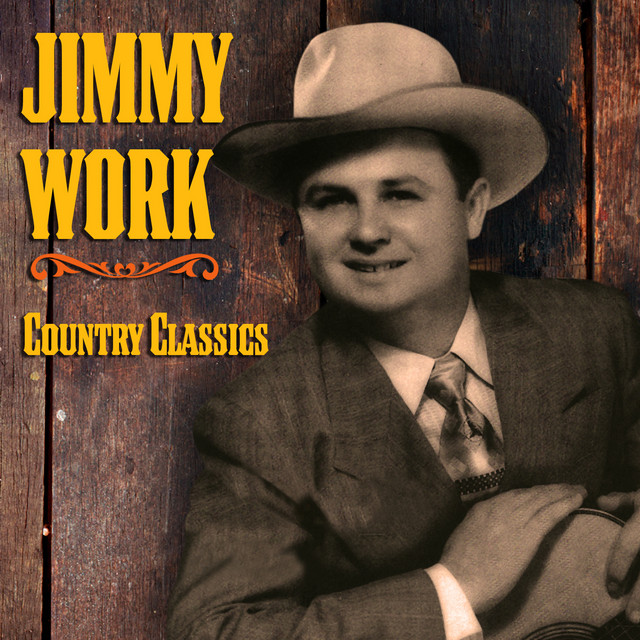
Jimmy Work

Billy Hughes
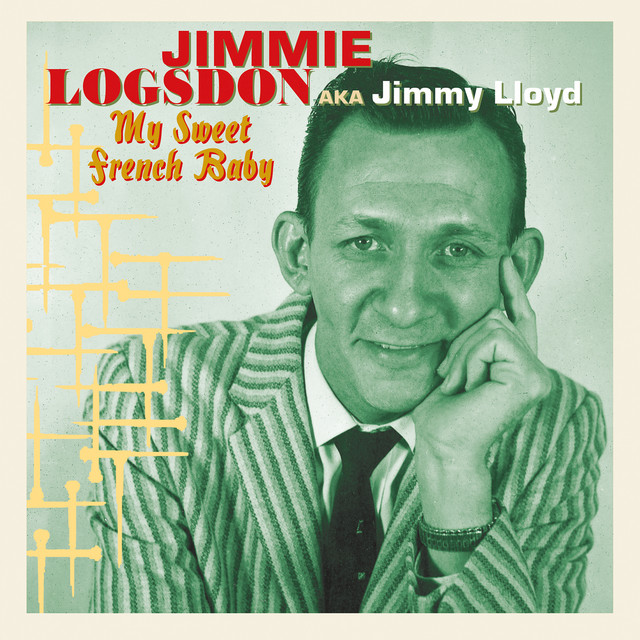
Jimmie Logsdon


Arkie Shibley
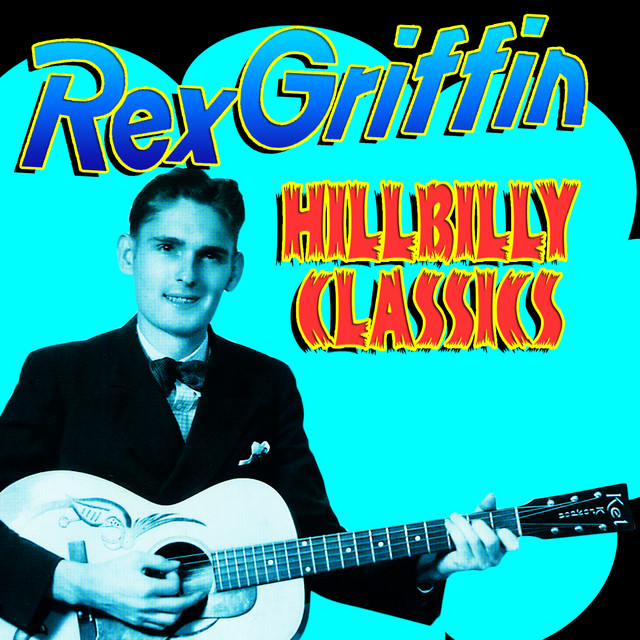
Rex Griffin
The Rainbow Ranch Boys
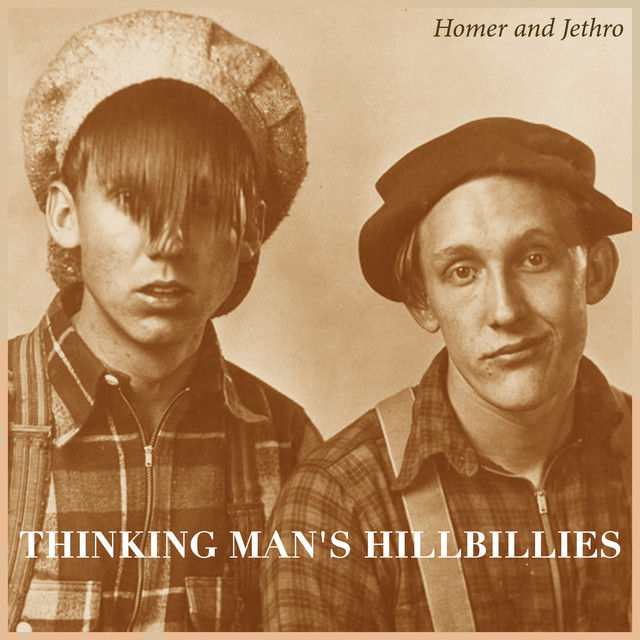
Homer And Jethro Homer And Jethro

Bill Nettles
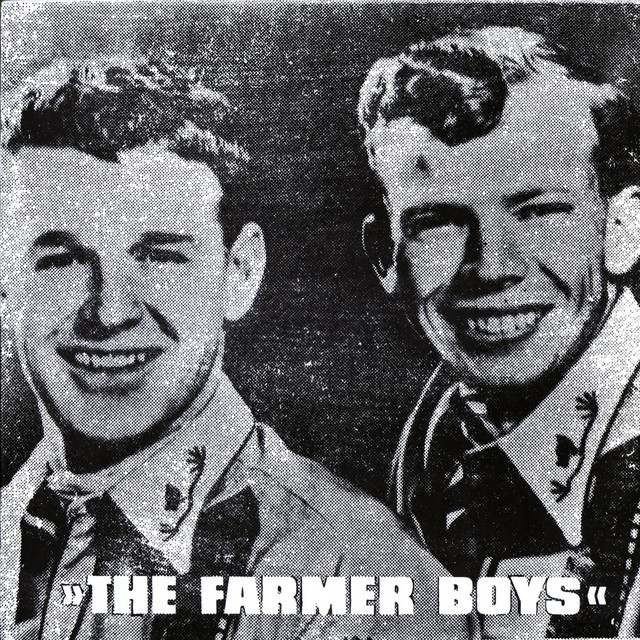
The Farmer Boys
Texas Ruby

The Bailes Brothers

Jimmy Swan

Jimmie Osborne

The Winters Brothers
Bill Boyd's Cowboy Ramblers

The Armstrong Twins


Bud Billings

Ann Jones

Bev King

Curtis Gordon