Data may be outdated
Last updated: 9 months ago — Click refresh to get the latest statistics.
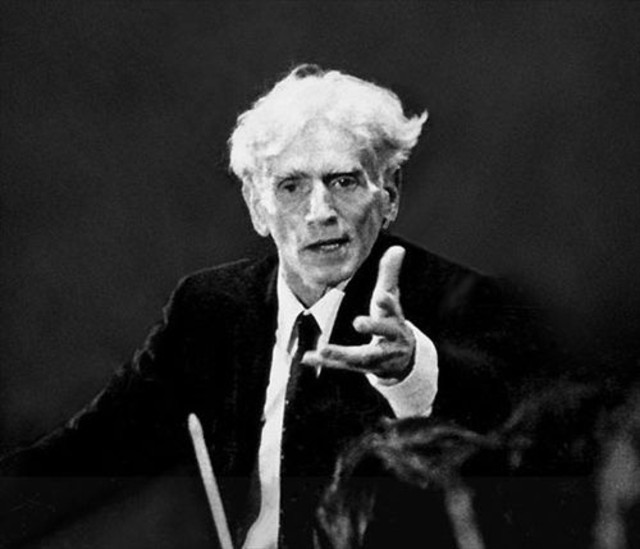
Dag Wirén is not widely known outside his native Sweden, though his music began gaining notice internationally on recordings in the decade following his death. His first serious compositions date to the 1930s and divulge a neo-Classicism tinged by a Romantic warmth. By the middle of the following decade, his style had settled into a kind of early form of minimalism, but with themes, usually short, motto-like creations divulging a more complex and subtle form of evolution, relying on little repetition and thus achieving an entirely different kind of effect from that of the minimalists. While in the end, he must still be assessed as a secondary figure, he may yet generate a re-evaluation and reach front-rank, or nearly front-rank, status.
Dag Wirén showed musical talent at an early age, but did not enroll at the Swedish Royal Academy of Music in Stockholm until 1926. There he studied composition with the conservative composer Ernst Ellberg. Wirén's own conservative style in the 1930s must be accounted for in part by Ellberg's influence. The young composer also studied organ at the academy, becoming quite proficient on the instrument, but never developing enough interest to write for the instrument as he would the piano, for which he wrote several solo pieces (Ironic Small Pieces, Op. 19; Sonatina, Op. 25, etc.) and which appear in compositions throughout his chamber works list. Wirén graduated from the academy in 1931 and then departed for Paris, where he would study composition from 1932-34 with <a href="spotify:artist:2MwquVYqqBSnlyFFFTceq2">Leonid Sabaneyev</a>. There he also developed a camaraderie with fellow Swedish composers <a href="spotify:artist:7BAiwK22DH7ARHDaoAB7qt">Gunnar de Frumerie</a> and <a href="spotify:artist:2itqFljTCk0lAQxi5SGvWQ">Gösta Nystroem</a>. Wirén acknowledged that his exposure to the music of <a href="spotify:artist:4kHtgiRnpmFIV5Tm4BIs8l">Prokofiev</a>, <a href="spotify:artist:7ie36YytMoKtPiL7tUvmoE">Stravinsky</a>, and <a href="spotify:artist:0QDRLNPr0wXKeR5ThXZAUp">Honegger</a> had a great influence on him, though he still considered <a href="spotify:artist:5aIqB5nVVvmFsvSdExz408">Bach</a>, <a href="spotify:artist:4NJhFmfw43RLBLjQvxDuRS">Mozart</a>, and Nielsen his idols. He produced his Symphony No. 1 in 1932 and the Second in 1939, neither making much of a mark, the former being withdrawn by the composer and the latter often looked upon by musicologists as light, <a href="spotify:artist:7jzR5qj8vFnSu5JHaXgFEr">Sibelius</a>-like fare. While his style was still evolving in the 1930s and often not successful, Wirén did produce his most popular composition then, the 1937 Serenade for Strings, whose march-like fourth movement has become familiar to listeners the world over. In 1938, Wirén became music critic of the Stockholm newspaper Svenska Morgenbladet, serving in that capacity until 1946. During the war years, Wirén composed some of his most important compositions, including the Symphony No. 3 (1942-43). In 1943, he composed incidental music for a stage production of The Merchant of Venice and by the end of the war, he finished his String Quartet No. 2, Op. 28 (1941-45). In 1947, Wirén became the vice-chair for the Swedish Composers Association, a post he would hold until 1963. By that time, he was working on his fifth (and last) symphony, which he completed the following year. Wirén produced a fairly sizable output, but after the early 1970s, he wrote virtually nothing of significance and his later compositions -- those from the latter 1960s -- often divulged a lightness of expressive language.
Dag Wirén showed musical talent at an early age, but did not enroll at the Swedish Royal Academy of Music in Stockholm until 1926. There he studied composition with the conservative composer Ernst Ellberg. Wirén's own conservative style in the 1930s must be accounted for in part by Ellberg's influence. The young composer also studied organ at the academy, becoming quite proficient on the instrument, but never developing enough interest to write for the instrument as he would the piano, for which he wrote several solo pieces (Ironic Small Pieces, Op. 19; Sonatina, Op. 25, etc.) and which appear in compositions throughout his chamber works list. Wirén graduated from the academy in 1931 and then departed for Paris, where he would study composition from 1932-34 with <a href="spotify:artist:2MwquVYqqBSnlyFFFTceq2">Leonid Sabaneyev</a>. There he also developed a camaraderie with fellow Swedish composers <a href="spotify:artist:7BAiwK22DH7ARHDaoAB7qt">Gunnar de Frumerie</a> and <a href="spotify:artist:2itqFljTCk0lAQxi5SGvWQ">Gösta Nystroem</a>. Wirén acknowledged that his exposure to the music of <a href="spotify:artist:4kHtgiRnpmFIV5Tm4BIs8l">Prokofiev</a>, <a href="spotify:artist:7ie36YytMoKtPiL7tUvmoE">Stravinsky</a>, and <a href="spotify:artist:0QDRLNPr0wXKeR5ThXZAUp">Honegger</a> had a great influence on him, though he still considered <a href="spotify:artist:5aIqB5nVVvmFsvSdExz408">Bach</a>, <a href="spotify:artist:4NJhFmfw43RLBLjQvxDuRS">Mozart</a>, and Nielsen his idols. He produced his Symphony No. 1 in 1932 and the Second in 1939, neither making much of a mark, the former being withdrawn by the composer and the latter often looked upon by musicologists as light, <a href="spotify:artist:7jzR5qj8vFnSu5JHaXgFEr">Sibelius</a>-like fare. While his style was still evolving in the 1930s and often not successful, Wirén did produce his most popular composition then, the 1937 Serenade for Strings, whose march-like fourth movement has become familiar to listeners the world over. In 1938, Wirén became music critic of the Stockholm newspaper Svenska Morgenbladet, serving in that capacity until 1946. During the war years, Wirén composed some of his most important compositions, including the Symphony No. 3 (1942-43). In 1943, he composed incidental music for a stage production of The Merchant of Venice and by the end of the war, he finished his String Quartet No. 2, Op. 28 (1941-45). In 1947, Wirén became the vice-chair for the Swedish Composers Association, a post he would hold until 1963. By that time, he was working on his fifth (and last) symphony, which he completed the following year. Wirén produced a fairly sizable output, but after the early 1970s, he wrote virtually nothing of significance and his later compositions -- those from the latter 1960s -- often divulged a lightness of expressive language.
Monthly Listeners
3,213
Monthly Listeners History
Track the evolution of monthly listeners over the last 28 days.
Followers
809
Followers History
Track the evolution of followers over the last 28 days.
Top Cities
127 listeners

59 listeners
45 listeners
38 listeners

36 listeners

Related Artists


Vasily Kalinnikov
Symphony Orchestra Of Norrlands Opera
Eastman-Rochester Orchestra
Paavo Berglund
Granville Bantock
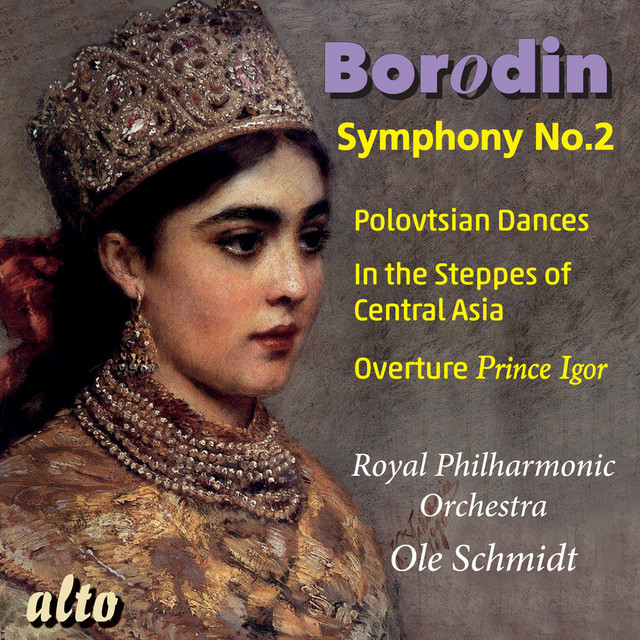
Ole Schmidt
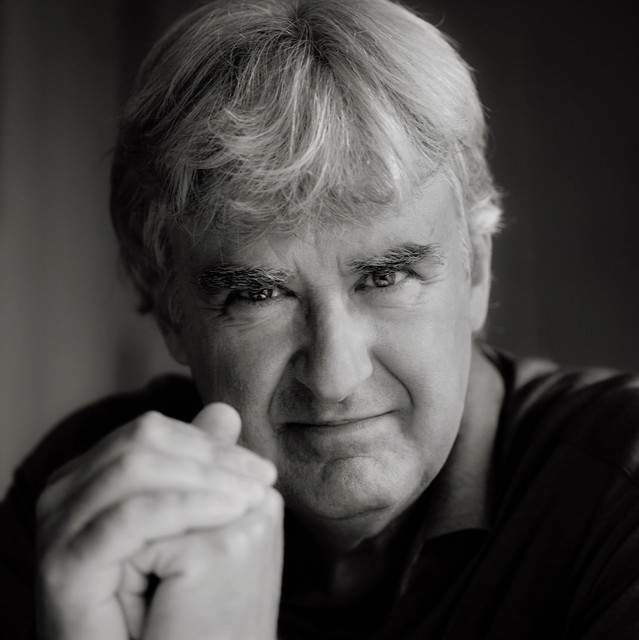
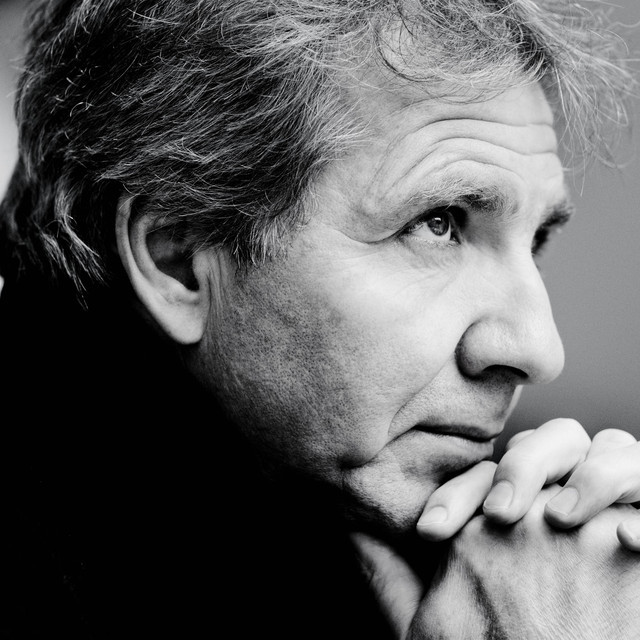
Thierry Fischer

Örebro Chamber Orchestra

Tor Aulin

Moravian Philharmonic Orchestra
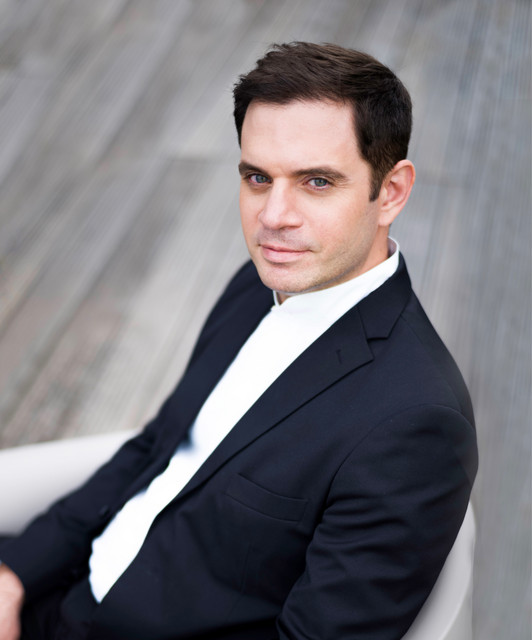
Christopher Ward

David Curtis
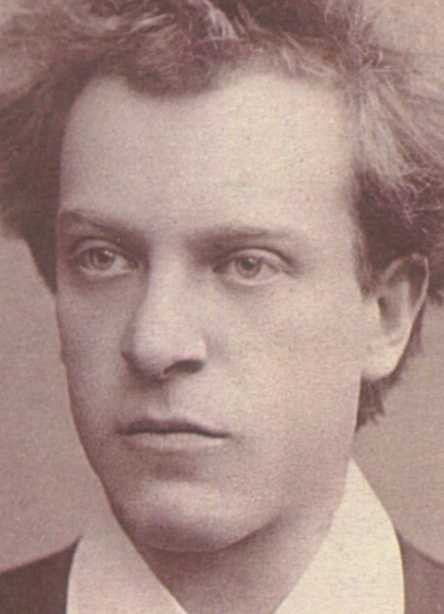
Hans Rott


Einar Englund

Charles Peebles
Henri Rabaud

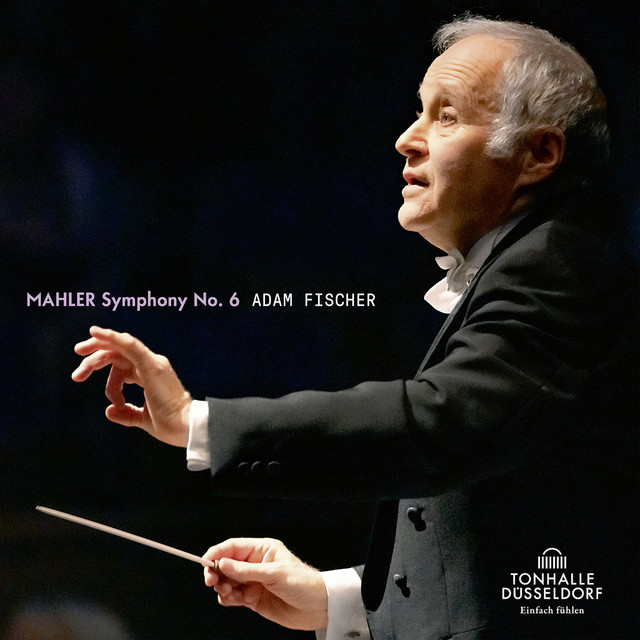
Düsseldorfer Symphoniker

Cape Town Philharmonic Orchestra

Thord Svedlund
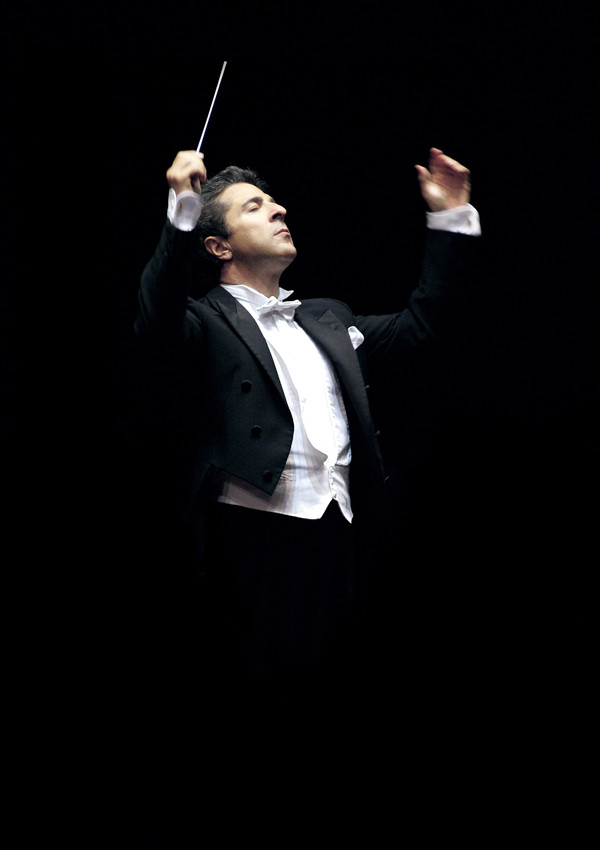

Malaysian Philharmonic Orchestra

Baden-Badener Philharmonie