Genre
detroit hip hop
Top Detroit hip hop Artists
Showing 25 of 179 artists







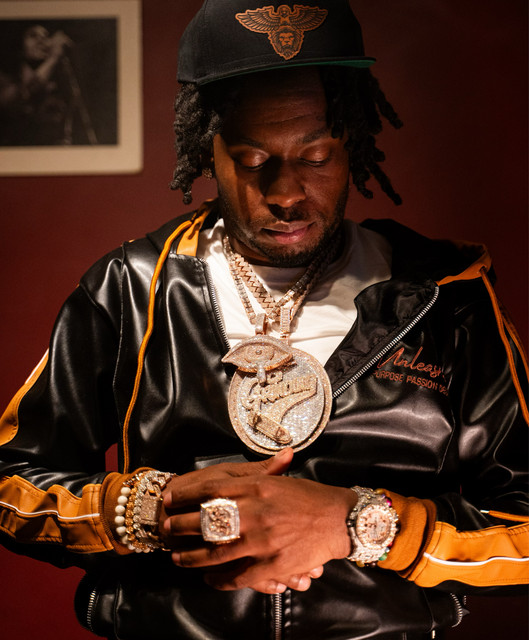
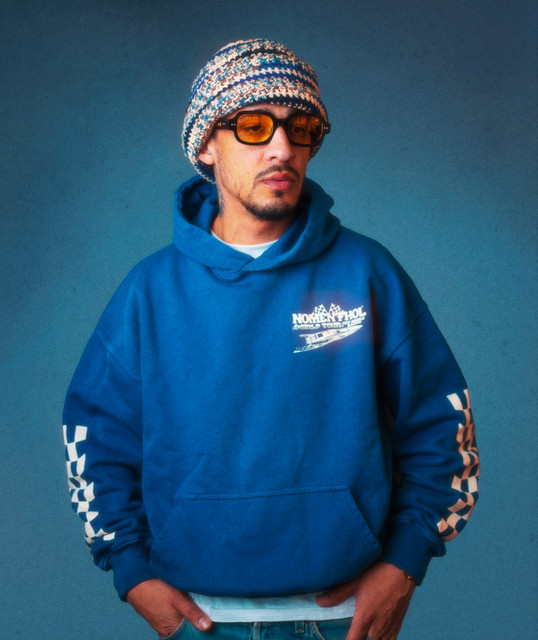
About Detroit hip hop
Detroit hip hop is a distinct and deeply idiosyncratic thread in the broader tapestry of American rap, born from the city’s industrial grit and a long-running vitality for creative risk. Its emergence is usually dated to the late 1980s and early 1990s, when Detroit artists began shaping a sound that fused hard-hitting street narratives with soulful, drum-forward production. Among the early flag-bearers, Esham stands out as a pivotal figure: his 1989 release on Reel Life brought attention to acid rap and horrorcore, a stark, cinematic strain of storytelling that would influence Detroit’s outsider-spirited lineage for years to come.
The 1990s saw Detroit hip hop expand beyond its initial shock-anchored frontier. The city produced a generation of groups and producers who would become emblematic of its approach to rhythm, mood, and texture. J Dilla (James Yancey), one of the most celebrated producers in hip hop history, helped define the Detroit sound with his soulful samples, crisp but unorthodox drums, and a pocket that could swing between warmth and edge. Slum Village, centered around Dilla’s circle, became a touchstone for a generation of listeners hungry for a Detroit flavor that felt both familiar and forward-looking. The aesthetic often blends boombap strength with lush, melodic elements, yielding tracks that can hit hard on the surface while revealing subtle, emotional undercurrents upon repeat listens.
Detroit’s most globally recognized ambassador remains Eminem, the rapper whose ascent from underground battle circuits to major-label superstardom helped put Detroit hip hop on the world map. With D12 and a string of multi-platinum releases starting around the late 1990s and into the 2000s, Eminem demonstrated a capacity for linguistic speed, theatrical alter egos, and blistering storytelling that translated across continents. His visibility opened doors for a broader awareness of Detroit’s atypical approach to hip hop—where social commentary, humor, and technical prowess can reside side by side.
In the 2000s and beyond, a new wave of Detroit artists carried the city’s tradition forward in evolving textures and voices. Rappers like Big Sean and Elzhi, and producers like Black Milk and other members of the city’s diverse scene, have kept Detroit’s sound fresh—combining hard-edged street reportage with introspective, often experimental production. Danny Brown, perhaps more than most, embodies a raw, in-your-face Detroit persona, blending abrasive energy with surprising vulnerability on records that pushed the boundaries of mood and cadence.
What makes Detroit hip hop distinctive is not only its rugged feel, but its dual affinity for grit and groove. It embraces horror-core lineage as much as hypnotic, soul-sample-driven boom-bap, and it frequently foregrounds lyrical wit, clever wordplay, and a willingness to challenge conventional narratives about the city’s struggles and dreams. The genre’s reach is strongest in the United States—especially around Michigan and the Midwest—but its appeal has resonated worldwide through classic albums, influential producers, and a lineage that fans continue to discover and debate. Detroit hip hop remains a pulsating, ever-evolving conversation between history and audacity, rooted in a city that refuses to stop making soundtracks to its own resilience.
The 1990s saw Detroit hip hop expand beyond its initial shock-anchored frontier. The city produced a generation of groups and producers who would become emblematic of its approach to rhythm, mood, and texture. J Dilla (James Yancey), one of the most celebrated producers in hip hop history, helped define the Detroit sound with his soulful samples, crisp but unorthodox drums, and a pocket that could swing between warmth and edge. Slum Village, centered around Dilla’s circle, became a touchstone for a generation of listeners hungry for a Detroit flavor that felt both familiar and forward-looking. The aesthetic often blends boombap strength with lush, melodic elements, yielding tracks that can hit hard on the surface while revealing subtle, emotional undercurrents upon repeat listens.
Detroit’s most globally recognized ambassador remains Eminem, the rapper whose ascent from underground battle circuits to major-label superstardom helped put Detroit hip hop on the world map. With D12 and a string of multi-platinum releases starting around the late 1990s and into the 2000s, Eminem demonstrated a capacity for linguistic speed, theatrical alter egos, and blistering storytelling that translated across continents. His visibility opened doors for a broader awareness of Detroit’s atypical approach to hip hop—where social commentary, humor, and technical prowess can reside side by side.
In the 2000s and beyond, a new wave of Detroit artists carried the city’s tradition forward in evolving textures and voices. Rappers like Big Sean and Elzhi, and producers like Black Milk and other members of the city’s diverse scene, have kept Detroit’s sound fresh—combining hard-edged street reportage with introspective, often experimental production. Danny Brown, perhaps more than most, embodies a raw, in-your-face Detroit persona, blending abrasive energy with surprising vulnerability on records that pushed the boundaries of mood and cadence.
What makes Detroit hip hop distinctive is not only its rugged feel, but its dual affinity for grit and groove. It embraces horror-core lineage as much as hypnotic, soul-sample-driven boom-bap, and it frequently foregrounds lyrical wit, clever wordplay, and a willingness to challenge conventional narratives about the city’s struggles and dreams. The genre’s reach is strongest in the United States—especially around Michigan and the Midwest—but its appeal has resonated worldwide through classic albums, influential producers, and a lineage that fans continue to discover and debate. Detroit hip hop remains a pulsating, ever-evolving conversation between history and audacity, rooted in a city that refuses to stop making soundtracks to its own resilience.