Data may be outdated
Last updated: 2 weeks ago — Click refresh to get the latest statistics.
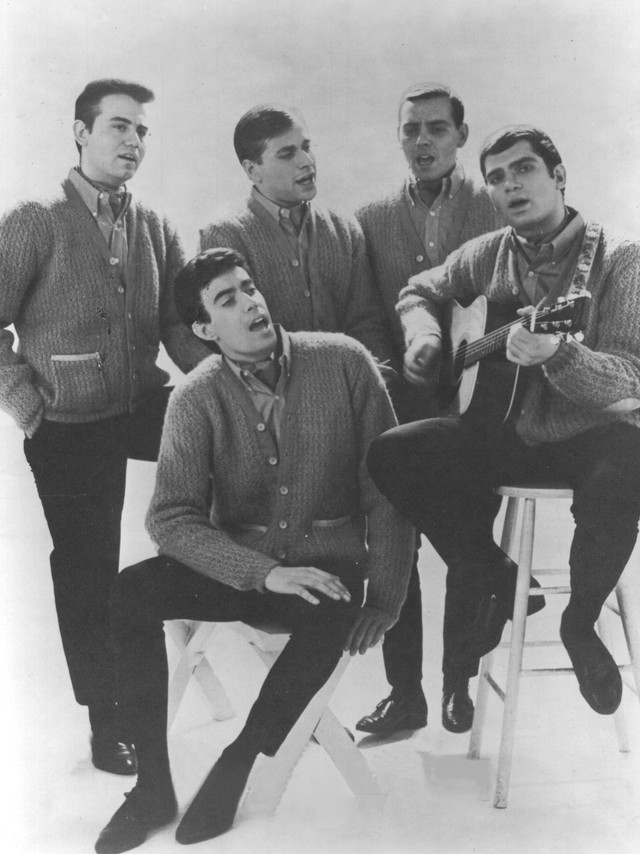
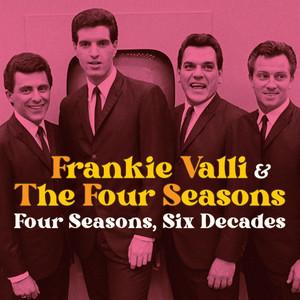
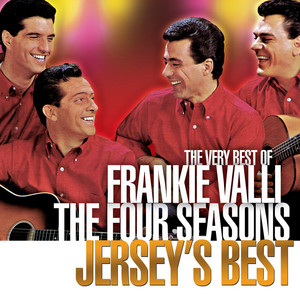
The Four Seasons had been around for a long time before they had their first hit in 1962. <a href="spotify:artist:3CDKmzJu6uwEGnPLLZffpD">Frankie Valli</a> had made his first record way back in 1953, and in 1956 made a little noise with <a href="spotify:artist:0CpPqZCXgz68WHw2EprZMP">the Four Lovers</a>' "Apple of My Eye." The Newark, New Jersey group also included future Four Season <a href="spotify:artist:2fsFpOUzCc2W1oVPLxydqb">Tommy DeVito</a> on guitar and Nick Massi on bass, and in subsequent years <a href="spotify:artist:3CDKmzJu6uwEGnPLLZffpD">Valli</a> would record flops for <a href="spotify:search:label%3A%22RCA%22">RCA</a>, <a href="spotify:search:label%3A%22Decca%22">Decca</a>, <a href="spotify:search:label%3A%22Cindy%22">Cindy</a>, and <a href="spotify:search:label%3A%22Gone%22">Gone</a>, sometimes as a soloist, sometimes with groups. In the early '60s, the group, now known as the Four Seasons, were doing backup vocals for other artists.
Philadelphia producer <a href="spotify:artist:6c0iRUJ1QetT3vxkfCpwPT">Bob Crewe</a> started working with the Seasons in 1962, and his contributions would be inestimable in the following years. Not only did he produce all of their big '60s hits, but he would write much of their material in collaboration with group member <a href="spotify:artist:5eaaETTgyFJAv1neNcQoXW">Bob Gaudio</a>. It was <a href="spotify:artist:3CDKmzJu6uwEGnPLLZffpD">Valli</a>'s near-soprano, though, that dominated their number one hit "Sherry," as it would on the rest of their hits. "Big Girls Don't Cry," "Walk Like a Man," and "Candy Girl" all followed within the next year -- big smashes all, the first two (like "Sherry") featuring stomping, almost martial handclaps. "Candy Girl" offered evidence of versatility, with its samba-like rhythms and glissando flourishes.
The British Invasion did little to diminish the Seasons' fortunes, at least initially. In 1964, they moved from <a href="spotify:search:label%3A%22Vee-Jay%22">Vee-Jay</a> (which also, for a brief time, had rights to <a href="spotify:artist:3WrFJ7ztbogyGnTHbHJFl2">the Beatles</a>) to Philips. Their production became more sophisticated and dramatic while remaining unabashedly pop, and in 1964 they had several of their biggest hits: "Dawn," "Ronnie," "Rag Doll," "Save It for Me," and "Big Man in Town" (as well as a B-side gem, "Silence Is Golden," which would be a hit in 1967 for <a href="spotify:artist:7oovWTnMtmERd4nCPjg4Pk">the Tremeloes</a>). The Four Seasons' influence, oddly, was also felt on a couple of tracks by the biggest British Invasion bands: <a href="spotify:artist:3WrFJ7ztbogyGnTHbHJFl2">the Beatles</a>' "Tell Me Why" and <a href="spotify:artist:22bE4uQ6baNwSHPVcDxLCe">the Rolling Stones</a>' "The Singer Not the Song" both launched into ear-straining falsettos at points, whether as a satire, tribute, or both.
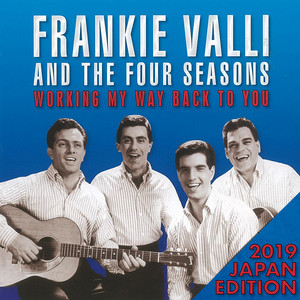
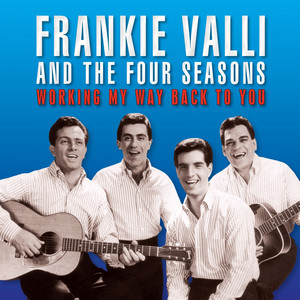
The Seasons' winning streak continued through 1967, although they would never again be as huge. "Let's Hang On," "Working My Way Back to You," "Opus 17," "I've Got You Under My Skin," "Beggin'," and "Marianne" were all big hits, though, working in some mild soul influences. Just for kicks, they released a couple of silly singles under a pseudonym, the Wonder Who?, that even pre-teens quickly identified as the Seasons in disguise. The Wonder Who?'s 1965 Top 20 hit, "Don't Think Twice," easily qualifies as the most incongruous <a href="spotify:artist:74ASZWbe4lXaubB36ztrGX">Dylan</a> cover ever to hit the Top 40.
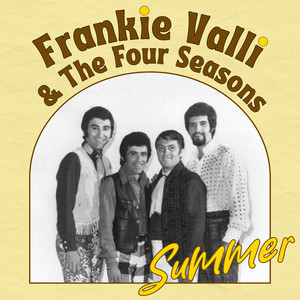
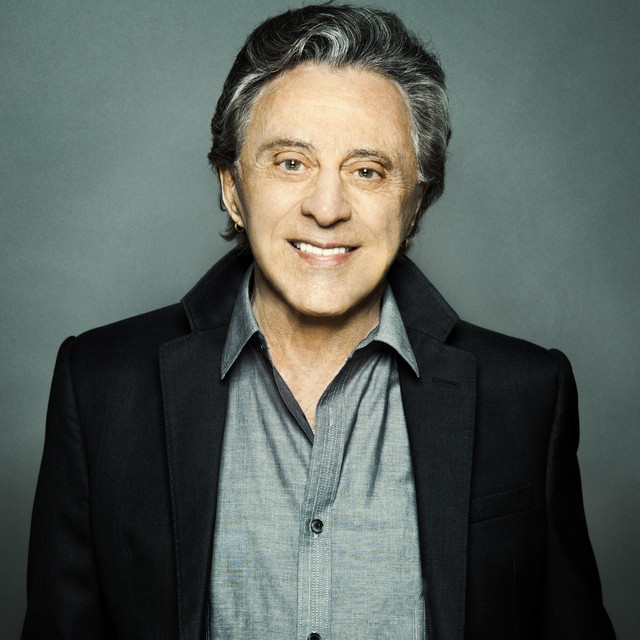
Guitar-oriented, more socially conscious rock and soul had been making inroads into the Four Seasons' audience for a while, but the times really caught up with them by the end of 1967. The group would only make the Top 40 one more time before their mid-'70s comeback. In the late '60s, <a href="spotify:artist:3CDKmzJu6uwEGnPLLZffpD">Valli</a>, while maintaining his position in the Seasons, had kicked off a solo career that went straight for the heart of showbiz pop with his biggest single, the number two hit "Can't Take My Eyes Off You." The Four Seasons did attempt to address social concerns of the day on the late-'60s album Genuine Imitation Life Gazette, but it was not generally well received.
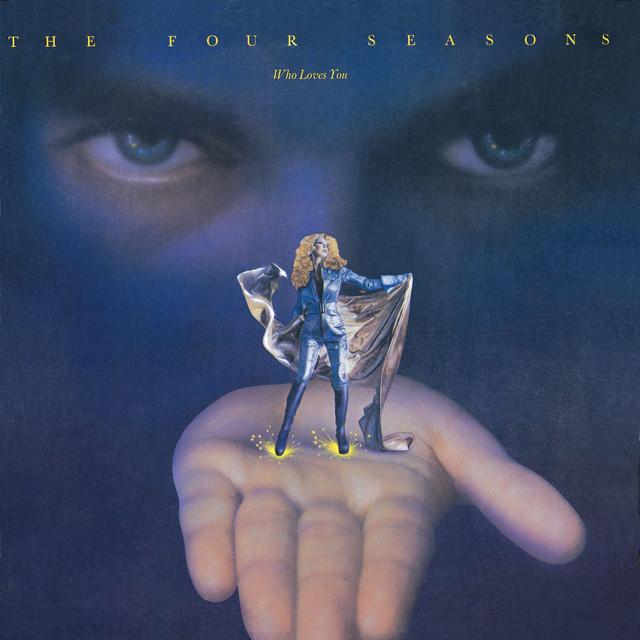
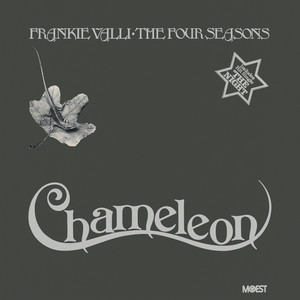
The Four Seasons struggled into the '70s; by the time they signed with a <a href="spotify:search:label%3A%22Motown%22">Motown</a> subsidiary in 1971, <a href="spotify:artist:3CDKmzJu6uwEGnPLLZffpD">Valli</a> and <a href="spotify:artist:5eaaETTgyFJAv1neNcQoXW">Gaudio</a> were the only original members left. They briefly returned to the top of the charts in the mid-'70s with "Who Loves You" and the nostalgic "December, 1963 (Oh, What a Night)"; at the same time, <a href="spotify:artist:3CDKmzJu6uwEGnPLLZffpD">Valli</a> had a resurgence as a soloist, reaching number one with "My Eyes Adored You" and making the Top Ten with "Swearin' to God." It couldn't last, though; they couldn't turn back the clock to December 1963, when they reigned as the most successful white rock group in the world, unaware of the oncoming invasion of <a href="spotify:artist:3WrFJ7ztbogyGnTHbHJFl2">the Beatles</a>. Still, <a href="spotify:artist:3CDKmzJu6uwEGnPLLZffpD">Valli</a>'s full-time solo career was given an enormous boost when he was chosen to sing the newly written <a href="spotify:artist:7Hd38PVp634oGEb9pIDs5d">Barry Gibb</a> title song for the movie version of the Broadway musical Grease; the single rose to number one in August 1978.
Sporadic Four Seasons reunion tours followed in the '80s and '90s, some with <a href="spotify:artist:3CDKmzJu6uwEGnPLLZffpD">Valli</a> and some without. The group also recorded, releasing Streetfighter in 1985 and Hope + Glory in 1992, both of which contemporized the group's sounds.
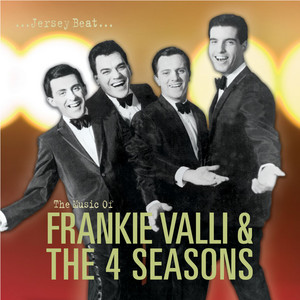
During the 2000s, <a href="spotify:artist:3CDKmzJu6uwEGnPLLZffpD">Valli</a> and <a href="spotify:artist:5eaaETTgyFJAv1neNcQoXW">Gaudio</a> were involved in developing the Four Seasons story into a Broadway musical, a stage biography based on the lives and careers of <a href="spotify:artist:3CDKmzJu6uwEGnPLLZffpD">Valli</a>, <a href="spotify:artist:2fsFpOUzCc2W1oVPLxydqb">Tommy DeVito</a>, Massi, and <a href="spotify:artist:5eaaETTgyFJAv1neNcQoXW">Gaudio</a>. Jersey Boys became the hit of the 2005-2006 season, winning the Tony Award for best musical. The show, and its inevitable film version released in 2014, helped revitalize the group's career. <a href="spotify:artist:2fsFpOUzCc2W1oVPLxydqb">Tommy DeVito</a> died on September 21, 2020, due to complications from the COVID-19 virus. He was 92 years old. ~ Richie Unterberger, Rovi
Monthly Listeners
4.9 million
Monthly Listeners History
Track the evolution of monthly listeners over the last 28 days.
Followers
782,741
Followers History
Track the evolution of followers over the last 28 days.
Total Streams
1.4 billion
Total Streams History
Track the evolution of total streams over the last 28 days. This data is calculated from all tracks listed in the artist's discography.