Data may be outdated
Last updated: 9 months ago — Click refresh to get the latest statistics.
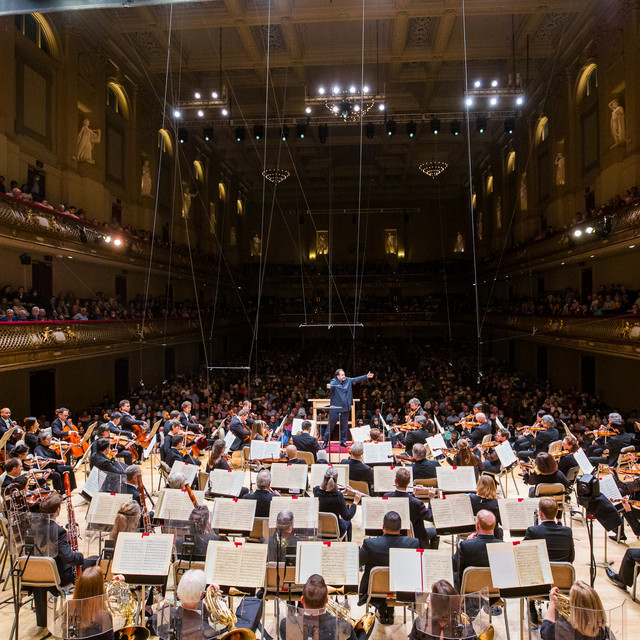
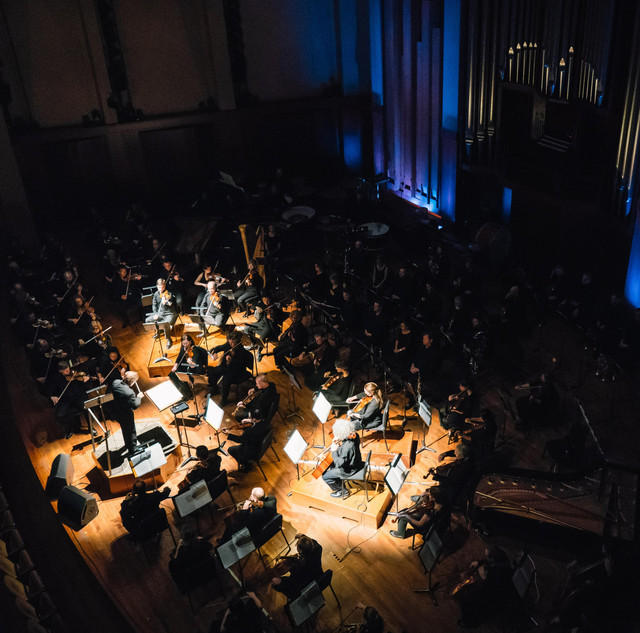
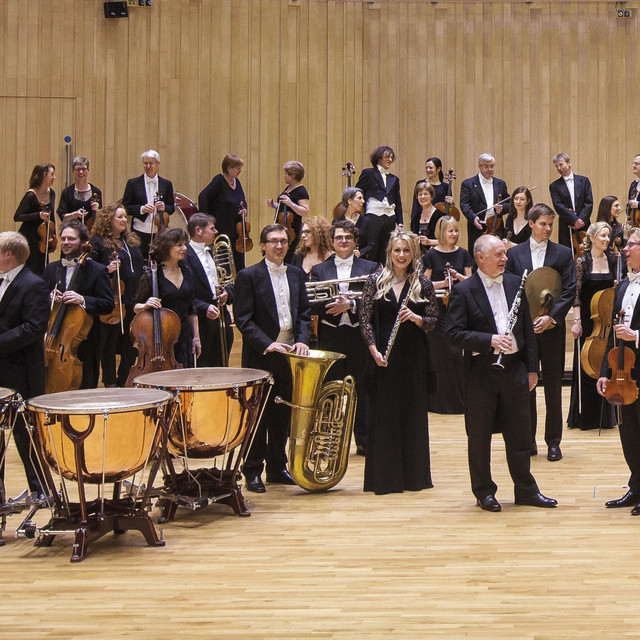
The Pittsburgh Symphony Orchestra has gained a wider reputation than the medium size of its home city might suggest, benefiting from the leadership of some of the 20th century's top conductors at various points in their careers. In the 2010s, the orchestra has issued a major series of recordings of mainstream symphonic repertory.
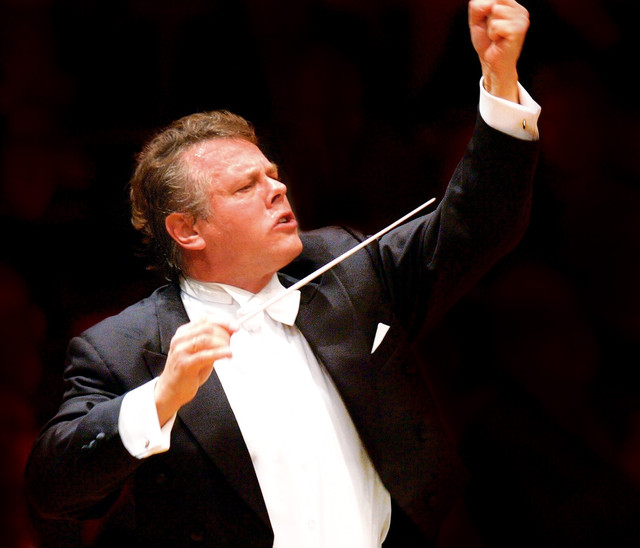
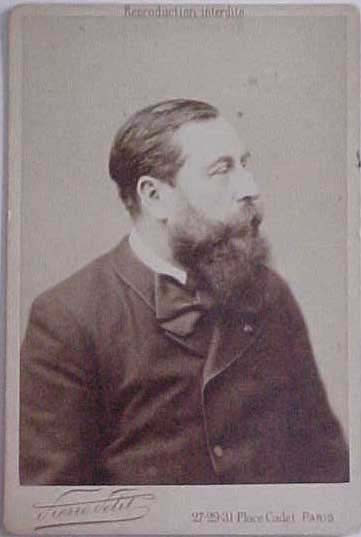
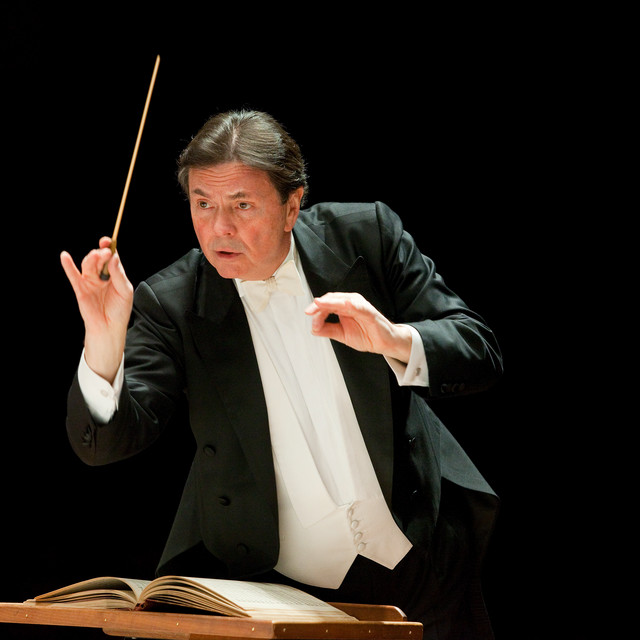
The Pittsburgh Symphony was founded in 1896 by the Pittsburgh Art Society, which two years later hired Irish-born operetta composer <a href="spotify:artist:4KKrqNQzDsogR5DCD9a9fv">Victor Herbert</a> as conductor. The move ran counter to the tendency toward German conductors at the time, but the orchestra gained wide popularity. In 1904, the orchestra went to the opposite pole, installing Germany's Emil Paur as conductor and getting a heavy diet of <a href="spotify:artist:5wTAi7QkpP6kp8a54lmTOq">Brahms</a> and other symphonists for its money. Paur clashed with local musicians, financial support dried up after the Panic of 1907, and the orchestra disbanded in 1910. It was reestablished in 1927, intentionally violating a Pennsylvania law against music on the Sabbath and gaining valuable publicity. The orchestra took advantage of the new medium of radio, launching broadcasts in 1936 that were heard across much of the eastern U.S. The following year, <a href="spotify:artist:2ljDHW0zt90SrHDwjVIGXs">Otto Klemperer</a> became one of a series of international-caliber conductors to lead the group, building it into a top-quality ensemble. He was succeeded by <a href="spotify:artist:4nsMLwMcViXAqwTLJ71y8i">Fritz Reiner</a> (1938-1948), Vladimir Bakaleinikov (1948-1952), <a href="spotify:artist:3oLKocKU2vgprWeskj53Fo">William Steinberg</a> (1952-1976), <a href="spotify:artist:2tfWguHr2nj4e8KXLKciVq">André Previn</a> (1976-1984), <a href="spotify:artist:3EQvBmWlfyaRLGDuVfKmve">Lorin Maazel</a> (1984-1996, who had lived in Pittsburgh and studied with Bakaleinikov), <a href="spotify:artist:0IuqAyi5CMgpuyhckrcqNs">Mariss Jansons</a> (1996-2004), a unique troika of <a href="spotify:artist:68dw0lrJCaRisguXq9rHpZ">Marek Janowski</a>, <a href="spotify:artist:1Q9HCWdqbiui9pOsDtYkXW">Andrew Davis</a>, and <a href="spotify:artist:64Ne9xbQUL91scDAPm7I7k">Yan Pascal Tortelier</a> (2004-2008), and, since 2008, <a href="spotify:artist:2P9hqdON5vDIRJOEj0Ls2X">Manfred Honeck</a>. The orchestra has also maintained a pops series that was conducted by famed ragtime pianist <a href="spotify:artist:1VN38ZSdtQnHLa8PfTTKZD">Marvin Hamlisch</a> from 1995 until his death in 2014; in 2019, the pops concerts welcomed Kenny "Babyface" Edmonds as a guest. In its earlier years, the orchestra performed at Pittsburgh's Carnegie Music Hall, Syria Mosque (a performance space suggested by a shrine, not an actual mosque), and Penn Theatre; in 1971, it gained its own Heinz Hall, which has itself been expanded several times. Especially under <a href="spotify:artist:3oLKocKU2vgprWeskj53Fo">Steinberg</a> and <a href="spotify:artist:2tfWguHr2nj4e8KXLKciVq">Previn</a>, the orchestra amassed a large recording catalog. <a href="spotify:artist:2P9hqdON5vDIRJOEj0Ls2X">Honeck</a> has revived the orchestra's recording activity, issuing a series of recordings of symphonic repertoire works in the 2010s on the <a href="spotify:search:label%3A%22Exton%22">Exton</a> and <a href="spotify:search:label%3A%22Reference+Recordings%22">Reference Recordings</a> labels. In 2018, the orchestra issued a reading of Beethoven's Symphony No. 3 in E flat major, Op. 55, paired with the Horn Concerto No. 1, Op. 11, of <a href="spotify:artist:6pAwHPeExeUbMd5w7Iny6D">Richard Strauss</a>; <a href="spotify:artist:2P9hqdON5vDIRJOEj0Ls2X">Honeck</a>'s Beethoven interpretations have been influenced by the historical-performance movement. The Pittsburgh Symphony, under <a href="spotify:artist:2P9hqdON5vDIRJOEj0Ls2X">Honeck</a>, was nominated for a Grammy award for its 2019 album Bruckner: Symphony No. 9.
The Pittsburgh Symphony was founded in 1896 by the Pittsburgh Art Society, which two years later hired Irish-born operetta composer <a href="spotify:artist:4KKrqNQzDsogR5DCD9a9fv">Victor Herbert</a> as conductor. The move ran counter to the tendency toward German conductors at the time, but the orchestra gained wide popularity. In 1904, the orchestra went to the opposite pole, installing Germany's Emil Paur as conductor and getting a heavy diet of <a href="spotify:artist:5wTAi7QkpP6kp8a54lmTOq">Brahms</a> and other symphonists for its money. Paur clashed with local musicians, financial support dried up after the Panic of 1907, and the orchestra disbanded in 1910. It was reestablished in 1927, intentionally violating a Pennsylvania law against music on the Sabbath and gaining valuable publicity. The orchestra took advantage of the new medium of radio, launching broadcasts in 1936 that were heard across much of the eastern U.S. The following year, <a href="spotify:artist:2ljDHW0zt90SrHDwjVIGXs">Otto Klemperer</a> became one of a series of international-caliber conductors to lead the group, building it into a top-quality ensemble. He was succeeded by <a href="spotify:artist:4nsMLwMcViXAqwTLJ71y8i">Fritz Reiner</a> (1938-1948), Vladimir Bakaleinikov (1948-1952), <a href="spotify:artist:3oLKocKU2vgprWeskj53Fo">William Steinberg</a> (1952-1976), <a href="spotify:artist:2tfWguHr2nj4e8KXLKciVq">André Previn</a> (1976-1984), <a href="spotify:artist:3EQvBmWlfyaRLGDuVfKmve">Lorin Maazel</a> (1984-1996, who had lived in Pittsburgh and studied with Bakaleinikov), <a href="spotify:artist:0IuqAyi5CMgpuyhckrcqNs">Mariss Jansons</a> (1996-2004), a unique troika of <a href="spotify:artist:68dw0lrJCaRisguXq9rHpZ">Marek Janowski</a>, <a href="spotify:artist:1Q9HCWdqbiui9pOsDtYkXW">Andrew Davis</a>, and <a href="spotify:artist:64Ne9xbQUL91scDAPm7I7k">Yan Pascal Tortelier</a> (2004-2008), and, since 2008, <a href="spotify:artist:2P9hqdON5vDIRJOEj0Ls2X">Manfred Honeck</a>. The orchestra has also maintained a pops series that was conducted by famed ragtime pianist <a href="spotify:artist:1VN38ZSdtQnHLa8PfTTKZD">Marvin Hamlisch</a> from 1995 until his death in 2014; in 2019, the pops concerts welcomed Kenny "Babyface" Edmonds as a guest. In its earlier years, the orchestra performed at Pittsburgh's Carnegie Music Hall, Syria Mosque (a performance space suggested by a shrine, not an actual mosque), and Penn Theatre; in 1971, it gained its own Heinz Hall, which has itself been expanded several times. Especially under <a href="spotify:artist:3oLKocKU2vgprWeskj53Fo">Steinberg</a> and <a href="spotify:artist:2tfWguHr2nj4e8KXLKciVq">Previn</a>, the orchestra amassed a large recording catalog. <a href="spotify:artist:2P9hqdON5vDIRJOEj0Ls2X">Honeck</a> has revived the orchestra's recording activity, issuing a series of recordings of symphonic repertoire works in the 2010s on the <a href="spotify:search:label%3A%22Exton%22">Exton</a> and <a href="spotify:search:label%3A%22Reference+Recordings%22">Reference Recordings</a> labels. In 2018, the orchestra issued a reading of Beethoven's Symphony No. 3 in E flat major, Op. 55, paired with the Horn Concerto No. 1, Op. 11, of <a href="spotify:artist:6pAwHPeExeUbMd5w7Iny6D">Richard Strauss</a>; <a href="spotify:artist:2P9hqdON5vDIRJOEj0Ls2X">Honeck</a>'s Beethoven interpretations have been influenced by the historical-performance movement. The Pittsburgh Symphony, under <a href="spotify:artist:2P9hqdON5vDIRJOEj0Ls2X">Honeck</a>, was nominated for a Grammy award for its 2019 album Bruckner: Symphony No. 9.
Monthly Listeners
223,722
Monthly Listeners History
Track the evolution of monthly listeners over the last 28 days.
Followers
5,383
Followers History
Track the evolution of followers over the last 28 days.
Top Cities
3,667 listeners

3,394 listeners

3,158 listeners

2,948 listeners

2,460 listeners

Related Artists