Data may be outdated
Last updated: 9 months ago — Click refresh to get the latest statistics.
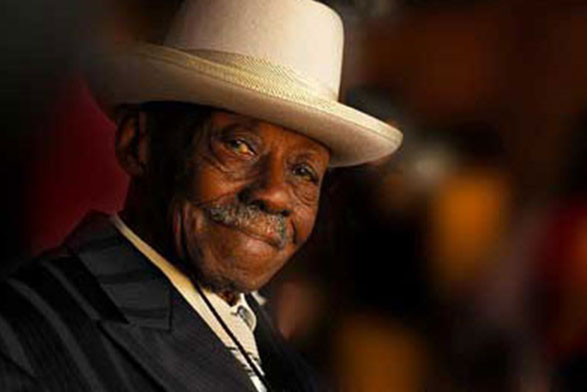
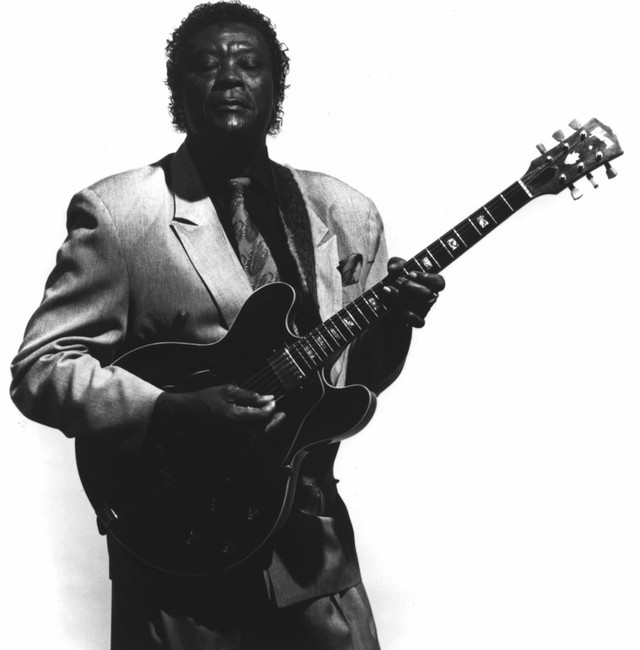
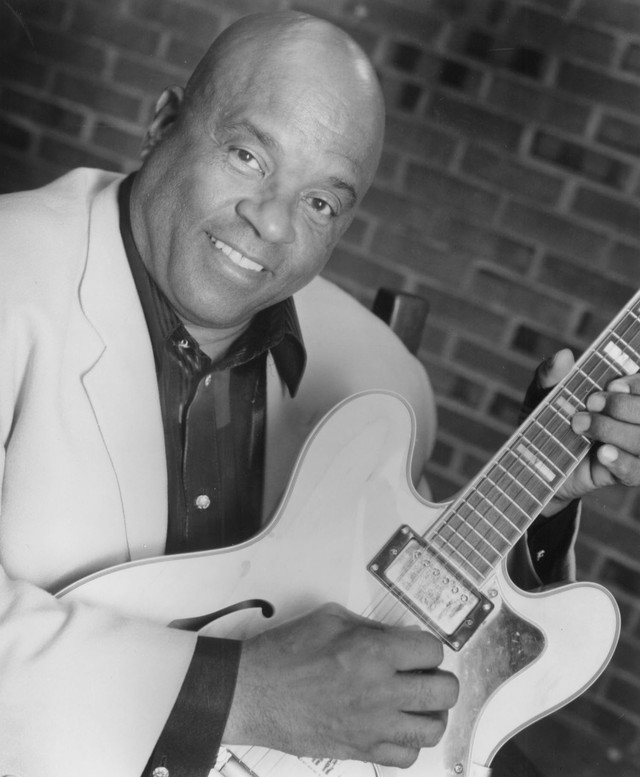
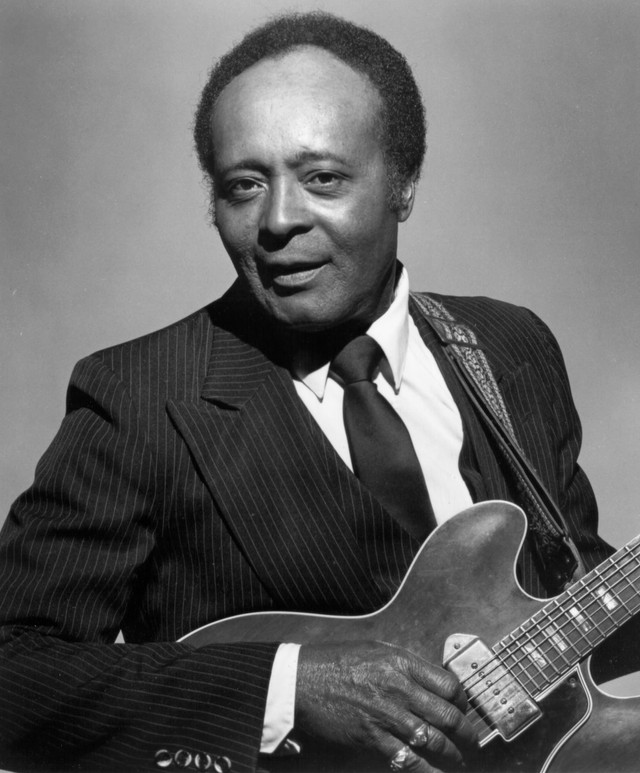
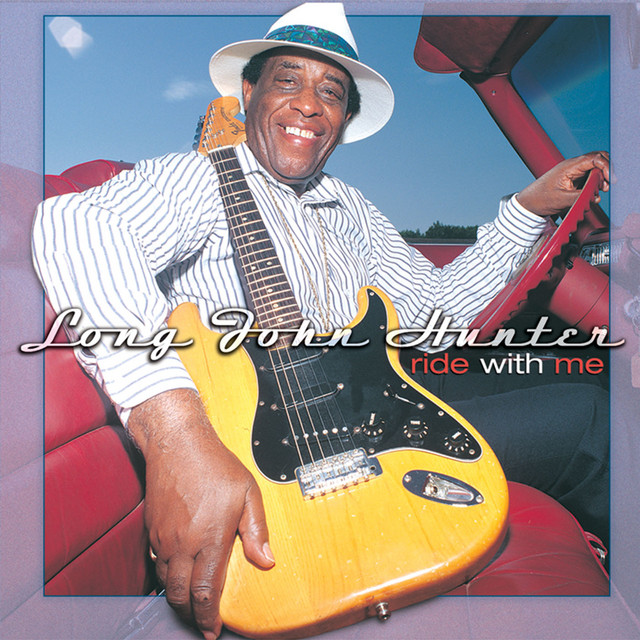
Despite recording somewhat sparingly following his debut as a leader in 1959 on Elko Records with the storming rocker "Hello My Darling," Louisiana-born guitarist Phillip Walker enjoyed a sterling reputation as a contemporary blues guitarist with a distinctive sound honed along the Gulf Coast during the '50s. A teenaged Walker picked up his early licks around Port Arthur, Texas from the likes of <a href="spotify:artist:4aoS04mCVj1CMam1LiHngo">Gatemouth Brown</a>, <a href="spotify:artist:7z5ixtgDexP9ffmFvFoRlW">Long John Hunter</a>, <a href="spotify:artist:6EZzVXM2uDRPmnHWq9yPDE">Lightnin' Hopkins</a>, and <a href="spotify:artist:56tyBq8Ta1BdSTBs0gGhog">Lonnie "Guitar Junior" Brooks</a>. Zydeco king <a href="spotify:artist:3LzQVHowQWbzJBwBBNRPfY">Clifton Chenier</a> hired Walker in 1953 as his guitarist, a post he held for three and a half years. In 1959, Walker moved to Los Angeles, waxing "Hello My Darling" for producer J.R. Fulbright (a song he would revive several times thereafter, most effectively for the short-lived <a href="spotify:search:label%3A%22Playboy%22">Playboy</a> logo). Scattered 45s emerged during the '60s, but it wasn't until he joined forces with young producer Bruce Bromberg in 1969 that Walker began to get a studio foothold. Their impressive work together resulted in a 1973 album for <a href="spotify:search:label%3A%22Playboy%22">Playboy</a> (reissued by <a href="spotify:search:label%3A%22HighTone%22">HighTone</a> in 1989), The Bottom of the Top, that remained one of Walker's finest recordings.
Walker cut a fine follow-up set for Bromberg's Joliet label, Someday You'll Have These Blues, that showcased his tough Texas guitar style (it was later reissued by <a href="spotify:search:label%3A%22Alligator%22">Alligator</a>). Sets for <a href="spotify:search:label%3A%22Rounder%22">Rounder</a> and <a href="spotify:search:label%3A%22HighTone%22">HighTone</a> were high points of the 1980s for the guitarist, and 1994's Big Blues from Texas (reissued in 1999) continued his string of worthy material. His 1995 set for <a href="spotify:search:label%3A%22Black+Top%22">Black Top</a>, Working Girl Blues, showed Walker at peak operating power, combining attractively contrasting tracks waxed in New Orleans and Los Angeles. I Got a Sweet Tooth followed in 1998, and displayed no letdown in quality or power. Walker got together with fellow blues legends <a href="spotify:artist:56tyBq8Ta1BdSTBs0gGhog">Lonnie Brooks</a> and <a href="spotify:artist:7z5ixtgDexP9ffmFvFoRlW">Long John Hunter</a> in 1999 to record Lone Star Shootout for <a href="spotify:search:label%3A%22Alligator%22">Alligator</a>. Walker was featured as lead vocalist on four tracks and backed the others on the rest of the record. In the fall of 2002, a live recording of a spring concert was released on <a href="spotify:search:label%3A%22M.C.+Records%22">M.C. Records</a>, and 2007 saw the release of Going Back Home by <a href="spotify:search:label%3A%22Delta+Groove+Productions%22">Delta Groove Productions</a>. Phillip Walker died in July 2010 at the age of 73. ~ Bill Dahl, Rovi
Walker cut a fine follow-up set for Bromberg's Joliet label, Someday You'll Have These Blues, that showcased his tough Texas guitar style (it was later reissued by <a href="spotify:search:label%3A%22Alligator%22">Alligator</a>). Sets for <a href="spotify:search:label%3A%22Rounder%22">Rounder</a> and <a href="spotify:search:label%3A%22HighTone%22">HighTone</a> were high points of the 1980s for the guitarist, and 1994's Big Blues from Texas (reissued in 1999) continued his string of worthy material. His 1995 set for <a href="spotify:search:label%3A%22Black+Top%22">Black Top</a>, Working Girl Blues, showed Walker at peak operating power, combining attractively contrasting tracks waxed in New Orleans and Los Angeles. I Got a Sweet Tooth followed in 1998, and displayed no letdown in quality or power. Walker got together with fellow blues legends <a href="spotify:artist:56tyBq8Ta1BdSTBs0gGhog">Lonnie Brooks</a> and <a href="spotify:artist:7z5ixtgDexP9ffmFvFoRlW">Long John Hunter</a> in 1999 to record Lone Star Shootout for <a href="spotify:search:label%3A%22Alligator%22">Alligator</a>. Walker was featured as lead vocalist on four tracks and backed the others on the rest of the record. In the fall of 2002, a live recording of a spring concert was released on <a href="spotify:search:label%3A%22M.C.+Records%22">M.C. Records</a>, and 2007 saw the release of Going Back Home by <a href="spotify:search:label%3A%22Delta+Groove+Productions%22">Delta Groove Productions</a>. Phillip Walker died in July 2010 at the age of 73. ~ Bill Dahl, Rovi
Monthly Listeners
4,227
Monthly Listeners History
Track the evolution of monthly listeners over the last 28 days.
Followers
2,664
Followers History
Track the evolution of followers over the last 28 days.
Top Cities



Related Artists

Zuzu Bollin