Data may be outdated
Last updated: 9 months ago — Click refresh to get the latest statistics.
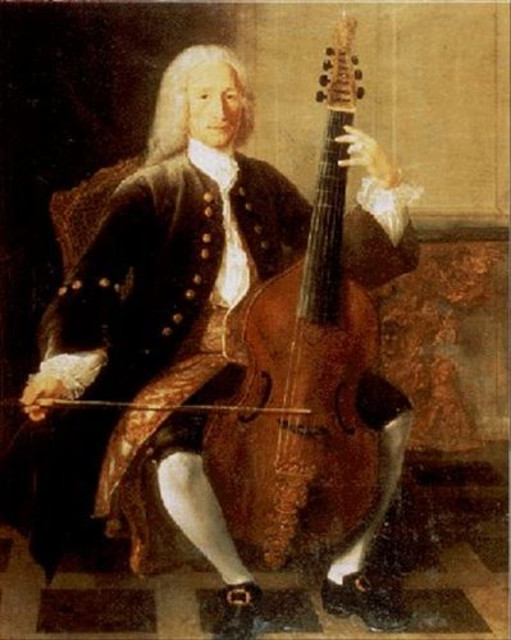
Antoine Forqueray was a French bass viol virtuoso, and one of King Louis XIV's favorite performers. His inventive and technically demanding compositions are some of the first important works for the bass viol.
Forqueray was born in Paris in 1672, and his father, Michel, was a master dancer and a violinist. Forqueray initially learned the basse de violon from his father, and by the time he was ten years old he had become a very talented performer. This attracted the attention of King Louis XIV, who invited the boy to play for him at his court. The king was so impressed with the performance that he arranged for Forqueray to learn the bass viol from the musicians employed at his court. He studied with the king's violists for around six years and was appointed Musician ordinaire de la chambre du roy in 1689. In this position, he was responsible for daily performances for the king and other important guests, and he also gave music lessons to the youngest members of the royal family. Musician and writer Jean-Benjamin Francois de la Borde wrote that Forqueray was the most accomplished living violist by the time he was 20 years old.
In 1697, he married Henriette-Angelique Houssu, who was a harpsichordist and the daughter of an organist. After two years together, Houssu gave birth to <a href="spotify:artist:1FVqWn6PO8PkJs2uDFlKni">Jean-Baptiste</a>, who also became a prominent musician as an adult. Forqueray and Houssu performed together initially, but Forqueray's difficult personality put a strain on their relationship and the marriage was turbulent. After several short separations, they ended the marriage in 1710. His relationship with his son was equally dysfunctional, and his jealousy of the boy's prodigious virtuosity exacerbated his behavior. Aside from his unfortunate personality, Forqueray remained in high demand as a violist for the remainder of his career. After his retirement in 1730, he moved to a country estate in Mantes-la-Jolie, where he continued to collect his full salary and lived lavishly until his death in 1745. As a performer, he was determined to play with the same high level of virtuosity as the Italian violinists, and this was also reflected in his compositions. Most of his surviving works were published after his death in 1747 by his son in the book Pieces de viole. ~ RJ Lambert, Rovi
Forqueray was born in Paris in 1672, and his father, Michel, was a master dancer and a violinist. Forqueray initially learned the basse de violon from his father, and by the time he was ten years old he had become a very talented performer. This attracted the attention of King Louis XIV, who invited the boy to play for him at his court. The king was so impressed with the performance that he arranged for Forqueray to learn the bass viol from the musicians employed at his court. He studied with the king's violists for around six years and was appointed Musician ordinaire de la chambre du roy in 1689. In this position, he was responsible for daily performances for the king and other important guests, and he also gave music lessons to the youngest members of the royal family. Musician and writer Jean-Benjamin Francois de la Borde wrote that Forqueray was the most accomplished living violist by the time he was 20 years old.
In 1697, he married Henriette-Angelique Houssu, who was a harpsichordist and the daughter of an organist. After two years together, Houssu gave birth to <a href="spotify:artist:1FVqWn6PO8PkJs2uDFlKni">Jean-Baptiste</a>, who also became a prominent musician as an adult. Forqueray and Houssu performed together initially, but Forqueray's difficult personality put a strain on their relationship and the marriage was turbulent. After several short separations, they ended the marriage in 1710. His relationship with his son was equally dysfunctional, and his jealousy of the boy's prodigious virtuosity exacerbated his behavior. Aside from his unfortunate personality, Forqueray remained in high demand as a violist for the remainder of his career. After his retirement in 1730, he moved to a country estate in Mantes-la-Jolie, where he continued to collect his full salary and lived lavishly until his death in 1745. As a performer, he was determined to play with the same high level of virtuosity as the Italian violinists, and this was also reflected in his compositions. Most of his surviving works were published after his death in 1747 by his son in the book Pieces de viole. ~ RJ Lambert, Rovi
Monthly Listeners
8,839
Monthly Listeners History
Track the evolution of monthly listeners over the last 28 days.
Followers
4,520
Followers History
Track the evolution of followers over the last 28 days.
Top Cities
147 listeners

138 listeners

125 listeners

113 listeners

96 listeners

Related Artists
Vittorio Ghielmi
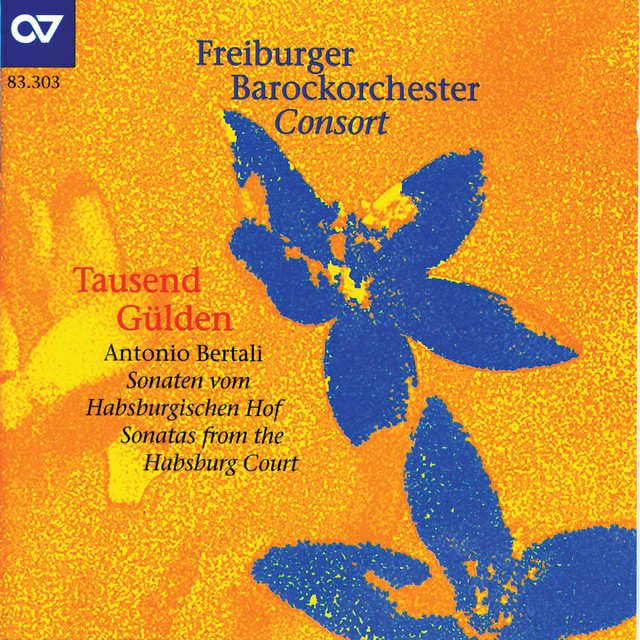
Antonio Bertali
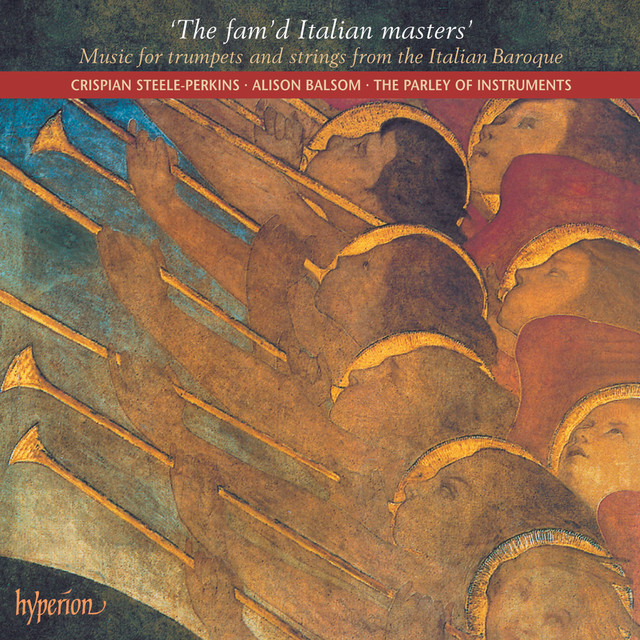
Giovanni Battista Vitali
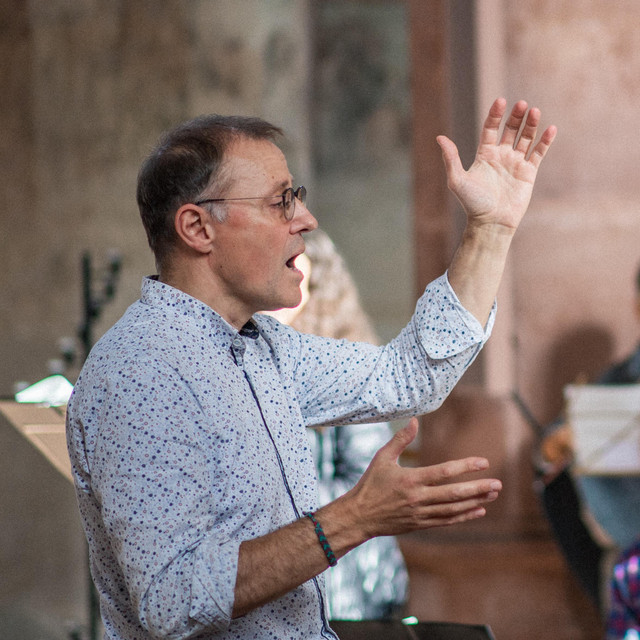
Jörg-Andreas Bötticher

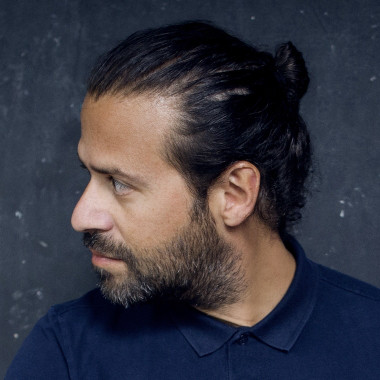
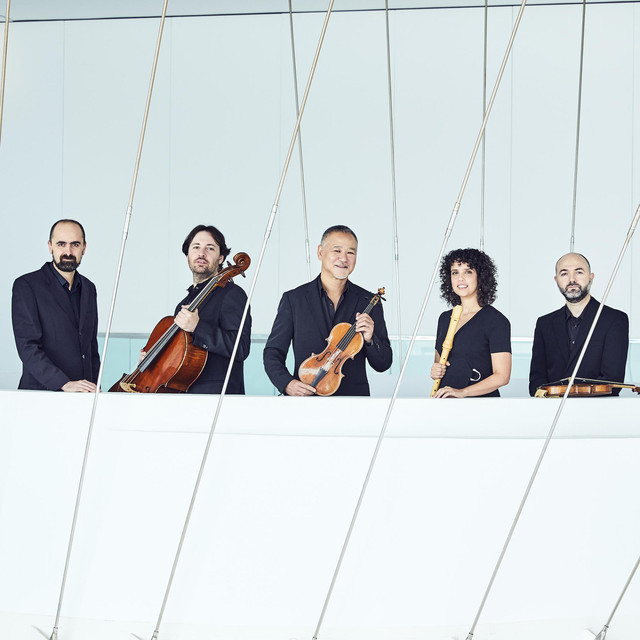
La Ritirata
Louis Couperin
François Fernandez
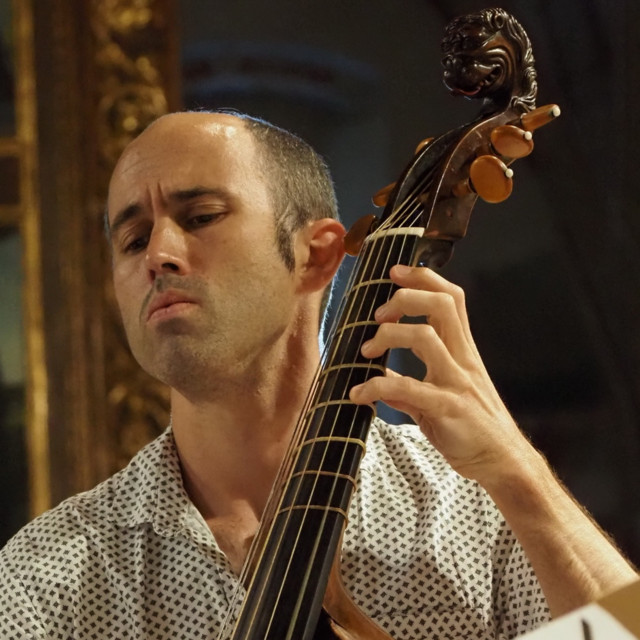
Robert Smith

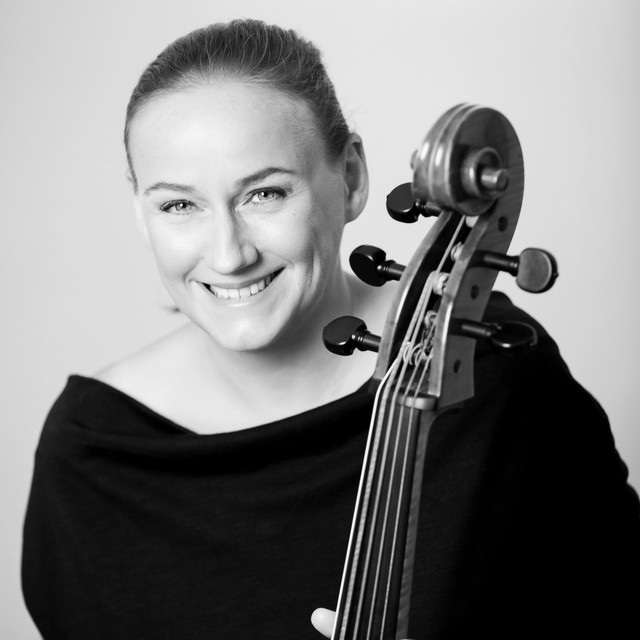
Amanda Keesmaat
Josetxu Obregon

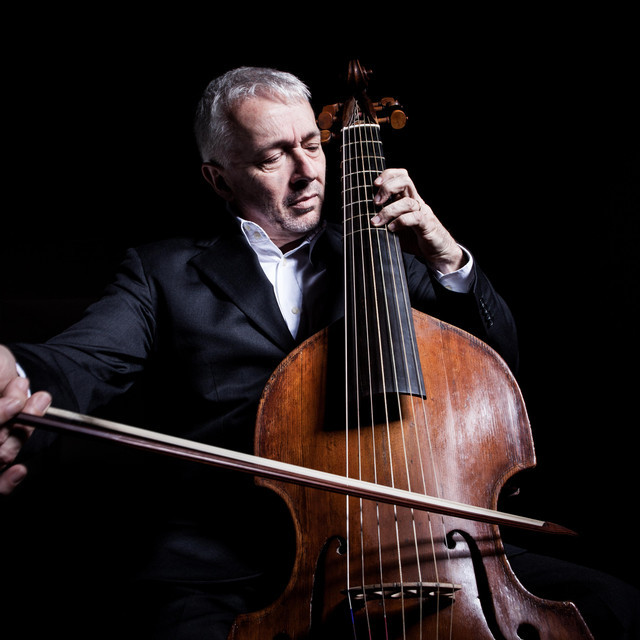

Jacques Champion de Chambonnières

Susie Napper

Johann Jakob Froberger
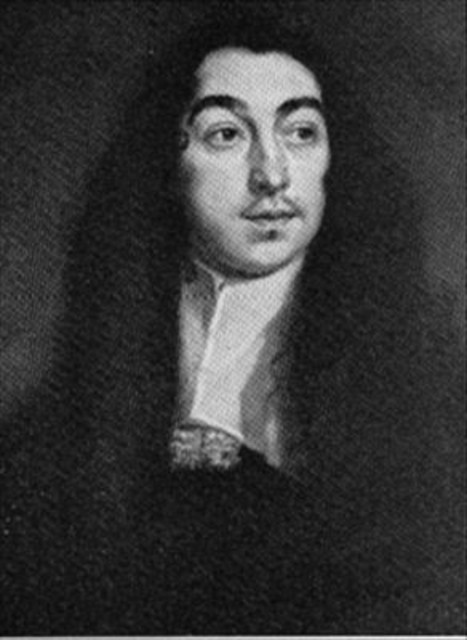
Matthew Locke
William Lawes
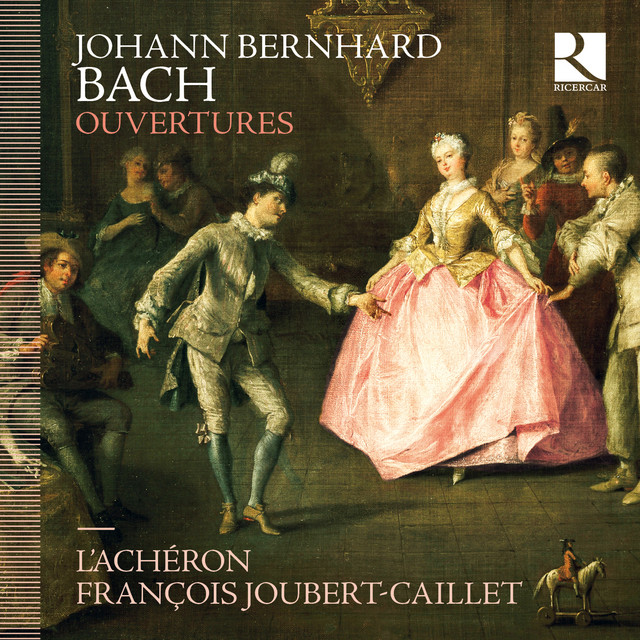
Johann Bernhard Bach
Nicola Matteis
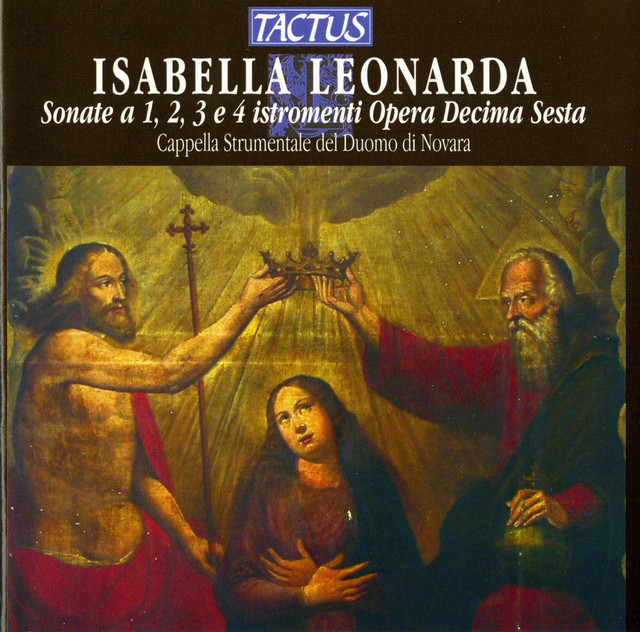
Isabella Leonarda

Joseph Bodin de Boismortier
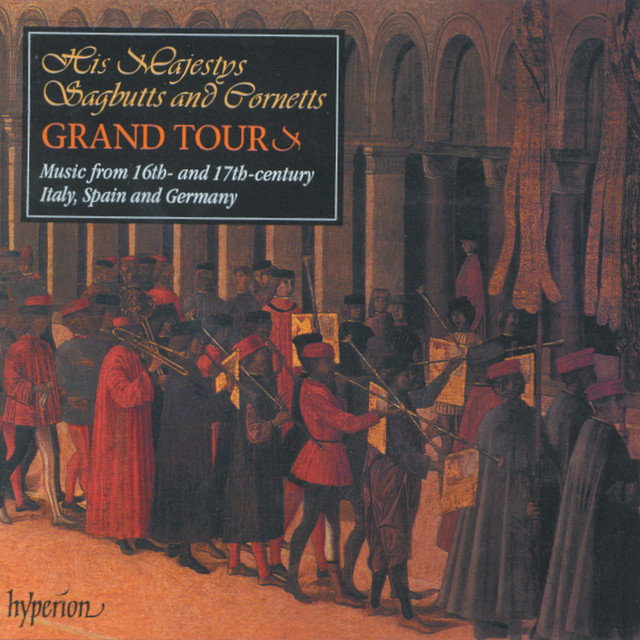
Tarquinio Merula
Jerome Hantai
Christopher Simpson
Les Voix Humaines
Jonathan Dunford
Tragicomedia
Ars Antiqua Austria
Alex McCartney
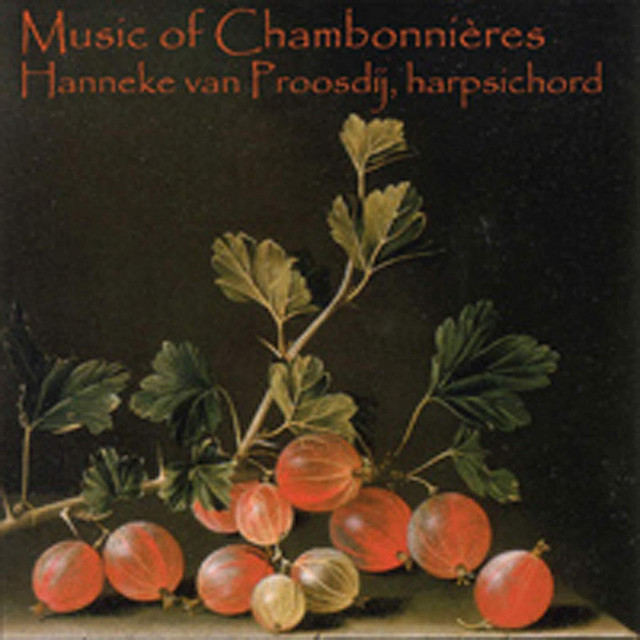
Hanneke van Proosdij