Data may be outdated
Last updated: 2 weeks ago — Click refresh to get the latest statistics.
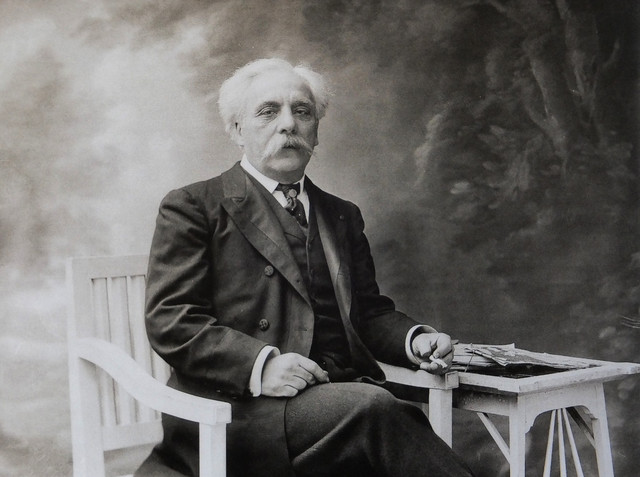
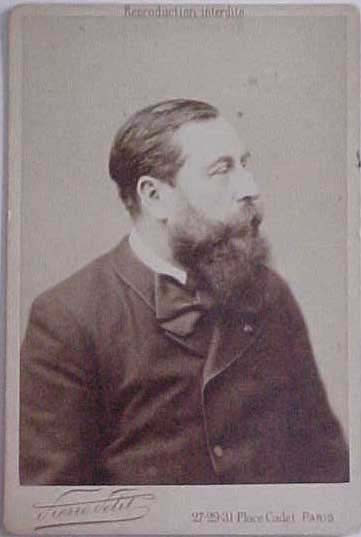
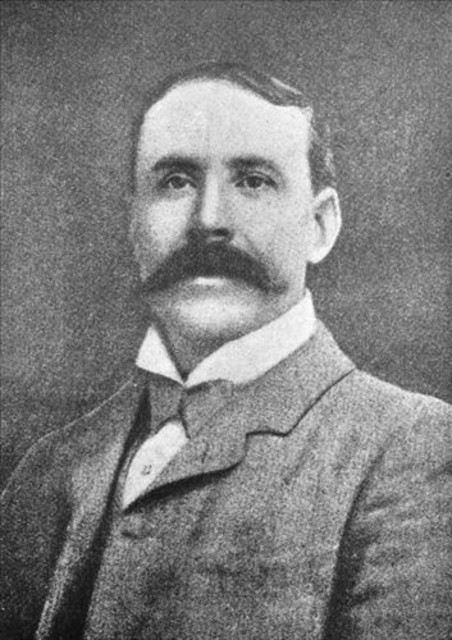
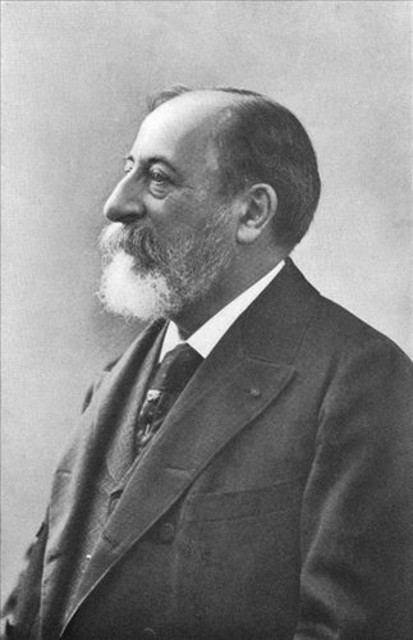
Saint-Saëns was born in Paris on October 9, 1835. He was one of the most precocious musicians ever, beginning piano lessons with his aunt at two-and-a-half and composing his first work at three. At age seven he studied composition with Pierre Maledin. When he was ten, he gave a concert that included Beethoven's Third Piano Concerto, <a href="spotify:artist:4NJhFmfw43RLBLjQvxDuRS">Mozart</a>'s B flat Concerto, K. 460, along with works by <a href="spotify:artist:5aIqB5nVVvmFsvSdExz408">Bach</a>, <a href="spotify:artist:1QL7yTHrdahRMpvNtn6rI2">Handel</a>, and Hummel. In his academic studies, he displayed the same genius, learning languages and advanced mathematics with ease and celerity. He would also develop keen, lifelong interests in geology and astronomy.
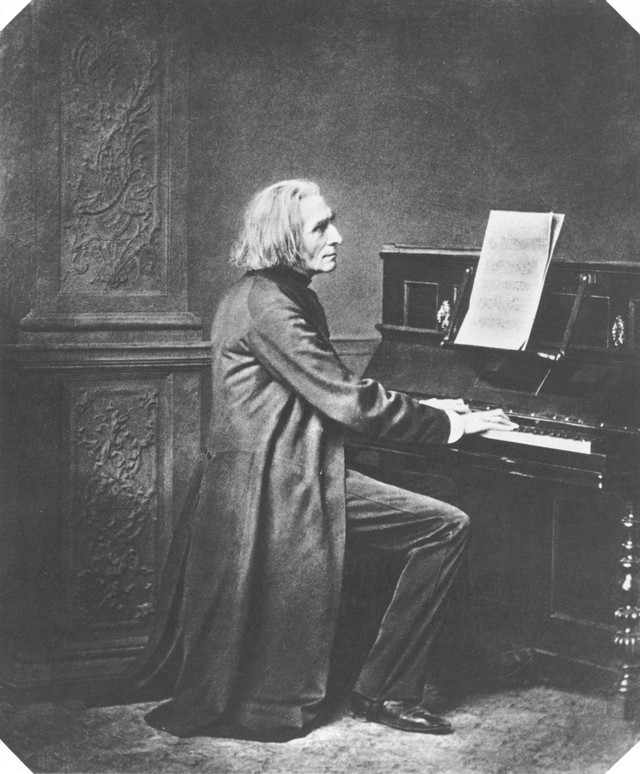
In 1848, he entered the Paris Conservatory and studied organ and composition, the latter with Halévy. By his early twenties, following the composition of two symphonies, he had won the admiration and support of <a href="spotify:artist:11T8SOX82xraocZzUXzkvM">Berlioz</a>, <a href="spotify:artist:1385hLNbrnbCJGokfH2ac2">Liszt</a>, <a href="spotify:artist:42Vmza0WYHdhsgxFmf9Tui">Gounod</a>, <a href="spotify:artist:0roWUeP7Ac4yK4VN6L2gF4">Rossini</a>, and other notable figures. From 1853 to 1876, he held church organist posts; he also taught at the École Niedermeyer (1861-1865). He composed much throughout his early years, turning out the 1853 Symphony in F ("Urbs Roma"), a Mass (1855) and several concertos, including the popular second, for piano (1868).
In 1875, Saint-Saëns married the 19-year-old Marie Truffot, bringing on perhaps the saddest chapter in his life. The union produced two children who died within six weeks of each other, one from a four-story fall. The marriage ended in 1881. Oddly, this dark period in his life produced some of his most popular works, including Danse macabre (1875) and Samson et Dalila (1878). After the tragic events of his marriage, Saint-Saëns developed a fondness for <a href="spotify:artist:2gClsBep1tt1rv1CN210SO">Fauré</a> and his family, acting as a second father to <a href="spotify:artist:2gClsBep1tt1rv1CN210SO">Fauré</a>'s children.
But he also remained very close to his mother, who had opposed his marriage. When she died in 1888, the composer fell into a deep depression, even contemplating suicide for a time. He did much travel in the years that followed and developed an interest in Algeria and Egypt, which eventually inspired him to write Africa (1891) and his Piano Concerto No. 5, the "Egyptian". He also turned out works unrelated to exotic places, such as his popular and most enduring serious composition, the Symphony No. 3.
Curiously, after 1890, Saint-Saëns' music was regarded with some condescension in his homeland, while in England and the United States he was hailed as France's greatest living composer well into the twentieth century. Saint-Saëns experienced an especially triumphant concert tour when he visited the U.S. in 1915. In the last two decades of his life, he remained attached to his dogs and was largely a loner. He died in Algeria on December 16, 1921.
Monthly Listeners
4.4 million
Monthly Listeners History
Track the evolution of monthly listeners over the last 28 days.
Followers
465,911
Followers History
Track the evolution of followers over the last 28 days.
Total Streams
2.4 billion
Total Streams History
Track the evolution of total streams over the last 28 days. This data is calculated from all tracks listed in the artist's discography.