Data may be outdated
Last updated: 9 months ago — Click refresh to get the latest statistics.
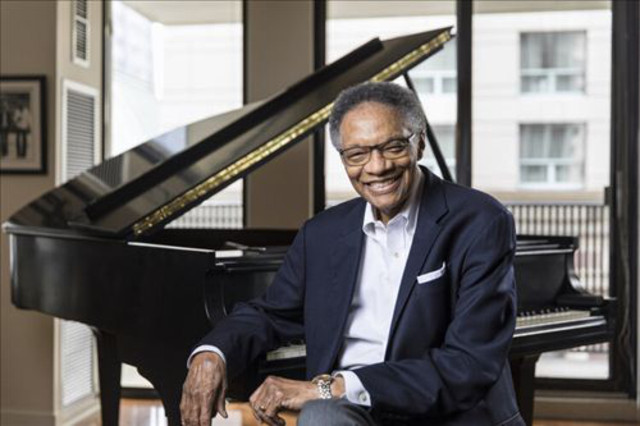
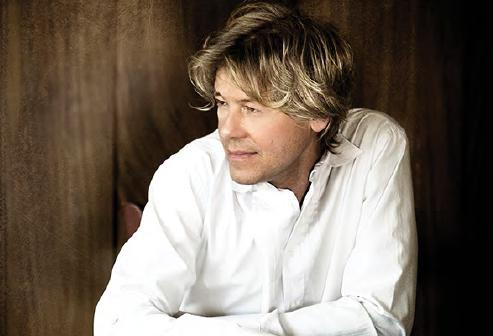
Since the 1960s, Dave Grusin has been a successful performer, producer, composer, record label executive, arranger, and bandleader. While completely conversant in jazz piano -- initially evidenced by 1965's hard bop scorcher Kaleidoscope -- his playing leans more toward contemporary jazz. As a film and television composer he's penned some of the most recognizable themes and scores of the last half-century including The Graduate, Candy, The Milagro Beanfield War, The Fabulous Baker Boys, and dozens more. He's released more than 70 albums, including soundtracks, while his playing, producing, composing, and arranging credits number in the thousands. He's won an Oscar and ten Grammys. During the 1980s and '90s he released a series of high-charting smooth jazz recordings that include Mountain Dance, Out of the Shadows, and Night-Lines. Grusin and guitarist <a href="spotify:artist:1nDqTUspmq8IXhcEZT93iq">Lee Ritenour</a> have worked together for decades, resulting in albums such as Harlequin (1985), Two Worlds (2000), Amparo (2008), and Brasil (2024).
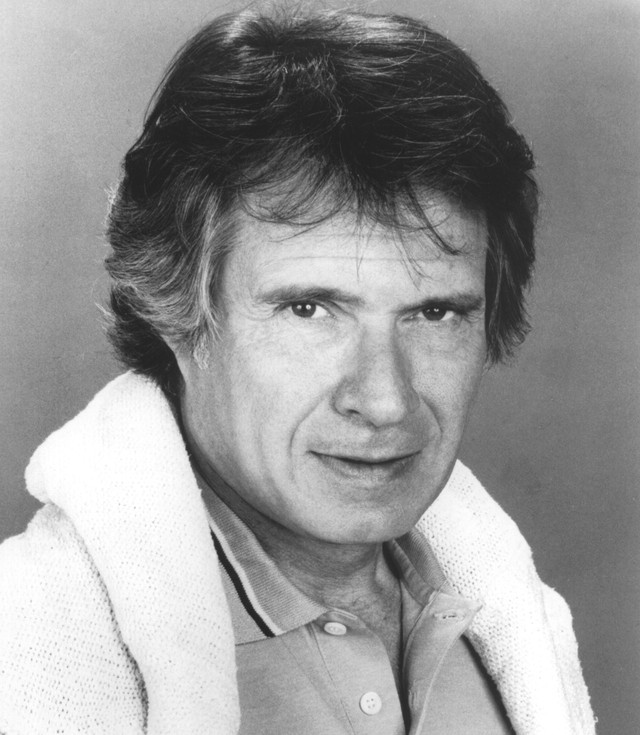
Grusin was born in Littleton, Colorado, to Latvian emigres. His father Henri was a violinist, his mother Rosabelle, a pianist -- both were accomplished. His younger brother <a href="spotify:artist:1ZB9cjiPE96q1LlhED07Wd">Don</a> is also a pianist, arranger, and producer. Grusin began studying piano at age four with his mother. While classical music was what he heard and played at home, his parents took him to concerts in Denver where he caught jazz performers including <a href="spotify:artist:0SvD7DL5CQTbcrMtns1US8">Ray Brown</a>, <a href="spotify:artist:5V0MlUE1Bft0mbLlND7FJz">Ella Fitzgerald</a>, <a href="spotify:artist:0BhFfJmScFj7OzqVaDqnSv">Hank Jones</a>, <a href="spotify:artist:2YODXXiVE8ABc0TfihLOFj">Gene Krupa</a>, <a href="spotify:artist:6HzzZqLS76PGbKaw6dIMHZ">Illinois Jacquet</a>, and <a href="spotify:artist:6k3DSHCSh4p2EuIqm9hIU6">Flip Phillips</a>.
Grusin grew up in an agricultural community. His choice of vocation was to become a veterinarian. Three weeks before entering college, he switched to music (Grusin didn't want to jettison the effort his parents put into his musical education). At the University of Colorado at Boulder, he majored in piano and minored in clarinet. While in school he played in local clubs backing artists such as <a href="spotify:artist:4vc7AQ05GYmIYTzly9xjbp">Terry Gibbs</a>, <a href="spotify:artist:3u7Tz2oLTRPG9Cn7PcuZ2q">Johnny Smith</a>, and <a href="spotify:artist:5QGnprJtpZmk3OiDqspPlB">Anita O’Day</a>.
After graduating, Grusin moved his young family to New York City where he planned on pursuing graduate studies at the Manhattan School of Music, and supporting himself on the Big Apple's nightclub scene. Discovering he couldn't get a union card for six months, he took to playing gigs out of town. A friend let him know that singer <a href="spotify:artist:4sj6D0zlMOl25nprDJBiU9">Andy Williams</a> needed a session and touring pianist. Grusin got the gig and left school to travel extensively.
When <a href="spotify:artist:4sj6D0zlMOl25nprDJBiU9">Williams</a> moved to Los Angeles to host a weekly variety TV show, Grusin became his musical director and arranger. The pianist signed his first solo record deal with <a href="spotify:search:label%3A%22Epic%22">Epic</a> and recorded his first two albums in 1962: Piano Strings & Moonlight, an easy listening jazz session where he was backed by bassist <a href="spotify:artist:5tMntK802KgUTLHsIfPwk4">Milt Hinton</a>, drummer Ossie Johnson, and chamber strings conducted by Grusin. His second album, A Jazz Version of the Broadway Hit Subways Are for Sleeping, with <a href="spotify:artist:5tMntK802KgUTLHsIfPwk4">Hinton</a>, trumpeter <a href="spotify:artist:6DbqS0X8cSFOPGsvyze2yh">Thad Jones</a>, saxophonist <a href="spotify:artist:1UBOhgHqPdFDiDW3qF1y1d">Frank Foster</a>, and drummer <a href="spotify:artist:55Ovx8Mif4CNrIxuITbjhd">Don Lamond</a>, netted a radio single in the title track. In 1964, Grusin played on and arranged albums for <a href="spotify:artist:4sj6D0zlMOl25nprDJBiU9">Williams</a> (Call Me Irresponsible & Other Hit Songs from the Movies), and <a href="spotify:artist:602DnpaSXJB4b9DZrvxbDc">Peggy Lee</a> (In the Name of Love and many others).
After leaving <a href="spotify:artist:4sj6D0zlMOl25nprDJBiU9">Williams</a>' show in late 1964 (he continued as the singer's recording and touring pianist), Grusin released the hard bop scorcher Kaleidoscope on <a href="spotify:search:label%3A%22Columbia%22">Columbia</a> in 1965. His band included bassist <a href="spotify:artist:3K4JRC7kRVAJoD9py8Rup6">Bob Cranshaw</a>, <a href="spotify:artist:6DbqS0X8cSFOPGsvyze2yh">Jones</a>, <a href="spotify:artist:1UBOhgHqPdFDiDW3qF1y1d">Foster</a>, and drummer Larry Rosen. It received enviable reviews. He continued working with <a href="spotify:artist:602DnpaSXJB4b9DZrvxbDc">Lee</a> on a host of singles (including "Big Spender") and the album Guitars à la Lee before arranging the <a href="spotify:artist:4X8QFzZ1HqwPfwDfyjtwXC">Mel Tormé</a> hit "The Power of Love" in 1966.
In 1967, after extensive work writing and arranging for television (Man from U.N.C.L.E. and others), he recorded his first original film score for Norman Lear's comedy Divorce American Style in 1967. The year also saw him join guitarist <a href="spotify:artist:1E4UIKgZgGsuAZ4CFS0Cel">Howard Roberts</a>' group as an organist on the albums Jaunty-Jolly! and Guilty! He also composed, arranged, and conducted <a href="spotify:artist:1RP2UpEaRzkF0Id3JigqD8">Roger Miller</a>'s Waterhole #3. Grusin worked as an arranger for <a href="spotify:artist:6hCsqVHnBo1BVQWuIjRMkL">Sergio Mendes & Brasil 66</a> on Look Around, subsequent singles, and the solo offering Sergio Mendes' Favorite Things.
1968 was notable for two of Grusin's important film scores: he composed the score for The Heart Is a Lonely Hunter and wrote six of the 14 songs for The Graduate. Both films were hits and The Graduate changed American cinema standards.
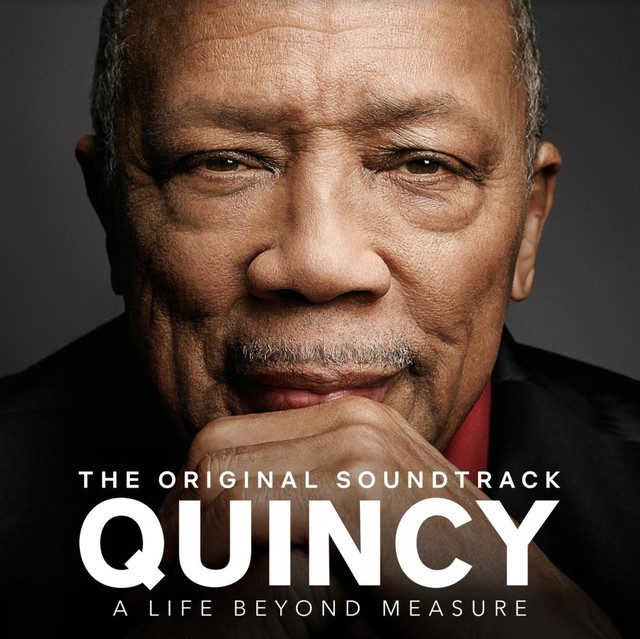
He also composed the original music for the cult film Candy. In 1969 he arranged for <a href="spotify:artist:65c5si0ePAwkOCn4M35Ho7">Mendes</a>' group (on albums Crystal Illusions and Ye-Me-Le), but also continued his tenure with <a href="spotify:artist:1E4UIKgZgGsuAZ4CFS0Cel">Roberts</a>, orchestrated for <a href="spotify:artist:1PqdKx88nAgPolRy079lMl">Herb Alpert</a>, and wrote for <a href="spotify:artist:3rxIQc9kWT6Ueg4BhnOwRK">Quincy Jones</a>, <a href="spotify:artist:5r2DrmyTTiDTQaFz3tyX8W">Young-Holt Unlimited</a>, and <a href="spotify:artist:1PCZpxHJz7WAMF8EEq8bfc">the Byrds</a>. (He wrote "Child of the Universe," the B-side of "Wasn't Born to Follow.") Grusin also penned the TV theme for It Takes a Thief.
During the '70s, Grusin did session work, orchestrations, and arrangements for a diverse range of artists including <a href="spotify:artist:65c5si0ePAwkOCn4M35Ho7">Mendes</a>, <a href="spotify:artist:1E4UIKgZgGsuAZ4CFS0Cel">Roberts</a>, and <a href="spotify:artist:6DbqS0X8cSFOPGsvyze2yh">Jones</a>, but also <a href="spotify:artist:6ssIHNGjiohpzxmB3tDIgv">Beaver & Krause</a>, <a href="spotify:artist:0JbqyQSsMK7TavqlR0yNON">Bobbi Humphrey</a>, <a href="spotify:artist:2CV1vj08wUVXTAMs2Ho35r">Jon Lucien</a>, <a href="spotify:artist:07CTbCcLVHYwZqp1YMdf4t">Angela Bofill</a>, <a href="spotify:artist:1ThoqLcyIYvZn7iWbj8fsj">Bill Withers</a>, <a href="spotify:artist:3YR92OLKlvkK5oKNekSqXe">Al Jarreau</a>, <a href="spotify:artist:6HkwRgGXuqTufwpEh2dwGK">John Klemmer</a>, <a href="spotify:artist:6zFYqv1mOsgBRQbae3JJ9e">Billy Joel</a>, <a href="spotify:artist:0JxChc2w5fwTGbXKfc4cRd">Patti Austin</a>, the <a href="spotify:artist:6h3rSZ8VLK7a5vXjEmhfuD">Brothers Johnson</a>, <a href="spotify:artist:0ffBb2SCAQzfwrs1PoYSiW">Jeremy Steig</a>, <a href="spotify:artist:05YVYeV4HxYp5rrWalvuE1">Grover Washington, Jr.</a>, Harvey Mason, <a href="spotify:artist:00Nnsh2ykMBYnCDsSFGXSY">Earl Klugh</a>, and many more. He also scored and recorded the soundtracks for The Friends of Eddie Coyle (1973), The Midnight Man (1974), Three Days of the Condor, The Yakuza, Bobby Deerfield, and The Champ. He composed television themes for Maude (1973), Good Times (1974), and Baretta (1975).
In 1976, his working relationship with <a href="spotify:artist:1nDqTUspmq8IXhcEZT93iq">Lee Ritenour</a> began when he played clavinet with an all-star fusion band on First Course. He played on many of the guitarist's recordings and has remained a collaborator since the '70s. Grusin and business partner Larry Rosen (the drummer he hired for <a href="spotify:artist:4sj6D0zlMOl25nprDJBiU9">Williams</a>' band) began to independently produce recordings. Grusin released his first album in a decade with Direct-To-Disc titled Discovered Again, performing original film themes and compositions. In 1977, he issued the star-studded jazz-funk masterpiece One of a Kind for <a href="spotify:search:label%3A%22Polydor%22">Polydor</a>. His sidemen included <a href="spotify:artist:05YVYeV4HxYp5rrWalvuE1">Washington, Jr.</a>, <a href="spotify:artist:0xJExpmKrz0ZtdlDemVzPk">Dave Valentin</a>, <a href="spotify:artist:4wnzivx3OQ3vjrySAdTdJP">Ron Carter</a>, <a href="spotify:artist:42zoEf7IcpDSvdQjcrSpHl">Steve Gadd</a>, and <a href="spotify:artist:1RJ851hDpoU9UUIiC9duIU">Ralph MacDonald</a>. (He later reissued the date on his own <a href="spotify:search:label%3A%22GRP+Production%22">GRP Production</a>s label.) Grusin closed the decade with the smash soundtrack for The Champ. That year also saw him working with <a href="spotify:artist:1nDqTUspmq8IXhcEZT93iq">Ritenour</a>, <a href="spotify:artist:2hGDAhezELu9olOncSWZYI">Sadao Watanabe</a>, and <a href="spotify:artist:4Ytvi4r3WPIZmEw1Ndmkp9">Tom Browne</a>. Grusin composed the instrumental part of The Electric Horseman score while <a href="spotify:artist:5W5bDNCqJ1jbCgTxDD0Cb3">Willie Nelson</a> added vocal originals and a cover of <a href="spotify:artist:0yDmbRjVTQsQd3OnMs5s3I">Gregg Allman</a>'s "Midnight Rider."
Despite all the critical and commercial success of the previous decade, Grusin's star continued to rise throughout the 80s. His and Rosen's <a href="spotify:search:label%3A%22GRP%22">GRP</a> label took off. He released the celebrated Mountain Dance in 1980, which has long been considered a smooth jazz masterpiece. It appeared on <a href="spotify:search:label%3A%22GRP%22">GRP</a> through <a href="spotify:search:label%3A%22Arista%22">Arista</a>. He also recorded Dave Grusin & The GRP All-Stars with Special Guest Sadao Watanabe on <a href="spotify:search:label%3A%22JVC%22">JVC</a> in Japan. The following year he scored the award-winning films Tootsie and On Golden Pond. In 1982 Grusin issued the breakbeat-centric Out of the Shadows, one of his most acclaimed albums. It spent nine weeks in the Top 200. He followed with the bestselling Night-Lines in 1984. Its studio cast included <a href="spotify:artist:3iuobQyYhofKRr5W6HZoKt">Phoebe Snow</a>, <a href="spotify:artist:7vNcTk9TgKF0qDsS87nWGE">David Sanborn</a>, and bassists <a href="spotify:artist:6fmq5mv6HnduZdlTOEYBC9">Marcus Miller</a> and Lincoln Goines. Its hit single, "Theme from St. Elsewhere," was composed by Grusin for the television series. He followed it with the award-winning Harlequin with <a href="spotify:artist:1nDqTUspmq8IXhcEZT93iq">Ritenour</a>; it also included songs and vocals by <a href="spotify:artist:64neTfIIdYKNhJ9zxoz3jF">Ivan Lins</a>. It placed at number two on the jazz charts and received a pair of Grammy nominations. That year also saw him arrange, conduct, and record the score to director Michael Cimino's The Pope of Greenwich Village. In 1985, Grusin scored the smash film Goonies, followed by Lucas in 1986.
In 1987, the pianist, <a href="spotify:artist:1nDqTUspmq8IXhcEZT93iq">Ritenour</a>, and a host of jazz-funk luminaries issued Cinemagic, composed entirely of contemporary jazz readings of Grusin's film themes. The following year he and brother <a href="spotify:artist:1ZB9cjiPE96q1LlhED07Wd">Don</a> collaborated on Sticks and Stones. The set was performed entirely by the siblings playing a variety of keyboards, samplers, and drum machines. Remarkably, even among the most staid jazz critics, it won praise. 1988 was notable for another reason, however: Grusin won an Oscar for his charting score to the film The Milagro Beanfield War. In 1989, he received an Oscar nomination for his score and soundtrack to the Fabulous Baker Boys. He also released the charting album, Migration that offered a handful of new compositions as well as the central suite of themes from The Milagro Beanfield War.
Grusin kicked off the '90s with the acclaimed score to the Robert Redford/<a href="spotify:artist:4K1DhDAFfHGz22mZdmj98n">Lena Olin</a> vehicle Havana. Its music was performed by a cast that included <a href="spotify:artist:1nDqTUspmq8IXhcEZT93iq">Ritenour</a>, Mason, <a href="spotify:artist:1jRpqsaOBwxfaaHFIaSeek">Alex Acuña</a>, <a href="spotify:artist:6iyIbAydXPDNz1yYFl7A9h">Brian Bromberg</a>, <a href="spotify:artist:08QXOP6MA0u0deBjYYmlZp">Don Menza</a>, Abe Laboriel, and others. In 1991 his album The Gershwin Connection topped the jazz albums chart. Its cast included <a href="spotify:artist:5olDKSsFhhmwh8UCWwKtpq">Chick Corea</a>, <a href="spotify:artist:4KmKbbEq6PMnW2TdkrbBIH">John Patitucci</a>, <a href="spotify:artist:3ISnQ3eaEt4SEnd7GSInCO">Eddie Daniels</a>, <a href="spotify:artist:4wmaum7AmnVV5riHLEWvaK">Eric Marienthal</a>, and <a href="spotify:artist:4iovNkf44dsELmo3E7XSKX">Gary Burton</a> among others. He also recorded his score to Bonfire of the Vanities. Two years later, his Homage to Duke (Ellington) appeared, hosting a star-studded cast and chamber brass. That year his Oscar-nominated score for The Firm also appeared. 1994's The Orchestral Collection showcased music from The Milagro Beanfield War, Havana, and other themes. It peaked at number ten on the jazz albums chart. Over the next few years, Grusin remained busy writing scores for film and television. He recorded the original soundtrack for The Cure (1995), director Lee Tamahori's Mulholland Falls (1996), and a <a href="spotify:artist:2EExdpjU4SK3xnJHO5paJf">Henry Mancini</a> tribute titled Two for the Road (1997). In addition to his own recordings, the pianist played on, composed, arranged for, and produced artists ranging from <a href="spotify:artist:2CvCyf1gEVhI0mX6aFXmVI">Paul Simon</a> and <a href="spotify:artist:3iuobQyYhofKRr5W6HZoKt">Phoebe Snow</a> to <a href="spotify:artist:4L9xEztn5PKQIO5WnI5W3u">Art Farmer</a> and <a href="spotify:artist:29107k7pRQHk8z1uuoFQMs">Bobby Broom</a>. It is largely unknown, but Grusin also composed and conducted the serial music for the award-winning biopic Selena. He composed and recorded two more soundtracks during the '90s for Hope Floats and Random Hearts.
Grusin and <a href="spotify:artist:1nDqTUspmq8IXhcEZT93iq">Ritenour</a> kicked off the 21st century with Two Worlds, a set of classical works by composers ranging from <a href="spotify:search:label%3A%22Bach%22">Bach</a> and <a href="spotify:artist:5zyNXVd952fWOjkdGHCvPd">Bartók </a>to Villa-Lobos and <a href="spotify:artist:5BcbyYRgvvhfVGmCJSjHlT">Del Falla</a>. The album also included a medley of the traditional songs "Shenandoah" and "The Water Is Wide" sung by <a href="spotify:artist:3SK3gLBgy1jRuA4VnLlcs8">Renée Fleming</a>. The duo contributed an original each, and the LP was nominated for Best Crossover Classical Album at the following year's Grammy ceremony. 2012 saw the appearance of his score and soundtrack for Norman Jewison's HBO film Dinner with Friends. In 2002 Grusin joined pianists <a href="spotify:artist:4qKIiUdFND09cgGOc5kfoR">Eliane Elias</a>, <a href="spotify:artist:2ZvrvbQNrHKwjT7qfGFFUW">Herbie Hancock</a>, <a href="spotify:artist:6ryjbFyWBZho9KGXqKZdqQ">Bob James</a>, and <a href="spotify:artist:2vI9KFm0fwSfPrpEgOeIbq">Brad Mehldau</a> on the tribute album Portrait of Bill Evans. Now Playing, a solo piano collection of his film, TV, and jazz compositions, appeared in 2004. Four years later in 2008, Grusin and <a href="spotify:artist:1nDqTUspmq8IXhcEZT93iq">Ritenour</a> re-teamed for Amparo, another classical crossover outing that included contributions from <a href="spotify:artist:3Ka1nDpDzxDveEqUPzIeom">Joshua Bell</a>, <a href="spotify:artist:3eFo5fMv53RYZBYlvT5Z6a">Chris Botti</a>, <a href="spotify:artist:3SK3gLBgy1jRuA4VnLlcs8">Fleming</a>, and James Taylor. The album's second track, "Danzón de Entiqueta," won a Grammy nod for Best Instrumental Composition at the 51st Annual Grammy Awards.
Grusin's criminally underappreciated soundtrack and score for 1974's The Yakuza was remastered and reissued by <a href="spotify:search:label%3A%22Film+Score+Monthly%22">Film Score Monthly</a>, where it began to receive overdue praise. (It got more attention when, in 2017, <a href="spotify:search:label%3A%22Varese+Sarabande%22">Varese Sarabande</a> remixed, remastered, and re-released it.) In 2010, Dave and brother <a href="spotify:artist:1ZB9cjiPE96q1LlhED07Wd">Don</a> released the piano duet offering One Night Only. In 2011, <a href="spotify:search:label%3A%22Heads-Up+International%22">Heads-Up International</a> released An Evening with Dave Grusin, a companion soundtrack to a DVD. On it, he conducted the 75-piece Henry Mancini Orchestra in a live program of his own film music alongside works by <a href="spotify:artist:1YuknfkSYTTbolRpwZBOv4">Gershwin</a>, <a href="spotify:artist:2LmyJyCF5V1eQyvHgJNbTn">Leonard Bernstein</a>, and <a href="spotify:artist:2EExdpjU4SK3xnJHO5paJf">Mancini</a>. Its personnel included guest vocalists <a href="spotify:artist:0JxChc2w5fwTGbXKfc4cRd">Patti Austin</a>, <a href="spotify:artist:10n1KB2sjTrGdyuC83y8jW">Jon Secada</a>, and <a href="spotify:artist:4KJnmWFBqzIYfa3SIKkG33">Monica Mancini</a>, and instrumentalists <a href="spotify:artist:4iovNkf44dsELmo3E7XSKX">Gary Burton</a>, <a href="spotify:artist:0MGQZNEMaEICyku3cSDrnJ">Arturo Sandoval</a>, <a href="spotify:artist:25z14Qw0e8uN0dIaWVe2Mk">Nestor Torres</a>, and <a href="spotify:artist:1qWG4TrKtpfjG2N2MiTCmp">Sammy Figueroa</a>.
Between 2008 and 2020, <a href="spotify:search:label%3A%22Varese+Sarabande%22">Varese Sarabande</a> and a few smaller labels began remastering and reissuing many of Grusin's soundtracks, among them two-fers Heaven Can Wait/Racing with the Moon, The Friends of Eddie Coyle/3 Days of the Condor, and Absence of Malice, The Yakuza, And Justice for All, and Murder by Death.
In 2023, Grusin and <a href="spotify:artist:1nDqTUspmq8IXhcEZT93iq">Ritenour</a> traveled to Brazil, hired a slew of musicians with harmonicist <a href="spotify:artist:24jNRyMv4IEPuL1qwmZuNW">Gregoire Maret</a>l, and booked studio time. They hired a rhythm section of drummer <a href="spotify:artist:1fB70H0nL0avbtQEGi8pLE">Edu Ribeiro</a>, bassist <a href="spotify:artist:34BQIcqklYU0grFRLnnEzc">Bruno Migotto</a>, and percussionist Marcello Costa. Contributing vocalists included <a href="spotify:artist:4UPAR5j8CLFlb68v9KFiZV">Tatiana Parra</a> and <a href="spotify:artist:64neTfIIdYKNhJ9zxoz3jF">Ivan Lins</a>. The set's rhythm guitarist was <a href="spotify:artist:5YfW24O2P3ljTAZjBRr4jy">Chico Pinheiro</a>. The program juxtaposed classic Brazilian tunes with newer selections and originals, among them <a href="spotify:artist:3pO5VjZ4wOHCMBXOvbMISG">Antonio Carlos Jobim</a>'s "Stone Flower," <a href="spotify:artist:3Bnq7jiU506HcPjRgQ43TM">Milton Nascimento</a>'s "Cravo E Canela" and "Catavento," <a href="spotify:artist:4zanHFwOXpPRKMMk3qUuHu">Celso Fonseca</a>'s "Meu Samba Torto," <a href="spotify:artist:64neTfIIdYKNhJ9zxoz3jF">Lins</a>' "Vitoriosa," two tunes by <a href="spotify:artist:1nDqTUspmq8IXhcEZT93iq">Ritenour</a>, and one by Grusin. Released by <a href="spotify:search:label%3A%22Candid%22">Candid</a>, the album, titled Brasil, appeared just days after Grusin's 90th birthday in June 2024. ~ Thom Jurek, Rovi
Grusin was born in Littleton, Colorado, to Latvian emigres. His father Henri was a violinist, his mother Rosabelle, a pianist -- both were accomplished. His younger brother <a href="spotify:artist:1ZB9cjiPE96q1LlhED07Wd">Don</a> is also a pianist, arranger, and producer. Grusin began studying piano at age four with his mother. While classical music was what he heard and played at home, his parents took him to concerts in Denver where he caught jazz performers including <a href="spotify:artist:0SvD7DL5CQTbcrMtns1US8">Ray Brown</a>, <a href="spotify:artist:5V0MlUE1Bft0mbLlND7FJz">Ella Fitzgerald</a>, <a href="spotify:artist:0BhFfJmScFj7OzqVaDqnSv">Hank Jones</a>, <a href="spotify:artist:2YODXXiVE8ABc0TfihLOFj">Gene Krupa</a>, <a href="spotify:artist:6HzzZqLS76PGbKaw6dIMHZ">Illinois Jacquet</a>, and <a href="spotify:artist:6k3DSHCSh4p2EuIqm9hIU6">Flip Phillips</a>.
Grusin grew up in an agricultural community. His choice of vocation was to become a veterinarian. Three weeks before entering college, he switched to music (Grusin didn't want to jettison the effort his parents put into his musical education). At the University of Colorado at Boulder, he majored in piano and minored in clarinet. While in school he played in local clubs backing artists such as <a href="spotify:artist:4vc7AQ05GYmIYTzly9xjbp">Terry Gibbs</a>, <a href="spotify:artist:3u7Tz2oLTRPG9Cn7PcuZ2q">Johnny Smith</a>, and <a href="spotify:artist:5QGnprJtpZmk3OiDqspPlB">Anita O’Day</a>.
After graduating, Grusin moved his young family to New York City where he planned on pursuing graduate studies at the Manhattan School of Music, and supporting himself on the Big Apple's nightclub scene. Discovering he couldn't get a union card for six months, he took to playing gigs out of town. A friend let him know that singer <a href="spotify:artist:4sj6D0zlMOl25nprDJBiU9">Andy Williams</a> needed a session and touring pianist. Grusin got the gig and left school to travel extensively.
When <a href="spotify:artist:4sj6D0zlMOl25nprDJBiU9">Williams</a> moved to Los Angeles to host a weekly variety TV show, Grusin became his musical director and arranger. The pianist signed his first solo record deal with <a href="spotify:search:label%3A%22Epic%22">Epic</a> and recorded his first two albums in 1962: Piano Strings & Moonlight, an easy listening jazz session where he was backed by bassist <a href="spotify:artist:5tMntK802KgUTLHsIfPwk4">Milt Hinton</a>, drummer Ossie Johnson, and chamber strings conducted by Grusin. His second album, A Jazz Version of the Broadway Hit Subways Are for Sleeping, with <a href="spotify:artist:5tMntK802KgUTLHsIfPwk4">Hinton</a>, trumpeter <a href="spotify:artist:6DbqS0X8cSFOPGsvyze2yh">Thad Jones</a>, saxophonist <a href="spotify:artist:1UBOhgHqPdFDiDW3qF1y1d">Frank Foster</a>, and drummer <a href="spotify:artist:55Ovx8Mif4CNrIxuITbjhd">Don Lamond</a>, netted a radio single in the title track. In 1964, Grusin played on and arranged albums for <a href="spotify:artist:4sj6D0zlMOl25nprDJBiU9">Williams</a> (Call Me Irresponsible & Other Hit Songs from the Movies), and <a href="spotify:artist:602DnpaSXJB4b9DZrvxbDc">Peggy Lee</a> (In the Name of Love and many others).
After leaving <a href="spotify:artist:4sj6D0zlMOl25nprDJBiU9">Williams</a>' show in late 1964 (he continued as the singer's recording and touring pianist), Grusin released the hard bop scorcher Kaleidoscope on <a href="spotify:search:label%3A%22Columbia%22">Columbia</a> in 1965. His band included bassist <a href="spotify:artist:3K4JRC7kRVAJoD9py8Rup6">Bob Cranshaw</a>, <a href="spotify:artist:6DbqS0X8cSFOPGsvyze2yh">Jones</a>, <a href="spotify:artist:1UBOhgHqPdFDiDW3qF1y1d">Foster</a>, and drummer Larry Rosen. It received enviable reviews. He continued working with <a href="spotify:artist:602DnpaSXJB4b9DZrvxbDc">Lee</a> on a host of singles (including "Big Spender") and the album Guitars à la Lee before arranging the <a href="spotify:artist:4X8QFzZ1HqwPfwDfyjtwXC">Mel Tormé</a> hit "The Power of Love" in 1966.
In 1967, after extensive work writing and arranging for television (Man from U.N.C.L.E. and others), he recorded his first original film score for Norman Lear's comedy Divorce American Style in 1967. The year also saw him join guitarist <a href="spotify:artist:1E4UIKgZgGsuAZ4CFS0Cel">Howard Roberts</a>' group as an organist on the albums Jaunty-Jolly! and Guilty! He also composed, arranged, and conducted <a href="spotify:artist:1RP2UpEaRzkF0Id3JigqD8">Roger Miller</a>'s Waterhole #3. Grusin worked as an arranger for <a href="spotify:artist:6hCsqVHnBo1BVQWuIjRMkL">Sergio Mendes & Brasil 66</a> on Look Around, subsequent singles, and the solo offering Sergio Mendes' Favorite Things.
1968 was notable for two of Grusin's important film scores: he composed the score for The Heart Is a Lonely Hunter and wrote six of the 14 songs for The Graduate. Both films were hits and The Graduate changed American cinema standards.
He also composed the original music for the cult film Candy. In 1969 he arranged for <a href="spotify:artist:65c5si0ePAwkOCn4M35Ho7">Mendes</a>' group (on albums Crystal Illusions and Ye-Me-Le), but also continued his tenure with <a href="spotify:artist:1E4UIKgZgGsuAZ4CFS0Cel">Roberts</a>, orchestrated for <a href="spotify:artist:1PqdKx88nAgPolRy079lMl">Herb Alpert</a>, and wrote for <a href="spotify:artist:3rxIQc9kWT6Ueg4BhnOwRK">Quincy Jones</a>, <a href="spotify:artist:5r2DrmyTTiDTQaFz3tyX8W">Young-Holt Unlimited</a>, and <a href="spotify:artist:1PCZpxHJz7WAMF8EEq8bfc">the Byrds</a>. (He wrote "Child of the Universe," the B-side of "Wasn't Born to Follow.") Grusin also penned the TV theme for It Takes a Thief.
During the '70s, Grusin did session work, orchestrations, and arrangements for a diverse range of artists including <a href="spotify:artist:65c5si0ePAwkOCn4M35Ho7">Mendes</a>, <a href="spotify:artist:1E4UIKgZgGsuAZ4CFS0Cel">Roberts</a>, and <a href="spotify:artist:6DbqS0X8cSFOPGsvyze2yh">Jones</a>, but also <a href="spotify:artist:6ssIHNGjiohpzxmB3tDIgv">Beaver & Krause</a>, <a href="spotify:artist:0JbqyQSsMK7TavqlR0yNON">Bobbi Humphrey</a>, <a href="spotify:artist:2CV1vj08wUVXTAMs2Ho35r">Jon Lucien</a>, <a href="spotify:artist:07CTbCcLVHYwZqp1YMdf4t">Angela Bofill</a>, <a href="spotify:artist:1ThoqLcyIYvZn7iWbj8fsj">Bill Withers</a>, <a href="spotify:artist:3YR92OLKlvkK5oKNekSqXe">Al Jarreau</a>, <a href="spotify:artist:6HkwRgGXuqTufwpEh2dwGK">John Klemmer</a>, <a href="spotify:artist:6zFYqv1mOsgBRQbae3JJ9e">Billy Joel</a>, <a href="spotify:artist:0JxChc2w5fwTGbXKfc4cRd">Patti Austin</a>, the <a href="spotify:artist:6h3rSZ8VLK7a5vXjEmhfuD">Brothers Johnson</a>, <a href="spotify:artist:0ffBb2SCAQzfwrs1PoYSiW">Jeremy Steig</a>, <a href="spotify:artist:05YVYeV4HxYp5rrWalvuE1">Grover Washington, Jr.</a>, Harvey Mason, <a href="spotify:artist:00Nnsh2ykMBYnCDsSFGXSY">Earl Klugh</a>, and many more. He also scored and recorded the soundtracks for The Friends of Eddie Coyle (1973), The Midnight Man (1974), Three Days of the Condor, The Yakuza, Bobby Deerfield, and The Champ. He composed television themes for Maude (1973), Good Times (1974), and Baretta (1975).
In 1976, his working relationship with <a href="spotify:artist:1nDqTUspmq8IXhcEZT93iq">Lee Ritenour</a> began when he played clavinet with an all-star fusion band on First Course. He played on many of the guitarist's recordings and has remained a collaborator since the '70s. Grusin and business partner Larry Rosen (the drummer he hired for <a href="spotify:artist:4sj6D0zlMOl25nprDJBiU9">Williams</a>' band) began to independently produce recordings. Grusin released his first album in a decade with Direct-To-Disc titled Discovered Again, performing original film themes and compositions. In 1977, he issued the star-studded jazz-funk masterpiece One of a Kind for <a href="spotify:search:label%3A%22Polydor%22">Polydor</a>. His sidemen included <a href="spotify:artist:05YVYeV4HxYp5rrWalvuE1">Washington, Jr.</a>, <a href="spotify:artist:0xJExpmKrz0ZtdlDemVzPk">Dave Valentin</a>, <a href="spotify:artist:4wnzivx3OQ3vjrySAdTdJP">Ron Carter</a>, <a href="spotify:artist:42zoEf7IcpDSvdQjcrSpHl">Steve Gadd</a>, and <a href="spotify:artist:1RJ851hDpoU9UUIiC9duIU">Ralph MacDonald</a>. (He later reissued the date on his own <a href="spotify:search:label%3A%22GRP+Production%22">GRP Production</a>s label.) Grusin closed the decade with the smash soundtrack for The Champ. That year also saw him working with <a href="spotify:artist:1nDqTUspmq8IXhcEZT93iq">Ritenour</a>, <a href="spotify:artist:2hGDAhezELu9olOncSWZYI">Sadao Watanabe</a>, and <a href="spotify:artist:4Ytvi4r3WPIZmEw1Ndmkp9">Tom Browne</a>. Grusin composed the instrumental part of The Electric Horseman score while <a href="spotify:artist:5W5bDNCqJ1jbCgTxDD0Cb3">Willie Nelson</a> added vocal originals and a cover of <a href="spotify:artist:0yDmbRjVTQsQd3OnMs5s3I">Gregg Allman</a>'s "Midnight Rider."
Despite all the critical and commercial success of the previous decade, Grusin's star continued to rise throughout the 80s. His and Rosen's <a href="spotify:search:label%3A%22GRP%22">GRP</a> label took off. He released the celebrated Mountain Dance in 1980, which has long been considered a smooth jazz masterpiece. It appeared on <a href="spotify:search:label%3A%22GRP%22">GRP</a> through <a href="spotify:search:label%3A%22Arista%22">Arista</a>. He also recorded Dave Grusin & The GRP All-Stars with Special Guest Sadao Watanabe on <a href="spotify:search:label%3A%22JVC%22">JVC</a> in Japan. The following year he scored the award-winning films Tootsie and On Golden Pond. In 1982 Grusin issued the breakbeat-centric Out of the Shadows, one of his most acclaimed albums. It spent nine weeks in the Top 200. He followed with the bestselling Night-Lines in 1984. Its studio cast included <a href="spotify:artist:3iuobQyYhofKRr5W6HZoKt">Phoebe Snow</a>, <a href="spotify:artist:7vNcTk9TgKF0qDsS87nWGE">David Sanborn</a>, and bassists <a href="spotify:artist:6fmq5mv6HnduZdlTOEYBC9">Marcus Miller</a> and Lincoln Goines. Its hit single, "Theme from St. Elsewhere," was composed by Grusin for the television series. He followed it with the award-winning Harlequin with <a href="spotify:artist:1nDqTUspmq8IXhcEZT93iq">Ritenour</a>; it also included songs and vocals by <a href="spotify:artist:64neTfIIdYKNhJ9zxoz3jF">Ivan Lins</a>. It placed at number two on the jazz charts and received a pair of Grammy nominations. That year also saw him arrange, conduct, and record the score to director Michael Cimino's The Pope of Greenwich Village. In 1985, Grusin scored the smash film Goonies, followed by Lucas in 1986.
In 1987, the pianist, <a href="spotify:artist:1nDqTUspmq8IXhcEZT93iq">Ritenour</a>, and a host of jazz-funk luminaries issued Cinemagic, composed entirely of contemporary jazz readings of Grusin's film themes. The following year he and brother <a href="spotify:artist:1ZB9cjiPE96q1LlhED07Wd">Don</a> collaborated on Sticks and Stones. The set was performed entirely by the siblings playing a variety of keyboards, samplers, and drum machines. Remarkably, even among the most staid jazz critics, it won praise. 1988 was notable for another reason, however: Grusin won an Oscar for his charting score to the film The Milagro Beanfield War. In 1989, he received an Oscar nomination for his score and soundtrack to the Fabulous Baker Boys. He also released the charting album, Migration that offered a handful of new compositions as well as the central suite of themes from The Milagro Beanfield War.
Grusin kicked off the '90s with the acclaimed score to the Robert Redford/<a href="spotify:artist:4K1DhDAFfHGz22mZdmj98n">Lena Olin</a> vehicle Havana. Its music was performed by a cast that included <a href="spotify:artist:1nDqTUspmq8IXhcEZT93iq">Ritenour</a>, Mason, <a href="spotify:artist:1jRpqsaOBwxfaaHFIaSeek">Alex Acuña</a>, <a href="spotify:artist:6iyIbAydXPDNz1yYFl7A9h">Brian Bromberg</a>, <a href="spotify:artist:08QXOP6MA0u0deBjYYmlZp">Don Menza</a>, Abe Laboriel, and others. In 1991 his album The Gershwin Connection topped the jazz albums chart. Its cast included <a href="spotify:artist:5olDKSsFhhmwh8UCWwKtpq">Chick Corea</a>, <a href="spotify:artist:4KmKbbEq6PMnW2TdkrbBIH">John Patitucci</a>, <a href="spotify:artist:3ISnQ3eaEt4SEnd7GSInCO">Eddie Daniels</a>, <a href="spotify:artist:4wmaum7AmnVV5riHLEWvaK">Eric Marienthal</a>, and <a href="spotify:artist:4iovNkf44dsELmo3E7XSKX">Gary Burton</a> among others. He also recorded his score to Bonfire of the Vanities. Two years later, his Homage to Duke (Ellington) appeared, hosting a star-studded cast and chamber brass. That year his Oscar-nominated score for The Firm also appeared. 1994's The Orchestral Collection showcased music from The Milagro Beanfield War, Havana, and other themes. It peaked at number ten on the jazz albums chart. Over the next few years, Grusin remained busy writing scores for film and television. He recorded the original soundtrack for The Cure (1995), director Lee Tamahori's Mulholland Falls (1996), and a <a href="spotify:artist:2EExdpjU4SK3xnJHO5paJf">Henry Mancini</a> tribute titled Two for the Road (1997). In addition to his own recordings, the pianist played on, composed, arranged for, and produced artists ranging from <a href="spotify:artist:2CvCyf1gEVhI0mX6aFXmVI">Paul Simon</a> and <a href="spotify:artist:3iuobQyYhofKRr5W6HZoKt">Phoebe Snow</a> to <a href="spotify:artist:4L9xEztn5PKQIO5WnI5W3u">Art Farmer</a> and <a href="spotify:artist:29107k7pRQHk8z1uuoFQMs">Bobby Broom</a>. It is largely unknown, but Grusin also composed and conducted the serial music for the award-winning biopic Selena. He composed and recorded two more soundtracks during the '90s for Hope Floats and Random Hearts.
Grusin and <a href="spotify:artist:1nDqTUspmq8IXhcEZT93iq">Ritenour</a> kicked off the 21st century with Two Worlds, a set of classical works by composers ranging from <a href="spotify:search:label%3A%22Bach%22">Bach</a> and <a href="spotify:artist:5zyNXVd952fWOjkdGHCvPd">Bartók </a>to Villa-Lobos and <a href="spotify:artist:5BcbyYRgvvhfVGmCJSjHlT">Del Falla</a>. The album also included a medley of the traditional songs "Shenandoah" and "The Water Is Wide" sung by <a href="spotify:artist:3SK3gLBgy1jRuA4VnLlcs8">Renée Fleming</a>. The duo contributed an original each, and the LP was nominated for Best Crossover Classical Album at the following year's Grammy ceremony. 2012 saw the appearance of his score and soundtrack for Norman Jewison's HBO film Dinner with Friends. In 2002 Grusin joined pianists <a href="spotify:artist:4qKIiUdFND09cgGOc5kfoR">Eliane Elias</a>, <a href="spotify:artist:2ZvrvbQNrHKwjT7qfGFFUW">Herbie Hancock</a>, <a href="spotify:artist:6ryjbFyWBZho9KGXqKZdqQ">Bob James</a>, and <a href="spotify:artist:2vI9KFm0fwSfPrpEgOeIbq">Brad Mehldau</a> on the tribute album Portrait of Bill Evans. Now Playing, a solo piano collection of his film, TV, and jazz compositions, appeared in 2004. Four years later in 2008, Grusin and <a href="spotify:artist:1nDqTUspmq8IXhcEZT93iq">Ritenour</a> re-teamed for Amparo, another classical crossover outing that included contributions from <a href="spotify:artist:3Ka1nDpDzxDveEqUPzIeom">Joshua Bell</a>, <a href="spotify:artist:3eFo5fMv53RYZBYlvT5Z6a">Chris Botti</a>, <a href="spotify:artist:3SK3gLBgy1jRuA4VnLlcs8">Fleming</a>, and James Taylor. The album's second track, "Danzón de Entiqueta," won a Grammy nod for Best Instrumental Composition at the 51st Annual Grammy Awards.
Grusin's criminally underappreciated soundtrack and score for 1974's The Yakuza was remastered and reissued by <a href="spotify:search:label%3A%22Film+Score+Monthly%22">Film Score Monthly</a>, where it began to receive overdue praise. (It got more attention when, in 2017, <a href="spotify:search:label%3A%22Varese+Sarabande%22">Varese Sarabande</a> remixed, remastered, and re-released it.) In 2010, Dave and brother <a href="spotify:artist:1ZB9cjiPE96q1LlhED07Wd">Don</a> released the piano duet offering One Night Only. In 2011, <a href="spotify:search:label%3A%22Heads-Up+International%22">Heads-Up International</a> released An Evening with Dave Grusin, a companion soundtrack to a DVD. On it, he conducted the 75-piece Henry Mancini Orchestra in a live program of his own film music alongside works by <a href="spotify:artist:1YuknfkSYTTbolRpwZBOv4">Gershwin</a>, <a href="spotify:artist:2LmyJyCF5V1eQyvHgJNbTn">Leonard Bernstein</a>, and <a href="spotify:artist:2EExdpjU4SK3xnJHO5paJf">Mancini</a>. Its personnel included guest vocalists <a href="spotify:artist:0JxChc2w5fwTGbXKfc4cRd">Patti Austin</a>, <a href="spotify:artist:10n1KB2sjTrGdyuC83y8jW">Jon Secada</a>, and <a href="spotify:artist:4KJnmWFBqzIYfa3SIKkG33">Monica Mancini</a>, and instrumentalists <a href="spotify:artist:4iovNkf44dsELmo3E7XSKX">Gary Burton</a>, <a href="spotify:artist:0MGQZNEMaEICyku3cSDrnJ">Arturo Sandoval</a>, <a href="spotify:artist:25z14Qw0e8uN0dIaWVe2Mk">Nestor Torres</a>, and <a href="spotify:artist:1qWG4TrKtpfjG2N2MiTCmp">Sammy Figueroa</a>.
Between 2008 and 2020, <a href="spotify:search:label%3A%22Varese+Sarabande%22">Varese Sarabande</a> and a few smaller labels began remastering and reissuing many of Grusin's soundtracks, among them two-fers Heaven Can Wait/Racing with the Moon, The Friends of Eddie Coyle/3 Days of the Condor, and Absence of Malice, The Yakuza, And Justice for All, and Murder by Death.
In 2023, Grusin and <a href="spotify:artist:1nDqTUspmq8IXhcEZT93iq">Ritenour</a> traveled to Brazil, hired a slew of musicians with harmonicist <a href="spotify:artist:24jNRyMv4IEPuL1qwmZuNW">Gregoire Maret</a>l, and booked studio time. They hired a rhythm section of drummer <a href="spotify:artist:1fB70H0nL0avbtQEGi8pLE">Edu Ribeiro</a>, bassist <a href="spotify:artist:34BQIcqklYU0grFRLnnEzc">Bruno Migotto</a>, and percussionist Marcello Costa. Contributing vocalists included <a href="spotify:artist:4UPAR5j8CLFlb68v9KFiZV">Tatiana Parra</a> and <a href="spotify:artist:64neTfIIdYKNhJ9zxoz3jF">Ivan Lins</a>. The set's rhythm guitarist was <a href="spotify:artist:5YfW24O2P3ljTAZjBRr4jy">Chico Pinheiro</a>. The program juxtaposed classic Brazilian tunes with newer selections and originals, among them <a href="spotify:artist:3pO5VjZ4wOHCMBXOvbMISG">Antonio Carlos Jobim</a>'s "Stone Flower," <a href="spotify:artist:3Bnq7jiU506HcPjRgQ43TM">Milton Nascimento</a>'s "Cravo E Canela" and "Catavento," <a href="spotify:artist:4zanHFwOXpPRKMMk3qUuHu">Celso Fonseca</a>'s "Meu Samba Torto," <a href="spotify:artist:64neTfIIdYKNhJ9zxoz3jF">Lins</a>' "Vitoriosa," two tunes by <a href="spotify:artist:1nDqTUspmq8IXhcEZT93iq">Ritenour</a>, and one by Grusin. Released by <a href="spotify:search:label%3A%22Candid%22">Candid</a>, the album, titled Brasil, appeared just days after Grusin's 90th birthday in June 2024. ~ Thom Jurek, Rovi
Monthly Listeners
377,844
Monthly Listeners History
Track the evolution of monthly listeners over the last 28 days.
Followers
71,949
Followers History
Track the evolution of followers over the last 28 days.
Top Cities
10,703 listeners

8,457 listeners
7,843 listeners
6,936 listeners
5,370 listeners