Data may be outdated
Last updated: 9 months ago — Click refresh to get the latest statistics.
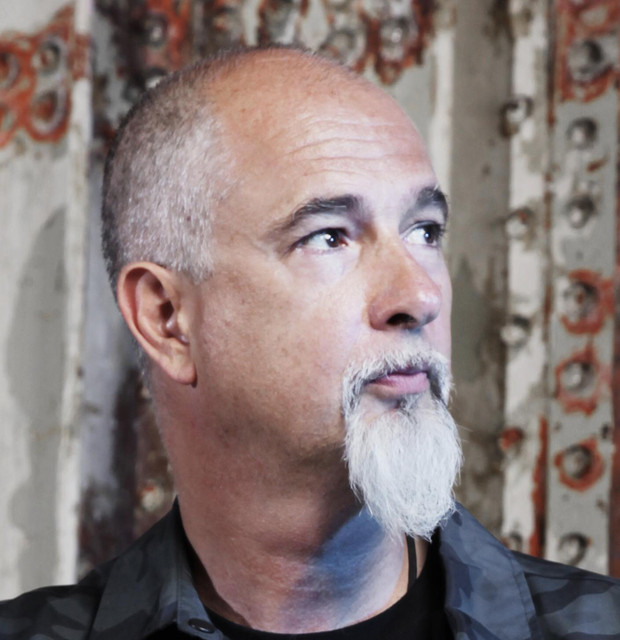
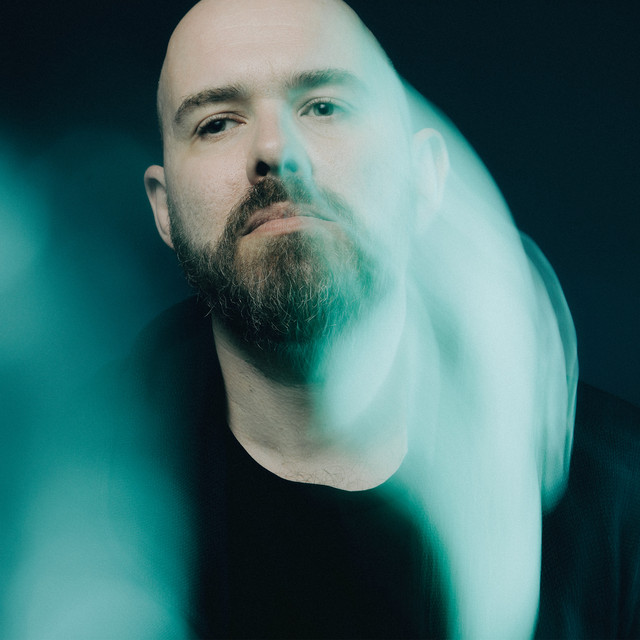
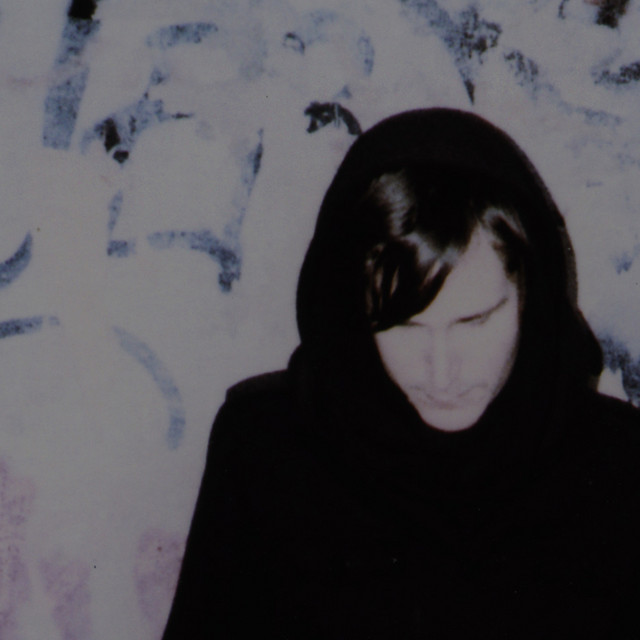
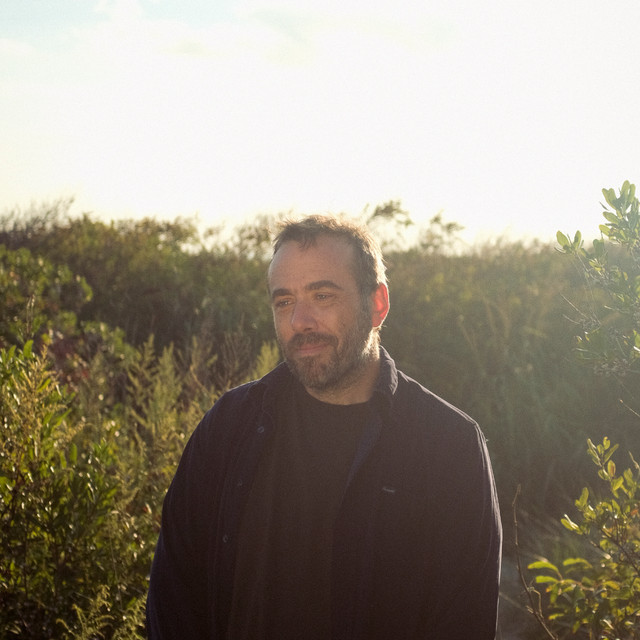
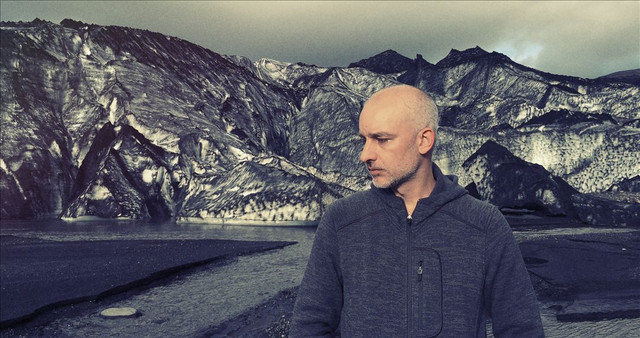
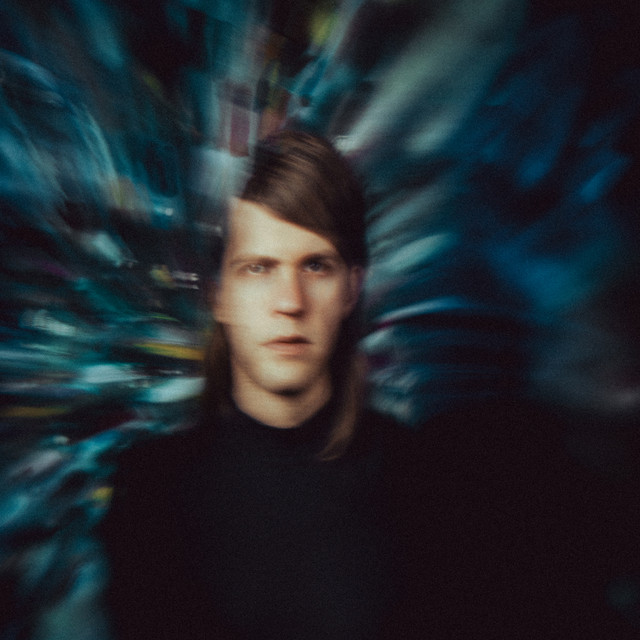
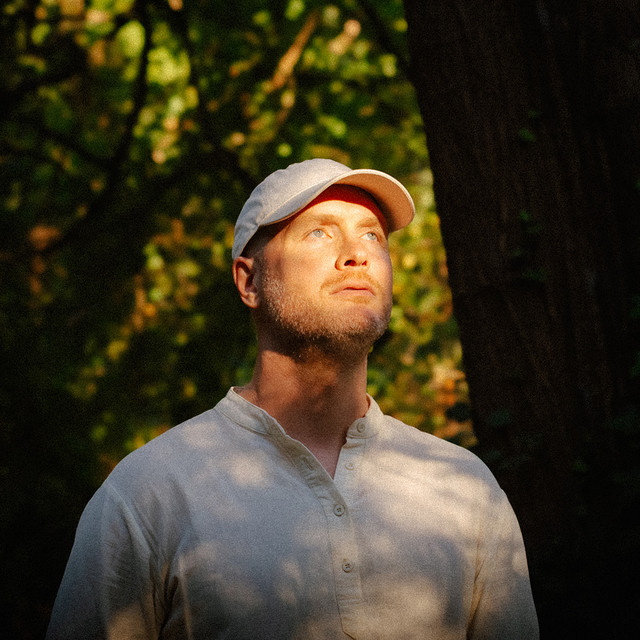
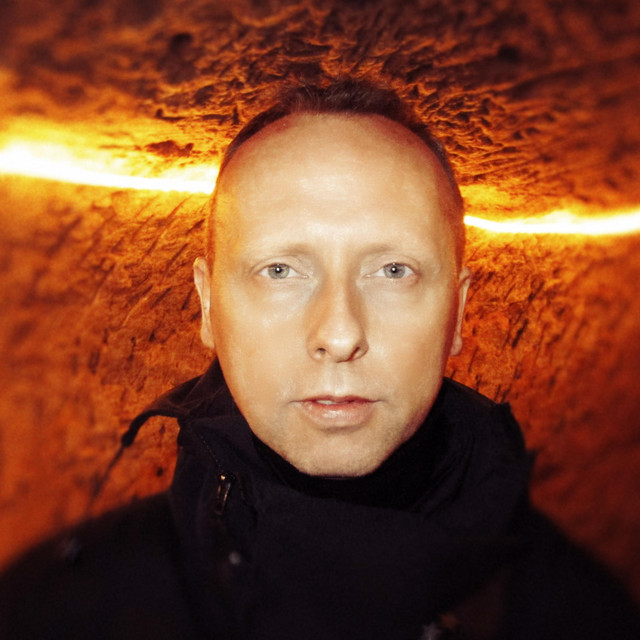
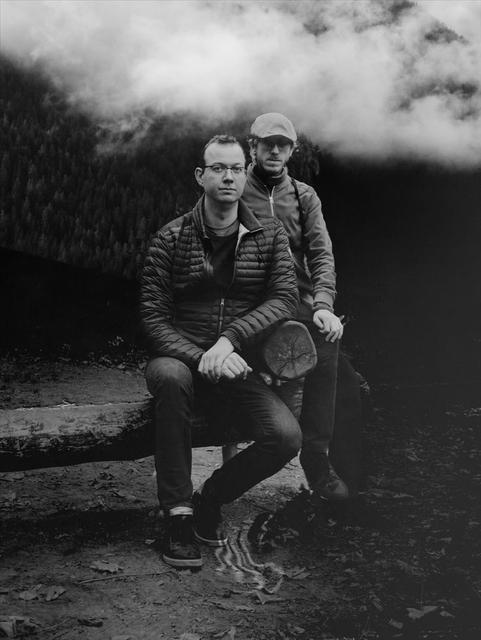
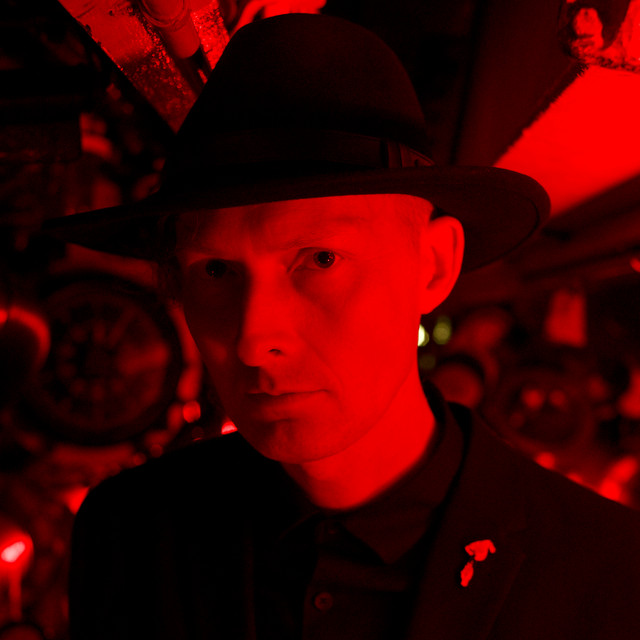
The shadowy project Deaf Center, comprising Norwegian multi-instrumentalists <a href="spotify:artist:4JkwbNEFcxRW8jWKIlkiBb">Erik K. Skodvin</a> (aka <a href="spotify:artist:37lOOt5pumxC6rAUAI8cIL">Svarte Greiner</a>) and Otto A. Totland, operated at the axis of ambient electronica, contemporary classical, and drone music. Old schoolfriends who each had a long history of music-making, they finally decided to collaborate while holidaying together in a log cabin. Their early releases were based around numerous field recordings, which they incorporated into lush cinematic soundscapes created primarily with organic instrumentation, layered across a gentle tapestry of occasional, subtle electronic rhythms and effects. Their debut EP Neon City, released in 2004, was the very first CD release on the then-nascent <a href="spotify:search:label%3A%22Type%22">Type</a> imprint run by John Twells (aka <a href="spotify:artist:1DpTCZ0h0a2IDmLiKJtDN5">Xela</a>) and Stefan Lewandowski. The label, which would go on to become a major force in experimental music, released their album Pale Ravine the following year. These two releases were widely acclaimed, and the duo were hailed as part of the then-fashionable, so-called "post-classical" field, essentially composed of classically trained musicians who combined traditional compositional techniques with electronica and single-track,"pop song"-like works rather than longer, multiple-movement pieces.
During the next few years, <a href="spotify:artist:4JkwbNEFcxRW8jWKIlkiBb">Skodvin</a> went on to found the equally prestigious <a href="spotify:search:label%3A%22Miasmah%22">Miasmah</a> label, which specialized in dark ambient and drone music, and released several albums of "acoustic doom", both as <a href="spotify:artist:37lOOt5pumxC6rAUAI8cIL">Svarte Greiner</a> and under his own name, through various labels including <a href="spotify:search:label%3A%22Type%22">Type</a> and the cult <a href="spotify:search:label%3A%22Digitalis%22">Digitalis</a> imprint; and Totland recorded an album, Retold, as half of <a href="spotify:artist:70iljHECVgbw1r4oRlzGvU">Nest</a>, his duo with Huw Roberts. While <a href="spotify:artist:4JkwbNEFcxRW8jWKIlkiBb">Skodvin</a>'s solo work had a crepuscular and unsettling tone, the <a href="spotify:artist:70iljHECVgbw1r4oRlzGvU">Nest</a> material had more in common with the smooth, cinematic lushness of the Deaf Center releases.
The duo finally reunited a full six years later to record their second album. In the intervening years, the <a href="spotify:search:label%3A%22Type%22">Type</a> roster had evolved away from electronica toward drone, dark ambient, and noise acts, and concomitantly, Deaf Center's music also changed. The sophomore album, 2011's Owl Splinters, was a subtler and sparser affair which had more in common with <a href="spotify:artist:4JkwbNEFcxRW8jWKIlkiBb">Skodvin</a>'s solo material. Recorded at pianist <a href="spotify:artist:5gqhueRUZEa7VDnQt4HODp">Nils Frahm</a>'s Durton studio in Berlin, it forwent the electronic elements of previous releases for an altogether darker and more sinister tone, with haunting piano melodies buried in a morass of rumbling bass notes and cello-string drones. ~ John D. Buchanan, Rovi
During the next few years, <a href="spotify:artist:4JkwbNEFcxRW8jWKIlkiBb">Skodvin</a> went on to found the equally prestigious <a href="spotify:search:label%3A%22Miasmah%22">Miasmah</a> label, which specialized in dark ambient and drone music, and released several albums of "acoustic doom", both as <a href="spotify:artist:37lOOt5pumxC6rAUAI8cIL">Svarte Greiner</a> and under his own name, through various labels including <a href="spotify:search:label%3A%22Type%22">Type</a> and the cult <a href="spotify:search:label%3A%22Digitalis%22">Digitalis</a> imprint; and Totland recorded an album, Retold, as half of <a href="spotify:artist:70iljHECVgbw1r4oRlzGvU">Nest</a>, his duo with Huw Roberts. While <a href="spotify:artist:4JkwbNEFcxRW8jWKIlkiBb">Skodvin</a>'s solo work had a crepuscular and unsettling tone, the <a href="spotify:artist:70iljHECVgbw1r4oRlzGvU">Nest</a> material had more in common with the smooth, cinematic lushness of the Deaf Center releases.
The duo finally reunited a full six years later to record their second album. In the intervening years, the <a href="spotify:search:label%3A%22Type%22">Type</a> roster had evolved away from electronica toward drone, dark ambient, and noise acts, and concomitantly, Deaf Center's music also changed. The sophomore album, 2011's Owl Splinters, was a subtler and sparser affair which had more in common with <a href="spotify:artist:4JkwbNEFcxRW8jWKIlkiBb">Skodvin</a>'s solo material. Recorded at pianist <a href="spotify:artist:5gqhueRUZEa7VDnQt4HODp">Nils Frahm</a>'s Durton studio in Berlin, it forwent the electronic elements of previous releases for an altogether darker and more sinister tone, with haunting piano melodies buried in a morass of rumbling bass notes and cello-string drones. ~ John D. Buchanan, Rovi
Monthly Listeners
26,157
Monthly Listeners History
Track the evolution of monthly listeners over the last 28 days.
Followers
25,896
Followers History
Track the evolution of followers over the last 28 days.
Top Cities
472 listeners

309 listeners

250 listeners

237 listeners

233 listeners

Related Artists


Secret Pyramid