Data may be outdated
Last updated: 9 months ago — Click refresh to get the latest statistics.
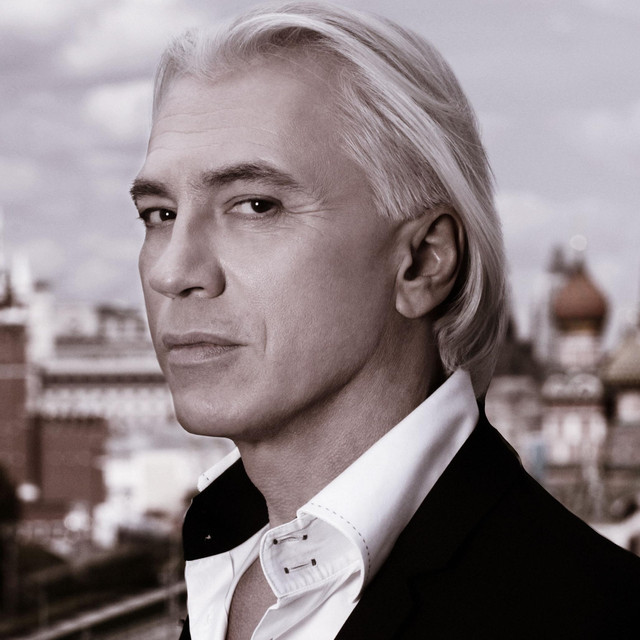
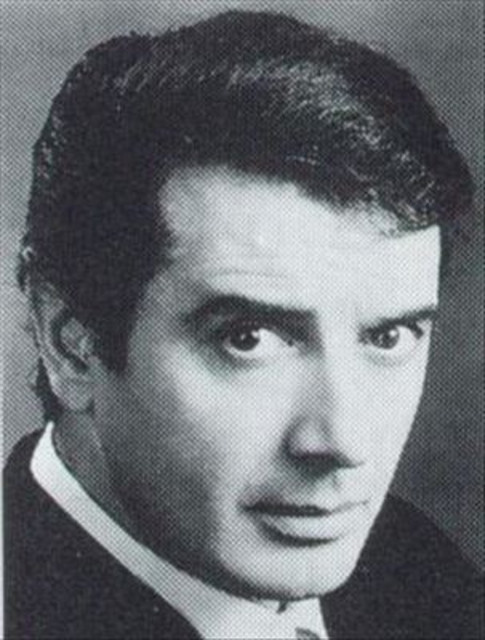
Known for captivating song recitals, lyrical performances of <a href="spotify:artist:1JOQXgYdQV2yfrhewqx96o">Verdi</a> baritone roles, and, not least of all, his striking silver hair, Dmitri Hvorostovsky enjoyed an A-list career beginning in the early 1990s. His brilliant, yet deceptively dark-hued voice was the embodiment of chiaroscuro, and the combination of vocal polish and emotion that he brought to his performances made him an audience favorite.
Having grown up, studied, and debuted (as Marullo in Rigoletto) in his hometown of Krasnoyarsk, he took top honors at the 1987 <a href="spotify:artist:1GEuHbNwTRj4QPyoythtBh">Glinka</a> National Competition, the 1988 Toulouse Singing Competition, and then the 1989 Cardiff Singer of the World competition. The last of these, in which he edged out both the meteoric <a href="spotify:artist:6ILd69yy67k6OU7cwpGNSl">Bryn Terfel</a> and <a href="spotify:artist:0D5GLqp4LQMG8Io8LxTdME">Monica Groop</a> for the win, launched him into the spotlight and led to his western operatic debut, as Yeletsky in <a href="spotify:artist:3MKCzCnpzw3TjUYs2v7vDA">Tchaikovsky</a>'s The Queen of Spades in Nice. The next several years brought debut recitals in London and New York, his Italian debut as Eugene Onegin at the famous La Fenice, and engagements at Covent Garden, the Metropolitan Opera, the Chicago Lyric Opera, and the <a href="spotify:artist:7g5FOsvQD85ies2rVIFJDC">Berlin State Opera</a>. His first solo recording contract, with <a href="spotify:search:label%3A%22Philips%22">Philips</a>, began in the early 1990s, as well; the artistic and commercial success of his first several CDs, and the explosion of his operatic and concert schedule around the world, sent his career into high gear.
Although he was closely identified with the roles of Eugene Onegin and Yeletsky (The Queen of Spades), Hvorostovsky's operatic repertory was centered on Italian works more so than Russian; in the early 2000s, he began to explore new Russian territory, like <a href="spotify:artist:4kHtgiRnpmFIV5Tm4BIs8l">Prokofiev</a>'s War and Peace, but in general he felt Russian roles called for a gruffer, less lyrical voice than his. He is known best for his performances as the elder Germont in La Traviata, Posa in Don Carlos, Don Giovanni, and <a href="spotify:artist:0roWUeP7Ac4yK4VN6L2gF4">Rossini</a>'s Figaro. However, as a recitalist, Hvorostovsky was always intensely focused on Russian song, making moody, dramatic works of <a href="spotify:artist:0Kekt6CKSo0m5mivKcoH51">Rachmaninov</a>, <a href="spotify:artist:3MKCzCnpzw3TjUYs2v7vDA">Tchaikovsky</a>, <a href="spotify:artist:2kXJ68O899XvWOBdpzlXgs">Rimsky-Korsakov</a>, <a href="spotify:artist:1GEuHbNwTRj4QPyoythtBh">Glinka</a>, and <a href="spotify:artist:284mnx33IWcymQEpMxyfHl">Mussorgsky</a> the centerpieces of his performances. With his longtime collaborator Mikhail Arkadiev at the piano, Hvorostovsky established himself as one of the finest singers of that repertory anywhere in the world. The special nature of that collaboration was honored by Russian composer <a href="spotify:artist:2lLeVbtJ3XiJb4zPHUl0yI">Georgy Sviridov</a> in 1995, when he dedicated his vocal poem Petersburg to Hvorostovsky and Arkadiev; the two remained champions of his music. In the early 21st century, Hvorostovsky devoted himself more and more to <a href="spotify:artist:1JOQXgYdQV2yfrhewqx96o">Verdi</a> roles. Hvorostovsky died from brain cancer at the age of 55.
Having grown up, studied, and debuted (as Marullo in Rigoletto) in his hometown of Krasnoyarsk, he took top honors at the 1987 <a href="spotify:artist:1GEuHbNwTRj4QPyoythtBh">Glinka</a> National Competition, the 1988 Toulouse Singing Competition, and then the 1989 Cardiff Singer of the World competition. The last of these, in which he edged out both the meteoric <a href="spotify:artist:6ILd69yy67k6OU7cwpGNSl">Bryn Terfel</a> and <a href="spotify:artist:0D5GLqp4LQMG8Io8LxTdME">Monica Groop</a> for the win, launched him into the spotlight and led to his western operatic debut, as Yeletsky in <a href="spotify:artist:3MKCzCnpzw3TjUYs2v7vDA">Tchaikovsky</a>'s The Queen of Spades in Nice. The next several years brought debut recitals in London and New York, his Italian debut as Eugene Onegin at the famous La Fenice, and engagements at Covent Garden, the Metropolitan Opera, the Chicago Lyric Opera, and the <a href="spotify:artist:7g5FOsvQD85ies2rVIFJDC">Berlin State Opera</a>. His first solo recording contract, with <a href="spotify:search:label%3A%22Philips%22">Philips</a>, began in the early 1990s, as well; the artistic and commercial success of his first several CDs, and the explosion of his operatic and concert schedule around the world, sent his career into high gear.
Although he was closely identified with the roles of Eugene Onegin and Yeletsky (The Queen of Spades), Hvorostovsky's operatic repertory was centered on Italian works more so than Russian; in the early 2000s, he began to explore new Russian territory, like <a href="spotify:artist:4kHtgiRnpmFIV5Tm4BIs8l">Prokofiev</a>'s War and Peace, but in general he felt Russian roles called for a gruffer, less lyrical voice than his. He is known best for his performances as the elder Germont in La Traviata, Posa in Don Carlos, Don Giovanni, and <a href="spotify:artist:0roWUeP7Ac4yK4VN6L2gF4">Rossini</a>'s Figaro. However, as a recitalist, Hvorostovsky was always intensely focused on Russian song, making moody, dramatic works of <a href="spotify:artist:0Kekt6CKSo0m5mivKcoH51">Rachmaninov</a>, <a href="spotify:artist:3MKCzCnpzw3TjUYs2v7vDA">Tchaikovsky</a>, <a href="spotify:artist:2kXJ68O899XvWOBdpzlXgs">Rimsky-Korsakov</a>, <a href="spotify:artist:1GEuHbNwTRj4QPyoythtBh">Glinka</a>, and <a href="spotify:artist:284mnx33IWcymQEpMxyfHl">Mussorgsky</a> the centerpieces of his performances. With his longtime collaborator Mikhail Arkadiev at the piano, Hvorostovsky established himself as one of the finest singers of that repertory anywhere in the world. The special nature of that collaboration was honored by Russian composer <a href="spotify:artist:2lLeVbtJ3XiJb4zPHUl0yI">Georgy Sviridov</a> in 1995, when he dedicated his vocal poem Petersburg to Hvorostovsky and Arkadiev; the two remained champions of his music. In the early 21st century, Hvorostovsky devoted himself more and more to <a href="spotify:artist:1JOQXgYdQV2yfrhewqx96o">Verdi</a> roles. Hvorostovsky died from brain cancer at the age of 55.
Monthly Listeners
123,445
Monthly Listeners History
Track the evolution of monthly listeners over the last 28 days.
Followers
26,859
Followers History
Track the evolution of followers over the last 28 days.
Top Cities
3,906 listeners
2,675 listeners
2,648 listeners

1,593 listeners
1,481 listeners

Related Artists



Государственный академический камерный оркестр России

Russia Spiritual Revival Choir





Жорж Бизе