Data may be outdated
Last updated: 9 months ago — Click refresh to get the latest statistics.
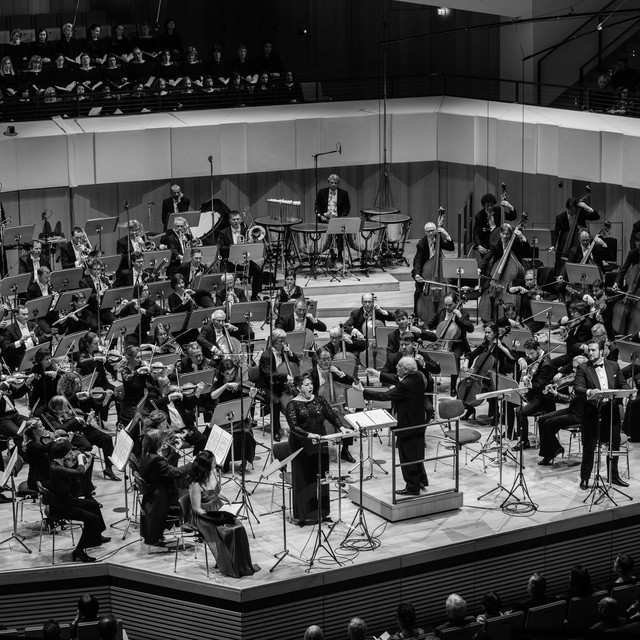
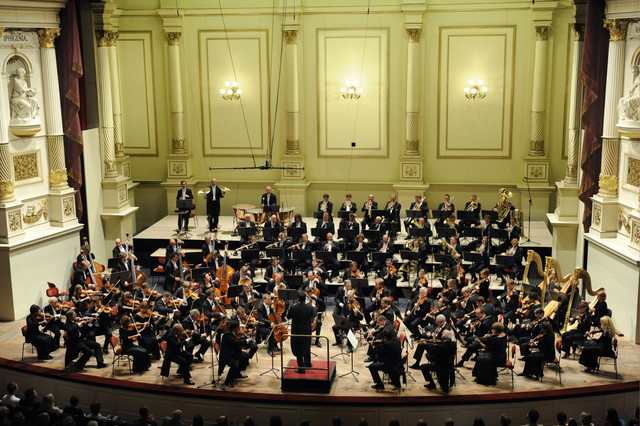
One of Germany's oldest orchestras, the Dresden Philharmonic Orchestra (Dresdner Philharmonie) has earned international respect for its performance standards. With the motto "Music for All," the orchestra has dedicated itself to music education and community outreach. Dresden's Kulturpalast has been its home since 2017, but they also perform at other venues in the city.
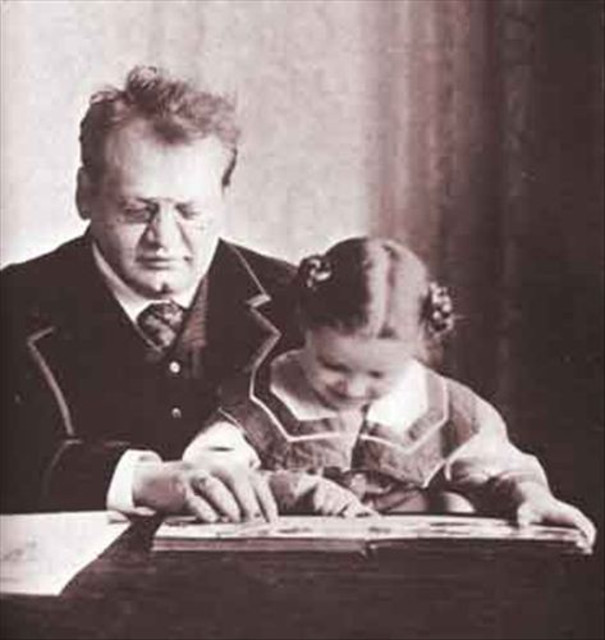
The Dresden Philharmonic dates back to 1870 when a group of citizens organized the Gewerbehausorchester, giving its first concert in November of that year at the Gewerbehaus Hall. The orchestra's principal conductor from inception until 1885 was Hermann Mannsfeldt, and it hosted such prominent guest conductors of the day as <a href="spotify:artist:6pAwHPeExeUbMd5w7Iny6D">Richard Strauss</a>, <a href="spotify:artist:5wTAi7QkpP6kp8a54lmTOq">Johannes Brahms</a>, and <a href="spotify:artist:6n7nd5iceYpXVwcx8VPpxF">Antonín Dvořák</a>. Other significant principal conductors in its early years were August Trenkler (1890-1903), Willy Olsen (1903-1915), and Edwin Lindner (1915-1923). At the end of Lindner's tenure, the orchestra took its current name. The Dresden Philharmonic was able to continue functioning through World War I and the Great Depression. In 1934, a year after the Nazis rose to power, <a href="spotify:artist:3MLOBL5W5CwQ1p6jSEkqfU">Paul van Kempen</a> took up the baton as principal conductor and was integral to the orchestra's growing reputation as he inaugurated the orchestra's recording history in 1937. He left the orchestra in 1942. Despite concert halls being closed because of the fighting in the European theater during World War II and the 1945 bombing campaign that destroyed much of the city, Dresden residents remained loyal to the Philharmonic.
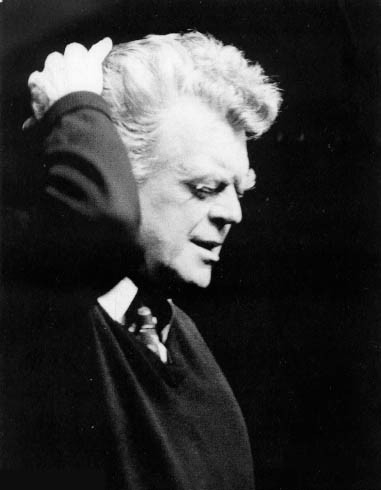
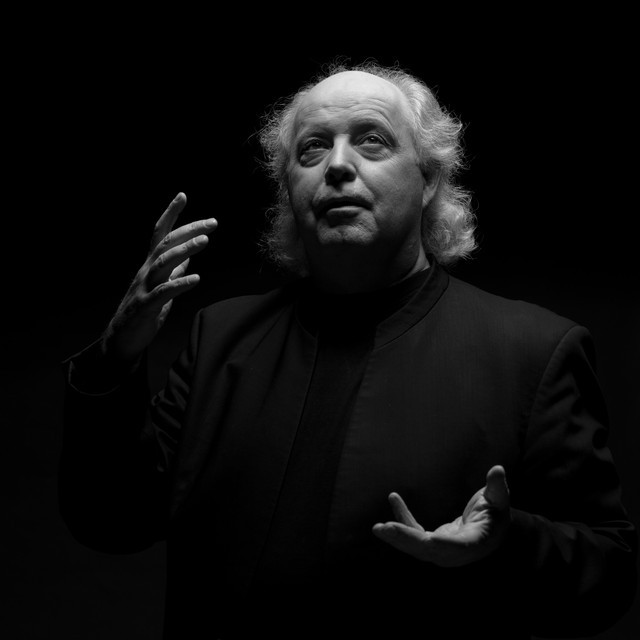
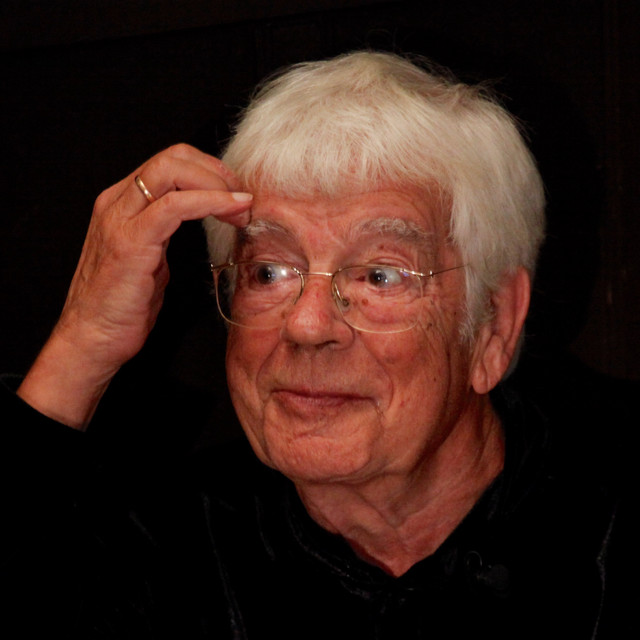
A number of prominent internationally significant conductors led the orchestra during the difficult postwar era in the German Democratic Republic ("East Germany"). Notable among these is <a href="spotify:artist:37Lr1lIJy824MQIENRUnZn">Kurt Masur</a>, who led the orchestra from 1967 to 1972, overseeing the orchestra's move to the newly built Kulturpalast Dresden in 1969. Principal conductors who followed <a href="spotify:artist:37Lr1lIJy824MQIENRUnZn">Masur</a> include <a href="spotify:artist:6FtkHbuiDvmjL84LQPEIFA">Herbert Kegel</a> (1977-1985) and <a href="spotify:artist:5tVYELZ8NjZLo89De17R8H">Jörg-Peter Weigle</a> (1986-1994, who oversaw the orchestra through the end of Soviet rule and the reunification of Germany). <a href="spotify:artist:37Lr1lIJy824MQIENRUnZn">Masur</a> was named honorary conductor in 1994, holding that title until he died in 2015. <a href="spotify:artist:68dw0lrJCaRisguXq9rHpZ">Marek Janowski</a> served as the principal conductor from 2001 to 2003, and he was followed by <a href="spotify:artist:5yzDve56IQmzO0FfHKhoC2">Rafael Frühbeck de Burgos</a> (2004-2011) and <a href="spotify:artist:1kLhJK7xiowRJJwf28NKhZ">Michael Sanderling</a> (2011-2019). In 2017, the Dresden Philharmonic moved to its new home at Dresden's Kulturpalast, and it created the non-profit educational program the Kurt Masur Academy. Academy graduates immediately began permeating the rosters of major orchestras. <a href="spotify:artist:68dw0lrJCaRisguXq9rHpZ">Janowski</a> returned to the principal conductor role in 2019 and served until 2023. In 2022, the Dresden Philharmonic was featured in the multi-Academy Award-nominated movie Tár. The following year, the orchestra announced that <a href="spotify:artist:3mcoDPxS0qsZgKYkNP7wua">Donald Runnicles</a> would become the principal conductor in 2025. The Dresden Philharmonic, under <a href="spotify:artist:68dw0lrJCaRisguXq9rHpZ">Janowski</a>, was heard on a pair of recordings in 2024, the complete symphonies of Robert Schumann and Haydn's oratorio Die Schöpfung. ~ Keith Finke, Rovi
The Dresden Philharmonic dates back to 1870 when a group of citizens organized the Gewerbehausorchester, giving its first concert in November of that year at the Gewerbehaus Hall. The orchestra's principal conductor from inception until 1885 was Hermann Mannsfeldt, and it hosted such prominent guest conductors of the day as <a href="spotify:artist:6pAwHPeExeUbMd5w7Iny6D">Richard Strauss</a>, <a href="spotify:artist:5wTAi7QkpP6kp8a54lmTOq">Johannes Brahms</a>, and <a href="spotify:artist:6n7nd5iceYpXVwcx8VPpxF">Antonín Dvořák</a>. Other significant principal conductors in its early years were August Trenkler (1890-1903), Willy Olsen (1903-1915), and Edwin Lindner (1915-1923). At the end of Lindner's tenure, the orchestra took its current name. The Dresden Philharmonic was able to continue functioning through World War I and the Great Depression. In 1934, a year after the Nazis rose to power, <a href="spotify:artist:3MLOBL5W5CwQ1p6jSEkqfU">Paul van Kempen</a> took up the baton as principal conductor and was integral to the orchestra's growing reputation as he inaugurated the orchestra's recording history in 1937. He left the orchestra in 1942. Despite concert halls being closed because of the fighting in the European theater during World War II and the 1945 bombing campaign that destroyed much of the city, Dresden residents remained loyal to the Philharmonic.
A number of prominent internationally significant conductors led the orchestra during the difficult postwar era in the German Democratic Republic ("East Germany"). Notable among these is <a href="spotify:artist:37Lr1lIJy824MQIENRUnZn">Kurt Masur</a>, who led the orchestra from 1967 to 1972, overseeing the orchestra's move to the newly built Kulturpalast Dresden in 1969. Principal conductors who followed <a href="spotify:artist:37Lr1lIJy824MQIENRUnZn">Masur</a> include <a href="spotify:artist:6FtkHbuiDvmjL84LQPEIFA">Herbert Kegel</a> (1977-1985) and <a href="spotify:artist:5tVYELZ8NjZLo89De17R8H">Jörg-Peter Weigle</a> (1986-1994, who oversaw the orchestra through the end of Soviet rule and the reunification of Germany). <a href="spotify:artist:37Lr1lIJy824MQIENRUnZn">Masur</a> was named honorary conductor in 1994, holding that title until he died in 2015. <a href="spotify:artist:68dw0lrJCaRisguXq9rHpZ">Marek Janowski</a> served as the principal conductor from 2001 to 2003, and he was followed by <a href="spotify:artist:5yzDve56IQmzO0FfHKhoC2">Rafael Frühbeck de Burgos</a> (2004-2011) and <a href="spotify:artist:1kLhJK7xiowRJJwf28NKhZ">Michael Sanderling</a> (2011-2019). In 2017, the Dresden Philharmonic moved to its new home at Dresden's Kulturpalast, and it created the non-profit educational program the Kurt Masur Academy. Academy graduates immediately began permeating the rosters of major orchestras. <a href="spotify:artist:68dw0lrJCaRisguXq9rHpZ">Janowski</a> returned to the principal conductor role in 2019 and served until 2023. In 2022, the Dresden Philharmonic was featured in the multi-Academy Award-nominated movie Tár. The following year, the orchestra announced that <a href="spotify:artist:3mcoDPxS0qsZgKYkNP7wua">Donald Runnicles</a> would become the principal conductor in 2025. The Dresden Philharmonic, under <a href="spotify:artist:68dw0lrJCaRisguXq9rHpZ">Janowski</a>, was heard on a pair of recordings in 2024, the complete symphonies of Robert Schumann and Haydn's oratorio Die Schöpfung. ~ Keith Finke, Rovi
Monthly Listeners
391,773
Monthly Listeners History
Track the evolution of monthly listeners over the last 28 days.
Followers
2,286
Followers History
Track the evolution of followers over the last 28 days.
Top Cities
30,015 listeners

17,715 listeners
15,477 listeners
10,997 listeners
9,526 listeners
Related Artists



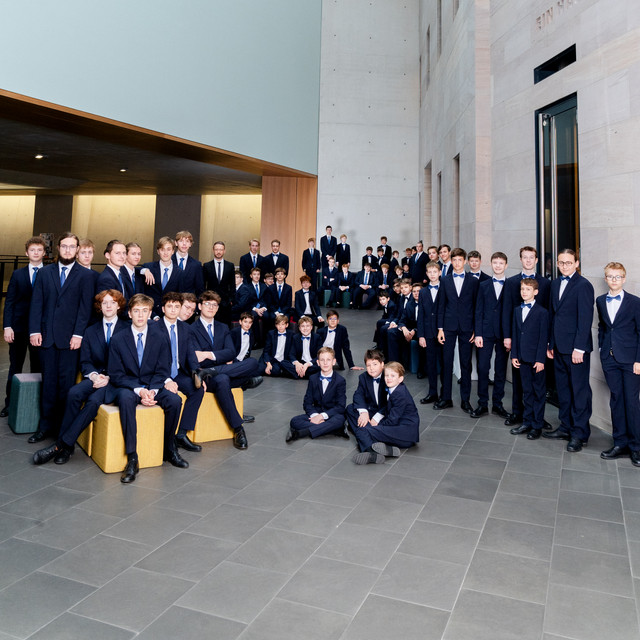
Windsbacher Knabenchor
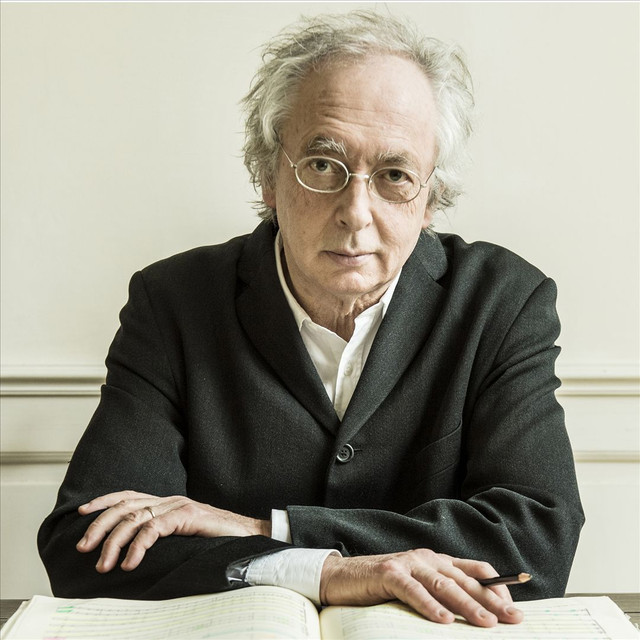

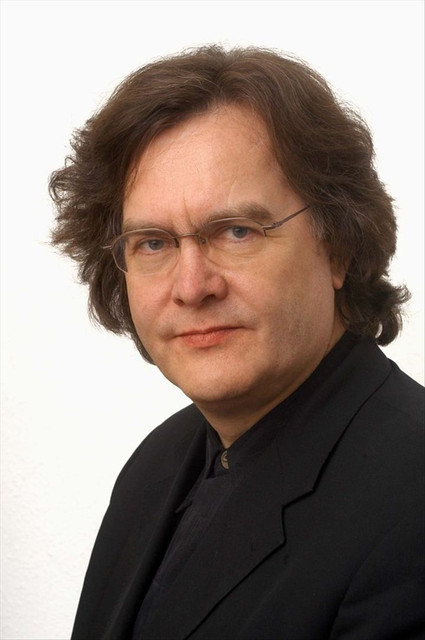
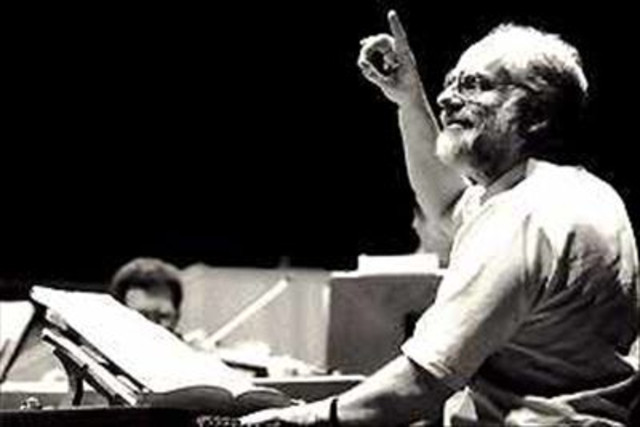
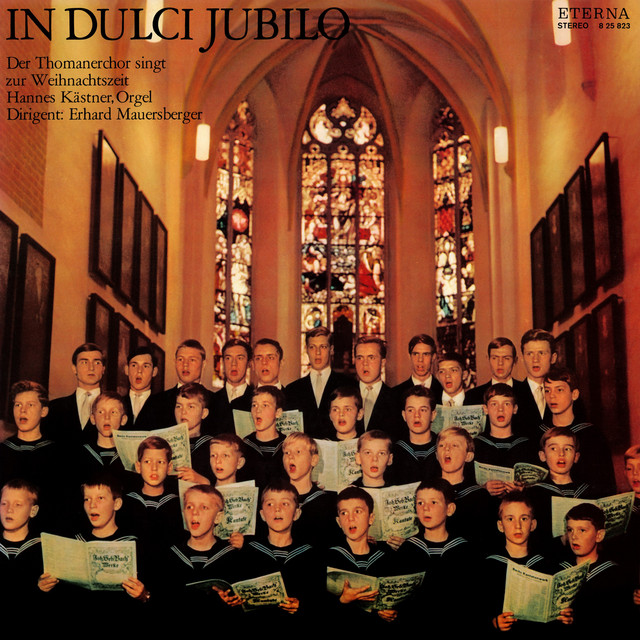
Erhard Mauersberger
Ludwig Güttler


Rudolf Mauersberger

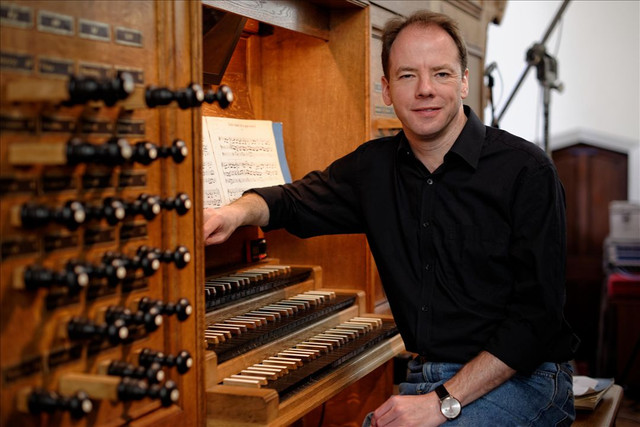
David Goode
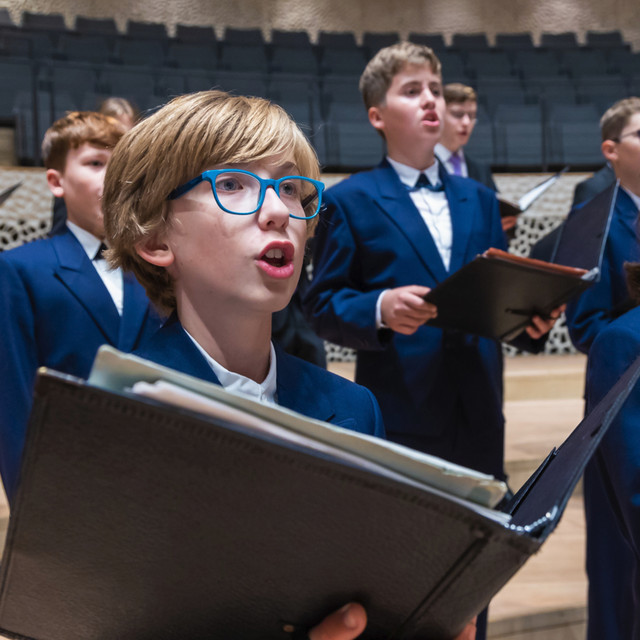
Regensburger Domspatzen