Data may be outdated
Last updated: 9 months ago — Click refresh to get the latest statistics.
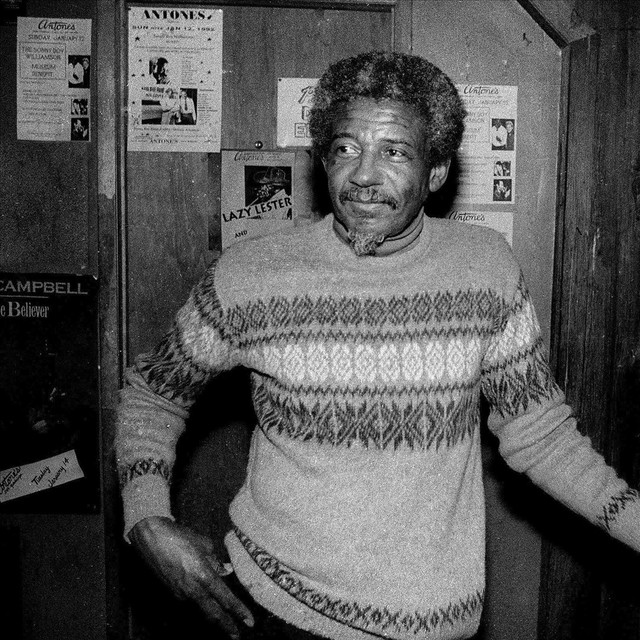
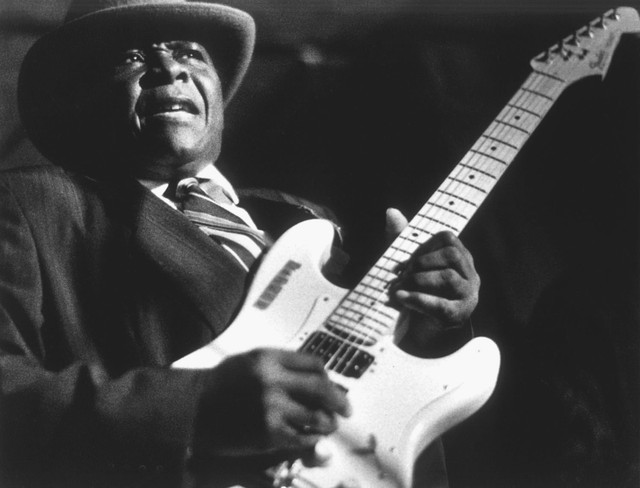
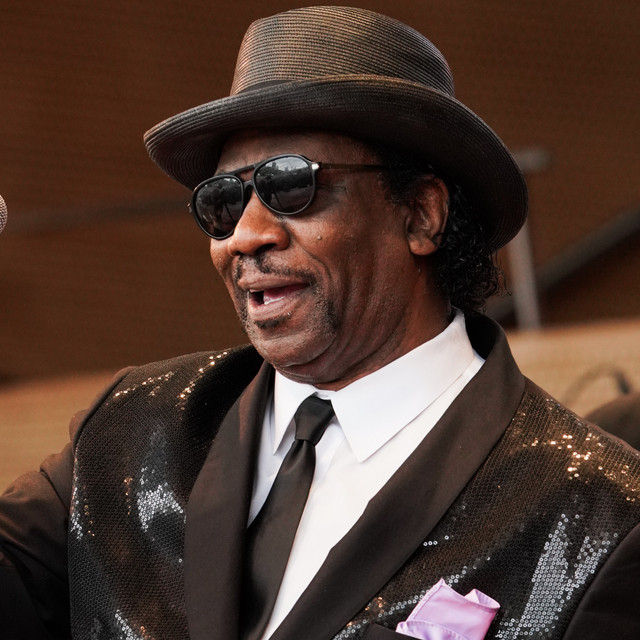
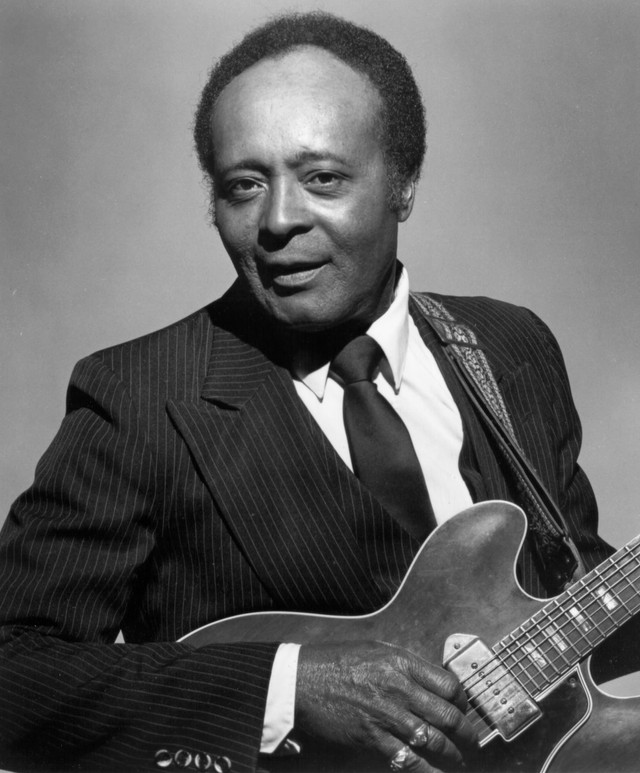
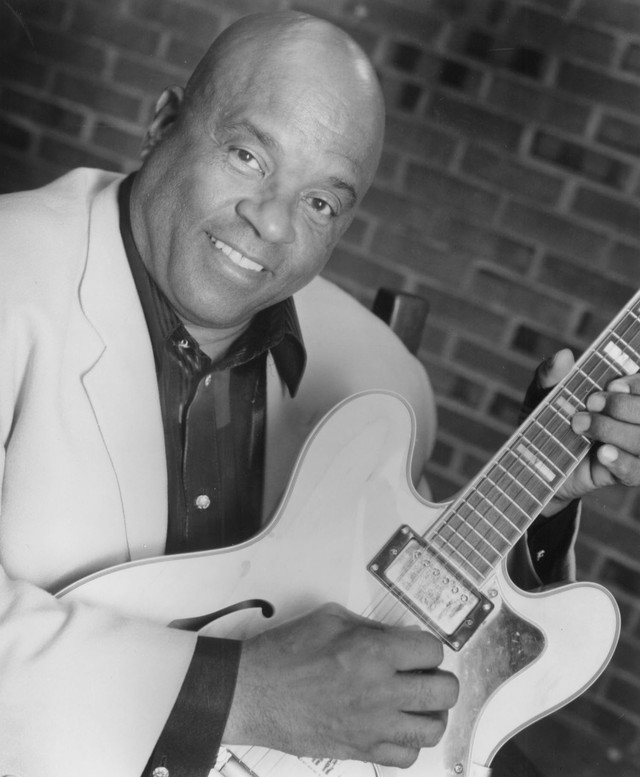
Once dismissed by purists as a <a href="spotify:artist:293zczrfYafIItmnmM3coR">Chuck Berry</a> imitator (and an accurate one at that), tall, lean, and lanky Chicago southpaw Eddy Clearwater became recognized as a prime progenitor of West Side-style blues guitar. That's not to say he wouldn't liven up a gig with a little duck-walking or a frat party rendition of "Shout"; after all, Clearwater brought a wide array of influences to the party. Gospel, country, '50s rock, and deep-down blues were all incorporated into his slashing guitar attack. But when he put his mind to it, "The Chief" (a nickname accrued from his penchant for donning Native American headdresses on-stage) was one of the Windy City's finest bluesmen.
Eddy Harrington split Birmingham, Alabama, for Chicago in 1950, initially billing himself on the city's South and West Sides as Guitar Eddy. His uncle, Rev. Houston H. Harrington, handed his nephew his initial recording opportunity; the good reverend operated a small label, Atomic-H. Eddy made the most of it, laying down a shimmering minor-key instrumental, "A-Minor Cha Cha," and the <a href="spotify:artist:293zczrfYafIItmnmM3coR">Berry</a>-derived "Hillbilly Blues" (both on <a href="spotify:search:label%3A%22Delmark%22">Delmark</a>'s Chicago Ain't Nothin' But a Blues Band anthology).
Drummer Jump Jackson invented Eddy's stage moniker as a takeoff on the name of <a href="spotify:artist:4y6J8jwRAwO4dssiSmN91R">Muddy Waters</a>. As Clear Waters, he waxed another terrific <a href="spotify:artist:293zczrfYafIItmnmM3coR">Berry</a> knockoff, "Cool Water," for Jackson's LaSalle logo. By the time he journeyed to Cincinnati in 1961 to cut the glorious auto rocker "I Was Gone," a joyous "A Real Good Time," and the timely "Twist Like This" for <a href="spotify:search:label%3A%22Federal+Records%22">Federal Records</a> producer <a href="spotify:artist:5zJQc0NgR7QSDOxA6EYZkR">Sonny Thompson</a>, he was officially Eddy Clearwater. Things were sparse for quite a while after that; Clearwater occasionally secured a live gig dishing out rock and country ditties when blues jobs dried up.
But <a href="spotify:search:label%3A%22Rooster+Blues%22">Rooster Blues</a>' 1980 release of The Chief, an extraordinarily strong album by any standards, announced to the world that Eddy Clearwater's ascendancy to Chicago blues stardom was officially underway. The next decade found Clearwater waxing two encores for <a href="spotify:search:label%3A%22Rooster+Blues%22">Rooster Blues</a>, Help Yourself for <a href="spotify:search:label%3A%22Blind+Pig%22">Blind Pig</a> in 1992, and Mean Case of the Blues in 1996 on his reactivated <a href="spotify:search:label%3A%22Cleartone+Records%22">Cleartone Records</a>, followed by Cool Blues Walk in 1998, Chicago Daily Blues in 1999, and Reservation Blues in 2000.
With consistently exciting live performances, Clearwater cemented his reputation as a masterful showman whose principal goal was to provide his fans with a real good time. Keeping in that tradition, Clearwater teamed up with like-minded showmen <a href="spotify:artist:5a1rrmsSJwko0HqT6HvteB">Los Straitjackets</a>, releasing Rock 'n' Roll City in 2003 on <a href="spotify:search:label%3A%22Rounder%22">Rounder</a>, followed five years later by his first session for the <a href="spotify:search:label%3A%22Alligator%22">Alligator</a> label, West Side Strut. Clearwater continued performing up until his death in June 2018, having played a show at <a href="spotify:artist:2gCsNOpiBaMNh20jQ5prf0">Buddy Guy</a>'s Legends club just a couple weeks before. ~ Bill Dahl, Rovi
Eddy Harrington split Birmingham, Alabama, for Chicago in 1950, initially billing himself on the city's South and West Sides as Guitar Eddy. His uncle, Rev. Houston H. Harrington, handed his nephew his initial recording opportunity; the good reverend operated a small label, Atomic-H. Eddy made the most of it, laying down a shimmering minor-key instrumental, "A-Minor Cha Cha," and the <a href="spotify:artist:293zczrfYafIItmnmM3coR">Berry</a>-derived "Hillbilly Blues" (both on <a href="spotify:search:label%3A%22Delmark%22">Delmark</a>'s Chicago Ain't Nothin' But a Blues Band anthology).
Drummer Jump Jackson invented Eddy's stage moniker as a takeoff on the name of <a href="spotify:artist:4y6J8jwRAwO4dssiSmN91R">Muddy Waters</a>. As Clear Waters, he waxed another terrific <a href="spotify:artist:293zczrfYafIItmnmM3coR">Berry</a> knockoff, "Cool Water," for Jackson's LaSalle logo. By the time he journeyed to Cincinnati in 1961 to cut the glorious auto rocker "I Was Gone," a joyous "A Real Good Time," and the timely "Twist Like This" for <a href="spotify:search:label%3A%22Federal+Records%22">Federal Records</a> producer <a href="spotify:artist:5zJQc0NgR7QSDOxA6EYZkR">Sonny Thompson</a>, he was officially Eddy Clearwater. Things were sparse for quite a while after that; Clearwater occasionally secured a live gig dishing out rock and country ditties when blues jobs dried up.
But <a href="spotify:search:label%3A%22Rooster+Blues%22">Rooster Blues</a>' 1980 release of The Chief, an extraordinarily strong album by any standards, announced to the world that Eddy Clearwater's ascendancy to Chicago blues stardom was officially underway. The next decade found Clearwater waxing two encores for <a href="spotify:search:label%3A%22Rooster+Blues%22">Rooster Blues</a>, Help Yourself for <a href="spotify:search:label%3A%22Blind+Pig%22">Blind Pig</a> in 1992, and Mean Case of the Blues in 1996 on his reactivated <a href="spotify:search:label%3A%22Cleartone+Records%22">Cleartone Records</a>, followed by Cool Blues Walk in 1998, Chicago Daily Blues in 1999, and Reservation Blues in 2000.
With consistently exciting live performances, Clearwater cemented his reputation as a masterful showman whose principal goal was to provide his fans with a real good time. Keeping in that tradition, Clearwater teamed up with like-minded showmen <a href="spotify:artist:5a1rrmsSJwko0HqT6HvteB">Los Straitjackets</a>, releasing Rock 'n' Roll City in 2003 on <a href="spotify:search:label%3A%22Rounder%22">Rounder</a>, followed five years later by his first session for the <a href="spotify:search:label%3A%22Alligator%22">Alligator</a> label, West Side Strut. Clearwater continued performing up until his death in June 2018, having played a show at <a href="spotify:artist:2gCsNOpiBaMNh20jQ5prf0">Buddy Guy</a>'s Legends club just a couple weeks before. ~ Bill Dahl, Rovi
Monthly Listeners
11,230
Monthly Listeners History
Track the evolution of monthly listeners over the last 28 days.
Followers
8,067
Followers History
Track the evolution of followers over the last 28 days.
Top Cities


Related Artists