Data may be outdated
Last updated: 7 months ago — Click refresh to get the latest statistics.
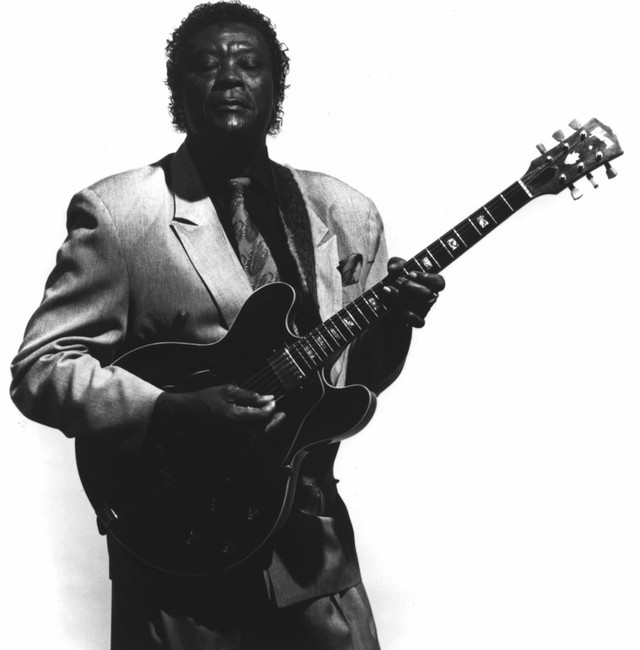
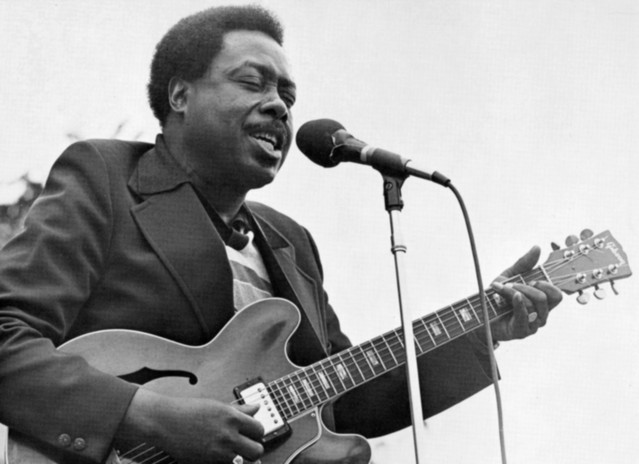
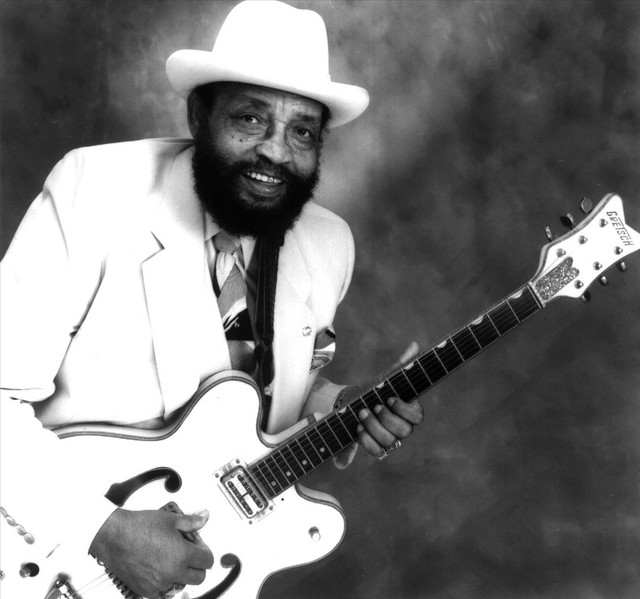
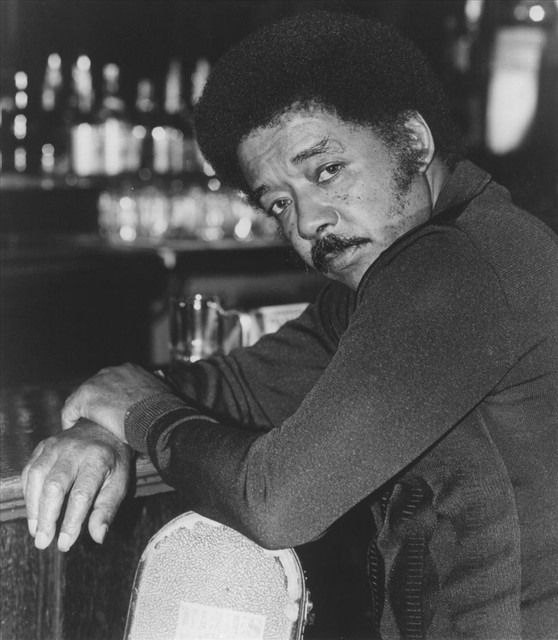
Chicago guitarist Jimmy Johnson didn't release his first full domestic album until he was 50 years old. He determinedly made up for lost time, establishing himself as one of the Windy City's premier blues artists with a twisting, unpredictable guitar style and a soaring, soul-dripping vocal delivery that stood out from the pack.
Born into a musical family (younger brother <a href="spotify:artist:6XItHNeKXecnFpkJHOn5JL">Syl Johnson</a>'s credentials as a soul star were all in order, while sibling Mack Thompson was <a href="spotify:artist:0XErJwG6aCEj7NpKsEZrrO">Magic Sam</a>'s first-call bassist), Jimmy Thompson moved to Chicago with his family in 1950. But his guitar playing remained a hobby for years -- he toiled as a welder while <a href="spotify:artist:6XItHNeKXecnFpkJHOn5JL">Syl</a> blazed a trail on the local blues circuit. Finally, in 1959, Jimmy Thompson started gigging with harpist Slim Willis around the West Side. Somewhere down the line, he changed his surname to Johnson (thus keeping pace with <a href="spotify:artist:6XItHNeKXecnFpkJHOn5JL">Syl</a>).
Since there was more cash to be realized playing R&B during the 1960s, Jimmy Johnson concentrated on that end of the stylistic spectrum for a while. He led polished house bands on the South Side and West Side behind <a href="spotify:artist:2jV8AcZ8W3TfiqInUGWwlL">Otis Clay</a>, <a href="spotify:artist:0GVO1kqJHVxOarPgex9K15">Denise LaSalle</a>, and <a href="spotify:artist:7kur1FACDVzvkdJFrliSzX">Garland Green</a>, also cutting an occasional instrumental 45. Johnson found his way back to the blues in 1974 as <a href="spotify:artist:69mMUlfVNVGQsw733rBShc">Jimmy Dawkins</a>' rhythm guitarist. He toured Japan behind <a href="spotify:artist:1h0hOL3bVcYlg4xcSjU7fP">Otis Rush</a> in 1975 (the journey that produced <a href="spotify:artist:1h0hOL3bVcYlg4xcSjU7fP">Rush</a>'s album So Many Roads -- Live in Concert).
With the 1978 release of four stunning sides on <a href="spotify:search:label%3A%22Alligator%22">Alligator</a>'s first batch of Living Chicago Blues anthologies and the issue of Johnson's Whacks, his first full domestic set on <a href="spotify:search:label%3A%22Delmark%22">Delmark</a> the next year, Jimmy Johnson's star began ascending rapidly. North/South, the guitarist's 1982 <a href="spotify:search:label%3A%22Delmark%22">Delmark</a> follow-up, and the 1983 release of Bar Room Preacher by <a href="spotify:search:label%3A%22Alligator%22">Alligator</a> continued to propel him into the first rank of Chicago bluesdom. Then tragedy struck: on December 2, 1988, Johnson was driving his band's van when it swerved off the road in downstate Indiana, killing bassist Larry Exum and keyboardist St. James Bryant.
Understandably, Johnson, himself injured in the wreck, wasn't too interested in furthering his career for a time after the tragedy. But he was back in the harness by the mid-'90s, cutting a solid set for <a href="spotify:search:label%3A%22Verve%22">Verve</a> in 1994, I'm a Jockey, that spotlighted his blues-soul synthesis most effectively. Every Road Ends, recorded in France and released on <a href="spotify:search:label%3A%22Ruf%22">Ruf</a>, followed in 1999. A collaboration with his brother <a href="spotify:artist:6XItHNeKXecnFpkJHOn5JL">Syl</a> appeared in the summer of 2002, the cleverly titled Two Johnsons Are Better Than One. Brothers Live, recorded by Jimmy Johnson and the Chicago Dave Blues Band featuring saxophonist <a href="spotify:artist:6AwlQD8maG3iCHx6U7z1Ki">Sam Burckhardt</a> at Switzerland's Basel Blues Festival in 2002, arrived in 2004. Jimmy Johnson died on January 31, 2022, at the age of 93. ~ Bill Dahl, Rovi
Born into a musical family (younger brother <a href="spotify:artist:6XItHNeKXecnFpkJHOn5JL">Syl Johnson</a>'s credentials as a soul star were all in order, while sibling Mack Thompson was <a href="spotify:artist:0XErJwG6aCEj7NpKsEZrrO">Magic Sam</a>'s first-call bassist), Jimmy Thompson moved to Chicago with his family in 1950. But his guitar playing remained a hobby for years -- he toiled as a welder while <a href="spotify:artist:6XItHNeKXecnFpkJHOn5JL">Syl</a> blazed a trail on the local blues circuit. Finally, in 1959, Jimmy Thompson started gigging with harpist Slim Willis around the West Side. Somewhere down the line, he changed his surname to Johnson (thus keeping pace with <a href="spotify:artist:6XItHNeKXecnFpkJHOn5JL">Syl</a>).
Since there was more cash to be realized playing R&B during the 1960s, Jimmy Johnson concentrated on that end of the stylistic spectrum for a while. He led polished house bands on the South Side and West Side behind <a href="spotify:artist:2jV8AcZ8W3TfiqInUGWwlL">Otis Clay</a>, <a href="spotify:artist:0GVO1kqJHVxOarPgex9K15">Denise LaSalle</a>, and <a href="spotify:artist:7kur1FACDVzvkdJFrliSzX">Garland Green</a>, also cutting an occasional instrumental 45. Johnson found his way back to the blues in 1974 as <a href="spotify:artist:69mMUlfVNVGQsw733rBShc">Jimmy Dawkins</a>' rhythm guitarist. He toured Japan behind <a href="spotify:artist:1h0hOL3bVcYlg4xcSjU7fP">Otis Rush</a> in 1975 (the journey that produced <a href="spotify:artist:1h0hOL3bVcYlg4xcSjU7fP">Rush</a>'s album So Many Roads -- Live in Concert).
With the 1978 release of four stunning sides on <a href="spotify:search:label%3A%22Alligator%22">Alligator</a>'s first batch of Living Chicago Blues anthologies and the issue of Johnson's Whacks, his first full domestic set on <a href="spotify:search:label%3A%22Delmark%22">Delmark</a> the next year, Jimmy Johnson's star began ascending rapidly. North/South, the guitarist's 1982 <a href="spotify:search:label%3A%22Delmark%22">Delmark</a> follow-up, and the 1983 release of Bar Room Preacher by <a href="spotify:search:label%3A%22Alligator%22">Alligator</a> continued to propel him into the first rank of Chicago bluesdom. Then tragedy struck: on December 2, 1988, Johnson was driving his band's van when it swerved off the road in downstate Indiana, killing bassist Larry Exum and keyboardist St. James Bryant.
Understandably, Johnson, himself injured in the wreck, wasn't too interested in furthering his career for a time after the tragedy. But he was back in the harness by the mid-'90s, cutting a solid set for <a href="spotify:search:label%3A%22Verve%22">Verve</a> in 1994, I'm a Jockey, that spotlighted his blues-soul synthesis most effectively. Every Road Ends, recorded in France and released on <a href="spotify:search:label%3A%22Ruf%22">Ruf</a>, followed in 1999. A collaboration with his brother <a href="spotify:artist:6XItHNeKXecnFpkJHOn5JL">Syl</a> appeared in the summer of 2002, the cleverly titled Two Johnsons Are Better Than One. Brothers Live, recorded by Jimmy Johnson and the Chicago Dave Blues Band featuring saxophonist <a href="spotify:artist:6AwlQD8maG3iCHx6U7z1Ki">Sam Burckhardt</a> at Switzerland's Basel Blues Festival in 2002, arrived in 2004. Jimmy Johnson died on January 31, 2022, at the age of 93. ~ Bill Dahl, Rovi
Monthly Listeners
11,534
Monthly Listeners History
Track the evolution of monthly listeners over the last 28 days.
Followers
11,531
Followers History
Track the evolution of followers over the last 28 days.
Top Cities



Related Artists





J. B. Hutto