Data may be outdated
Last updated: 8 months ago — Click refresh to get the latest statistics.
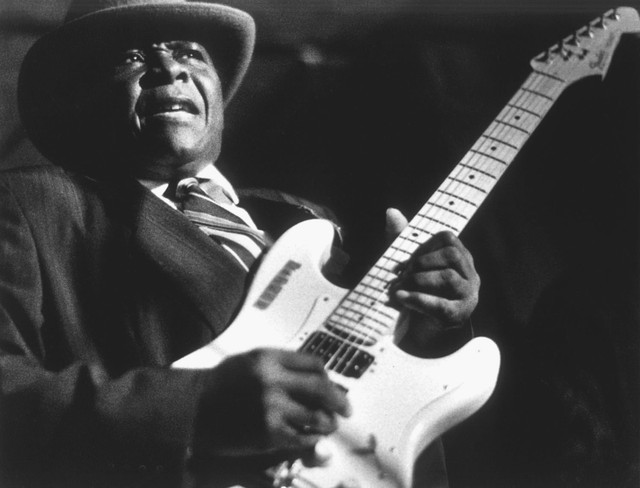
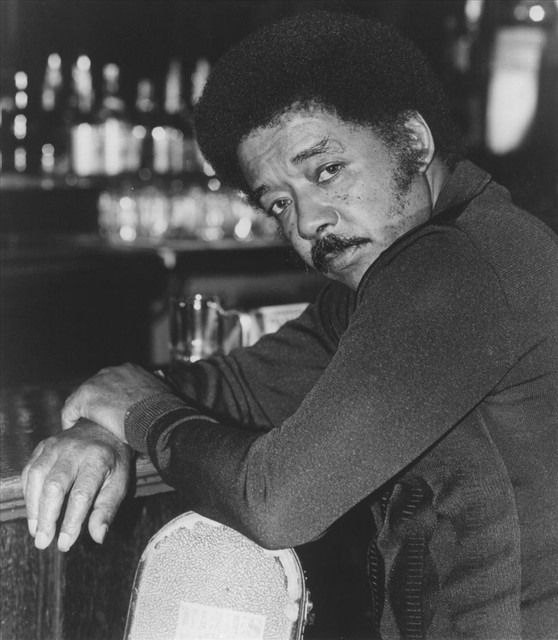
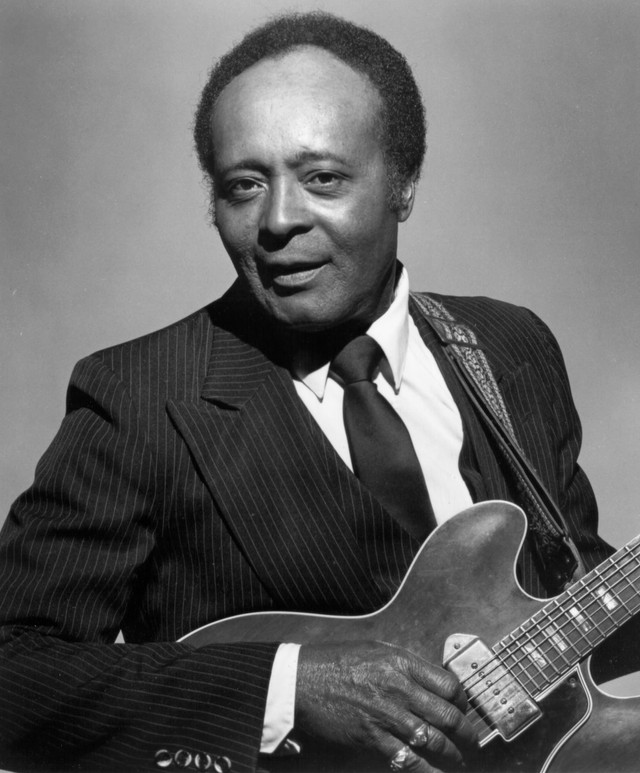
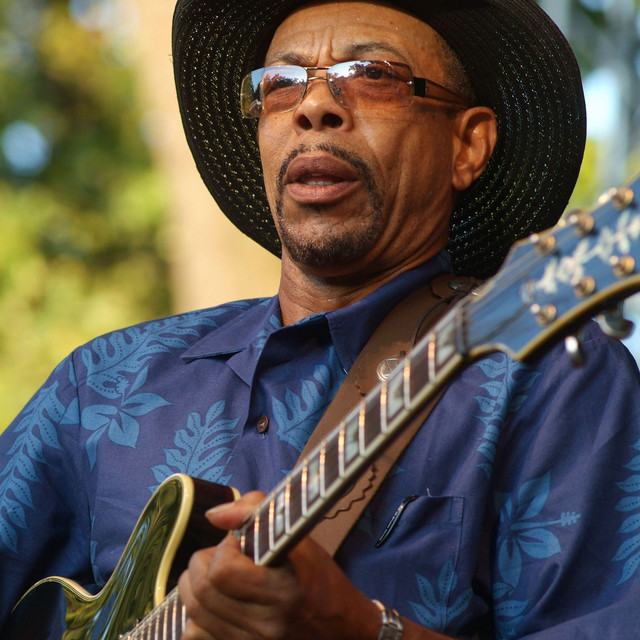
Guitarist Lacy Gibson was an underappreciated figure on the Windy City circuit for decades. Born in 1936, Lacy and his family left North Carolina for Chicago in 1949. It didn't take long for Gibson to grow entranced by the local action -- he learned from veterans <a href="spotify:artist:5IrMTnoQ7OgoLpFfsisXX2">Sunnyland Slim</a> and <a href="spotify:artist:4y6J8jwRAwO4dssiSmN91R">Muddy Waters</a> and picked up pointers from immaculate axemen Lefty Bates, <a href="spotify:artist:7nc1uZa6SAT2mgrvoQfn5A">Matt "Guitar" Murphy</a>, and <a href="spotify:artist:2IJ3JAigmZesIQ7Wc3LPqJ">Wayne Bennett</a>. Gibson made a name for himself as a session player in 1963, assuming rhythm guitar duties on sides by <a href="spotify:artist:7rmHrwuyVuFNIvikHchsQn">Willie Mabon</a> for USA, <a href="spotify:artist:5Y1fDUKYkFE1M4ALzFGdfF">Billy "The Kid" Emerson</a> for M-Pac!, and <a href="spotify:artist:2gCsNOpiBaMNh20jQ5prf0">Buddy Guy</a> on <a href="spotify:search:label%3A%22Chess%22">Chess</a>. Gibson made his vocal debut on the self-penned blues ballad "My Love Is Real" at <a href="spotify:search:label%3A%22Chess%22">Chess</a> during the same year, though it wasn't released at the time (when it belatedly emerged, it was mistakenly attributed to <a href="spotify:artist:2gCsNOpiBaMNh20jQ5prf0">Guy</a>).
A couple of bargain basement 45s for the remarkably obscure Repeto logo (that's precisely where they were done -- in Lacy Gibson's basement!) preceded Gibson's album debut for then brother-in-law <a href="spotify:artist:0tIODqvzGUoEaK26rK4pvX">Sun Ra</a>'s <a href="spotify:search:label%3A%22El+Saturn%22">El Saturn</a> label. Ralph Bass produced an album by Gibson in 1977, but the results weren't issued at the time (<a href="spotify:search:label%3A%22Delmark%22">Delmark</a> released it as Crying for My Baby in 1996).
A stint as <a href="spotify:artist:0phMS1UDPTZlxuEnarDUKt">Son Seals</a>' rhythm axeman (he's on <a href="spotify:artist:6jdObwsrIjSRnBbMw6lPBj">Seals</a>' Live and Burning LP) provided an entrée to <a href="spotify:search:label%3A%22Alligator+Records%22">Alligator Records</a>, which included four fine sides by Gibson on its second batch of Living Chicago Blues anthologies in 1980. Best of all was a Dick Shurman-produced album for the Dutch <a href="spotify:search:label%3A%22Black+Magic%22">Black Magic</a> logo in 1982, Switchy Titchy, which brilliantly spotlighted Gibson's clean fretwork and hearty vocals. Health issues plagued him after that, although he resurfaced briefly in the mid-'90s. Lacy Gibson died of a heart attack in April of 2011; he was 74 years old. ~ Bill Dahl, Rovi
A couple of bargain basement 45s for the remarkably obscure Repeto logo (that's precisely where they were done -- in Lacy Gibson's basement!) preceded Gibson's album debut for then brother-in-law <a href="spotify:artist:0tIODqvzGUoEaK26rK4pvX">Sun Ra</a>'s <a href="spotify:search:label%3A%22El+Saturn%22">El Saturn</a> label. Ralph Bass produced an album by Gibson in 1977, but the results weren't issued at the time (<a href="spotify:search:label%3A%22Delmark%22">Delmark</a> released it as Crying for My Baby in 1996).
A stint as <a href="spotify:artist:0phMS1UDPTZlxuEnarDUKt">Son Seals</a>' rhythm axeman (he's on <a href="spotify:artist:6jdObwsrIjSRnBbMw6lPBj">Seals</a>' Live and Burning LP) provided an entrée to <a href="spotify:search:label%3A%22Alligator+Records%22">Alligator Records</a>, which included four fine sides by Gibson on its second batch of Living Chicago Blues anthologies in 1980. Best of all was a Dick Shurman-produced album for the Dutch <a href="spotify:search:label%3A%22Black+Magic%22">Black Magic</a> logo in 1982, Switchy Titchy, which brilliantly spotlighted Gibson's clean fretwork and hearty vocals. Health issues plagued him after that, although he resurfaced briefly in the mid-'90s. Lacy Gibson died of a heart attack in April of 2011; he was 74 years old. ~ Bill Dahl, Rovi
Monthly Listeners
12,872
Monthly Listeners History
Track the evolution of monthly listeners over the last 28 days.
Followers
1,504
Followers History
Track the evolution of followers over the last 28 days.
Top Cities
243 listeners

154 listeners

131 listeners

131 listeners

130 listeners