Data may be outdated
Last updated: 7 months ago — Click refresh to get the latest statistics.
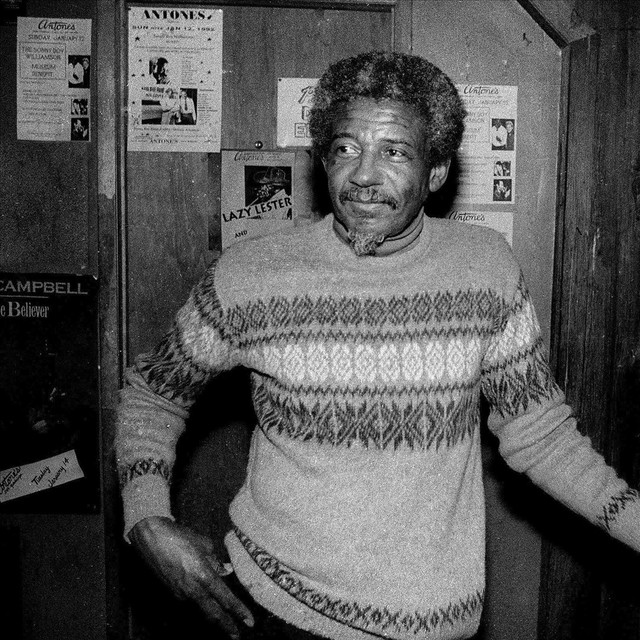
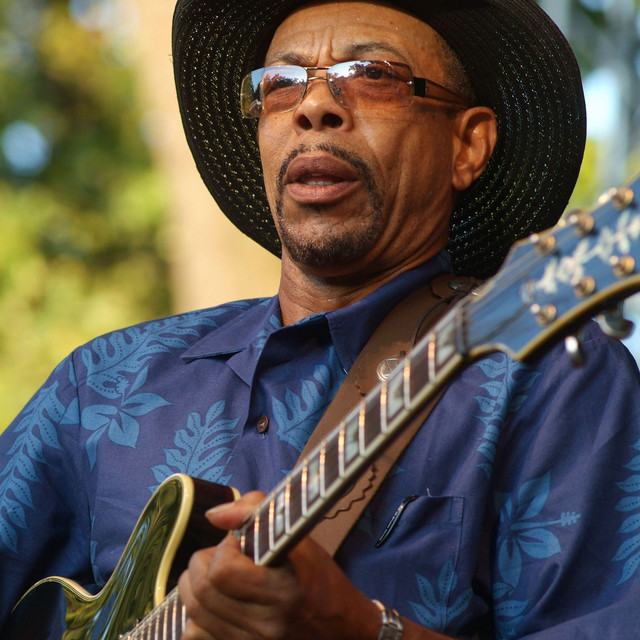
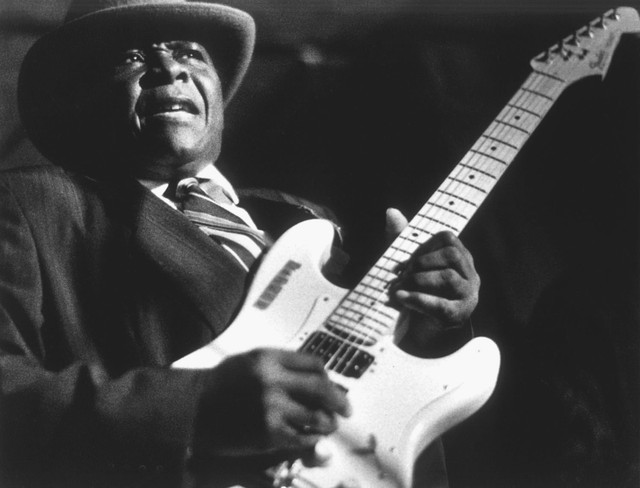
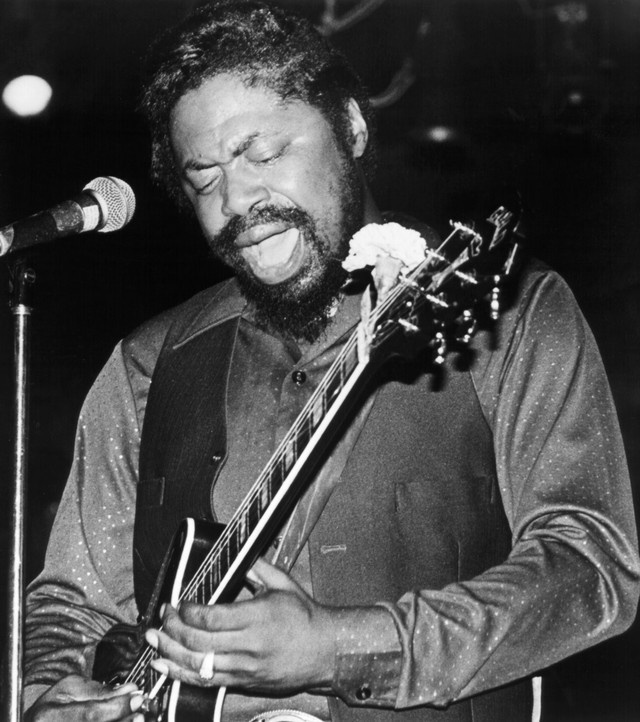
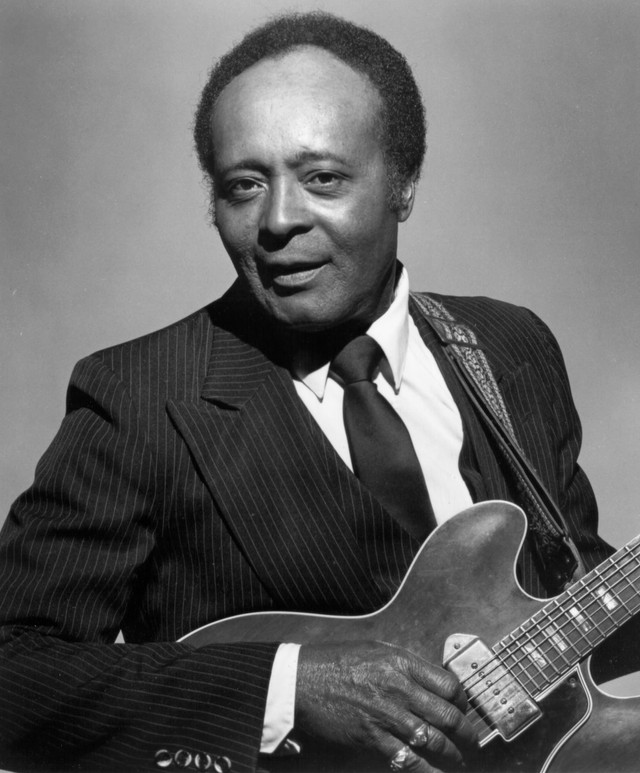
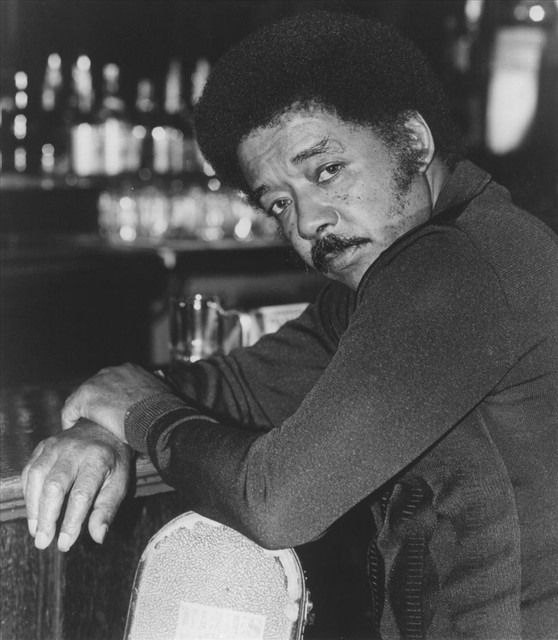
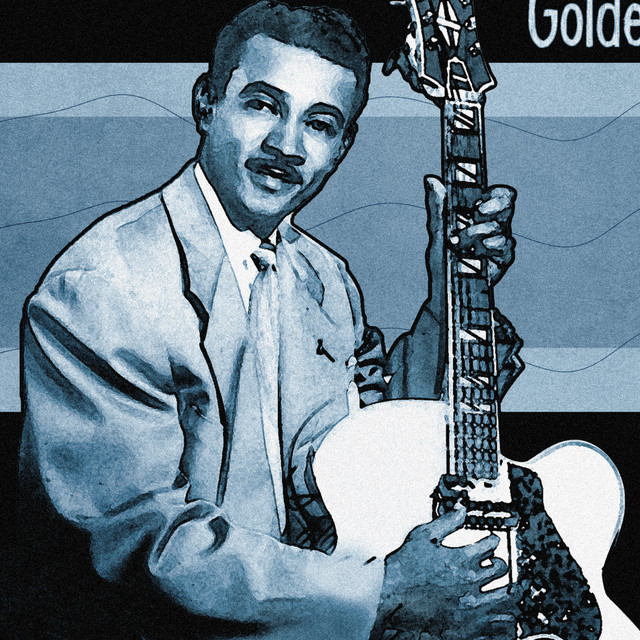
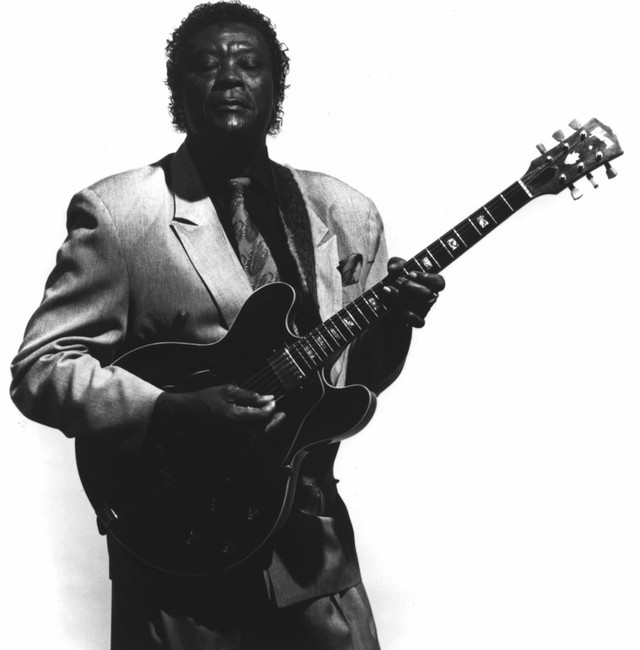
Luther "Guitar Junior" Johnson was a blues guitarist with an impressive résumé, backing <a href="spotify:artist:4y6J8jwRAwO4dssiSmN91R">Muddy Waters</a>, <a href="spotify:artist:0XErJwG6aCEj7NpKsEZrrO">Magic Sam</a>, and <a href="spotify:artist:1yNOfXGQNGjAynk77wv85x">John Lee Hooker</a> before he found fame on his own, earning a following for his soulful vocal style and incisive guitar work. A solid performer in the Chicago style, Johnson found his greatest success while working out of New England, with 1990's I Want to Groove with You and 1992's It's Good to Me capturing his impassioned attack and wiry soloing. Latter-day efforts like 2001's Talkin' About Soul showed he'd lost none of his swagger with the passage of time, and 2020's Won't Be Back No More was an intimate acoustic set that captured the guitarist at his most personal.
Luther Johnson was born in Itta Bena, Mississippi on April 11, 1939. His earliest exposure to music came from singing gospel music in church, and he also developed a taste for blues music, seeing performances by <a href="spotify:artist:69VgCcXFV59QuQWEXSTxfK">Sonny Boy Williamson</a> and <a href="spotify:artist:1ycL0Ct3hz0glGDIwsUyNG">Robert Nighthawk</a>. Encouraging his love of music, Johnson's mother bought him a guitar, which his cousin taught him to tune. Johnson's family moved to Chicago in 1955, where he took up singing, landing a gig as vocalist with Ray Scott's band. Emboldened by Scott's guitarist Floyd Murphy, Johnson put a new focus on his guitar work, and moved on to Tall Milton Shelton's group, where he sang and played bass. In 1962, Shelton gave up music to become a pastor, and Johnson became the band's new frontman, giving him his first chance to perform as a headliner. In the mid-'60s, Johnson spent a few years working in <a href="spotify:artist:0XErJwG6aCEj7NpKsEZrrO">Magic Sam</a>'s band, and <a href="spotify:artist:0XErJwG6aCEj7NpKsEZrrO">Sam</a>'s style became a key influence. Johnson went on to be a respected journeyman in the South Side blues scene, playing with the likes of <a href="spotify:artist:7LdFlcnzWpySPKngmFCnLi">Bobby Rush</a>, <a href="spotify:artist:5IrMTnoQ7OgoLpFfsisXX2">Sunnyland Slim</a>, and <a href="spotify:artist:7HmW0ENiK2RblSh3CpOAnR">Willie Kent</a>, and in 1972, he cut a single for the local Big Beat label.
In 1972, Johnson had the opportunity to sit in with <a href="spotify:artist:4y6J8jwRAwO4dssiSmN91R">Muddy Waters</a>, and the iconic bluesman offered him a spot as guitarist in his band. It was a plum gig that saw him performing for audiences around the world, and his reputation grew to the point that he cut an album in 1975 with <a href="spotify:artist:4piaw0UhXEi9S0G5CyJo2B">Jimmy Johnson</a>, Ma Bea's Rock, and a pair of LPs for the European <a href="spotify:search:label%3A%22Black+%26+Blue%22">Black & Blue</a> label; <a href="spotify:search:label%3A%22Evidence+Records%22">Evidence Records</a> later reissued some of the <a href="spotify:search:label%3A%22Black+%26+Blue%22">Black & Blue</a> sessions on the album Luther's Blues. When <a href="spotify:artist:4y6J8jwRAwO4dssiSmN91R">Waters</a>' band split up in 1980, Johnson was one of several members who joined the <a href="spotify:artist:6I7OMbNzGV9i6nhwxocHU4">Legendary Blues Band</a>, and as part of the group, he appeared with <a href="spotify:artist:1yNOfXGQNGjAynk77wv85x">John Lee Hooker</a> in the 1980 film The Blues Brothers. That same year, Johnson cut a handful of tracks as a bandleader that were released by <a href="spotify:search:label%3A%22Alligator+Records%22">Alligator Records</a> on Vol. 4 of their Living Chicago Blues series.
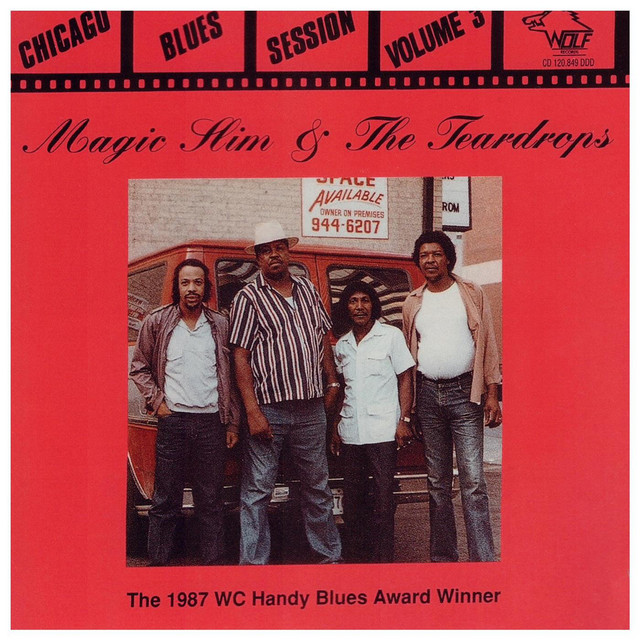
In the early 1980s, Johnson left Chicago for Boston, and assembled a new band, <a href="spotify:artist:4kPGNsk67ajJftOnYatf7A">Luther "Guitar Junior" Johnson and the Magic Rockers</a>. It didn't take long for them to make a splash on the New England blues scene, and in 1984 they recorded an album for the <a href="spotify:search:label%3A%22Rooster+Blues%22">Rooster Blues</a> label, Doin' the Sugar Too, that included the <a href="spotify:artist:2ngCOxUAUuIwjkl4qYX51L">Roomful of Blues</a> horns on several tracks. That same year, the band's appearance at the Montreux Jazz Festival was recorded for inclusion on an album titled Blues Explosion, also featuring <a href="spotify:artist:5fsDcuclIe8ZiBD5P787K1">Stevie Ray Vaughan</a>, <a href="spotify:artist:04qIJRFjTmvW5I1DMyGE1R">Koko Taylor</a>, and <a href="spotify:artist:471Ycbmda1lAuLMscQvxMR">John Hammond</a>; the LP won a Grammy Award for Best Traditional Blues Recording. In 1990, <a href="spotify:artist:4kPGNsk67ajJftOnYatf7A">Johnson and the Magic Rockers</a> struck a deal with the <a href="spotify:search:label%3A%22Rounder%22">Rounder</a>-distributed <a href="spotify:search:label%3A%22Bullseye+Blues%22">Bullseye Blues</a> label, who released the disc I Want to Groove with You. The album was well-reviewed and racked up solid sales, and he'd make two more LPs for <a href="spotify:search:label%3A%22Bullseye+Blues%22">Bullseye Blues</a>, 1992's It's Good to Me and 1994's Country Sugar Papa; they also reissued Doin' the Sugar Too in 1997.
Johnson next struck a deal with <a href="spotify:search:label%3A%22Telarc+Records%22">Telarc Records</a>, and his first release for the label, Slammin' on the West Side, included several guest artists from New Orleans, including bassist <a href="spotify:artist:2KDZHHE0Ca7LVqpzUH7y8a">George Porter, Jr.</a> of <a href="spotify:artist:2JRvXPGWiINrnJljNJhG5s">the Meters</a> and drummer Herman V. Ernest III, a longtime fixture in <a href="spotify:artist:320TrJub4arztwXRm7kqVO">Dr. John</a>'s band. Johnson would cut two more studio projects for <a href="spotify:search:label%3A%22Telarc%22">Telarc</a>, 1998's Got to Find a Way and 2001's Talkin' About Soul, while a September 1995 show in Antrim, New Hampshire (where Johnson had relocated) was recorded for release in 1999 by <a href="spotify:search:label%3A%22M.C.+Records%22">M.C. Records</a> as Live at the Rynborn. While Johnson continued to perform, he stepped away from his recording commitments and moved to Florida in 2017. In 2020, Johnson recorded a solo acoustic set for his fans, Won't Be Back No More. The title proved to be sadly prophetic; it was his last release. Luther "Guitar Junior" Johnson died on December 25, 2022, in Miami at the age of 83. ~ Mark Deming, Rovi
Luther Johnson was born in Itta Bena, Mississippi on April 11, 1939. His earliest exposure to music came from singing gospel music in church, and he also developed a taste for blues music, seeing performances by <a href="spotify:artist:69VgCcXFV59QuQWEXSTxfK">Sonny Boy Williamson</a> and <a href="spotify:artist:1ycL0Ct3hz0glGDIwsUyNG">Robert Nighthawk</a>. Encouraging his love of music, Johnson's mother bought him a guitar, which his cousin taught him to tune. Johnson's family moved to Chicago in 1955, where he took up singing, landing a gig as vocalist with Ray Scott's band. Emboldened by Scott's guitarist Floyd Murphy, Johnson put a new focus on his guitar work, and moved on to Tall Milton Shelton's group, where he sang and played bass. In 1962, Shelton gave up music to become a pastor, and Johnson became the band's new frontman, giving him his first chance to perform as a headliner. In the mid-'60s, Johnson spent a few years working in <a href="spotify:artist:0XErJwG6aCEj7NpKsEZrrO">Magic Sam</a>'s band, and <a href="spotify:artist:0XErJwG6aCEj7NpKsEZrrO">Sam</a>'s style became a key influence. Johnson went on to be a respected journeyman in the South Side blues scene, playing with the likes of <a href="spotify:artist:7LdFlcnzWpySPKngmFCnLi">Bobby Rush</a>, <a href="spotify:artist:5IrMTnoQ7OgoLpFfsisXX2">Sunnyland Slim</a>, and <a href="spotify:artist:7HmW0ENiK2RblSh3CpOAnR">Willie Kent</a>, and in 1972, he cut a single for the local Big Beat label.
In 1972, Johnson had the opportunity to sit in with <a href="spotify:artist:4y6J8jwRAwO4dssiSmN91R">Muddy Waters</a>, and the iconic bluesman offered him a spot as guitarist in his band. It was a plum gig that saw him performing for audiences around the world, and his reputation grew to the point that he cut an album in 1975 with <a href="spotify:artist:4piaw0UhXEi9S0G5CyJo2B">Jimmy Johnson</a>, Ma Bea's Rock, and a pair of LPs for the European <a href="spotify:search:label%3A%22Black+%26+Blue%22">Black & Blue</a> label; <a href="spotify:search:label%3A%22Evidence+Records%22">Evidence Records</a> later reissued some of the <a href="spotify:search:label%3A%22Black+%26+Blue%22">Black & Blue</a> sessions on the album Luther's Blues. When <a href="spotify:artist:4y6J8jwRAwO4dssiSmN91R">Waters</a>' band split up in 1980, Johnson was one of several members who joined the <a href="spotify:artist:6I7OMbNzGV9i6nhwxocHU4">Legendary Blues Band</a>, and as part of the group, he appeared with <a href="spotify:artist:1yNOfXGQNGjAynk77wv85x">John Lee Hooker</a> in the 1980 film The Blues Brothers. That same year, Johnson cut a handful of tracks as a bandleader that were released by <a href="spotify:search:label%3A%22Alligator+Records%22">Alligator Records</a> on Vol. 4 of their Living Chicago Blues series.
In the early 1980s, Johnson left Chicago for Boston, and assembled a new band, <a href="spotify:artist:4kPGNsk67ajJftOnYatf7A">Luther "Guitar Junior" Johnson and the Magic Rockers</a>. It didn't take long for them to make a splash on the New England blues scene, and in 1984 they recorded an album for the <a href="spotify:search:label%3A%22Rooster+Blues%22">Rooster Blues</a> label, Doin' the Sugar Too, that included the <a href="spotify:artist:2ngCOxUAUuIwjkl4qYX51L">Roomful of Blues</a> horns on several tracks. That same year, the band's appearance at the Montreux Jazz Festival was recorded for inclusion on an album titled Blues Explosion, also featuring <a href="spotify:artist:5fsDcuclIe8ZiBD5P787K1">Stevie Ray Vaughan</a>, <a href="spotify:artist:04qIJRFjTmvW5I1DMyGE1R">Koko Taylor</a>, and <a href="spotify:artist:471Ycbmda1lAuLMscQvxMR">John Hammond</a>; the LP won a Grammy Award for Best Traditional Blues Recording. In 1990, <a href="spotify:artist:4kPGNsk67ajJftOnYatf7A">Johnson and the Magic Rockers</a> struck a deal with the <a href="spotify:search:label%3A%22Rounder%22">Rounder</a>-distributed <a href="spotify:search:label%3A%22Bullseye+Blues%22">Bullseye Blues</a> label, who released the disc I Want to Groove with You. The album was well-reviewed and racked up solid sales, and he'd make two more LPs for <a href="spotify:search:label%3A%22Bullseye+Blues%22">Bullseye Blues</a>, 1992's It's Good to Me and 1994's Country Sugar Papa; they also reissued Doin' the Sugar Too in 1997.
Johnson next struck a deal with <a href="spotify:search:label%3A%22Telarc+Records%22">Telarc Records</a>, and his first release for the label, Slammin' on the West Side, included several guest artists from New Orleans, including bassist <a href="spotify:artist:2KDZHHE0Ca7LVqpzUH7y8a">George Porter, Jr.</a> of <a href="spotify:artist:2JRvXPGWiINrnJljNJhG5s">the Meters</a> and drummer Herman V. Ernest III, a longtime fixture in <a href="spotify:artist:320TrJub4arztwXRm7kqVO">Dr. John</a>'s band. Johnson would cut two more studio projects for <a href="spotify:search:label%3A%22Telarc%22">Telarc</a>, 1998's Got to Find a Way and 2001's Talkin' About Soul, while a September 1995 show in Antrim, New Hampshire (where Johnson had relocated) was recorded for release in 1999 by <a href="spotify:search:label%3A%22M.C.+Records%22">M.C. Records</a> as Live at the Rynborn. While Johnson continued to perform, he stepped away from his recording commitments and moved to Florida in 2017. In 2020, Johnson recorded a solo acoustic set for his fans, Won't Be Back No More. The title proved to be sadly prophetic; it was his last release. Luther "Guitar Junior" Johnson died on December 25, 2022, in Miami at the age of 83. ~ Mark Deming, Rovi
Monthly Listeners
13,334
Monthly Listeners History
Track the evolution of monthly listeners over the last 28 days.
Followers
5,471
Followers History
Track the evolution of followers over the last 28 days.
Top Cities
199 listeners

153 listeners

145 listeners
140 listeners

127 listeners

Related Artists

J. B. Hutto