Data may be outdated
Last updated: 9 months ago — Click refresh to get the latest statistics.
Composer Jean Françaix wrote in an accessible, attractive style that often led listeners and commentators to ignore the depth and originality present in much of his music. His father was the director of the Le Mans Conservatory. His mother was a teacher and choir director on its staff. He began to study piano when he was four. Before he was ten he had music lessons from Isidor Philipp (piano) and <a href="spotify:artist:1vfC2bld90kx966JTCSwf7">Nadia Boulanger</a> (harmony, counterpoint, composition). He published a composition at the age of ten, Pour Jacqueline, a piano suite dedicated to his baby cousin.
In 1930 he won first prize in piano at the Paris Conservatory. <a href="spotify:artist:5fL4LVKRLKkyN1Xalpt0xx">Pierre Monteux</a> premiered his Symphony in 1932. In the same year he wrote his Concertino for Piano & Orchestra. The premiere of the work in 1934 made Françaix's reputation. He quickly came into demand. Ballets Russes de Monte Carlo commissioned a ballet, Scuola di ballo (Dance School), choreographed by Léonide Massine, based on themes of Boccherini. Another ballet, Le Roi nu (The Naked King or The Emperor's New Clothes), was premiered by the Paris Opera in 1935. He wrote a piano concerto in 1936 and played it on his first American trip, in 1938. He toured often with cellist Maurice Gendron, the Trio Pasquier, and later, with his daughter Claude as a piano duo partner.
Françaix was also known for his orchestrations of works by Chopin, Schubert, Chabrier, and Mozart. Poulenc requested that Françaix orchestrate L'histoire de Babar for him. Françaix transcribed many of his own works for the Mainz Wind Ensemble.
The light, witty character of Françaix's music has caused some to dismiss it as frivolous. Others have decried the fact that his style remained static throughout his life. In reality, he had found all he needed and achieved his mature voice immediately. His orchestrations are always clear and sparkling, his forms precise and neo-Classical, his emotions reserved. Françaix had little use for the Romantic esthetic of the composer pouring his inner soul into the music. In this, he was primarily influenced by <a href="spotify:artist:17hR0sYHpx7VYTMRfFUOmY">Ravel</a>. However, he sometimes wrote works of great depth. His masterwork among this sort of composition is L'Apocalypse de St Jean, written in 1939, the year World War II began. The work is mystical, even ecstatic, with plain flowing melodies reminiscent of old chant. It was premiered in 1942 at the Conservatory, conducted by <a href="spotify:artist:2RKnompMfdeZsyis6Gs4ce">Charles Munch</a>. It was played at a memorial concert for Françaix in Le Mans in 1999, its first French performance since 1951.
In 1930 he won first prize in piano at the Paris Conservatory. <a href="spotify:artist:5fL4LVKRLKkyN1Xalpt0xx">Pierre Monteux</a> premiered his Symphony in 1932. In the same year he wrote his Concertino for Piano & Orchestra. The premiere of the work in 1934 made Françaix's reputation. He quickly came into demand. Ballets Russes de Monte Carlo commissioned a ballet, Scuola di ballo (Dance School), choreographed by Léonide Massine, based on themes of Boccherini. Another ballet, Le Roi nu (The Naked King or The Emperor's New Clothes), was premiered by the Paris Opera in 1935. He wrote a piano concerto in 1936 and played it on his first American trip, in 1938. He toured often with cellist Maurice Gendron, the Trio Pasquier, and later, with his daughter Claude as a piano duo partner.
Françaix was also known for his orchestrations of works by Chopin, Schubert, Chabrier, and Mozart. Poulenc requested that Françaix orchestrate L'histoire de Babar for him. Françaix transcribed many of his own works for the Mainz Wind Ensemble.
The light, witty character of Françaix's music has caused some to dismiss it as frivolous. Others have decried the fact that his style remained static throughout his life. In reality, he had found all he needed and achieved his mature voice immediately. His orchestrations are always clear and sparkling, his forms precise and neo-Classical, his emotions reserved. Françaix had little use for the Romantic esthetic of the composer pouring his inner soul into the music. In this, he was primarily influenced by <a href="spotify:artist:17hR0sYHpx7VYTMRfFUOmY">Ravel</a>. However, he sometimes wrote works of great depth. His masterwork among this sort of composition is L'Apocalypse de St Jean, written in 1939, the year World War II began. The work is mystical, even ecstatic, with plain flowing melodies reminiscent of old chant. It was premiered in 1942 at the Conservatory, conducted by <a href="spotify:artist:2RKnompMfdeZsyis6Gs4ce">Charles Munch</a>. It was played at a memorial concert for Françaix in Le Mans in 1999, its first French performance since 1951.
Monthly Listeners
9,203
Monthly Listeners History
Track the evolution of monthly listeners over the last 28 days.
Followers
2,700
Followers History
Track the evolution of followers over the last 28 days.
Top Cities
133 listeners

121 listeners

106 listeners

77 listeners

75 listeners

Related Artists
Carl Reinecke
Joseph Jongen
Peter Henderson

Florent Schmitt
André Jolivet
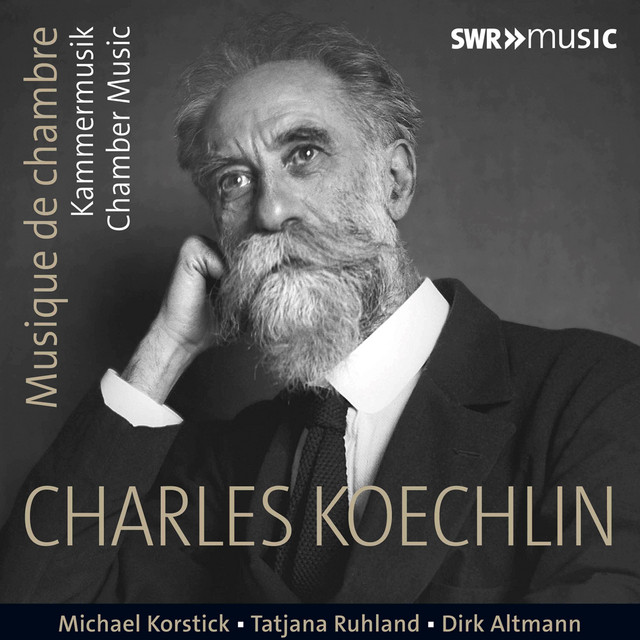
Dirk Altmann
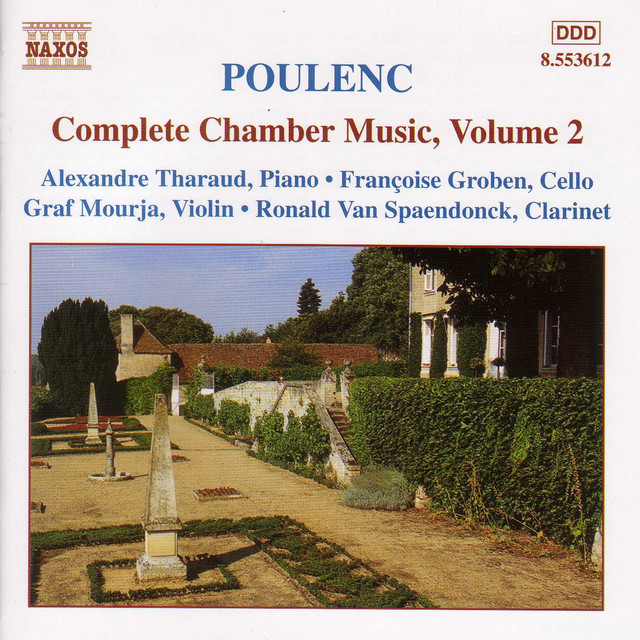
Ronald Van Spaendonck
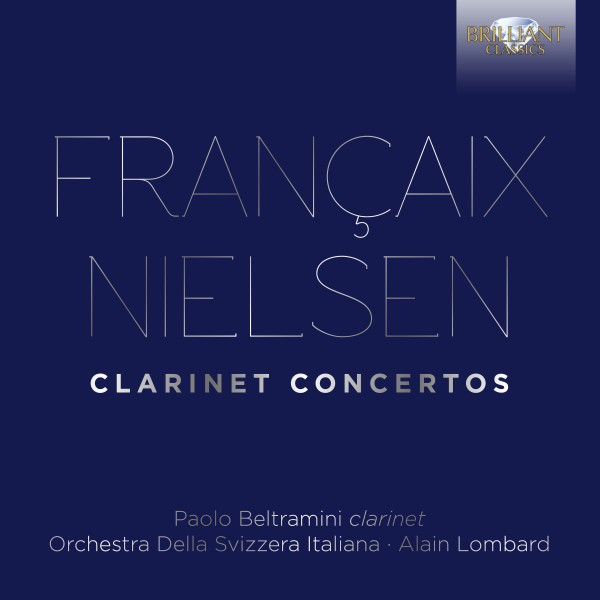
Paolo Beltramini

Emily Beynon

Mobius

Robert Muczynski
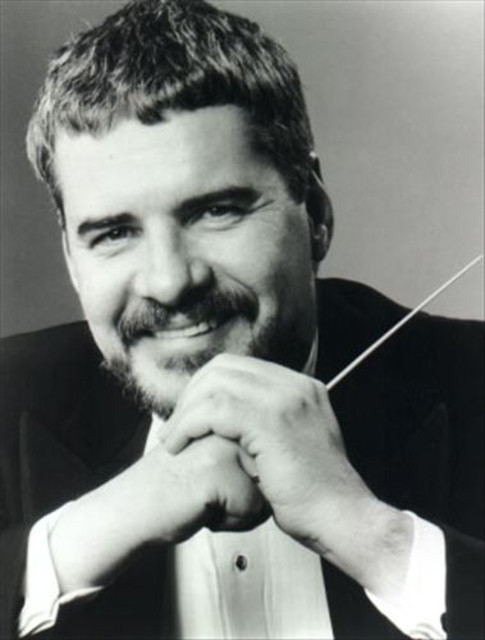
Ransom Wilson

Pierre Max Dubois
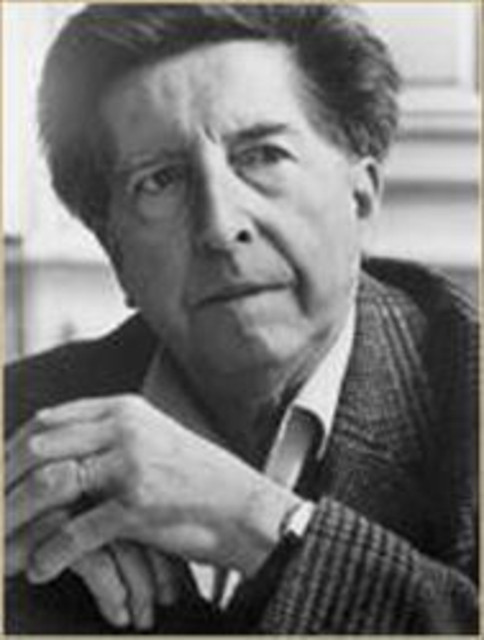
Henri Dutilleux

Béla Kovács
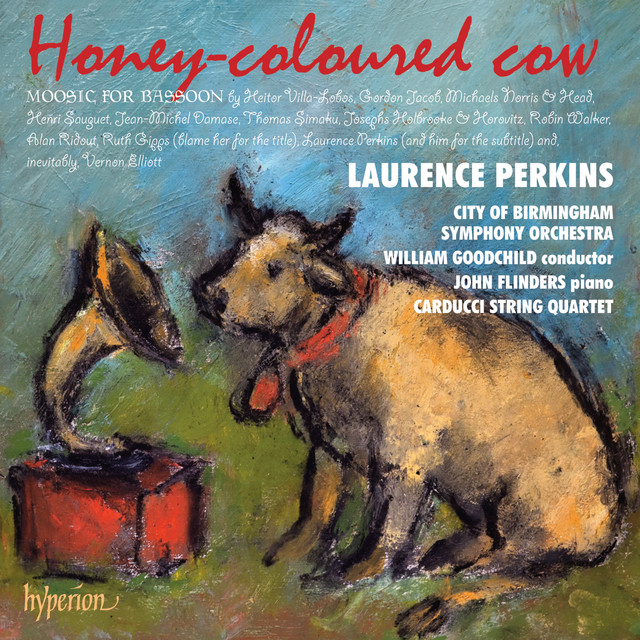
Laurence Perkins
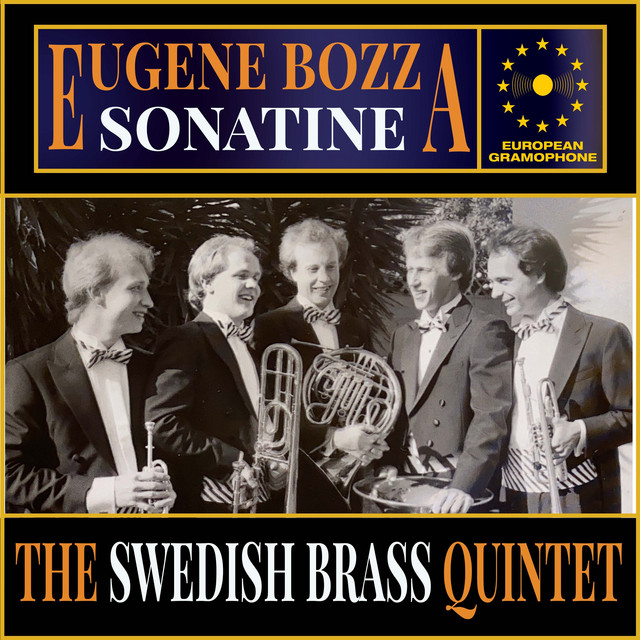
Eugène Bozza
Franz Doppler

Christopher Millard

Susan Milan

August Klughardt

Clémence de Grandval

Paul Taffanel
Arno Bornkamp
Rafael Rodriguez Albert

Einar Englund

Antonio Pasculli