Data may be outdated
Last updated: 9 months ago — Click refresh to get the latest statistics.
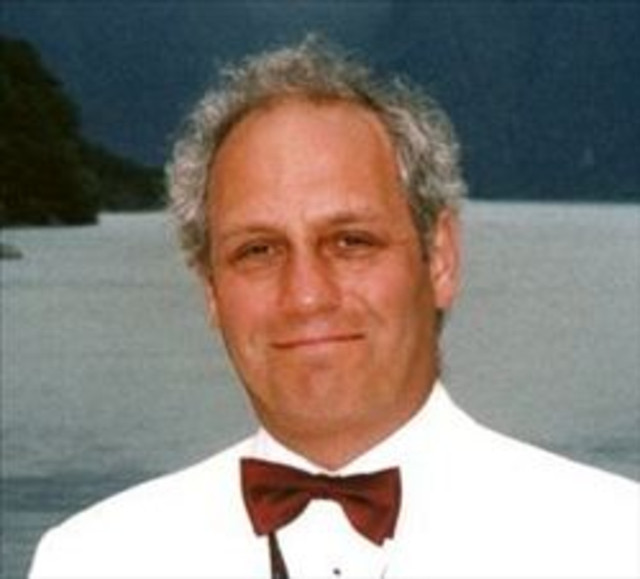
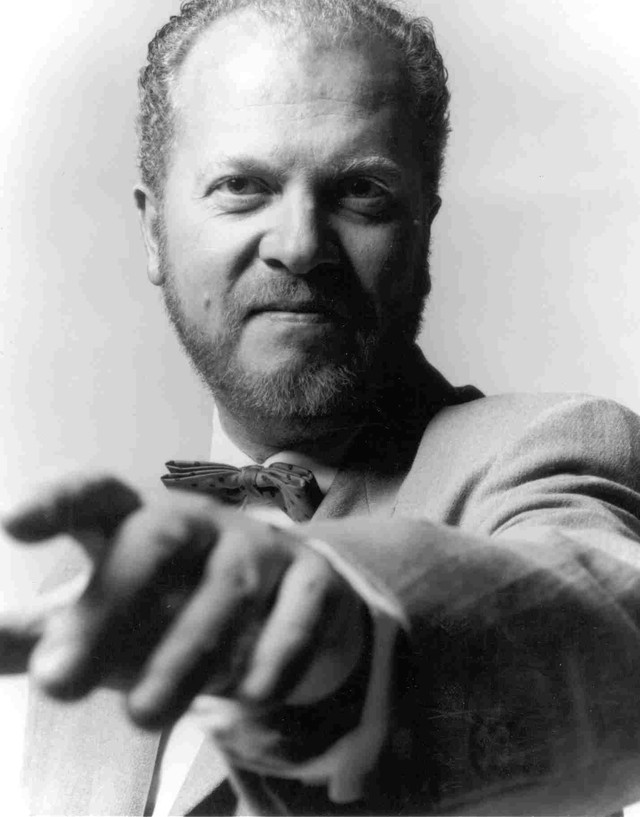
Pianist Gerhard Oppitz is noted for his complete recorded cycles of the music of various composers. He was a longtime member of the faculty at the Hochschule für Musik und Theater in Munich.
Oppitz was born in Frauenau, Bavaria, in what was then West Germany, on February 5, 1953. He took up the piano at five, and at 11, he gave his first public recital in Stuttgart. There, he was heard by a local music professor, Paul Buck, with whom he studied. He went for further studies with <a href="spotify:artist:5fv0mHVyQBu6NXZCFZfunT">Hugo Steurer</a> in Munich. However, his major mentor was pianist <a href="spotify:artist:4F0h097DbL1XBqIbDw2xOj">Wilhelm Kempff</a>, whom he met in 1973. The regard was mutual; before his death, <a href="spotify:artist:4F0h097DbL1XBqIbDw2xOj">Kempff</a> stated that he thought Oppitz could continue the pianistic tradition of which he himself was a part. In 1977, Oppitz won the Artur Rubinstein Competition in Tel Aviv, Israel, becoming the first German pianist so honored. In 1978, he recorded his first LP. Three years later, he joined the faculty of the Hochschule für Musik und Theater in Munich, becoming the school's youngest instructor in history.
As a recording artist, Oppitz focused mostly on mainstream repertory from <a href="spotify:artist:4NJhFmfw43RLBLjQvxDuRS">Mozart</a> to the late 19th century, but as a performer, he also often played modern works by <a href="spotify:artist:2prZJWfQMnIgwUKxKcBxH7">Boulez</a>, <a href="spotify:artist:7xkiLJgEoKMVDgTh0s2Mqu">Henze</a>, <a href="spotify:artist:1zb5zmIuX2lTbzcn7YeQlg">Ligeti</a>, <a href="spotify:artist:6CS9O2pE67oq44GZuBEBuD">Messiaen</a>, and others. He is fluent in seven languages and is a licensed pilot who often flies his own plane to concert engagements. He has appeared as a concerto soloist and recitalist in many of Europe's major concert halls. Oppitz is widely recognized as a specialist in the music of <a href="spotify:artist:5wTAi7QkpP6kp8a54lmTOq">Brahms</a>, whose complete works for keyboard he recorded. He has also recorded the complete piano sonatas of Beethoven and <a href="spotify:artist:4NJhFmfw43RLBLjQvxDuRS">Mozart</a> and the complete solo piano works of Schubert and Grieg. Oppitz has made one of the few recordings of <a href="spotify:artist:2qpchAUtJNY45rG7auwQgz">Max Reger</a>'s difficult Piano Concerto, Op. 114. He has recorded for various labels, but the majority of his work has been released by <a href="spotify:search:label%3A%22RCA%22">RCA</a> and, more recently, by <a href="spotify:search:label%3A%22H%C3%A4nssler+Classic%22">Hänssler Classic</a>. Oppitz retired from the Hochschule für Musik und Theater in 2013 but continued to perform and record. In 2023, he released an album of Schumann's piano works on <a href="spotify:search:label%3A%22H%C3%A4nssler+Classic%22">Hänssler Classic</a>. By that time, his recording catalog comprised some 75 CDs, plus LPs from the late '70s and early '80s. ~ James Manheim, Rovi
Oppitz was born in Frauenau, Bavaria, in what was then West Germany, on February 5, 1953. He took up the piano at five, and at 11, he gave his first public recital in Stuttgart. There, he was heard by a local music professor, Paul Buck, with whom he studied. He went for further studies with <a href="spotify:artist:5fv0mHVyQBu6NXZCFZfunT">Hugo Steurer</a> in Munich. However, his major mentor was pianist <a href="spotify:artist:4F0h097DbL1XBqIbDw2xOj">Wilhelm Kempff</a>, whom he met in 1973. The regard was mutual; before his death, <a href="spotify:artist:4F0h097DbL1XBqIbDw2xOj">Kempff</a> stated that he thought Oppitz could continue the pianistic tradition of which he himself was a part. In 1977, Oppitz won the Artur Rubinstein Competition in Tel Aviv, Israel, becoming the first German pianist so honored. In 1978, he recorded his first LP. Three years later, he joined the faculty of the Hochschule für Musik und Theater in Munich, becoming the school's youngest instructor in history.
As a recording artist, Oppitz focused mostly on mainstream repertory from <a href="spotify:artist:4NJhFmfw43RLBLjQvxDuRS">Mozart</a> to the late 19th century, but as a performer, he also often played modern works by <a href="spotify:artist:2prZJWfQMnIgwUKxKcBxH7">Boulez</a>, <a href="spotify:artist:7xkiLJgEoKMVDgTh0s2Mqu">Henze</a>, <a href="spotify:artist:1zb5zmIuX2lTbzcn7YeQlg">Ligeti</a>, <a href="spotify:artist:6CS9O2pE67oq44GZuBEBuD">Messiaen</a>, and others. He is fluent in seven languages and is a licensed pilot who often flies his own plane to concert engagements. He has appeared as a concerto soloist and recitalist in many of Europe's major concert halls. Oppitz is widely recognized as a specialist in the music of <a href="spotify:artist:5wTAi7QkpP6kp8a54lmTOq">Brahms</a>, whose complete works for keyboard he recorded. He has also recorded the complete piano sonatas of Beethoven and <a href="spotify:artist:4NJhFmfw43RLBLjQvxDuRS">Mozart</a> and the complete solo piano works of Schubert and Grieg. Oppitz has made one of the few recordings of <a href="spotify:artist:2qpchAUtJNY45rG7auwQgz">Max Reger</a>'s difficult Piano Concerto, Op. 114. He has recorded for various labels, but the majority of his work has been released by <a href="spotify:search:label%3A%22RCA%22">RCA</a> and, more recently, by <a href="spotify:search:label%3A%22H%C3%A4nssler+Classic%22">Hänssler Classic</a>. Oppitz retired from the Hochschule für Musik und Theater in 2013 but continued to perform and record. In 2023, he released an album of Schumann's piano works on <a href="spotify:search:label%3A%22H%C3%A4nssler+Classic%22">Hänssler Classic</a>. By that time, his recording catalog comprised some 75 CDs, plus LPs from the late '70s and early '80s. ~ James Manheim, Rovi
Monthly Listeners
12,407
Monthly Listeners History
Track the evolution of monthly listeners over the last 28 days.
Followers
2,231
Followers History
Track the evolution of followers over the last 28 days.
Top Cities





Related Artists

Lilya Zilberstein

Shura Cherkassky
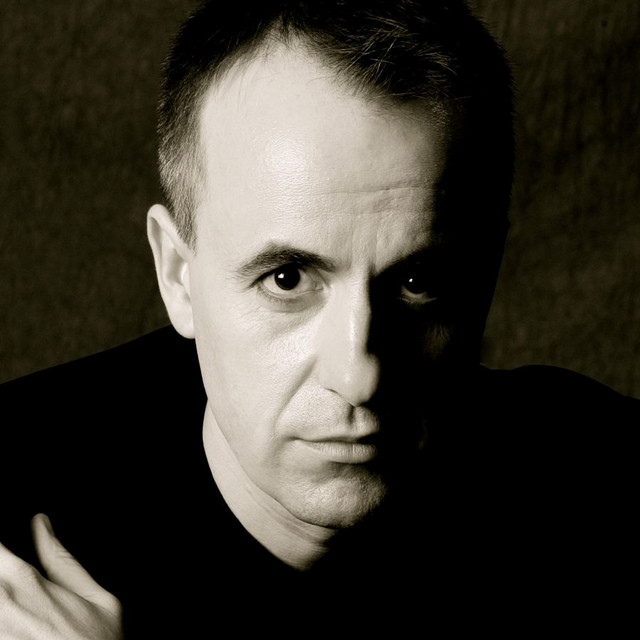
Wolfram Schmitt-Leonardy
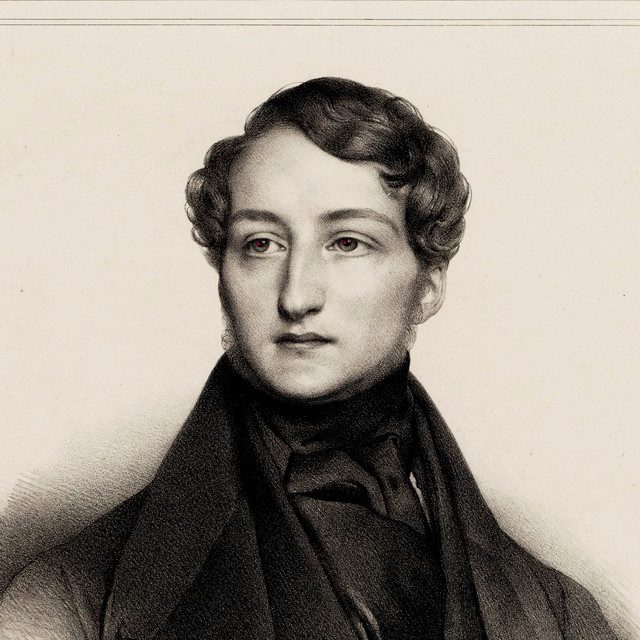
Sigismond Thalberg

Yukio Yokoyama
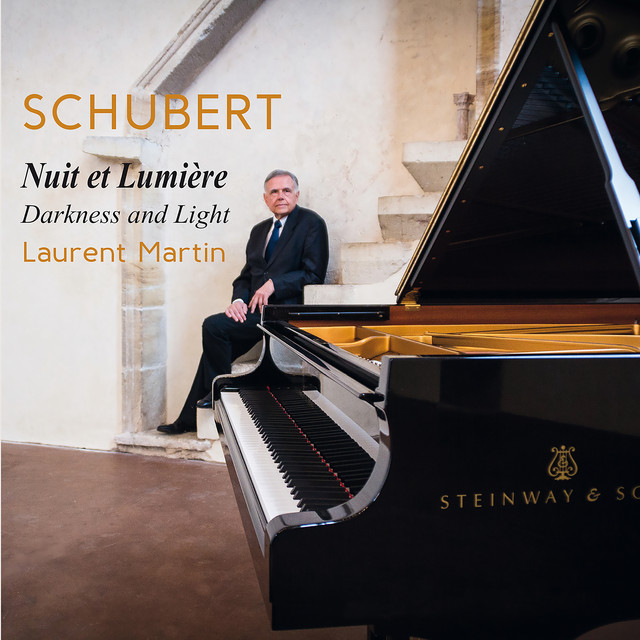
Laurent Martin
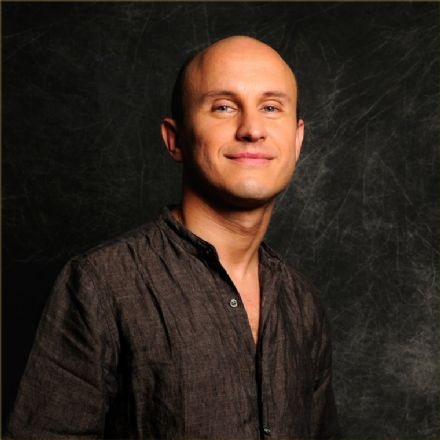
Nelson Goerner

Adolf von Henselt
Joachim Raff

Gottlieb Wallisch

Friedrich Kalkbrenner
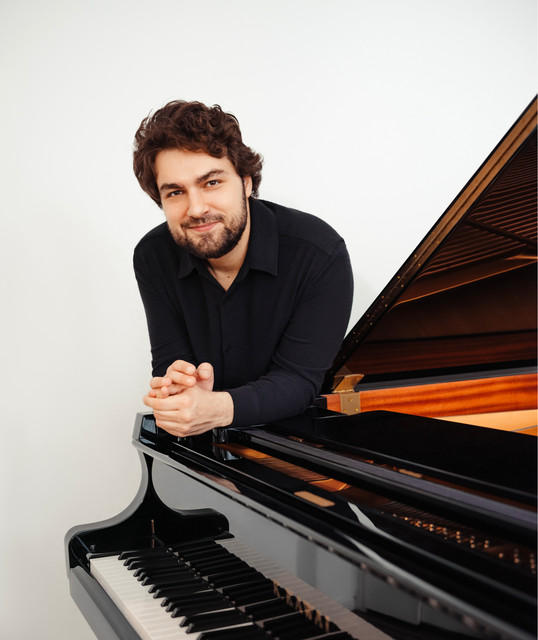
Lukas Geniušas

Karin Lechner


Alexander Tamir
Bracha Eden


Adam Laloum