Data may be outdated
Last updated: 1 month ago — Click refresh to get the latest statistics.
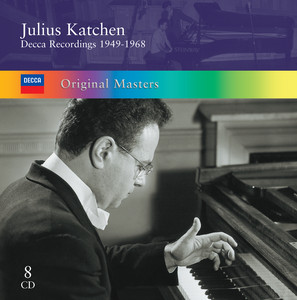
Born to a musical family, Katchen was instructed in the musical arts from his earliest years. His grandmother, formerly a faculty member at the Warsaw Conservatory, was his first piano instructor, while his grandfather taught him theory (his mother, a pianist, had trained at the Fontainebleau School of Music and had made concert appearances in both Europe and America). In 1937, Katchen presented himself to <a href="spotify:artist:3naY4Tq98GRh9K8xOsINyv">Eugene Ormandy</a> and requested that he be permitted to play for him. <a href="spotify:artist:3naY4Tq98GRh9K8xOsINyv">Ormandy</a> was sufficiently impressed to engage the lad for an appearance with the <a href="spotify:artist:6tdexW8bZTG8NgOFUCYQn1">Philadelphia Orchestra</a>. The October 21, 1937, concert found Katchen performing <a href="spotify:artist:4NJhFmfw43RLBLjQvxDuRS">Mozart</a>'s Concerto in D minor to high praise. Following this glowing reception, the 11-year-old pianist was invited to perform at a pension fund concert with the <a href="spotify:artist:3gacryguGmpmCvgPGt2CBI">New York Philharmonic</a> the following month. Critic Lawrence Gilman was moved to recall the debut of <a href="spotify:artist:03wQEnXSEAI6GmOKZ90G25">Josef Hofmann</a> as a prodigy a half century before. "His fingers are fleet, his conceptions clear and intelligent," wrote Gilman of Katchen. "He has a musicianly feeling for the contour and flow and rhythm of a phrase and a sense of what is meant by Mozartean style." A New York recital a year later brought even more enthusiastic praise for the youth's musical understanding.
Before his career advanced, however, Katchen's parents chose to place a hold on further public appearances and enroll him instead at Haverford College, where he majored in philosophy and English literature. His break, Katchen often insisted, developed in him the intellectual curiosity that fed his interest in the more mentally challenging works in the repertory.
A fellowship extended by the French government permitted Katchen to travel to Paris in 1946; that cosmopolitan city became his home for the remainder of his life and he lost no time in making himself a formidable presence there and in the rest of Europe, respected for his commanding interpretive thoughtfulness and virtuoso technique. He undertook several highly successful tours of the Continent, winning acclaim in each center he visited. <a href="spotify:search:label%3A%22Decca+Records%22">Decca Records</a> signed him to an exclusive contract and he began recording a bracing cross-section of the repertory with <a href="spotify:artist:5wTAi7QkpP6kp8a54lmTOq">Brahms</a> always at the core. He presented concert performances of <a href="spotify:artist:5wTAi7QkpP6kp8a54lmTOq">Brahms</a>' complete solo piano works in New York, London, Amsterdam, Vienna, and Berlin and was heard with major orchestras in the two piano concertos. In addition to solo appearances, Katchen often took part in chamber music performances, again concentrating on <a href="spotify:artist:5wTAi7QkpP6kp8a54lmTOq">Brahms</a>, but certainly not neglecting other aspects of an extensive personal repertory. <a href="spotify:artist:6olAQ3T7TK9g1IJIq2OTYt">Ned Rorem</a> and <a href="spotify:artist:7MJ1pB5d6Vjmzep2zQlorn">Benjamin Britten</a> were just two contemporary composers to benefit from Katchen's advocacy. To say, as some have, that Katchen never achieved the success in America that was his in Europe fails to account for the far greater portion of his mature years that were spent on the Continent where other cultural stimulations prompted his most involved and productive work. Katchen was also acutely aware of the need to extend the exposure of classical music well beyond its existing ranks -- on December 11, 1968, he was one of a large group of musicians, all but one of them from the rock and blues fields, to perform as part of the Rolling Stones' Rock & Roll Circus, and a segment that was introduced by Brian Jones, no less; alas, due to production and post-production problems, no one got to see any part of Katchen's performance until over three decades later; the pianist himself, terminally ill with cancer, didn't live another six months after this extraordinary event. His tragic death was keenly felt on both sides of the Atlantic.
Monthly Listeners
16,118
Monthly Listeners History
Track the evolution of monthly listeners over the last 28 days.
Followers
5,351
Followers History
Track the evolution of followers over the last 28 days.
Total Streams
86.2 million
Total Streams History
Track the evolution of total streams over the last 28 days. This data is calculated from all tracks listed in the artist's discography.
Top Cities


Related Artists
Karin Lechner

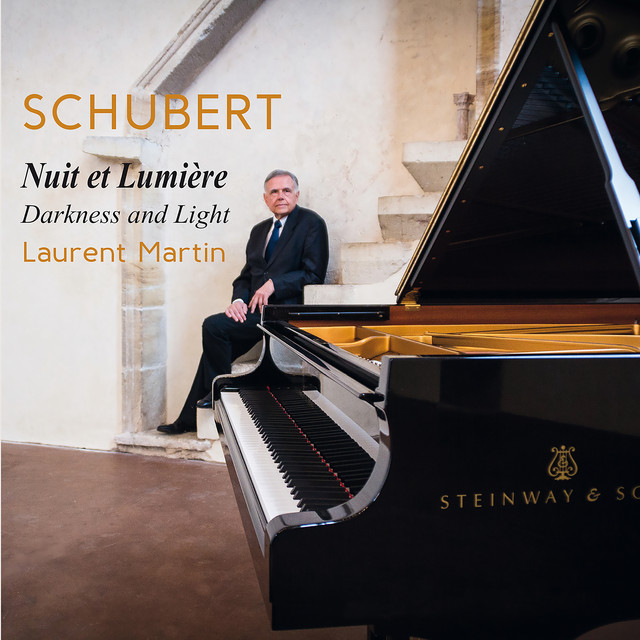
Laurent Martin
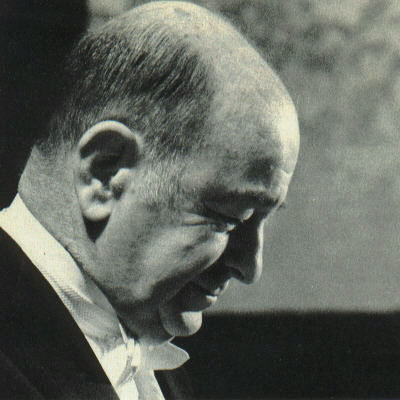
Shura Cherkassky




Yukio Yokoyama
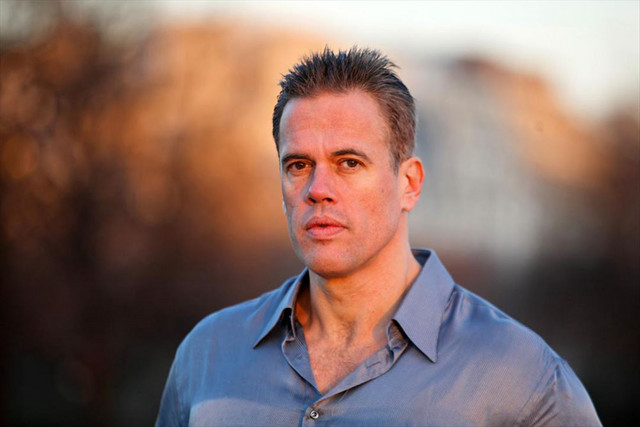
Tzimon Barto

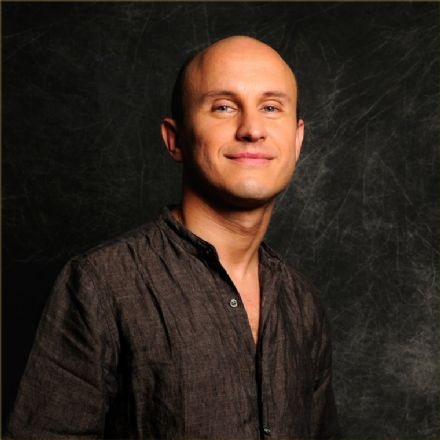
Nelson Goerner
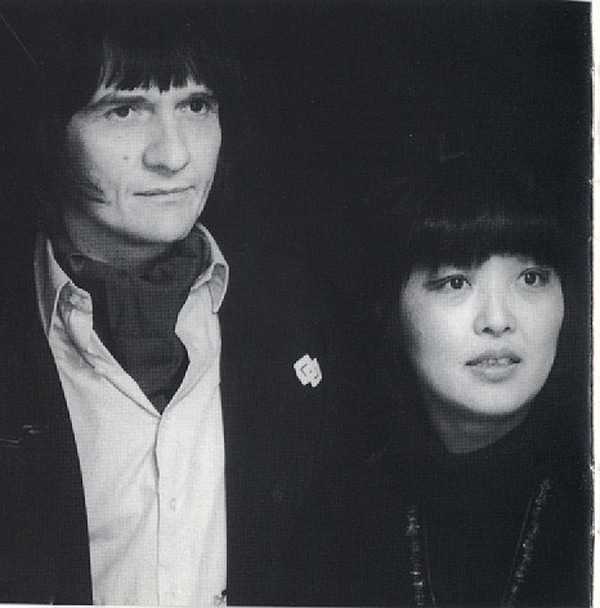
Stanislav Bunin

Nikolai Demidenko


Vladimir Sofronitsky
Wolfram Schmitt-Leonardy
Popular Tracks
961 tracks

6 Klavierstücke, Op. 118: II. Intermezzo in A Major (Andante teneramente)
Jan 5, 2014
2.1 million
streams
Piano Sonata No.2 in B flat minor, Op.35: 3. Marche funèbre (Lento)
Jan 1, 2006
1.2 million
streams