Data may be outdated
Last updated: 9 months ago — Click refresh to get the latest statistics.
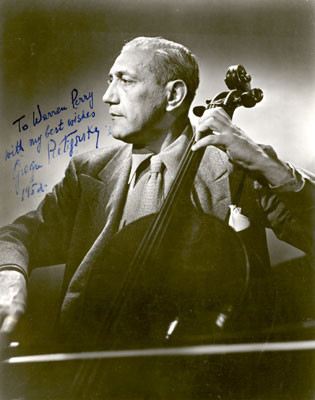
Gregor Piatigorsky began playing the cello at the age of seven and was admitted to the Moscow Conservatory at nine, studying there with Alfred von Glehn. In 1919, he joined the Lenin Quartet and was appointed principal cellist of the Bol'shoy Theater Orchestra. In 1921, Piatigorsky left the Soviet Union, going to Leipzig by way of Warsaw, and studied for a time with <a href="spotify:artist:3mNsamKBQEN899jGMk6zDO">Julius Klengel</a>. <a href="spotify:artist:4tvRZdoY4H9Wgcf0w1rZqs">Furtwängler</a> appointed him principal cellist of the <a href="spotify:artist:6uRJnvQ3f8whVnmeoecv5Z">Berlin Philharmonic</a> in 1924 where he came into contact with the leading German musicians of the time, including <a href="spotify:artist:0mVpWDLWdc7t13qs29vnEv">Schnabel</a> and Flesch, with whom he formed a trio. In 1928, Piatigorsky left Berlin to concentrate on a solo career, which began triumphantly with his New York debut in 1929. Although Piatigorsky concertized regularly as a soloist, he continued his activity as a chamber musician. Starting in 1930, he formed a trio with <a href="spotify:artist:4Ws5hSoABAwvGJ4LhHwHgq">Horowitz</a> and <a href="spotify:artist:5X8DsciT6TRp5IlcdG5eT2">Milstein</a>, and later, in 1949 with <a href="spotify:artist:7yaBUcdjmqPP2vIv6F5bFD">Heifetz</a> and <a href="spotify:artist:5N1GUHhFMRFFgMTjSOJDb9">Rubinstein</a>. In 1961, Piatigorsky and <a href="spotify:artist:7yaBUcdjmqPP2vIv6F5bFD">Heifetz</a> formed a chamber music series in Los Angeles, much of which was recorded and remains among the treasures of chamber music performances.
For many years Piatigorsky directed the chamber music program at Tanglewood, helped found the Meadowmount School, succeed <a href="spotify:artist:43bW5JKIHRISlqYb0KRS7V">Emanuel Feuermann</a> as professor of cello at the Curtis Institute, and in 1962 became a professor at the University of Southern California. His legacy as a teacher remains a powerful fixture in the world of cello playing; his famous students include <a href="spotify:artist:7cNow5B98t9OlUnoWvVrLt">Erling Blöndal Bengtsson</a>, <a href="spotify:artist:6rlVhQqS15yJMO4DZqrq6I">Mischa Maisky</a>, and <a href="spotify:artist:27Uojc5MCLUmrCVZE3EL9O">Nathaniel Rosen</a>, among many others. Piatigorsky was known for his Romantic expressiveness and virtuosic flair and was at his best in the big 19th and early 20th century concerto repertory. He premiered works by <a href="spotify:artist:6RsX7qYw5KVKiOjS8BxjL5">Walton</a>, <a href="spotify:artist:3u1fWmwpwPOmMelTAo0Gb8">Hindemith</a>, and <a href="spotify:artist:28c3Va3dnSLY1av3ym8XT2">Castelnuovo-Tedesco</a>, published a number of original works and arrangements for the cello, and collaborated with <a href="spotify:artist:7ie36YytMoKtPiL7tUvmoE">Stravinsky</a> on his Suite Italienne. Widely revered and honored, Piatigorsky was one of the most important and influential musicians of his generation.
For many years Piatigorsky directed the chamber music program at Tanglewood, helped found the Meadowmount School, succeed <a href="spotify:artist:43bW5JKIHRISlqYb0KRS7V">Emanuel Feuermann</a> as professor of cello at the Curtis Institute, and in 1962 became a professor at the University of Southern California. His legacy as a teacher remains a powerful fixture in the world of cello playing; his famous students include <a href="spotify:artist:7cNow5B98t9OlUnoWvVrLt">Erling Blöndal Bengtsson</a>, <a href="spotify:artist:6rlVhQqS15yJMO4DZqrq6I">Mischa Maisky</a>, and <a href="spotify:artist:27Uojc5MCLUmrCVZE3EL9O">Nathaniel Rosen</a>, among many others. Piatigorsky was known for his Romantic expressiveness and virtuosic flair and was at his best in the big 19th and early 20th century concerto repertory. He premiered works by <a href="spotify:artist:6RsX7qYw5KVKiOjS8BxjL5">Walton</a>, <a href="spotify:artist:3u1fWmwpwPOmMelTAo0Gb8">Hindemith</a>, and <a href="spotify:artist:28c3Va3dnSLY1av3ym8XT2">Castelnuovo-Tedesco</a>, published a number of original works and arrangements for the cello, and collaborated with <a href="spotify:artist:7ie36YytMoKtPiL7tUvmoE">Stravinsky</a> on his Suite Italienne. Widely revered and honored, Piatigorsky was one of the most important and influential musicians of his generation.
Monthly Listeners
26,645
Monthly Listeners History
Track the evolution of monthly listeners over the last 28 days.
Followers
2,669
Followers History
Track the evolution of followers over the last 28 days.
Top Cities
653 listeners

445 listeners

372 listeners

305 listeners

240 listeners

Related Artists

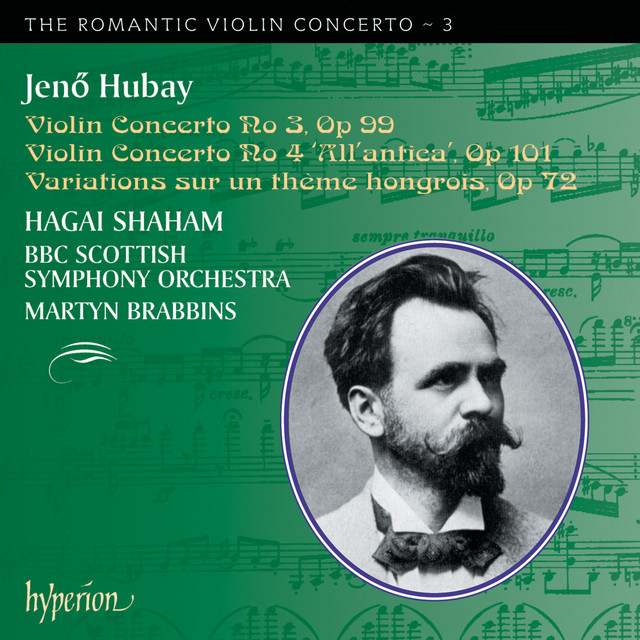
Jenő Hubay
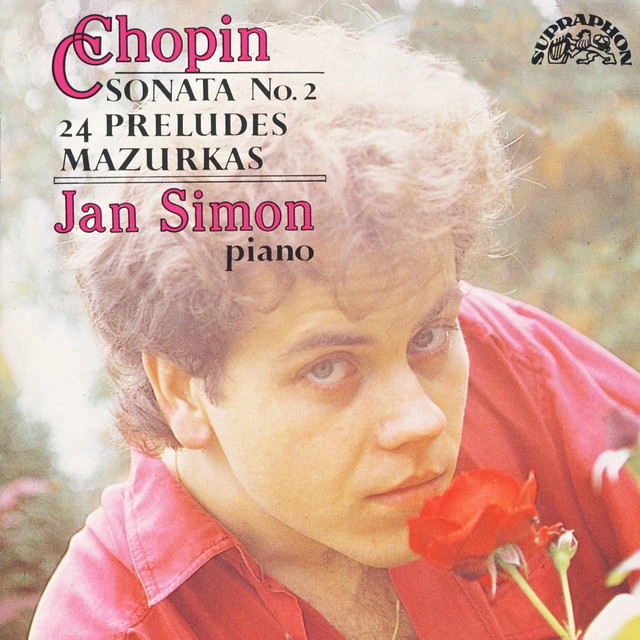
Jan Simon

Heather Schmidt

Giuseppe De Maglie

Philippe Graffin


Joel Quarrington

Ernest Martinez Izquierdo

Oszkár Morzsa
Edmund Battersby

Pascal Devoyon

New Budapest Quartet

Jean-Pierre Armengaud
Pierre Amoyal

Jaemin Han