Data may be outdated
Last updated: 9 months ago — Click refresh to get the latest statistics.
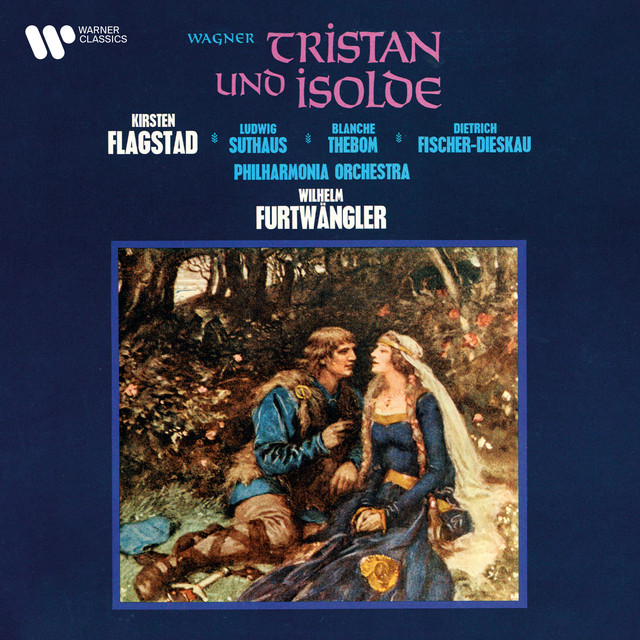
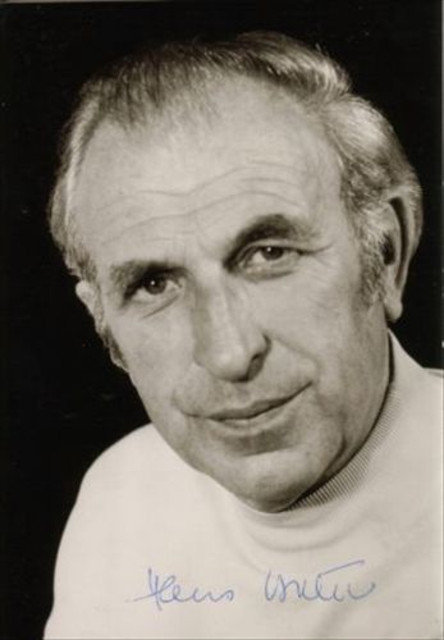
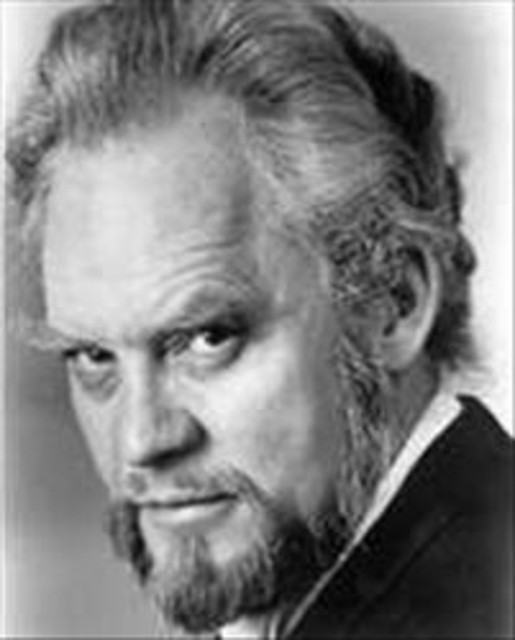
Hans Hotter was one of the 20th century's greatest singing actors. Indeed, he was often compared to Russian bass-baritone <a href="spotify:artist:1A6JXyIYY4ZhWxdLTLt3kR">Feodor Chaliapin</a> in histrionic ability as well as vocal endowment. Like the Russian, he was tall, able to bring the authority of his six feet four inch frame to the <a href="spotify:artist:1C1x4MVkql8AiABuTw6DgE">Wagner</a>ian roles in which he came to specialize. After the retirement of <a href="spotify:artist:1xuysajXWFboNoE50ZExAx">Friedrich Schorr</a> in 1943, Hotter came to be considered the supreme Wotan in <a href="spotify:artist:1C1x4MVkql8AiABuTw6DgE">Wagner</a>'s Ring of the Nibelung tetrology.
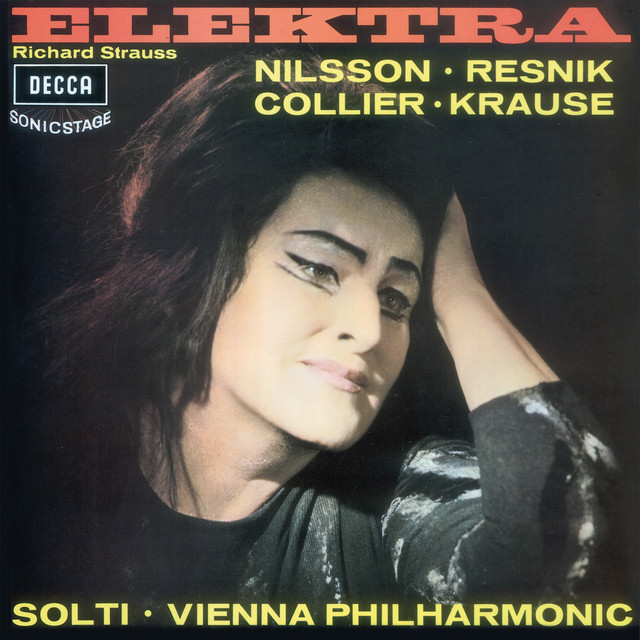
Hotter trained as an organist and choirmaster, but found his vocal gifts pushing him in the direction of a singing career. He made his debut as the Speaker in <a href="spotify:artist:4NJhFmfw43RLBLjQvxDuRS">Mozart</a>'s Die Zauberflöte at the age of 20 in the small theater at Opava. Following contracts in Prague, Breslau, and Hamburg, he was invited to Munich in 1938 and remained associated with that company for much of his subsequent career. In Munich, he came in close contact with composer <a href="spotify:artist:6pAwHPeExeUbMd5w7Iny6D">Richard Strauss</a> who, much impressed with Hotter's singing and acting, composed three roles specifically for him, beginning with the Commandant in Friedenstag (Freedom's Day), which had its premiere in Munich in 1938. Following that, <a href="spotify:artist:6pAwHPeExeUbMd5w7Iny6D">Strauss</a> wrote for Hotter the part of Jupiter in Die Liebe der Danae (The Love of Danae). Hotter sang the dress rehearsal for a much-delayed production at Salzburg just before all theaters were closed in 1944. In Capriccio, <a href="spotify:artist:6pAwHPeExeUbMd5w7Iny6D">Strauss</a>' final opera, Hotter appeared as Olivier at the 1942 premiere.
With the cessation of World War II hostilities, Hotter's career took him abroad, first to London in 1947 where, among other roles, he performed Wotan in stagings given in English; he remained a revered artist in England for as long as his long career continued. In 1950, he made an impressive debut at New York's <a href="spotify:artist:14AbeD1op5phNiIVzzRVWr">Metropolitan Opera</a> as the protagonist in <a href="spotify:artist:1C1x4MVkql8AiABuTw6DgE">Wagner</a>'s Fliegende Holländer. His immense voice and baleful appearance made a profound effect upon both critics and audiences as yet more comparisons to <a href="spotify:artist:1A6JXyIYY4ZhWxdLTLt3kR">Chaliapin</a> were invoked. After only a few seasons, however, his <a href="spotify:artist:14AbeD1op5phNiIVzzRVWr">Met</a> career came to a halt when general manager Rudolf Bing sought to steer him in the direction of secondary parts. The rest of the opera world was only too happy to hear him perform the great <a href="spotify:artist:1C1x4MVkql8AiABuTw6DgE">Wagner</a>ian and <a href="spotify:artist:6pAwHPeExeUbMd5w7Iny6D">Strauss</a> roles in which he was incomparable and he was a welcome guest in San Francisco and Chicago.
Vienna was one of several European venues to benefit from his appearances in roles he seldom undertook in the United States. Roles such as Don Basilio in Il barbiere di Siviglia and King Phillip in <a href="spotify:artist:1JOQXgYdQV2yfrhewqx96o">Verdi</a>'s Don Carlo were two especially memorable interpretations.
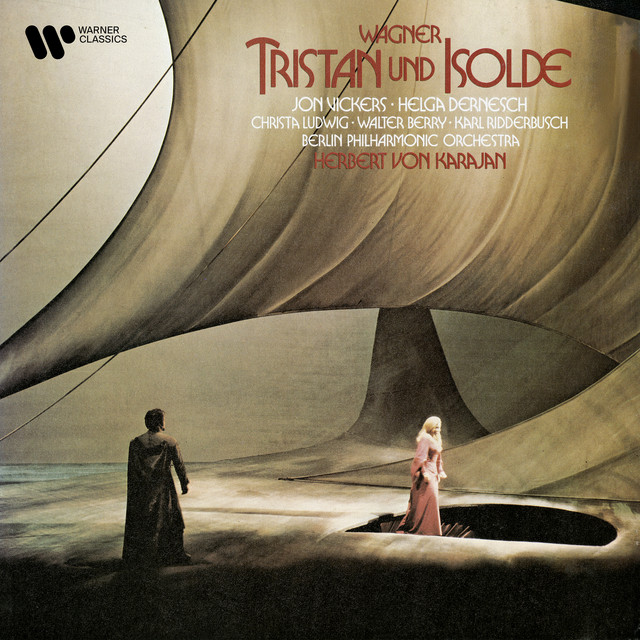
Throughout the 1950s and on through the last of his public appearances in 1972, Hotter's voice was increasingly prone to unsteadiness at full volume. Acute hay fever bedeviled him during summer engagements such as those at the Bayreuth Festival. Still, his performances remained riveting even in vocal decline and <a href="spotify:artist:0dicUFoK5LIbqu6OoHu8VH">Georg Solti</a> chose him for his Ring recording even after he was significantly past his prime.
While better known as an operatic personality, Hotter was a magnificent interpreter of German lieder (he in fact enjoyed performing this music more than opera) and made many recordings of the repertory over a three-decade span. His interpretive genius and ability to scale back his huge voice suited this kind of singing superbly, and the reissue on CD of his best song recordings has won the enthusiasm of a new generation of followers.
Hotter trained as an organist and choirmaster, but found his vocal gifts pushing him in the direction of a singing career. He made his debut as the Speaker in <a href="spotify:artist:4NJhFmfw43RLBLjQvxDuRS">Mozart</a>'s Die Zauberflöte at the age of 20 in the small theater at Opava. Following contracts in Prague, Breslau, and Hamburg, he was invited to Munich in 1938 and remained associated with that company for much of his subsequent career. In Munich, he came in close contact with composer <a href="spotify:artist:6pAwHPeExeUbMd5w7Iny6D">Richard Strauss</a> who, much impressed with Hotter's singing and acting, composed three roles specifically for him, beginning with the Commandant in Friedenstag (Freedom's Day), which had its premiere in Munich in 1938. Following that, <a href="spotify:artist:6pAwHPeExeUbMd5w7Iny6D">Strauss</a> wrote for Hotter the part of Jupiter in Die Liebe der Danae (The Love of Danae). Hotter sang the dress rehearsal for a much-delayed production at Salzburg just before all theaters were closed in 1944. In Capriccio, <a href="spotify:artist:6pAwHPeExeUbMd5w7Iny6D">Strauss</a>' final opera, Hotter appeared as Olivier at the 1942 premiere.
With the cessation of World War II hostilities, Hotter's career took him abroad, first to London in 1947 where, among other roles, he performed Wotan in stagings given in English; he remained a revered artist in England for as long as his long career continued. In 1950, he made an impressive debut at New York's <a href="spotify:artist:14AbeD1op5phNiIVzzRVWr">Metropolitan Opera</a> as the protagonist in <a href="spotify:artist:1C1x4MVkql8AiABuTw6DgE">Wagner</a>'s Fliegende Holländer. His immense voice and baleful appearance made a profound effect upon both critics and audiences as yet more comparisons to <a href="spotify:artist:1A6JXyIYY4ZhWxdLTLt3kR">Chaliapin</a> were invoked. After only a few seasons, however, his <a href="spotify:artist:14AbeD1op5phNiIVzzRVWr">Met</a> career came to a halt when general manager Rudolf Bing sought to steer him in the direction of secondary parts. The rest of the opera world was only too happy to hear him perform the great <a href="spotify:artist:1C1x4MVkql8AiABuTw6DgE">Wagner</a>ian and <a href="spotify:artist:6pAwHPeExeUbMd5w7Iny6D">Strauss</a> roles in which he was incomparable and he was a welcome guest in San Francisco and Chicago.
Vienna was one of several European venues to benefit from his appearances in roles he seldom undertook in the United States. Roles such as Don Basilio in Il barbiere di Siviglia and King Phillip in <a href="spotify:artist:1JOQXgYdQV2yfrhewqx96o">Verdi</a>'s Don Carlo were two especially memorable interpretations.
Throughout the 1950s and on through the last of his public appearances in 1972, Hotter's voice was increasingly prone to unsteadiness at full volume. Acute hay fever bedeviled him during summer engagements such as those at the Bayreuth Festival. Still, his performances remained riveting even in vocal decline and <a href="spotify:artist:0dicUFoK5LIbqu6OoHu8VH">Georg Solti</a> chose him for his Ring recording even after he was significantly past his prime.
While better known as an operatic personality, Hotter was a magnificent interpreter of German lieder (he in fact enjoyed performing this music more than opera) and made many recordings of the repertory over a three-decade span. His interpretive genius and ability to scale back his huge voice suited this kind of singing superbly, and the reissue on CD of his best song recordings has won the enthusiasm of a new generation of followers.
Monthly Listeners
7,140
Monthly Listeners History
Track the evolution of monthly listeners over the last 28 days.
Followers
4,047
Followers History
Track the evolution of followers over the last 28 days.
Top Cities




Related Artists



Josephine Veasey

Set Svanholm
Donald Grobe
Helge Brilioth

Martin Egel
Waldemar Kmentt

Grace Hoffman
Ralf Lukas